How is graphite made?
Short answer
Graphite is produced through two primary methods: natural extraction from metamorphic rocks and synthetic manufacturing via the Acheson process. Natural graphite forms over millions of years under high pressure and heat. Synthetic graphite is created by heating petroleum coke and coal tar pitch to temperatures exceeding 2,500 degrees Celsius in electric furnaces.
On this page
How is natural graphite formed and mined
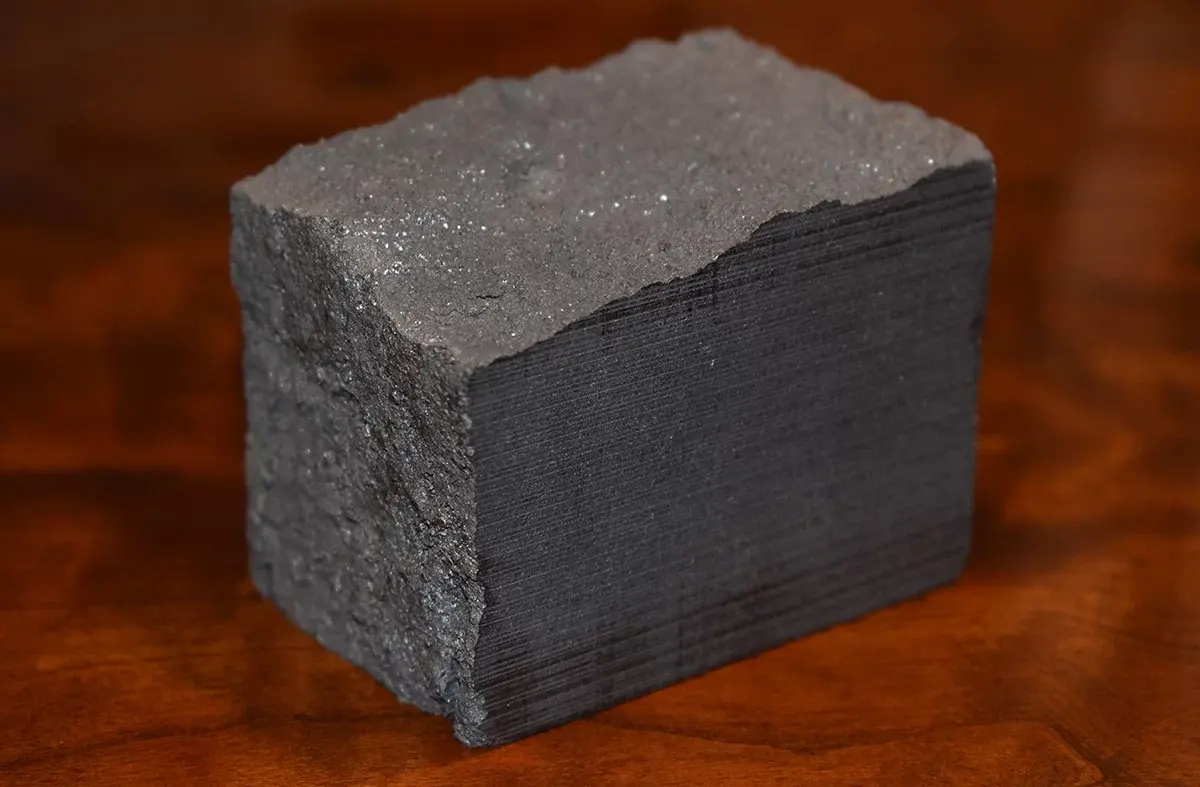
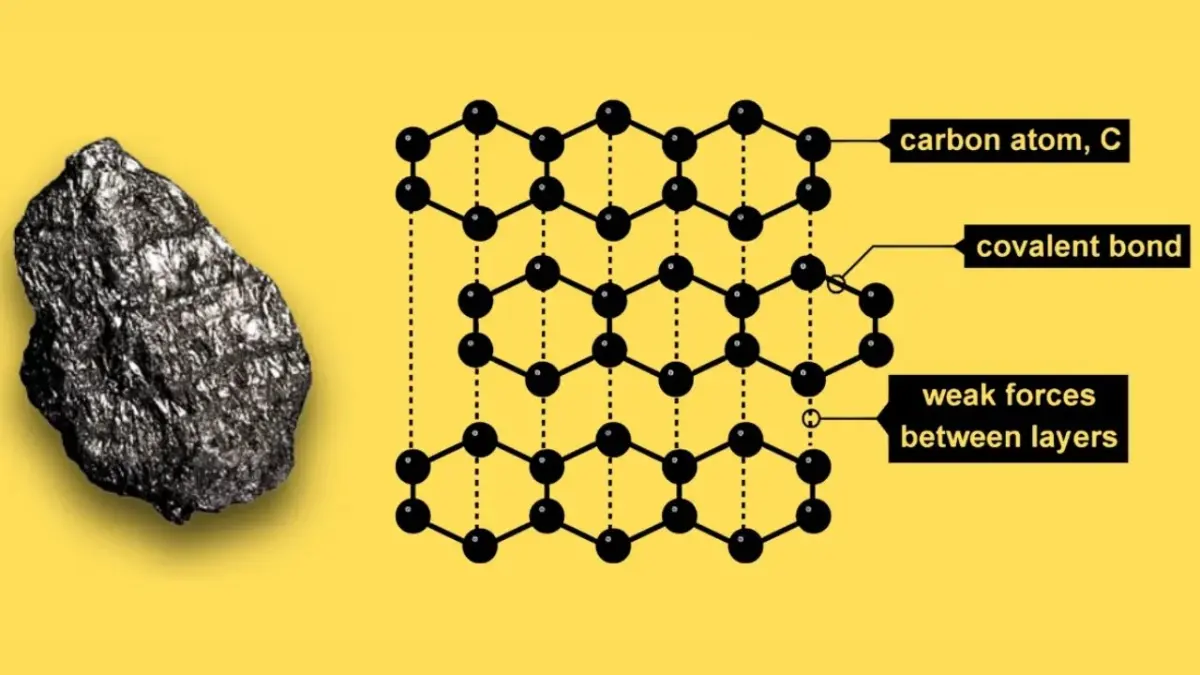
Natural graphite is a crystalline form of carbon that originates from organic matter buried deep within the Earth’s crust. Over millions of years, extreme geological pressure and intense temperatures transform carbon-rich materials like coal or plant debris into graphite flakes. This process occurs during regional metamorphism, where sedimentary rocks are subjected to tectonic forces that reorganize carbon atoms into a stable, hexagonal lattice structure.
Mining these deposits requires large-scale open-pit or underground operations. Once the raw ore is extracted, it undergoes a rigorous beneficiation process to separate the graphite from host minerals like quartz, mica, and feldspar. This typically involves crushing the ore and using froth flotation, a chemical process that relies on the hydrophobic properties of graphite to float it to the surface. The resulting concentrate is then dried and screened based on flake size, which determines its commercial value and specific industrial application.
How is synthetic graphite manufactured
Synthetic graphite is produced through a precise industrial process known as the Acheson process, named after Edward Goodrich Acheson, who patented the method in 1896. This technique involves the graphitization of carbonaceous materials, primarily petroleum coke or calcined anthracite. These raw materials are mixed with a coal tar pitch binder to create a paste, which is then extruded or molded into specific shapes.
The shaped carbon pieces are packed into massive electric furnaces surrounded by insulating materials like sand and sawdust. A powerful electrical current is passed through the furnace, heating the material to temperatures between 2,500 and 3,000 degrees Celsius. At these extreme temperatures, the disordered carbon atoms rearrange themselves into the highly ordered, crystalline structure characteristic of graphite. This process generally follows these specific stages:
- Calcination of raw petroleum coke to remove volatile impurities.
- Mixing and grinding of the coke with a pitch binder.
- Forming the mixture into green electrodes or blocks.
- Baking the green material to carbonize the binder.
- Graphitization in an electric resistance furnace to achieve the final crystalline structure.
Why synthetic graphite is preferred for technology
While natural graphite remains essential for many industries, synthetic graphite is often preferred for high-tech applications due to its superior purity and consistency. Because manufacturers can control the chemical composition of the raw materials, they can produce synthetic graphite with extremely low levels of impurities such as sulfur or ash. This level of precision is critical for the production of high-performance lithium-ion battery anodes and nuclear-grade moderators.
Synthetic graphite also offers a more predictable supply chain compared to natural mining, which can be subject to geopolitical instability and environmental regulations. The ability to tailor the physical properties—such as electrical conductivity, thermal expansion, and density—makes synthetic graphite the preferred choice for sophisticated engineering. Common applications include:
- Graphite electrodes for electric arc furnaces in steel production.
- High-purity components for semiconductor manufacturing.
- Specialized brushes for electric motors.
- Aerospace components requiring high heat resistance.
Common mistakes when processing graphite
Working with graphite requires a deep understanding of its unique physical properties, particularly its lubricity and electrical conductivity. A frequent mistake in industrial processing is failing to account for the material's anisotropy, meaning its properties differ depending on the direction of the grain. If engineers do not align the crystal orientation correctly during the machining of graphite components, the finished part may fail under thermal or mechanical stress.
Another common error involves improper handling of graphite dust during the machining phase. Because graphite is highly conductive, airborne dust can infiltrate sensitive electronic equipment, causing short circuits or catastrophic system failures. Furthermore, graphite is a potent lubricant; if dust settles on machinery components, it can cause belts to slip or fasteners to loosen over time. Proper dust collection systems and sealed environments are mandatory to maintain both equipment longevity and worker safety in facilities where graphite is cut or shaped.
How to distinguish between natural and synthetic graphite
Identifying the origin of a graphite sample is a standard procedure in material science, usually performed through laboratory analysis. Natural graphite typically exhibits a higher degree of crystallinity and larger flake sizes, which can be observed under a scanning electron microscope. In contrast, synthetic graphite often displays a more uniform, fine-grained structure due to the controlled nature of the furnace graphitization process.
Chemical analysis also provides a clear distinction between the two types. Natural graphite often contains trace elements characteristic of the specific geological region where it was mined, such as specific isotopes of carbon or mineral inclusions. Synthetic graphite, being a man-made product, is almost exclusively composed of pure carbon and lacks the mineral impurities found in mined ore. By using X-ray diffraction, scientists can measure the interlayer spacing of the carbon atoms, which confirms the degree of graphitization and helps determine if the material was formed through slow geological processes or rapid, high-temperature industrial heating.
Key facts
- Graphite is an allotrope of carbon where atoms are arranged in a hexagonal, layered crystalline structure.
- Natural graphite is mined from metamorphic rocks, while synthetic graphite is manufactured using high-temperature processing.
- The Acheson process, invented in 1896, remains the primary method for producing synthetic graphite on an industrial scale.
- Synthetic graphite is created by heating petroleum coke or coal tar pitch to temperatures between 2,500 and 3,000 degrees Celsius.
- Graphite is a unique mineral because it is soft and opaque, yet it conducts electricity and resists extreme heat.
- When working with graphite, avoid using lubricants like oil, as these can trap dust and damage the material's conductive properties.
The bottom line
Graphite exists as both a natural mineral and a highly engineered industrial product. While mining provides raw material, the Acheson process allows manufacturers to create high-purity synthetic graphite for demanding technological applications. Whether used in common writing instruments or advanced battery anodes, graphite remains essential due to its unique combination of electrical conductivity, thermal stability, and lubricating properties, making it a cornerstone of modern material science.
People also ask
Is graphite the same material as pencil lead?
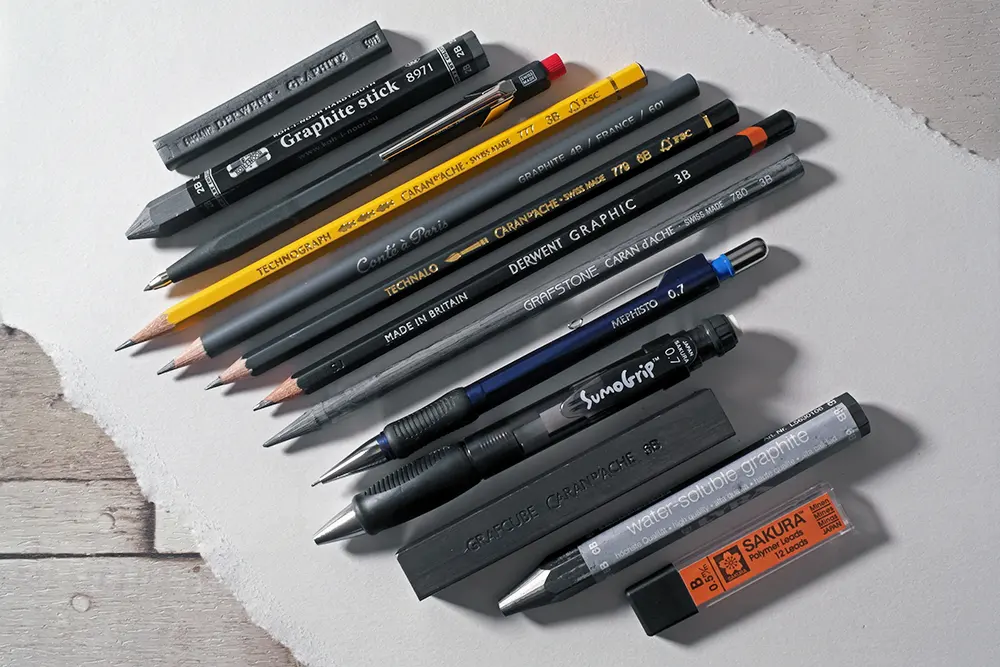
No, pencil "lead" is actually a mixture of graphite and clay. The more clay added to the mixture, the harder and lighter the pencil mark will be.
Can you turn coal into graphite?
Yes, synthetic graphite is produced by graphitizing carbon-rich materials like coal tar pitch or petroleum coke. This transformation requires intense heat in an oxygen-free furnace.
Why is graphite used in batteries?
Graphite is the standard anode material in lithium-ion batteries because of its high electrical conductivity and stable layered structure. These layers allow lithium ions to move in and out easily during charging and discharging.
Is graphite toxic to humans?
Graphite is generally considered non-toxic and chemically inert. However, inhaling fine graphite dust over long periods can cause respiratory irritation or lung issues.
How do you identify real graphite?
You can identify graphite by its metallic luster, greasy feel, and its ability to leave a dark grey streak on paper. It is also significantly softer than most other minerals on the Mohs hardness scale.
Can graphite be turned into diamonds?
Yes, graphite can be converted into synthetic diamonds under extremely high pressure and temperature. This process mimics the natural geological conditions deep within the Earth's mantle.
This answer was created with the help of AI research tools and reference sources. Spotted an error? Let us know — we correct mistakes quickly. See our editorial policy.