How is a pencil eraser made?
Short answer
Pencil erasers are primarily made from synthetic rubber, such as styrene-butadiene or vinyl, mixed with vulcanizing agents and abrasive fillers like pumice. These ingredients are blended, heated, and molded into shape. While natural rubber was historically used, modern manufacturing favors synthetic polymers for their durability, consistency, and ability to erase graphite cleanly.
On this page
What materials are used to make erasers?
Modern erasers are sophisticated chemical products designed to lift graphite particles from paper fibers. Most manufacturers utilize synthetic rubber compounds, specifically styrene-butadiene rubber (SBR) or polyvinyl chloride (PVC), as the base material. These polymers provide the necessary elasticity and structural integrity required for repeated friction against paper surfaces.
To achieve the desired erasing performance, manufacturers incorporate several additives into the base polymer:
- Vulcanizing agents: Sulfur or peroxides are added to cross-link polymer chains, enhancing durability.
- Abrasives: Finely ground pumice or silica acts as a mild scouring agent to lift graphite.
- Plasticizers: Chemicals like phthalates soften the material, ensuring the eraser remains flexible rather than brittle.
- Pigments: Various dyes are added to achieve the iconic pink hue or other colors.
- Vegetable oils: These help maintain the eraser's texture and prevent it from drying out over time.
How is the eraser manufacturing process performed?
The creation of an eraser follows a precise industrial sequence involving mixing, extrusion, and curing. First, the raw rubber or plastic base is fed into a large industrial mixer, where the abrasive fillers and plasticizers are incorporated under high heat. This creates a homogeneous, dough-like substance that is ready for shaping.
Once the mixture is consistent, the process continues through these distinct stages:
- Extrusion: The compound is forced through a die to create long, continuous strands that match the desired cross-section of the final eraser.
- Cooling and Cutting: These strands are cooled to stabilize their shape before being sliced into individual units using automated high-speed blades.
- Vulcanization: The cut pieces are placed in an oven or pressurized chamber to complete the chemical cross-linking process, which locks the eraser's physical properties.
- Finishing: The erasers are tumbled or polished to remove rough edges before being packaged for distribution.
Why do erasers crumble during use?
The crumbling effect observed in many erasers is a deliberate design choice known as "self-cleaning." As the eraser is rubbed against paper, the friction generates heat and mechanical stress. The material is formulated to break away in small, soft particles rather than smearing. These crumbs serve a vital purpose by trapping the lifted graphite dust within them.
This mechanism prevents the graphite from being re-deposited onto the paper or smudging the surrounding area. If the eraser did not crumble, the surface would quickly become saturated with graphite, turning it into a tool that smears rather than removes marks. The specific ratio of abrasive to binder determines how quickly an eraser wears down. Higher-quality erasers are balanced to provide enough friction to remove the mark while maintaining enough structural integrity to avoid excessive, wasteful crumbling.
Common mistakes when choosing an eraser
Many people mistakenly believe that all erasers function identically, leading to poor results on specific paper types. Using a hard, abrasive eraser on delicate or thin paper can easily tear the fibers, leaving a permanent hole. Conversely, using a soft, gummy eraser on heavy-duty drafting paper may fail to lift dark, dense graphite marks effectively.
To avoid damage and ensure clean results, consider these guidelines:
- Avoid using "art gum" erasers for precise, small-scale work, as they crumble rapidly and lack the edge definition needed for detail.
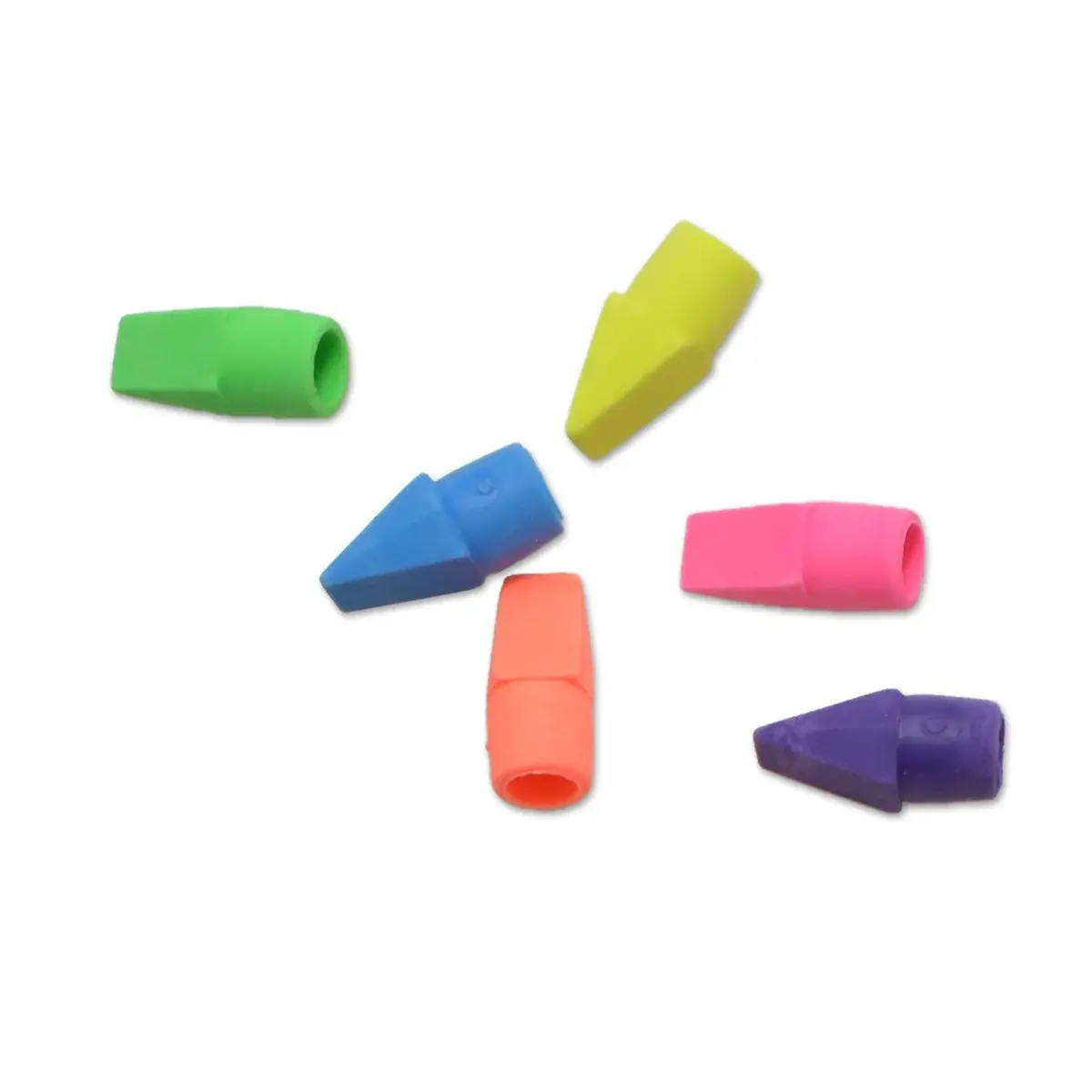
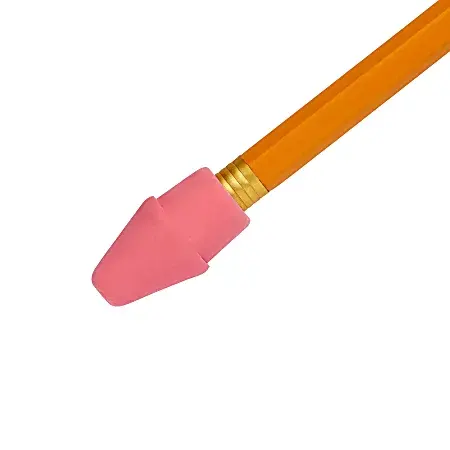
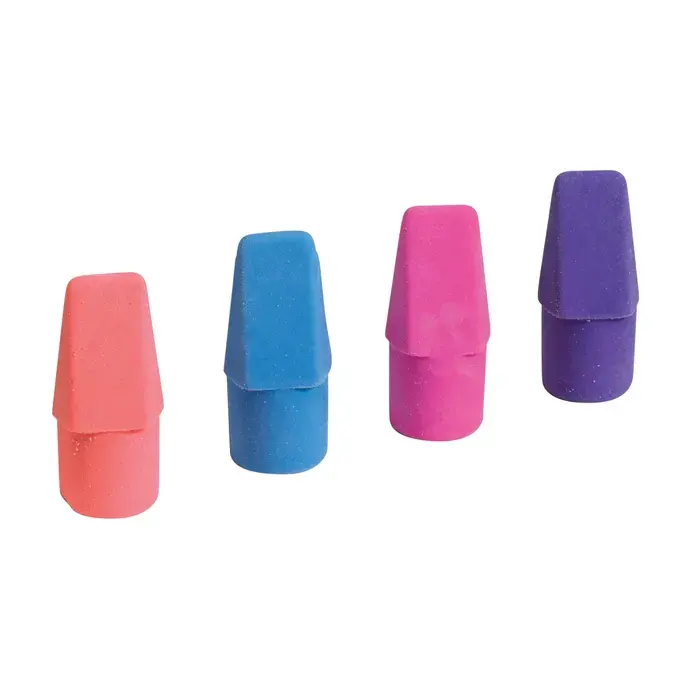
- Do not use pencil-top erasers for large areas, as they often contain lower-quality rubber that may leave pink smudges.
- Check the material label; vinyl erasers are superior for precision and longevity, while soft rubber is better for large, light sketches.
- Always test a new eraser on a scrap piece of the same paper to ensure it does not leave unwanted residue or cause fiber pilling.
How long do erasers last?
The lifespan of an eraser depends primarily on storage conditions rather than the frequency of use. While synthetic rubbers are highly stable, they can degrade if exposed to extreme heat, direct sunlight, or chemical solvents. Over several years, the plasticizers may migrate to the surface, causing the eraser to become sticky or, conversely, to dry out and crack.
To maximize the longevity of your erasers, follow these practical tips:
- Store them in a cool, dry place away from direct UV light, which can break down polymer chains.
- Keep erasers in individual containers or plastic bags to prevent them from picking up dust or oils from other desk supplies.
- If an eraser becomes hard, you can sometimes restore a portion of its performance by gently rubbing it against a clean, textured surface to remove the oxidized outer layer.
- Rotate your inventory if you keep a large supply, using older erasers first to prevent them from becoming brittle in storage.
Key facts
- Most modern erasers are made from synthetic rubber or vinyl rather than natural tree-harvested rubber.
- The "pink" color of standard pencil erasers comes from iron oxide, which acts as an abrasive to lift graphite.
- Erasers function by absorbing graphite particles into the rubber material as it wears down through friction.
- Pumice or silica is often added to the rubber mixture to increase the eraser's abrasive strength for removing stubborn marks.
- To prevent smearing, always ensure your eraser is clean by rubbing it on a scrap piece of paper before use.
- Avoid using "art gum" erasers for heavy-duty erasing, as they are designed to crumble and can leave significant debris.
The bottom line
Pencil erasers are engineered composites of synthetic rubber, plasticizers, and abrasive agents like pumice. By balancing friction and absorption, these tools effectively lift graphite from paper fibers. While the classic pink eraser remains a staple, specialized vinyl and kneaded options offer greater control for artists. Understanding the material composition allows users to choose the right eraser for their specific paper type and graphite density requirements.
People also ask
Why do some erasers leave black smudges on the paper?
Smudges occur when an eraser is saturated with previously collected graphite or if the paper surface is oily. To fix this, clean the eraser on a blank sheet or use a kneaded eraser to lift the excess graphite without damaging the paper.
Can you make an eraser at home?
You can create a simple eraser by mixing silicone caulk with a small amount of cornstarch until it reaches a putty-like consistency. Once the mixture cures, it will have a rubbery texture capable of lifting graphite marks from paper.
What is the difference between a white plastic eraser and a pink rubber one?
White plastic erasers are generally softer and gentler, making them ideal for delicate papers and detailed work. Pink rubber erasers are firmer and more abrasive, which makes them better suited for removing dark, heavy graphite lines.
Do erasers expire or go bad over time?
Yes, erasers can harden and lose their effectiveness if exposed to extreme heat or direct sunlight for long periods. Storing them in a cool, dry place helps maintain their flexibility and original erasing performance.
Why do some erasers tear the paper?
Paper tearing usually happens when the eraser is too hard or if you apply excessive pressure while erasing. Always use light, sweeping strokes and support the paper from underneath to prevent buckling or accidental rips.
Are all erasers latex-free?
Not all erasers are latex-free, as many traditional rubber erasers contain natural latex proteins. If you have a latex allergy, look for products specifically labeled as "vinyl" or "latex-free" to ensure safety.
This answer was created with the help of AI research tools and reference sources. Spotted an error? Let us know — we correct mistakes quickly. See our editorial policy.