How do you draw with white charcoal?
Short answer
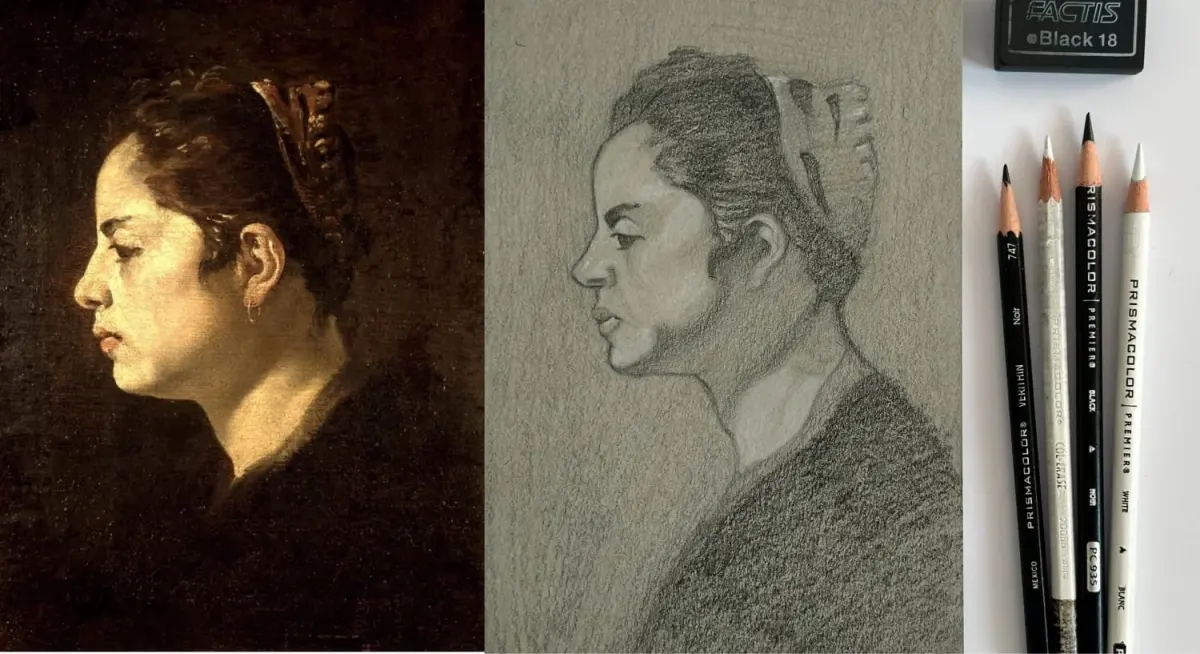
Drawing with white charcoal involves applying white pigment onto toned or dark-colored paper to create highlights and luminous effects. Unlike traditional graphite, you work from dark to light, building up brightness against the background. Use high-quality charcoal pencils or sticks, blending tools, and erasers to define form, texture, and dramatic lighting.
On this page
What materials are needed for white charcoal drawing?
To begin, you need a dark surface that provides contrast. Charcoal paper, pastel paper, or heavy-weight construction paper in shades of black, charcoal gray, or deep earth tones work best. The tooth or texture of the paper is critical; a rougher surface grips the white pigment better, allowing for richer, more opaque layers. Avoid glossy or coated papers, as they will not hold the charcoal dust.
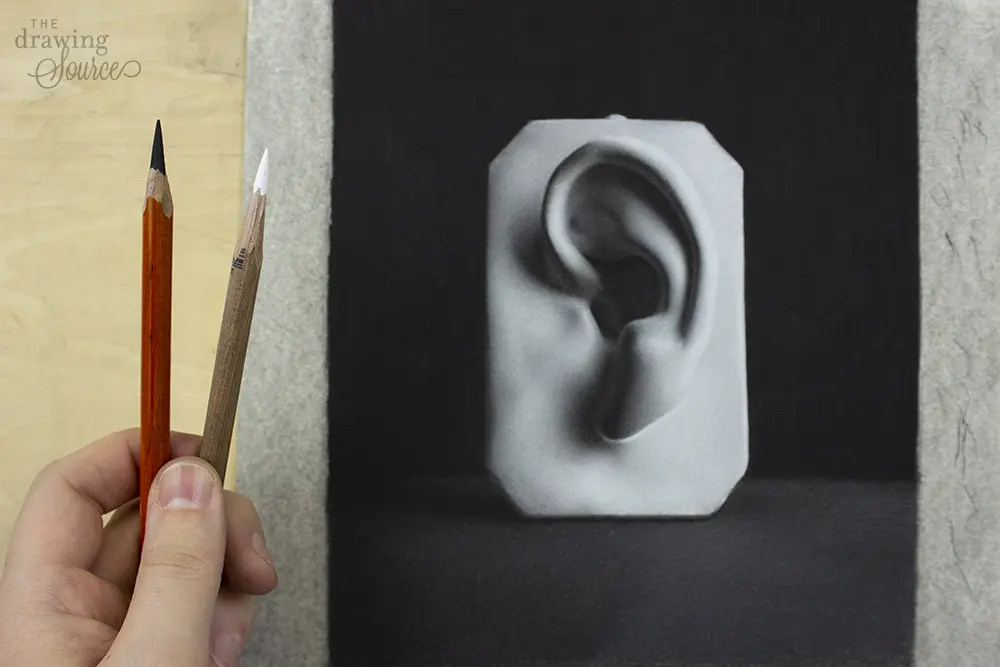
For the drawing tools, white charcoal pencils are the standard choice for precision. These are encased in wood, similar to graphite pencils, and can be sharpened to a fine point for detailed highlights. White charcoal sticks, which are essentially compressed pigment without a casing, are better for covering large areas quickly. You should also gather the following essential tools:
- A kneaded eraser for lifting pigment and creating soft, subtle highlights.
- A blending stump or tortillon for smoothing transitions between light and shadow.
- A high-quality sharpener or a craft knife to maintain a precise point.
- A fixative spray to prevent smudging once the drawing is complete.
How to start a white charcoal drawing?
The most effective approach is to treat the dark paper as your mid-tone or shadow area. Rather than filling the entire page, focus on mapping out the primary light sources. Begin by lightly sketching your composition with a light-colored pencil or a faint piece of vine charcoal that can be easily dusted off. This ensures your proportions are correct before you commit to the permanent white pigment.
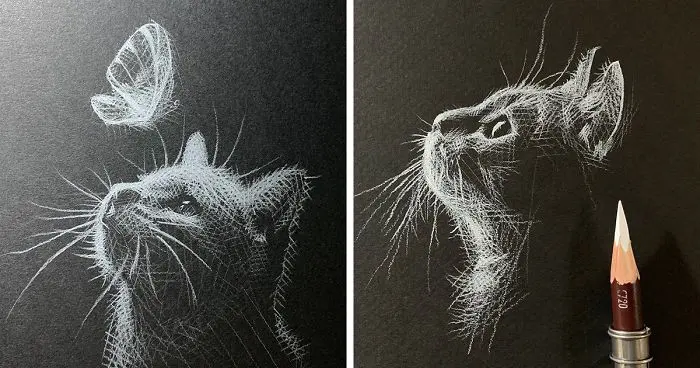
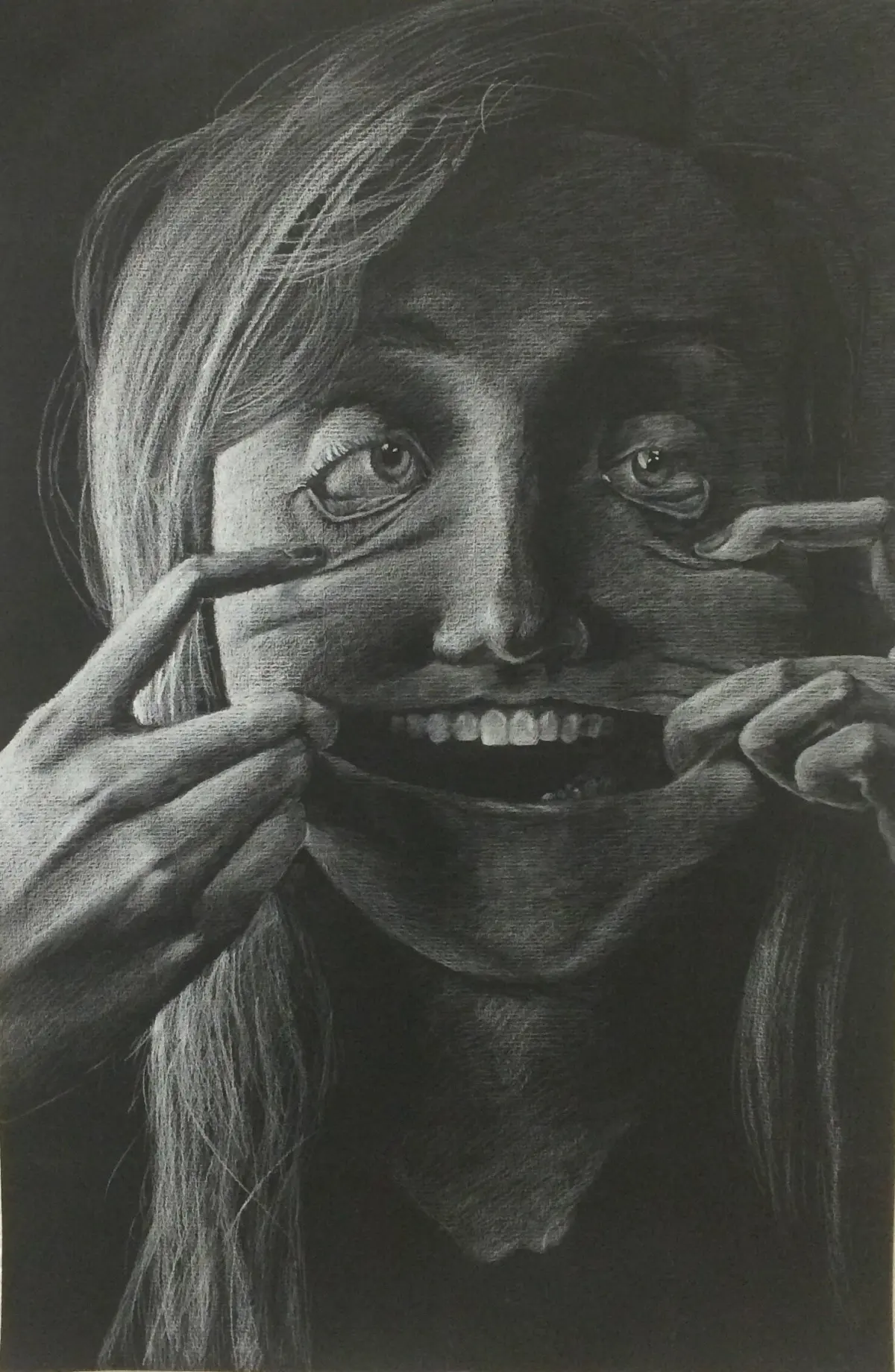
Once the sketch is set, start applying the white charcoal to the brightest areas of your subject. Do not press too hard initially; it is easier to layer white pigment than to remove it from the paper’s tooth. Build your highlights in stages, moving from the mid-tones to the brightest points of light. This method creates a sense of three-dimensional volume and depth, making your subject appear as if it is emerging from the darkness.
How to blend and layer white charcoal?
Blending is essential for achieving smooth gradients and realistic skin tones or reflective surfaces. Use a clean blending stump to push the charcoal into the paper’s texture. If you want a softer, more ethereal glow, you can use a clean finger or a soft cloth, though this risks transferring natural oils onto the paper. Always blend in the direction of the form to enhance the illusion of shape.
Layering requires patience, as the paper’s tooth can only hold a certain amount of pigment. If you find the paper is no longer accepting white charcoal, it may be saturated. Follow these steps to manage your layers:
- Apply a thin base layer of white charcoal to establish the general shape of the highlight.
- Blend the edges outward to create a soft transition toward the dark paper.
- Use a sharp, high-quality white charcoal pencil to add the final, crisp highlights on top of the blended base.
- If the highlight is not bright enough, use a vinyl eraser to clear a small area before reapplying a fresh, thick layer of white charcoal.
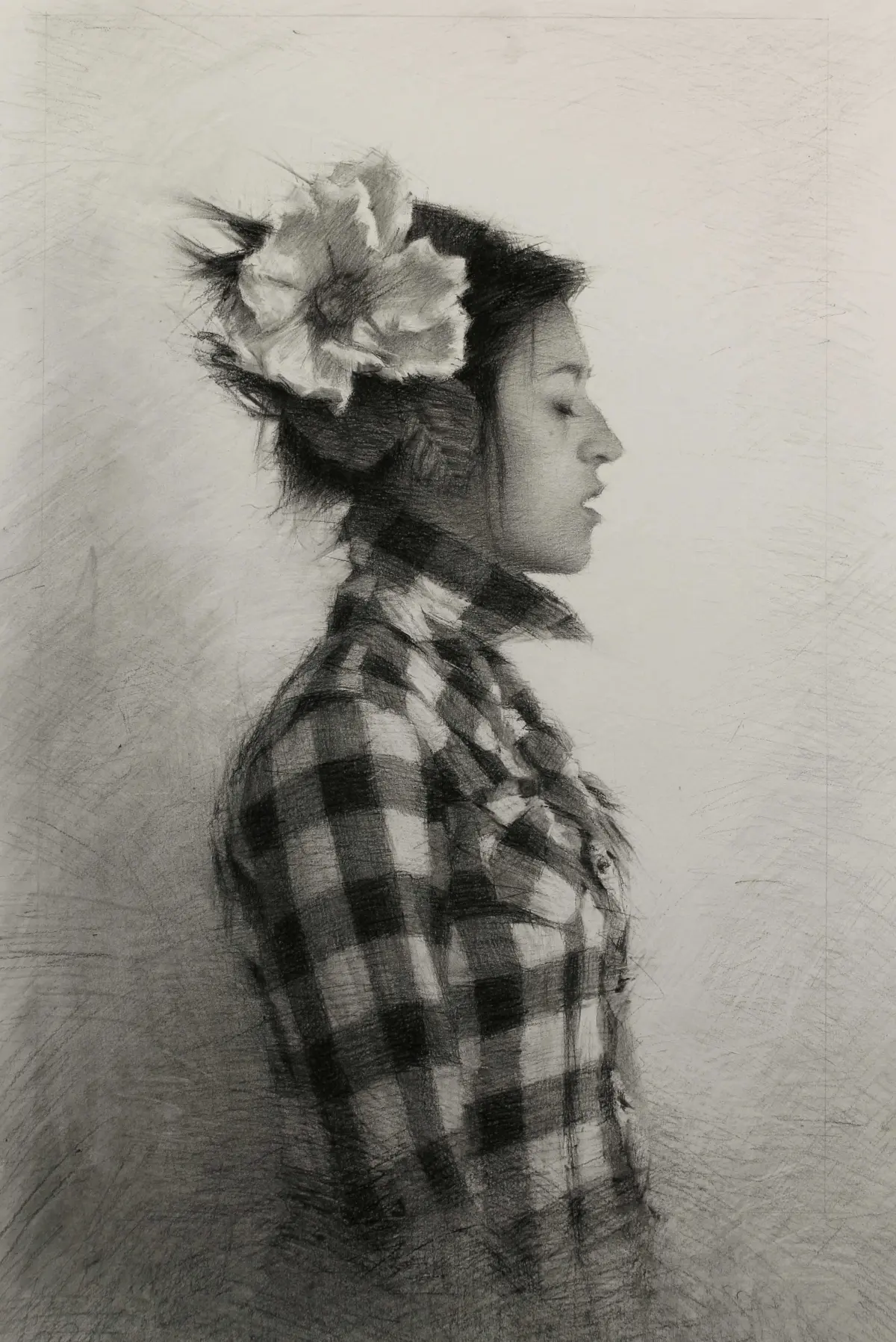
Common mistakes when using white charcoal?
A frequent error is applying too much pressure at the start. White charcoal is highly pigmented and brittle; pressing too hard can snap the tip or create a waxy, uneven surface that is difficult to blend. Another common mistake is failing to protect the drawing from smudging. Because charcoal is a dry, loose medium, it easily transfers to your hand and other parts of the paper.
To avoid these issues, always work from the top of the page to the bottom if you are right-handed, or vice versa if you are left-handed. This keeps your hand from dragging across finished sections. Additionally, avoid using too many different brands of white charcoal on the same piece. Different binders can react poorly, leading to flaking or a muddy appearance. Stick to one or two compatible brands to maintain a consistent finish throughout your work.
How to finish and preserve your work?
Once you are satisfied with your drawing, you must seal it to prevent the charcoal from dusting off. Use a workable fixative spray designed for charcoal or pastel. Hold the can at least 12 inches away from the artwork and apply several light, even coats rather than one heavy, saturating layer. A heavy application can darken the white charcoal or cause the pigment to run, ruining the crisp highlights you worked to build.
After the fixative has dried, consider framing your drawing under glass. This provides the best long-term protection against environmental factors like humidity and dust. If you choose not to frame the piece immediately, store it flat in an acid-free portfolio or between sheets of glassine paper. By following these storage practices, you ensure that your white charcoal highlights remain bright and sharp for many years to come.
Key facts
- White charcoal is typically made from compressed white pigment, binder, and chalk, rather than carbonized wood.
- Use toned paper, such as gray, tan, or black, because white charcoal is invisible on standard white drawing paper.
- Apply light pressure initially to build up highlights, as white charcoal is often difficult to erase once heavily layered.
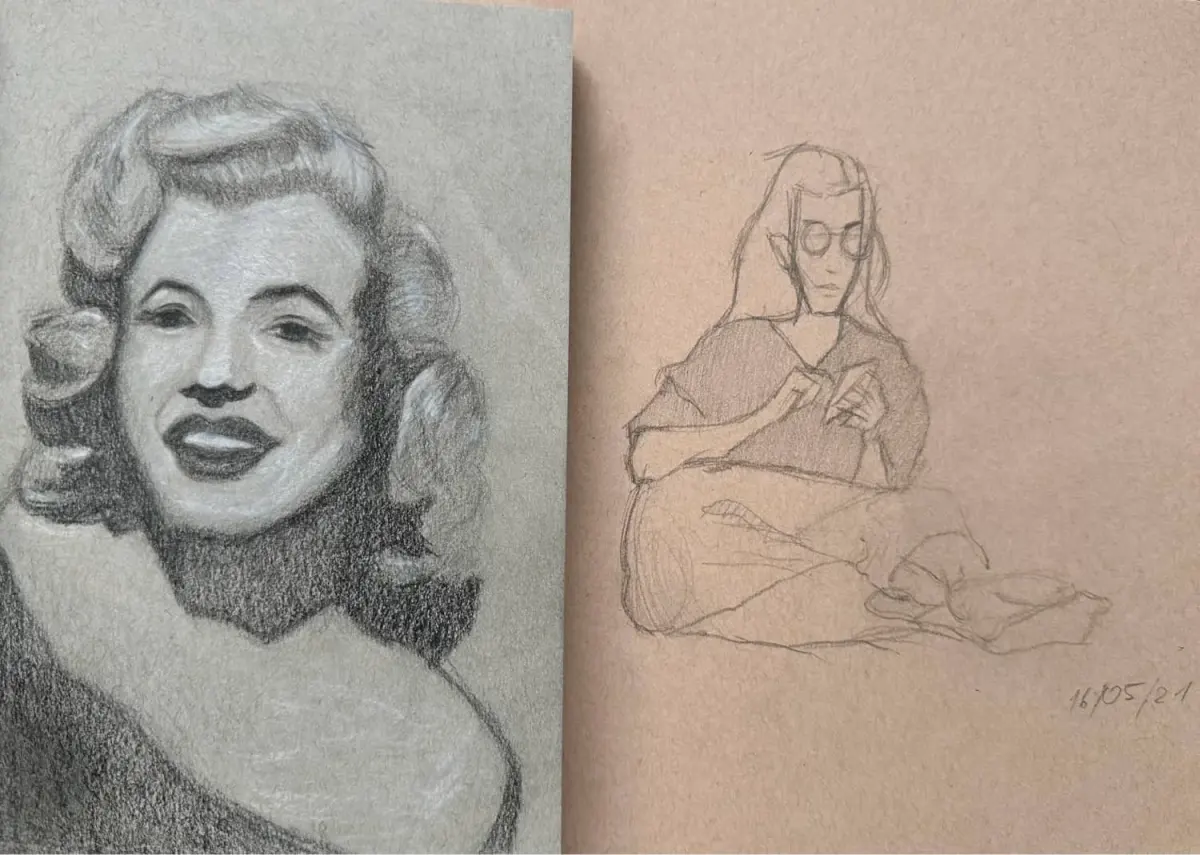
- Combine white charcoal with black charcoal to create high-contrast chiaroscuro effects on mid-tone paper.
- Use a kneaded eraser to lift pigment and refine edges, as it gently absorbs the chalky material without smearing.
- Seal finished drawings with a workable fixative spray to prevent the fragile, powdery pigment from smudging or dusting off.
The bottom line
Drawing with white charcoal requires a shift in perspective, as you are essentially painting with light rather than shadow. By selecting high-quality toned paper and managing your pressure, you can create striking, three-dimensional portraits and landscapes. Always remember to use a fixative to preserve your work, as the delicate pigment is prone to smudging. Master these fundamental techniques to bring brilliant highlights to your artistic compositions.
People also ask
Can I use white charcoal on regular white paper?
No, white charcoal will not show up on standard white paper because the pigment is not opaque enough to cover the bright surface. It is designed specifically for toned surfaces where it can create visible light values.
Is white charcoal the same as white pastel?
While they share similar properties, white charcoal is generally firmer and less waxy than white pastel. This allows for sharper lines and more precise detailing in realistic drawings.
How do I sharpen a white charcoal pencil?
Use a high-quality metal sharpener or a hobby knife to shave the wood casing carefully. Because the core is brittle, avoid using electric sharpeners that can snap the tip.
What is the best way to blend white charcoal?
Use a paper stump or a soft cloth to gently push the pigment into the paper fibers. Avoid using your fingers, as natural oils can create muddy patches and prevent further layering.
Can I mix white charcoal with graphite?
Mixing them is generally discouraged because graphite is shiny and slick, while white charcoal is matte and chalky. They often resist each other, leading to a messy, inconsistent texture on the page.
How do I fix mistakes when drawing with white charcoal?
Use a kneaded eraser to dab away excess pigment or lighten areas that are too bright. If you have applied too much, you can also use a soft brush to gently sweep away loose particles.
This answer was created with the help of AI research tools and reference sources. Spotted an error? Let us know — we correct mistakes quickly. See our editorial policy.