What colors go with charcoal gray?
Short answer
Charcoal gray is a versatile neutral that pairs beautifully with crisp whites, soft creams, and bold jewel tones like emerald or navy. It also complements metallic accents such as brushed gold or copper. Because of its dark, sophisticated undertone, it serves as an ideal anchor for both minimalist and high-contrast color palettes.
On this page
How to choose the best accent colors for charcoal gray
Charcoal gray functions as a "near-black" neutral, meaning it provides a strong foundation that allows other colors to pop without overwhelming a space. When selecting accent colors, consider the temperature of the gray. If your charcoal has blue or green undertones, pair it with cool colors like sapphire, teal, or icy silver to maintain a cohesive, sophisticated look. If the gray leans toward a warmer, brownish charcoal, it pairs exceptionally well with earthy tones such as terracotta, mustard yellow, or warm brass hardware.
To determine the right balance, follow the 60-30-10 rule of interior design. Use charcoal gray for 60 percent of the room, such as on walls or large furniture pieces. Dedicate 30 percent to a secondary color, like a soft gray or a muted blue, and reserve 10 percent for a vibrant accent color. This distribution prevents the dark gray from making a room feel claustrophobic while ensuring the space remains visually engaging and balanced.
Best color combinations for a modern living room
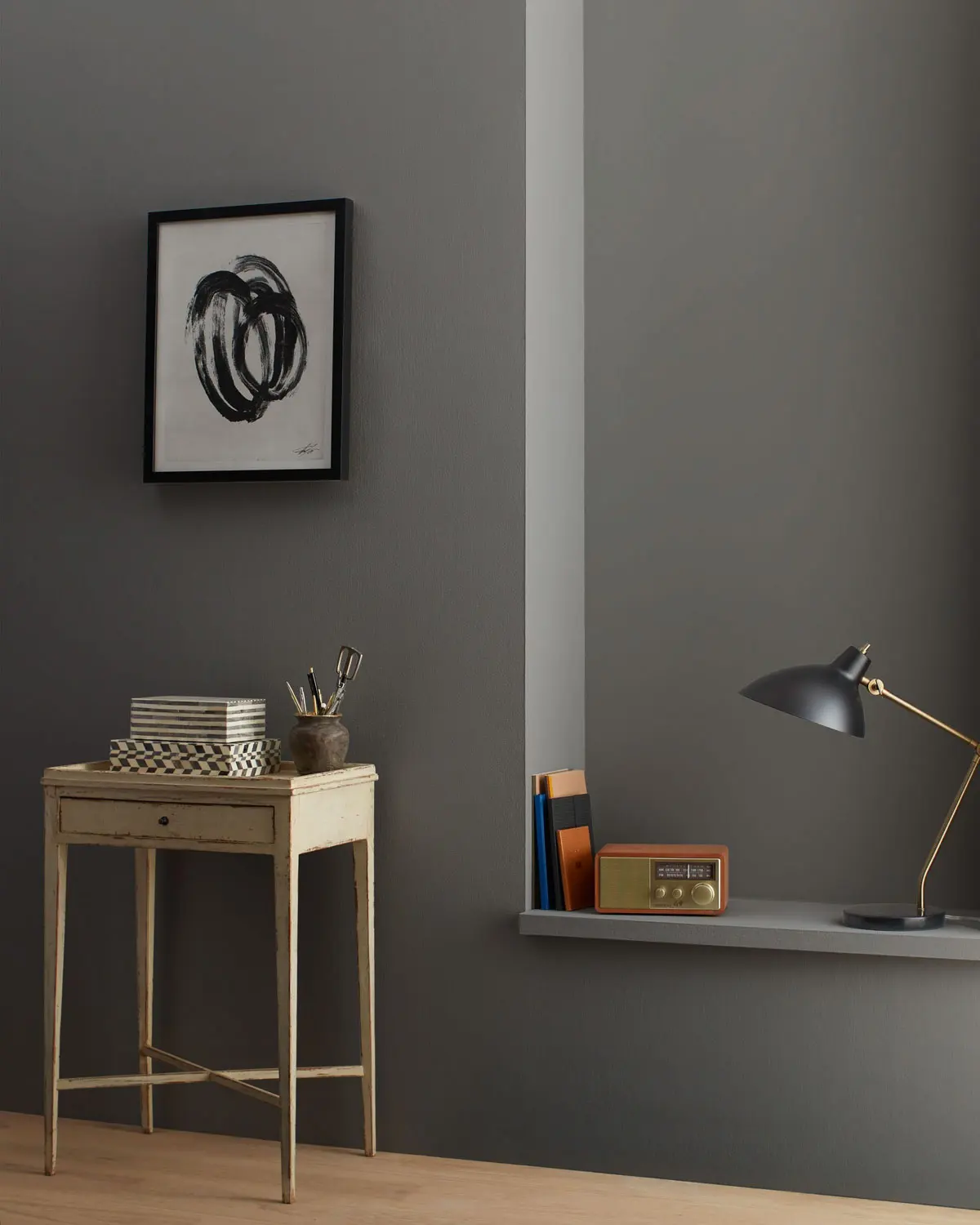
Creating a modern living room with charcoal gray requires a focus on texture and contrast. Because the base color is dark, you must introduce lighter elements to prevent the room from feeling flat. White is the most classic partner for charcoal, providing a stark, clean contrast that defines architectural lines. For a more luxurious feel, incorporate metallic elements that catch the light, such as polished chrome or brushed gold lamps and picture frames.
Consider these popular combinations for a contemporary aesthetic:
- Charcoal and Crisp White: Creates a sharp, high-contrast look that feels clean and professional.
- Charcoal and Blush Pink: Softens the intensity of the gray, adding a touch of warmth and femininity.
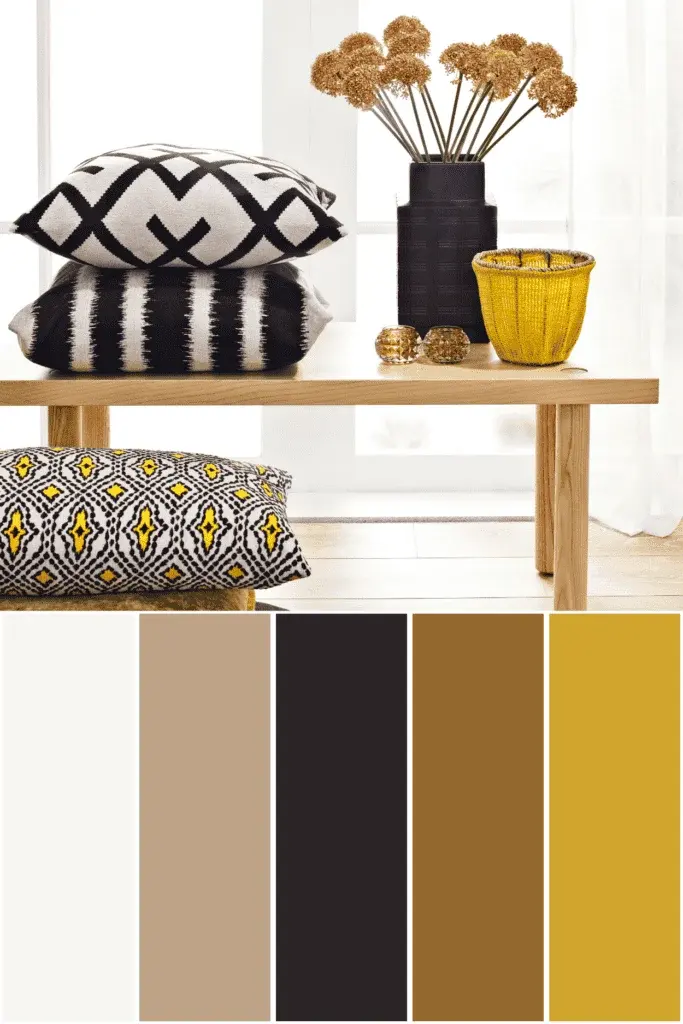
- Charcoal and Mustard Yellow: A bold, energetic pairing that adds a mid-century modern flair to the room.
- Charcoal and Emerald Green: Provides a moody, sophisticated atmosphere that feels both organic and high-end.

Why charcoal gray works well with natural materials
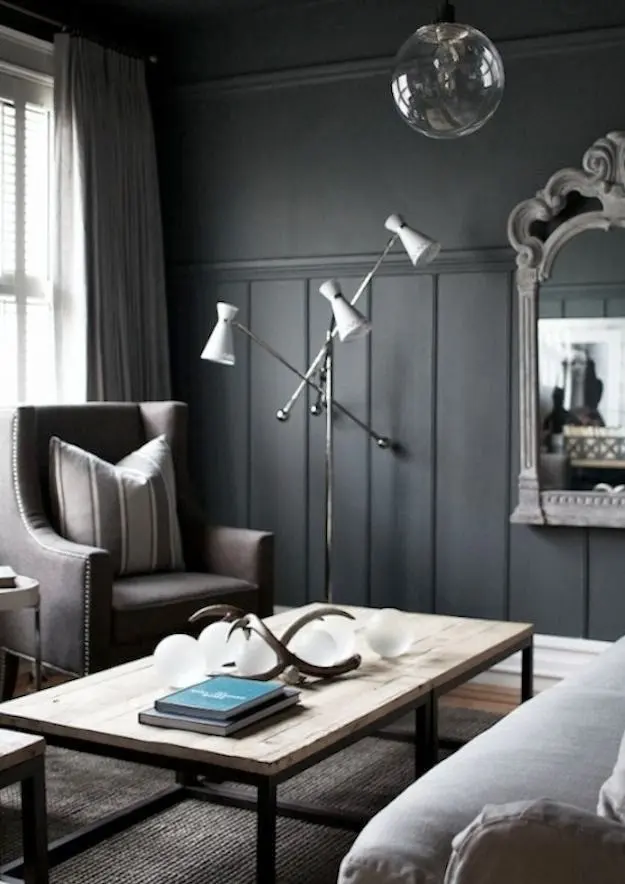
Charcoal gray acts as a bridge between industrial design and natural warmth. Because it is a neutral, it lacks the visual noise of brighter colors, allowing the textures of wood, stone, and leather to take center stage. For instance, a charcoal gray sofa paired with a light oak coffee table creates a balanced contrast between the cool, dark fabric and the warm, golden tones of the wood. This combination is a staple in Scandinavian design, where functionality and simplicity are prioritized.
When working with natural materials, focus on the grain and finish of the items you select. Matte charcoal surfaces work best with raw, unfinished woods, while glossy or velvet charcoal finishes pair beautifully with polished marble or dark leather. By layering these textures, you create a room that feels curated rather than clinical. The key is to ensure that the charcoal does not absorb all the light in the room, so always include natural wood tones to ground the space.
Common mistakes when decorating with charcoal gray
One of the most frequent mistakes when using charcoal gray is failing to account for lighting. In a room with limited natural light, painting all four walls charcoal can make the space feel like a cave. If your room lacks large windows, use charcoal as an accent wall or on furniture rather than covering every surface. Additionally, avoid using too many dark colors in a small space, as this will visually shrink the room and make it feel cramped.
Follow these steps to avoid common design pitfalls:
- Assess the natural light in your room before committing to a dark paint color.
- Mix textures; if you have a charcoal sofa, do not pair it with a charcoal rug of the same material.
- Avoid "muddy" colors; ensure your accent colors are distinct enough to stand out against the dark gray background.
- Incorporate mirrors or glass surfaces to bounce light around the room and break up the heavy appearance of the gray.
How to style charcoal gray in a bedroom
The bedroom is an ideal place for charcoal gray because its deep, muted tone promotes a sense of calm and restfulness. To keep the space from feeling too somber, layer your bedding with different shades of gray, starting with a dark charcoal duvet and adding lighter gray sheets and pillows. This monochromatic approach creates depth and comfort without needing a wide spectrum of colors. You can then introduce warmth through wood nightstands, woven baskets, or a plush wool rug.
Lighting is crucial in a charcoal bedroom to maintain a cozy, rather than gloomy, atmosphere. Use warm-toned light bulbs in your bedside lamps to soften the edges of the dark walls. If you want to introduce color, stick to muted, calming tones like sage green, lavender, or dusty blue. These colors harmonize with charcoal while maintaining the tranquil environment required for sleep. By focusing on soft textiles and warm, layered lighting, you can transform a charcoal bedroom into a sophisticated, peaceful sanctuary that feels both modern and deeply inviting.
Key facts
- Charcoal gray is a neutral shade that acts as a sophisticated anchor for both warm and cool color palettes.
- Pairing charcoal with crisp white creates a high-contrast, modern aesthetic that defines architectural lines.
- Incorporating metallic accents like brushed gold or copper adds warmth and luxury to a charcoal-dominated space.
- Soft pastels, such as blush pink or sage green, provide a gentle visual balance against the intensity of dark gray.
- Use charcoal as a base for bold, saturated colors like mustard yellow or electric blue to prevent the room from feeling flat.
- Avoid pairing charcoal with muddy or muted browns, as these can make a space feel dreary rather than cozy.
The bottom line
Charcoal gray is a versatile, sophisticated neutral that provides a perfect backdrop for almost any design style. By balancing its intensity with bright whites, warm metallics, or vibrant accent colors, you can create a space that feels both grounded and dynamic. Focus on layering textures and proper lighting to ensure your charcoal elements enhance the overall atmosphere rather than making the room feel dark or enclosed.
People also ask
Is charcoal gray considered a warm or cool color?
Charcoal gray is generally considered a cool neutral, though its undertones can shift depending on the specific pigment mix. Some versions lean toward blue or purple, while others may have subtle green or brown hints.
Can charcoal gray be used in small rooms?
Yes, charcoal gray can make a small room feel intimate and cozy rather than cramped. The key is to use it on a single accent wall or to ensure the space has excellent lighting to prevent it from feeling cave-like.
What textures work best with charcoal gray?
Natural textures like light-toned wood, wool, and linen work beautifully to soften the severity of charcoal. These materials add depth and prevent the dark color from feeling too industrial or sterile.
Should I use charcoal gray in a room with low natural light?
You can use it, but you must compensate with layered artificial lighting. Incorporate warm-toned lamps, floor lights, and mirrors to reflect light and prevent the dark gray from absorbing all the brightness in the room.
What is the difference between charcoal gray and black?
Charcoal is technically a very dark gray that contains more depth and softness than pure, flat black. It is more forgiving in interior design because it reflects slightly more light and pairs more easily with varied color schemes.
How do I choose the right shade of charcoal?
Test paint samples on different walls at various times of the day to see how the color reacts to changing light. Observe how the gray interacts with your existing furniture and flooring before committing to a full room application.
This answer was created with the help of AI research tools and reference sources. Spotted an error? Let us know — we correct mistakes quickly. See our editorial policy.