How is paper recycled?
Short answer
Paper recycling is a mechanical and chemical process that converts waste paper into new pulp. It involves collecting, sorting, pulping, de-inking, and refining fibers. Once cleaned and bleached, this pulp is pressed and dried into new paper sheets, conserving natural resources like wood, water, and energy compared to virgin production.
On this page
How paper is recycled step by step
The recycling process begins when paper is collected from homes and businesses and transported to a recovery facility. Workers and machines sort the paper by grade, separating cardboard from office paper or newsprint. Contaminants like plastic, glass, and metal are removed to ensure the quality of the final product.
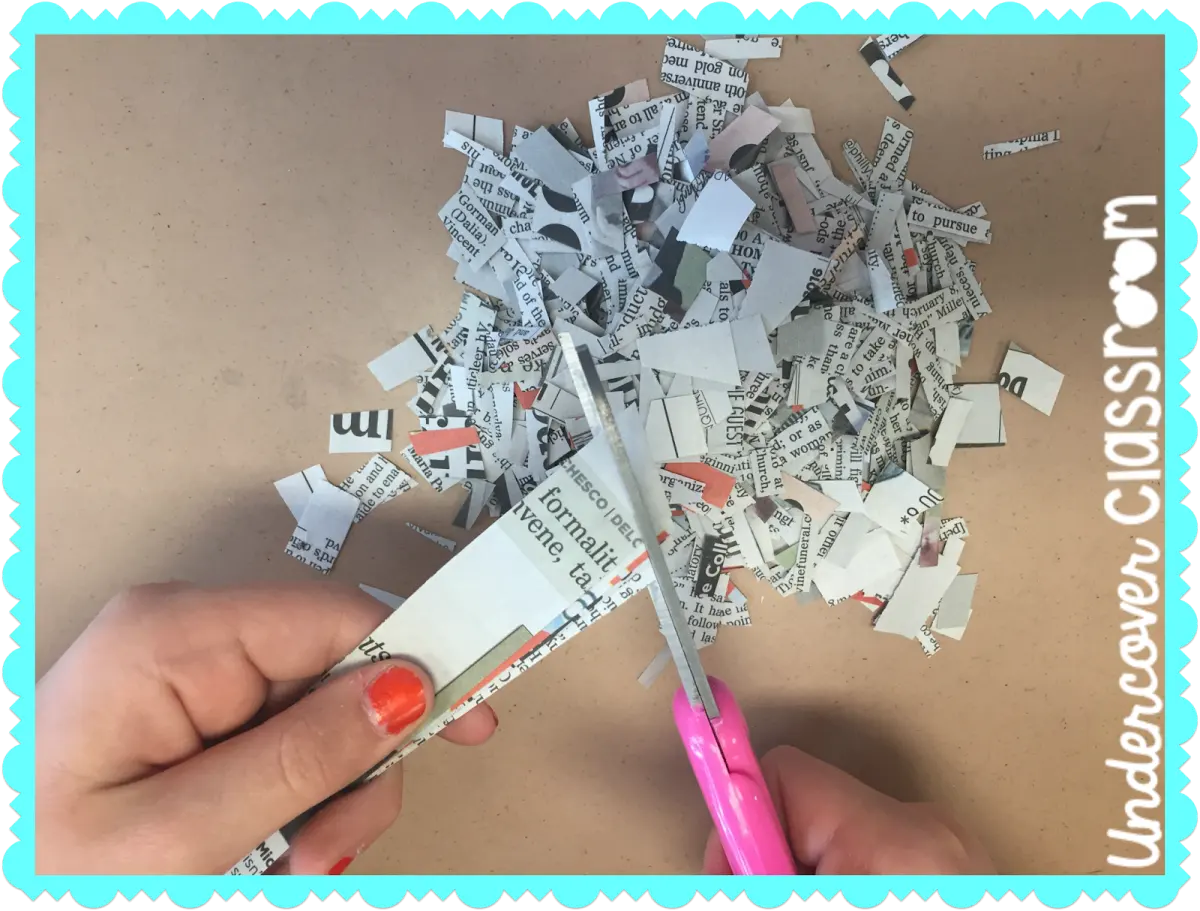
Once sorted, the paper is shredded and mixed with water and chemicals in a large vat called a pulper. This mechanical action breaks the paper down into a slurry of individual fibers. The resulting pulp undergoes a cleaning process to remove remaining staples, glue, and ink. The mixture is then screened and washed to create a clean, fiber-rich slurry ready for the paper machine.
- Collection and sorting by material grade.
- Pulping to break paper into individual fibers.
- De-inking and cleaning to remove contaminants.
- Bleaching to achieve desired brightness.
- Rolling and drying into new paper sheets.
How long does it take to recycle paper
The entire transformation from a discarded sheet to a new product typically takes between one and two weeks. This duration depends on the volume of material, the efficiency of the local facility, and the distance to the paper mill. Once the pulp is processed, the actual manufacturing of new paper happens in a continuous, high-speed cycle.
The process is remarkably efficient once the raw material reaches the mill. Large paper machines can produce thousands of feet of paper per minute. Because the fibers are already processed, recycling requires significantly less energy and water than harvesting trees and manufacturing virgin pulp. By keeping the supply chain moving, facilities ensure that paper products remain in the economy for as long as possible before the fibers become too short to reuse.
Why paper recycling is important for the environment
Recycling paper significantly reduces the demand for virgin wood pulp, which helps preserve forest ecosystems and biodiversity. Producing paper from recycled materials consumes approximately 40% less energy than using raw timber. Furthermore, the process uses far less water and results in fewer chemical emissions, as the heavy pulping and bleaching stages are already partially complete.
Beyond resource conservation, recycling paper prevents waste from accumulating in landfills. When paper decomposes in a landfill, it often releases methane, a potent greenhouse gas. By diverting this material, recycling facilities mitigate climate impacts and promote a circular economy. Every ton of recycled paper saves roughly 17 trees, 7,000 gallons of water, and 3 cubic yards of landfill space.
- Reduces the need for deforestation.
- Lowers energy consumption in manufacturing.
- Decreases water usage and pollution.
- Prevents methane emissions from landfills.
- Conserves landfill space for non-recyclables.
Common mistakes when recycling paper
One of the most frequent errors is placing contaminated paper into recycling bins. Items like greasy pizza boxes, used paper towels, or napkins cannot be recycled because the food residue and short fibers ruin the batch. Once oil or food particles contaminate a load of pulp, the entire shipment may be rejected by the mill.
Another common mistake is including non-paper items in the bin. Plastic films, bubble wrap, or items labeled as "compostable" often do not belong with paper recyclables. These materials clog machinery and decrease the value of the recovered paper. It is also important to avoid shredding paper into tiny pieces unless your local program specifically requests it, as small fragments are difficult to sort and often end up as trash.
- Avoid recycling greasy food containers.
- Do not include plastic-lined envelopes or wrappers.
- Keep paper dry to prevent mold growth.
- Remove heavy plastic windows from envelopes.
- Check local guidelines for shredded paper policies.
Best practices for beginners to recycle paper
To ensure your paper is successfully recycled, start by keeping it clean and dry. Store your recyclables in a designated bin away from moisture, as wet paper fibers lose their structural integrity and become difficult to process. If you are unsure whether an item is recyclable, consult your local municipality’s website for a list of accepted materials.
When preparing your items, flatten cardboard boxes to save space in the collection truck and the storage facility. Remove any tape, staples, or plastic inserts whenever possible, although modern mills can handle small amounts. By following these simple habits, you help maintain the quality of the recycling stream and ensure that your paper waste is successfully converted into useful new products like notebooks, packaging, or newsprint.
Key facts
- Paper fibers can generally be recycled five to seven times before they become too short to form a new sheet.
- Removing staples and paper clips is helpful but not strictly required, as industrial magnets and screens remove them during the pulping process.
- Greasy pizza boxes should be composted or trashed rather than recycled because food oils contaminate the paper recycling stream.
- Shredded paper is difficult for sorting facilities to process and often ends up as landfill waste; it is better to keep paper whole.
- Recycling one ton of paper saves approximately 17 trees, 7,000 gallons of water, and 463 gallons of oil.
- Paper with a glossy or metallic finish often contains plastic coatings that make it non-recyclable in standard municipal programs.
The bottom line
Recycling paper is a vital process that conserves natural resources and reduces the energy required for manufacturing. By keeping paper clean, dry, and free of food contaminants, you ensure that fibers remain high-quality for reuse. While technology handles many sorting tasks, your diligence in avoiding non-recyclable items like greasy boxes or thermal receipts significantly improves the efficiency and success of local municipal recycling programs.
People also ask
Can I recycle paper that has been wet?
Wet paper fibers are often degraded and can cause mold growth during storage, which ruins entire batches of recyclables. It is best to discard paper that has been soaked in water or contaminated by liquids.
Why are receipts often not recyclable?
Many modern receipts are printed on thermal paper coated with bisphenol A (BPA) or bisphenol S (BPS). These chemicals contaminate the recycling process and are difficult to remove, so they should be placed in the trash.
Does the color of the paper matter?
Yes, colored paper is often dyed with stronger pigments that are difficult to bleach out during the de-inking process. White office paper is the most valuable and easiest to process into new high-quality products.
What happens to the ink during recycling?
During the pulping stage, the paper is mixed with water and chemicals to create a slurry. Air bubbles are then injected into the mixture, causing the ink to attach to the bubbles and float to the top where it is skimmed away.
Are envelopes with plastic windows recyclable?
Most modern recycling facilities can handle small amounts of plastic, such as the windows on envelopes. However, if you want to be extra helpful, tearing the window off is a simple way to ensure the paper is processed efficiently.
Why is cardboard recycled differently than office paper?
Cardboard is made of thicker, longer fibers that are better suited for packaging materials like boxes. Office paper uses shorter fibers designed for printing, so they are kept in separate streams to maintain the quality of the final recycled products.
This answer was created with the help of AI research tools and reference sources. Spotted an error? Let us know — we correct mistakes quickly. See our editorial policy.