What is scale in art?
Short answer
Scale in art refers to the size of an object or artwork relative to the human body or other objects within its environment. It serves as a fundamental principle of design, used by artists to establish visual hierarchy, create dramatic impact, or convey specific messages about the importance or power of a subject.
On this page
What is the difference between scale and proportion
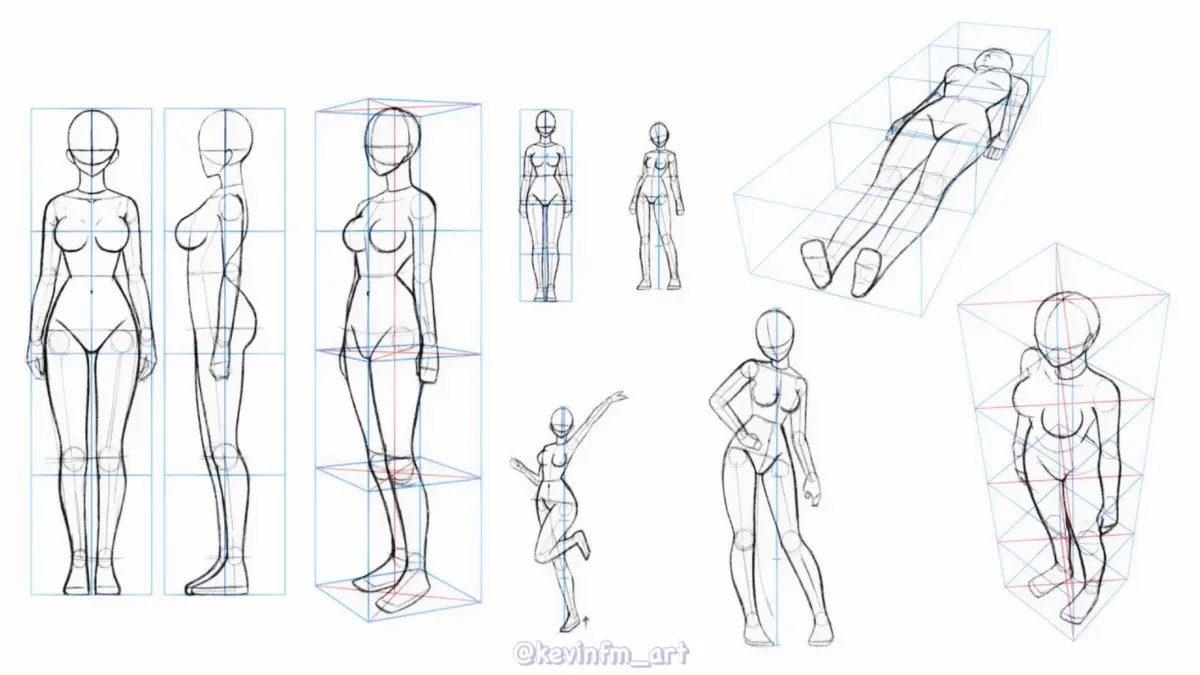
While often used interchangeably, scale and proportion are distinct concepts. Scale refers to the absolute size of an artwork or its elements compared to a standard, such as the human figure or the surrounding architecture. Proportion, conversely, describes the relationship between the various parts of a single object or composition. An artist might use scale to make a statue appear monumental, while using proportion to ensure the limbs of the figure look realistic.
Understanding these definitions is essential for analyzing how art interacts with space. A sculpture may be small in scale but possess complex internal proportions, or it may be massive in scale with simplified, exaggerated proportions. By manipulating these two elements, creators dictate how viewers perceive the significance of a piece. When an object is larger than life, it often commands authority or reverence, whereas smaller objects invite intimacy and close observation.
How artists use scale to create emphasis
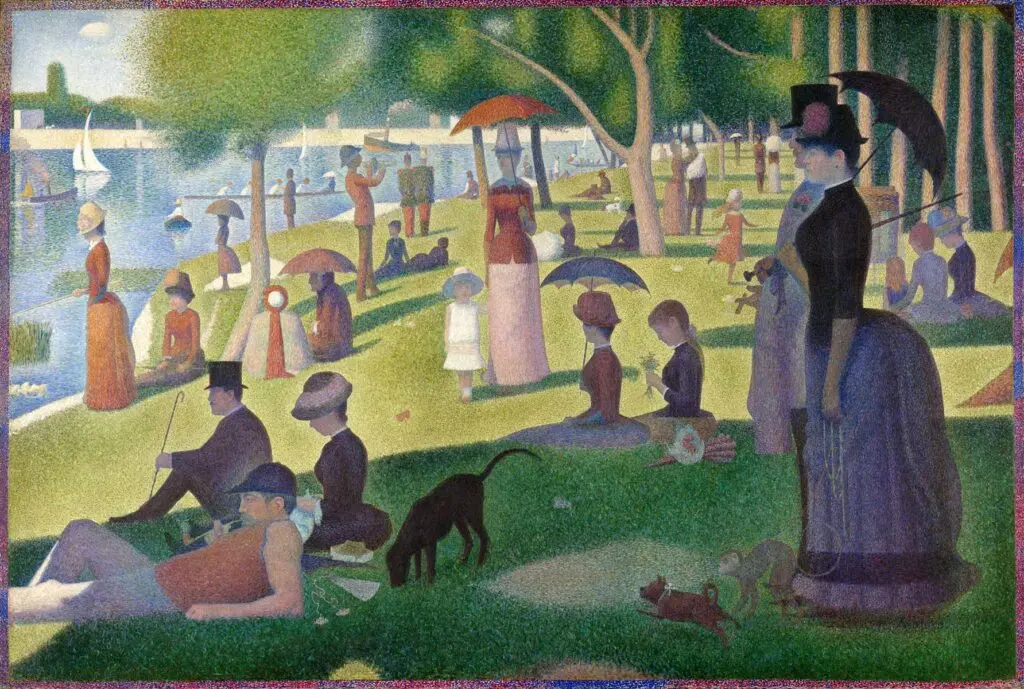
Artists frequently employ scale to guide the viewer’s eye and emphasize the most important parts of a composition. This technique, known as hierarchical scale, has been used for centuries to denote status or religious significance. In medieval art, for example, figures of saints or monarchs were often depicted much larger than common people to signal their elevated importance. This departure from realistic sizing ensures that the narrative focus remains clear regardless of the surrounding details.
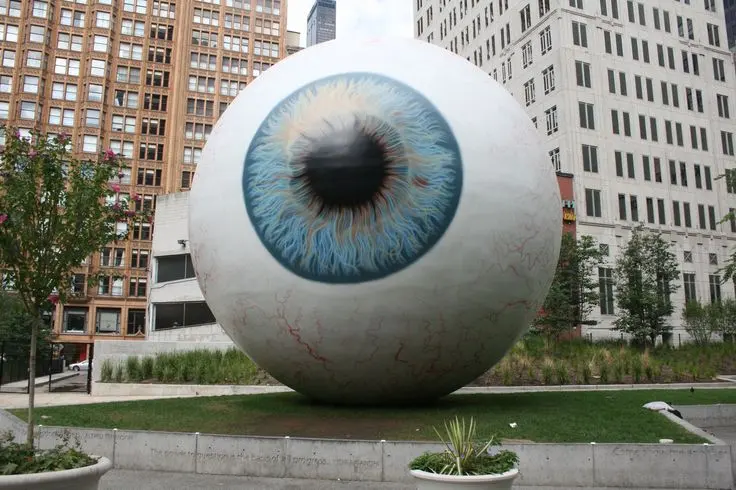
Modern and contemporary artists continue to use scale to challenge our perceptions of everyday objects. By taking a mundane item and enlarging it to an extreme degree, artists force the audience to reconsider the object's utility and aesthetic value. Consider these common ways scale is manipulated:
- Monumental scale: Creating massive works to dominate a landscape or public square.
- Miniature scale: Crafting tiny, detailed works that require the viewer to step closer.
- Forced perspective: Using scale to trick the eye into seeing depth or distance that does not exist.
- Hierarchical scale: Resizing elements based on their symbolic importance rather than physical reality.
Why scale matters in public art installations
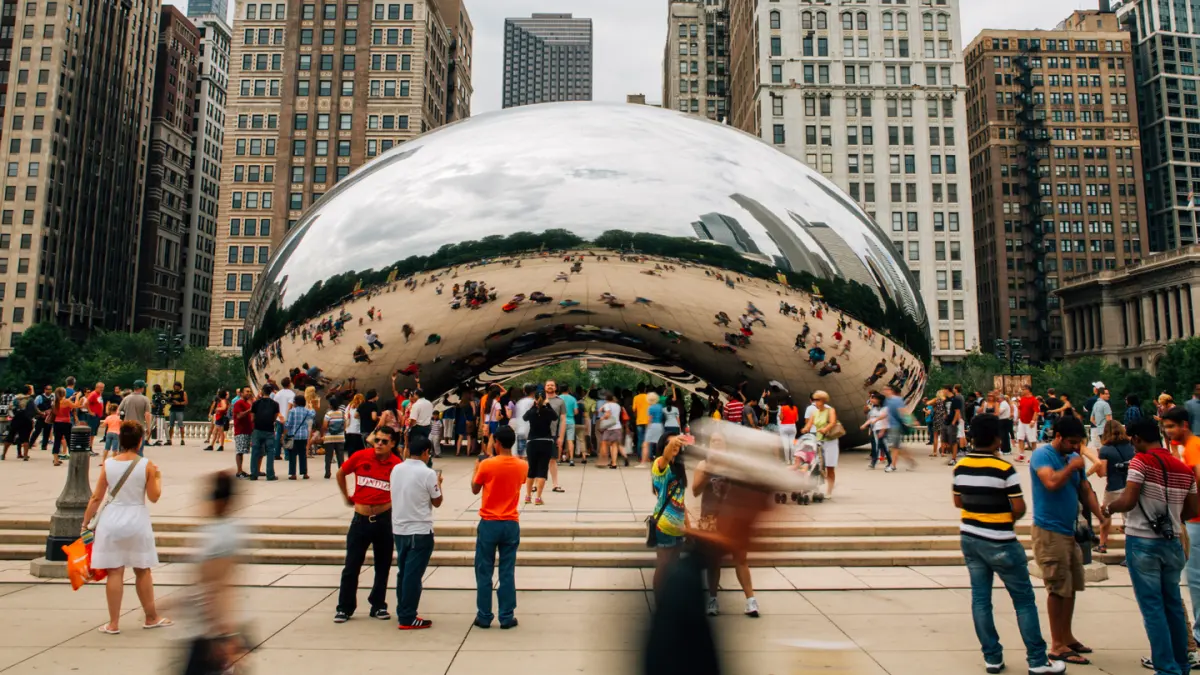
Scale is perhaps the most critical factor in the success of public art. A sculpture placed in a vast plaza must have a scale that corresponds to the surrounding architecture, or it risks appearing insignificant or visually lost. If a work is too small, it fails to engage the public; if it is too large, it may overwhelm the environment or create safety concerns. Successful public installations often use scale to bridge the gap between the viewer and the urban landscape.
When planning a large-scale project, artists must consider the "human scale." This refers to dimensions that feel comfortable or relatable to a person standing nearby. Architects and sculptors often use the following steps to determine appropriate scale:
- Measure the height and width of the site's surrounding structures.
- Create a small-scale model or maquette to test how the object occupies space.
- Use digital renderings to visualize the work from the perspective of a pedestrian.
- Adjust the dimensions to ensure the piece creates a focal point without obstructing necessary traffic flow.
Common mistakes when using scale in art
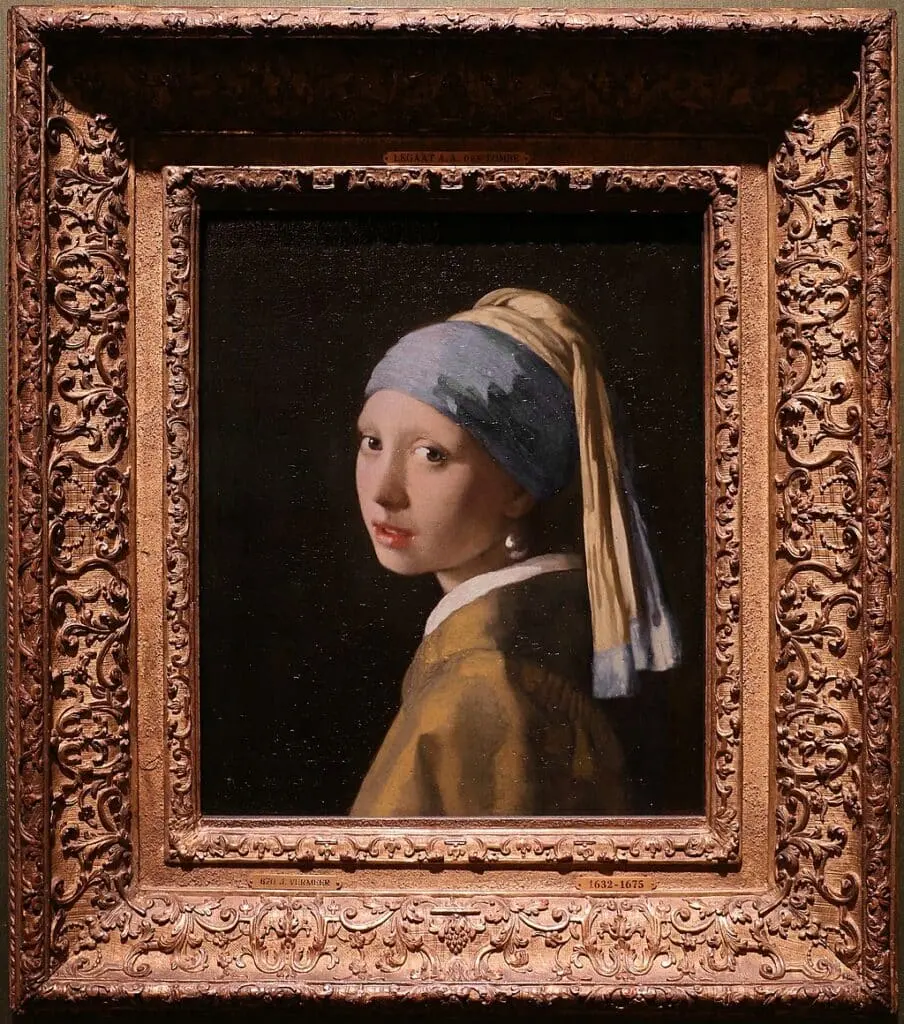
One of the most frequent errors artists make is failing to consider the viewing distance of their work. A painting or sculpture that looks perfectly scaled in a studio may appear distorted or tiny when moved to a gallery or an outdoor setting. This is often due to the "law of diminishing returns," where the impact of a piece is lost as the distance between the viewer and the object increases. Artists must account for the physical space surrounding their work.
Another common mistake is inconsistent scaling within a single composition. If the scale of various elements does not follow a logical or intentional pattern, the artwork can feel disjointed or chaotic. To avoid these issues, consider these practical tips:
- Always test your work in a space that mimics the final installation environment.
- Use a consistent baseline for scaling, such as the average height of a human, to maintain coherence.
- Avoid "scale creep," where elements are added without regard for their impact on the overall size relationship.
- Pay attention to the negative space around the object, as the surrounding void also influences how the scale is perceived.
How to practice scale in your own work
Developing an eye for scale requires practice and experimentation. You can begin by sketching the same subject at three different scales: miniature, life-size, and monumental. By observing how your perception of the subject changes as you alter its size, you will gain a deeper understanding of how scale influences emotional response. This exercise helps you move beyond simple representation and into the realm of intentional design.
To further refine your skills, try working with found objects to create assemblages. By placing a small, delicate item next to a large, heavy one, you can explore the tension created by contrasting scales. When you are ready to apply these concepts to larger projects, follow this simple workflow:
- Identify the primary subject of your piece.
- Determine the intended emotional reaction, such as awe, curiosity, or comfort.
- Select a scale that supports that emotion.
- Review the composition from multiple angles to ensure the scale remains effective throughout the entire viewing experience.
Key facts
- Scale refers to the size of an object in relation to a constant, such as the human body or the surrounding environment.
- Hierarchical scale is a technique where the most important figure in a composition is depicted larger than others, common in ancient Egyptian art.
- Claes Oldenburg is famous for his "pop art" sculptures that take mundane objects, like a clothespin or a spoon, and enlarge them to monumental proportions.
- Miniature art, such as the intricate carvings on a grain of rice, utilizes extreme small-scale to demonstrate technical precision and focus.
- When planning a drawing, use a viewfinder to establish the scale of your subject relative to the paper boundaries before sketching.
- A common mistake is "scale creep," where an artist accidentally increases the size of elements as they progress, leading to an unbalanced composition.
The bottom line
Scale is a fundamental tool that artists use to dictate how we perceive the importance, power, and intimacy of a subject. By manipulating the size of objects relative to the viewer or their environment, artists can create dramatic narratives or quiet, contemplative moments. Mastering scale requires an understanding of ratios, consistent measurement, and the intentional use of space to guide the viewer’s experience effectively.
People also ask
What is the difference between scale and proportion?
Scale refers to the size of an object relative to a standard, while proportion refers to the relationship of the sizes of different parts within a single object. For example, a giant statue has a large scale, but its head must be in correct proportion to its body to look realistic.
How does scale affect the viewer's emotional response?
Large-scale works, such as the Statue of Liberty, often evoke feelings of awe, power, or intimidation. Conversely, small-scale works encourage intimacy and close inspection, forcing the viewer to slow down and engage with fine details.
Why do artists use forced perspective?
Forced perspective is a technique that manipulates scale to make objects appear larger, smaller, closer, or farther away than they actually are. This is frequently used in photography and film to create optical illusions, such as a person appearing to hold the Eiffel Tower between their fingers.
How can I maintain consistent scale in a multi-figure drawing?
Establish a "unit of measurement," such as the length of a head, and use it to gauge the height of every figure in your scene. If one figure is seven heads tall, ensure all other standing figures follow that same ratio to maintain visual consistency.
Does scale only apply to physical objects?
No, scale also applies to two-dimensional works like paintings and digital designs. In these formats, scale is determined by the size of the canvas or screen and the relative size of the elements depicted within that frame.
What is the "golden ratio" and how does it relate to scale?
The golden ratio is a mathematical proportion of approximately 1.618 often found in nature and used by artists to create aesthetically pleasing compositions. It provides a blueprint for scaling elements in a way that feels balanced and harmonious to the human eye.
This answer was created with the help of AI research tools and reference sources. Spotted an error? Let us know — we correct mistakes quickly. See our editorial policy.