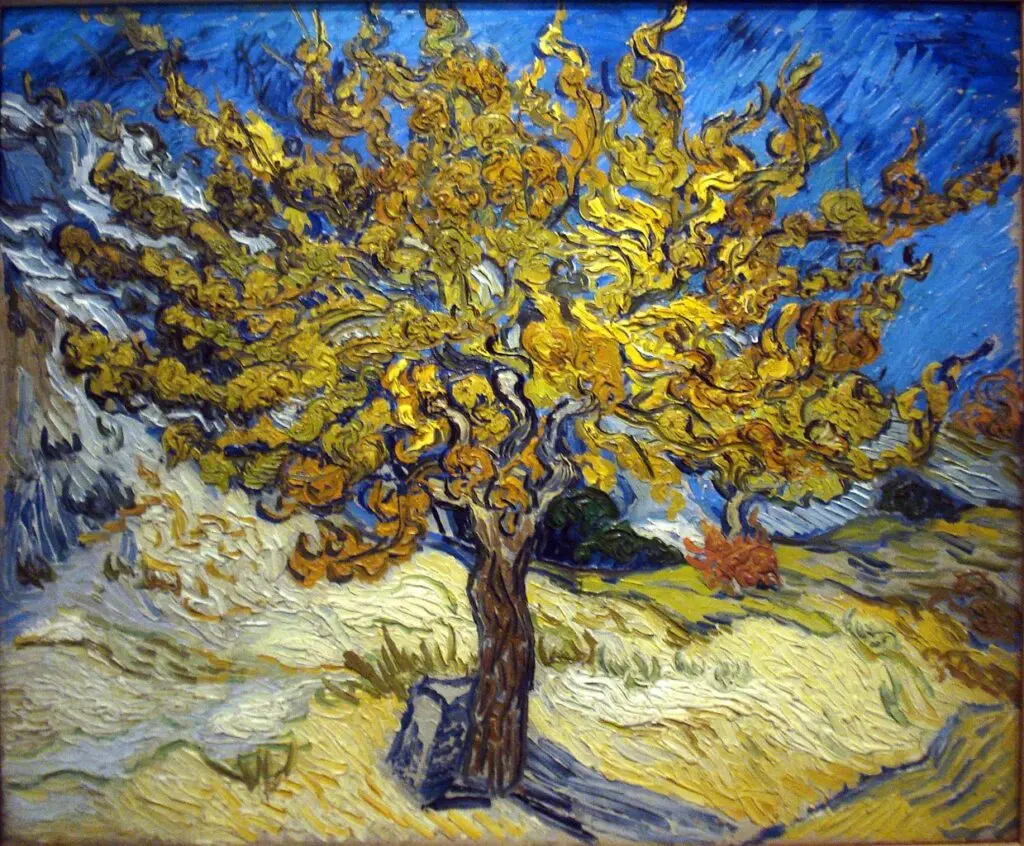
What is emphasis in art?
Short answer
Emphasis is a fundamental principle of design used to create a focal point in a work of art. It draws the viewer’s eye to a specific area, ensuring that the composition has a clear hierarchy. By manipulating elements like color, scale, and contrast, artists guide the audience’s attention toward their primary subject.
On this page
How to create emphasis in art
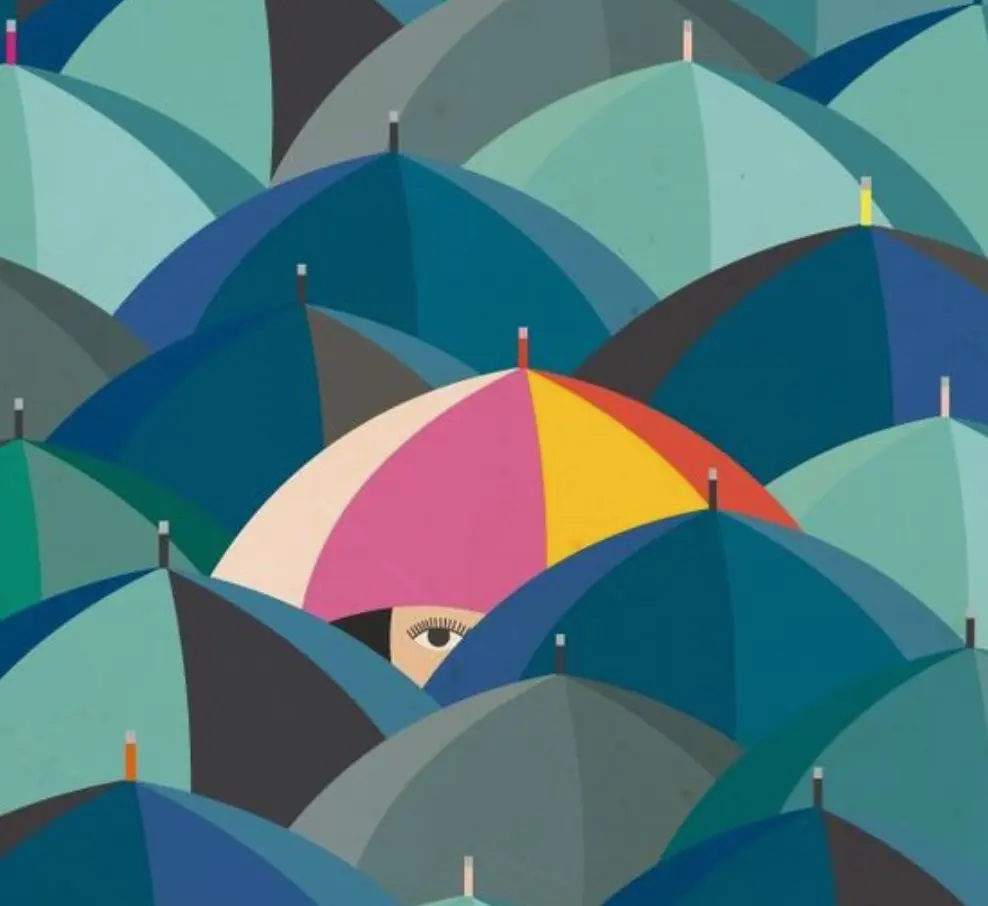
Artists establish emphasis by intentionally breaking the patterns or consistency within a composition. When everything in a piece of art is equally bold or detailed, the viewer’s eye struggles to find a place to rest, leading to visual confusion. By isolating one element, you create a destination for the viewer’s gaze. This is often referred to as the "focal point," which serves as the anchor for the entire image.
There are several reliable methods to achieve this effect effectively:
- Contrast: Use opposing values, such as placing a bright white object against a deep black background.
- Isolation: Position a single subject apart from a group of similar objects.
- Placement: Locate the most important element near the center or along a strong compositional line.
- Scale: Make the most significant subject significantly larger or smaller than the surrounding elements.
- Detail: Apply high levels of texture or intricate patterns to one area while keeping other sections simple.
Why emphasis is important for composition
Without emphasis, an artwork lacks a clear narrative or objective, often appearing as a disorganized collection of shapes and colors. A well-defined focal point acts as a visual entry door, inviting the viewer into the piece and establishing a logical path for them to follow. This hierarchy is essential for effective communication, whether the goal is to tell a story, evoke an emotion, or highlight a specific product in a commercial design.
Historically, artists have used these techniques to guide the viewer through complex scenes. For example, in Leonardo da Vinci’s "The Last Supper" (1495–1498), the architecture of the room and the positioning of the figures all converge on the central figure of Jesus. By manipulating perspective and light, Da Vinci ensured that the viewer’s attention is directed immediately to the center of the table, reinforcing the narrative importance of the subject matter.
Common mistakes when using emphasis
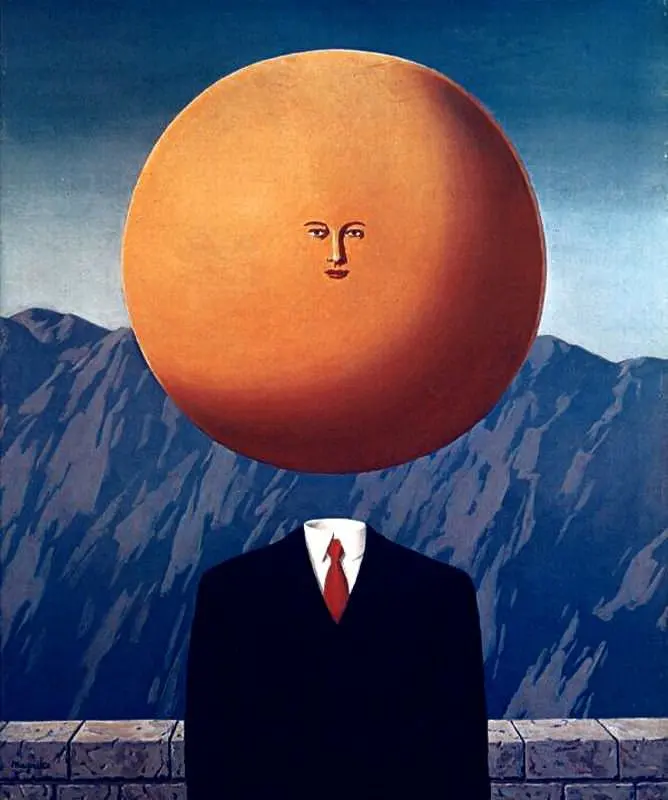
One of the most frequent errors artists make is creating too many focal points. When an artist tries to make every element "stand out," the result is visual noise where nothing truly captures the viewer’s attention. This phenomenon is often called "competing emphasis," and it forces the eye to jump erratically across the canvas without finding a satisfying resolution. Beginners should focus on establishing one primary focal point before attempting secondary areas of interest.
Another common mistake is placing the focal point too close to the edge of the frame. When a subject is positioned right against the border, the eye tends to exit the composition rather than staying engaged with the work. To avoid this, artists often use the "Rule of Thirds," which suggests placing the focal point at the intersection of lines that divide the canvas into a three-by-three grid. This placement creates a more natural and balanced visual flow.
Best tools for creating emphasis
The tools used to create emphasis vary depending on the medium, but the underlying logic remains consistent. In painting, color temperature is a powerful tool; a warm color like red or orange will naturally advance toward the viewer, while cool blues and greens recede. By placing a warm-toned subject against a cool-toned background, an artist can create an immediate sense of depth and focus without needing to rely on complex drawing skills.
In photography and graphic design, tools like depth of field and typography play a major role:
- Adjust the aperture to blur the background, which isolates the subject in sharp focus.
- Use bold, heavy fonts for headlines while keeping body text thin and neutral.
- Utilize negative space, or white space, to frame the subject and prevent clutter.
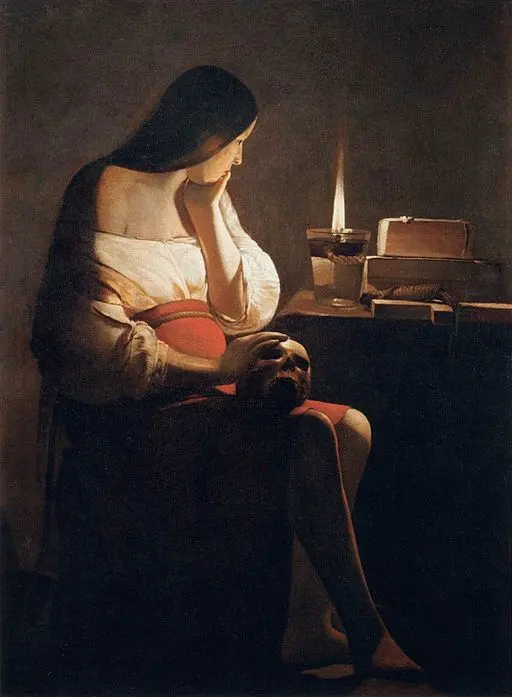
- Apply directional lighting to illuminate the main subject while casting secondary areas in shadow.
How to evaluate your focal point
To determine if your emphasis is successful, use the "squint test." By squinting at your artwork, you blur the details and see only the largest shapes and values. If you cannot immediately identify which area is the most important, your composition likely needs more contrast or a stronger hierarchy. This simple technique helps you detach from the specific details and view the work as a structural whole, making it easier to spot areas that are distracting or poorly placed.
You can also try flipping your image horizontally or viewing it in a mirror. This "fresh eyes" approach allows you to see the composition from a new perspective, often revealing if the focal point is being pulled away by an accidental area of high contrast or an overly busy background. If the eye is drawn to a corner or a secondary object first, you should adjust the values or simplify the surrounding details until the primary subject regains its position as the clear center of interest.
Key facts
- Emphasis is a principle of design that creates a focal point to draw the viewer’s eye to a specific area of an artwork.
- Artists achieve emphasis through contrast, such as placing a bright, warm color against a dark, cool background.
- Isolation is a common technique where a single object is separated from a group to make it stand out immediately.
- Scale and proportion are powerful tools; making one element significantly larger than others forces it to become the dominant feature.
- Placing an object in the center of the composition, known as the rule of thirds or central placement, creates an instant focal point.
- Avoid "visual clutter" by ensuring only one or two areas have high emphasis, as too many focal points confuse the viewer.
The bottom line
Emphasis is the essential design principle that dictates where a viewer looks first within an artwork. By strategically using contrast, scale, placement, and isolation, artists guide the eye and communicate their primary message effectively. Mastering this technique requires restraint; by establishing a clear hierarchy of visual interest, you ensure your composition remains cohesive, impactful, and easy to navigate for any audience viewing your creative work.
People also ask
How do I create emphasis without using bright colors?
You can use high-contrast textures, such as placing a rough, impasto-painted surface next to a smooth, flat area. Alternatively, use directional lines or gaze lines that lead the viewer's eye toward your intended focal point.
Can an artwork have more than one focal point?
Yes, but it is best to establish a hierarchy where one point is dominant and others are secondary. If every part of the image competes for attention, the viewer will not know where to look first.
What is the difference between emphasis and focal point?
Emphasis is the overall principle of design used to create importance, while the focal point is the specific area or object that results from that emphasis. Think of emphasis as the strategy and the focal point as the result.
Does negative space play a role in emphasis?
Absolutely, as surrounding an object with empty or "negative" space isolates it and forces the viewer to focus on that subject. This technique is often used in minimalist art to create a sense of importance.
Why does my painting feel disorganized despite having a focal point?
You may have too many secondary elements that are equally bold, which dilutes the impact of your main subject. Try muting the colors or softening the edges of peripheral objects to push them into the background.
How does lighting affect emphasis in realistic drawing?
Chiaroscuro, the strong contrast between light and dark, is the most effective way to create emphasis. By placing your brightest highlights next to your deepest shadows, you create a dramatic pull that anchors the viewer's gaze.
This answer was created with the help of AI research tools and reference sources. Spotted an error? Let us know — we correct mistakes quickly. See our editorial policy.