What is rhythm in art?
Short answer
Rhythm in art is the principle of design that creates a sense of movement by repeating visual elements like lines, shapes, or colors. Much like a musical beat, it guides the viewer’s eye across a composition, establishing a predictable pattern or a dynamic flow that dictates how the artwork is perceived.
On this page
What is the definition of rhythm in art?
Rhythm is a fundamental design principle that organizes visual elements to create a path for the viewer's gaze. By repeating specific motifs—such as geometric shapes, brushstrokes, or color palettes—an artist establishes a cadence that directs attention across the canvas. This technique mimics the structure found in music, where recurring notes create a recognizable flow. Without rhythm, a composition may feel stagnant or chaotic, as the viewer lacks a clear sequence to follow.
The effectiveness of rhythm relies on the relationship between the repeated elements and the empty space surrounding them. When these elements are placed at consistent intervals, they create a steady, predictable beat. Conversely, varying the distance between elements or changing their size introduces a faster, more energetic pace. Whether the rhythm is subtle or aggressive, it serves as the underlying structure that holds a complex image together, providing both unity and visual interest.
How to create rhythm in a composition
Artists employ several distinct types of rhythm to control how a viewer experiences their work. Regular rhythm is the simplest form, involving the repetition of elements at uniform intervals, such as the evenly spaced columns in a classical building. Alternating rhythm introduces a back-and-forth pattern, like a checkerboard, which adds complexity. Progressive rhythm shows a sequence where an element changes size, shape, or color in a step-by-step manner, creating a sense of growth or movement.
To implement these rhythms effectively, follow these steps:
- Identify a primary motif, such as a specific shape or line weight, to repeat throughout the piece.
- Determine the desired pace by adjusting the spacing between your motifs; tighter spacing creates a faster, more urgent rhythm.
- Introduce variations in size or orientation to prevent the pattern from becoming overly monotonous.
- Use color or value shifts to emphasize the path you want the viewer’s eye to travel.
Why rhythm is important for visual balance
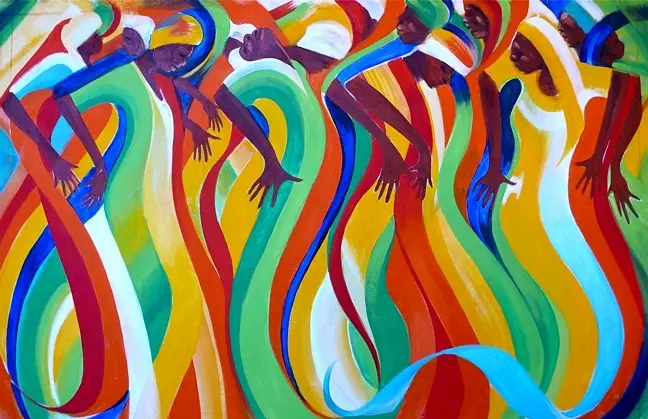
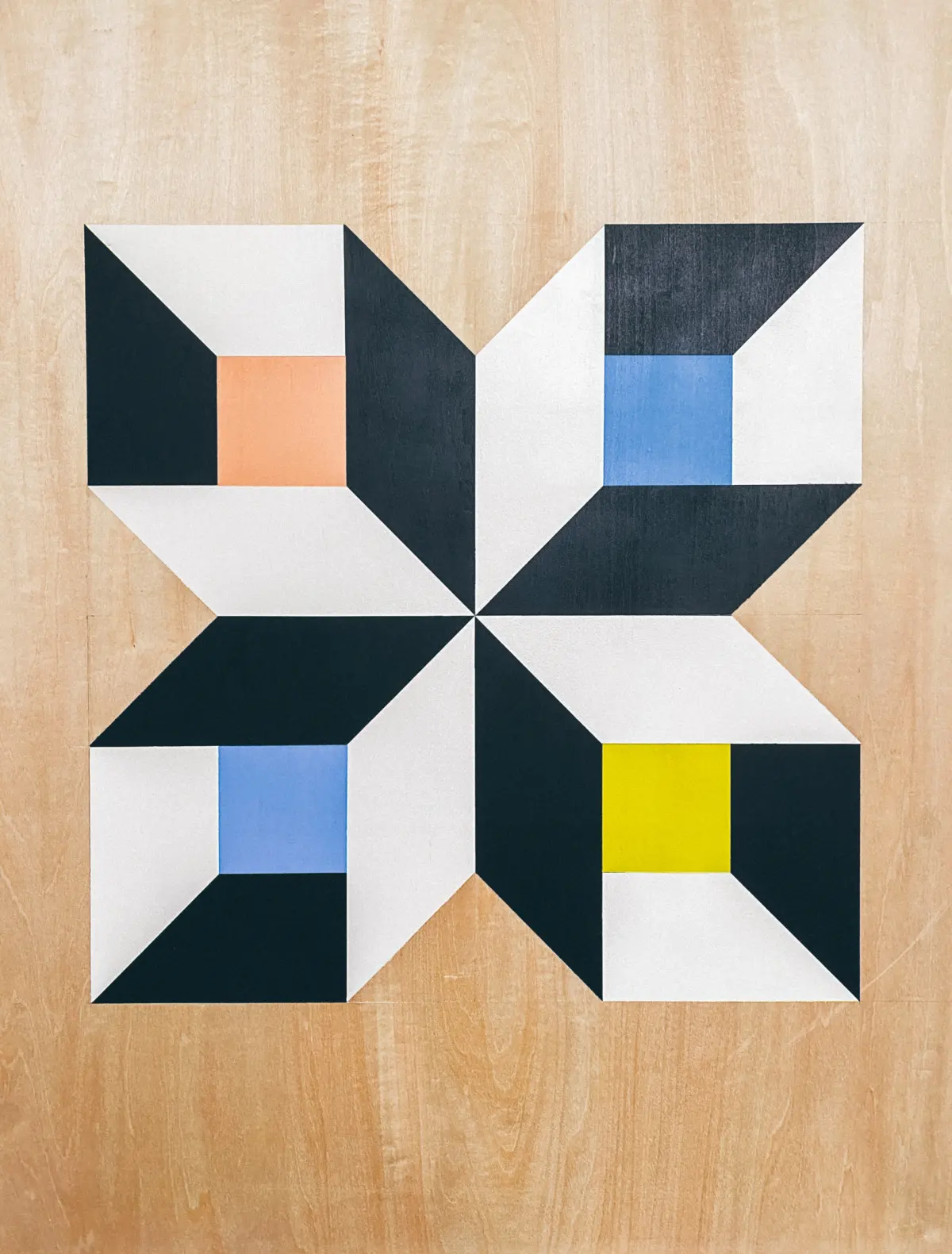
Rhythm is essential because it prevents the viewer's eye from becoming trapped in one area of a painting. By distributing visual weight through repetition, an artist ensures that the entire composition feels connected and intentional. This distribution is particularly important in large-scale works or murals, where the sheer size of the surface can lead to disjointed sections if no rhythmic flow is established. Rhythm acts as an invisible thread that ties the background to the foreground.
Furthermore, rhythm contributes to the overall mood of a piece. A flowing, curvilinear rhythm often evokes feelings of grace, nature, or tranquility, as seen in the works of Art Nouveau artists like Alphonse Mucha. In contrast, jagged, staccato rhythms created by sharp angles and high-contrast colors can convey tension, anxiety, or industrial energy. By selecting a specific rhythmic style, an artist can manipulate the emotional response of the audience, making the work feel either harmonious or intentionally unsettling.
Common mistakes when using rhythm
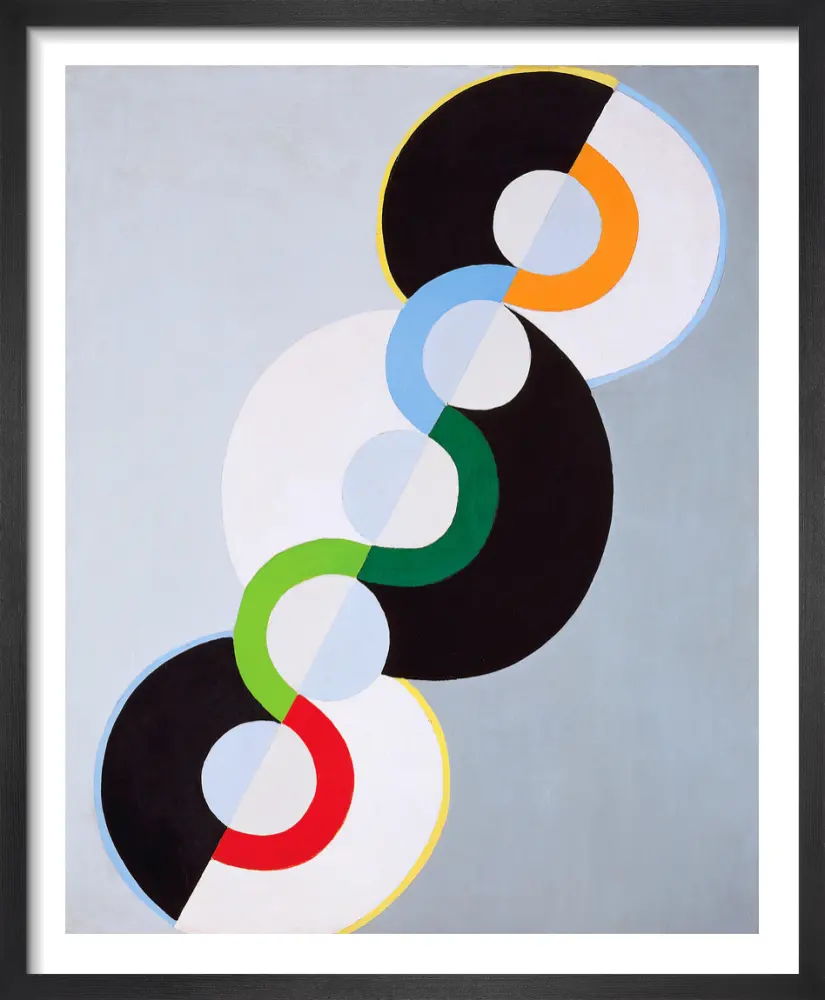
One frequent error is creating a rhythm that is too predictable, which can lead to visual boredom. When elements are repeated with exact mathematical precision across the entire canvas, the viewer may stop engaging with the work because the pattern becomes too easy to decode. To avoid this, artists should introduce "breaks" or "rests" in the rhythm. These are areas of negative space or unique focal points that disrupt the pattern, forcing the viewer to pause and re-engage with the composition.
Another common pitfall is over-complicating the rhythm by using too many different motifs. When an artist repeats several unrelated shapes or colors simultaneously, the rhythm becomes cluttered and difficult to follow. This leads to visual noise rather than a coherent path. To correct this, stick to a limited set of elements and focus on varying their placement rather than their variety. If the rhythm feels confusing, simplify the design by removing secondary patterns until the primary movement becomes clear and intuitive.
Best examples of rhythm in art history
Art history provides numerous examples of how rhythm can define a masterpiece. Vincent van Gogh’s The Starry Night (1889) is a prime example of fluid, progressive rhythm. The swirling, repetitive brushstrokes create a sense of constant motion that draws the eye across the night sky in a rhythmic, wave-like fashion. This movement is not static; it accelerates and decelerates, mirroring the emotional intensity of the scene. The repetition of the yellow stars against the blue swirls provides a secondary rhythmic counterpoint that keeps the composition balanced.
Other notable examples include:
- The repetitive, rhythmic lines in M.C. Escher’s tessellations, which create a sense of infinite movement.
- The use of architectural columns in Canaletto’s Venetian scenes, which establish a deep, linear perspective.
- The rhythmic placement of figures in Edgar Degas’s paintings of dancers, which suggests the movement of a live performance.
- The sharp, staccato shapes in Cubist works by Pablo Picasso, which create a jagged, energetic rhythm that reflects the fragmented nature of modern life.
Key facts
- Rhythm is the principle of design that uses repeating elements to create a visual tempo or beat.
- Artists achieve rhythm through the repetition of lines, shapes, colors, or textures across a composition.
- Regular rhythm occurs when elements are spaced at identical intervals, creating a predictable and calm effect.
- Progressive rhythm shows a sequence of forms that change size or shape, guiding the viewer's eye across the work.
- Flowing rhythm uses curving lines or organic shapes to mimic the movement of water or wind.
- A common mistake is creating "staccato" rhythm, where too many clashing elements create visual chaos instead of a cohesive path.
The bottom line
Rhythm is the visual heartbeat of a composition, achieved by strategically repeating elements to guide the viewer’s eye. By utilizing regular, progressive, or flowing arrangements, artists transform static surfaces into dynamic experiences. Whether through architectural columns or brushstrokes on a canvas, mastering rhythm allows you to control the pace of the narrative, ensuring your work feels purposeful, balanced, and engaging to those who view it.
People also ask
How does rhythm differ from pattern?
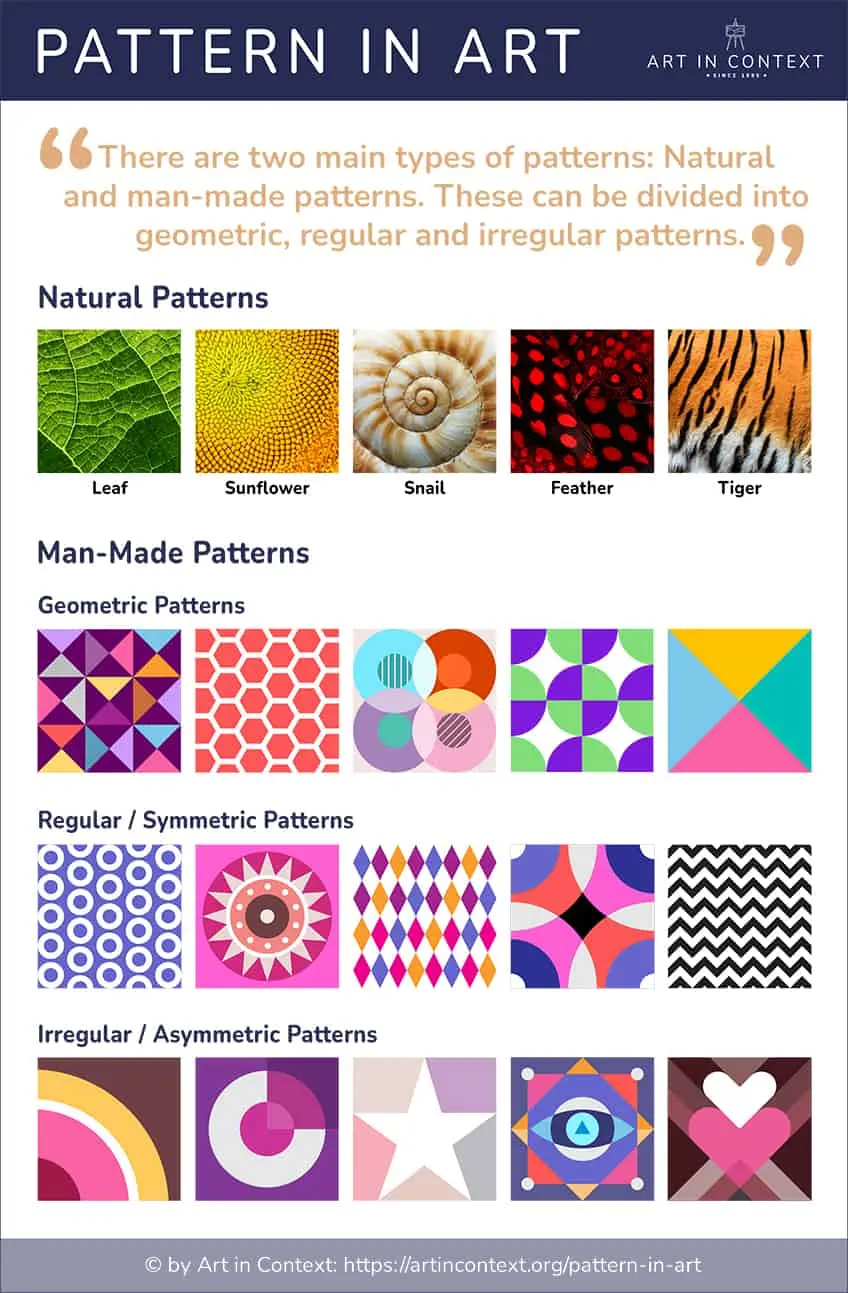
Pattern is a static, repetitive arrangement of motifs, while rhythm implies a sense of movement or progression. Rhythm directs the viewer's gaze through a piece, whereas pattern often serves as a decorative surface treatment.
Can rhythm exist in monochromatic art?
Yes, rhythm is often more pronounced in monochromatic works because the viewer focuses on form and spacing rather than color. By varying the size, density, or placement of shapes, an artist creates a strong visual beat without needing a palette.
What is the relationship between rhythm and movement?
Rhythm is the specific tool used to create the illusion of movement. By organizing visual elements in a sequence, the artist forces the eye to travel across the canvas in a deliberate direction.
How can I create rhythm in my own drawings?
Start by repeating a simple shape, such as a circle or triangle, at varying intervals. Gradually change the size or orientation of these shapes to lead the eye from one side of the paper to the other.
Why does rhythm make art feel more balanced?
Rhythm provides a structural logic that helps the brain process complex imagery. When elements repeat in a predictable or logical way, the composition feels intentional, stable, and easier to navigate visually.
Is rhythm only used in two-dimensional art?
No, rhythm is essential in sculpture and architecture as well. In a building, the repetition of columns or windows creates a rhythmic facade that defines the scale and character of the structure.
This answer was created with the help of AI research tools and reference sources. Spotted an error? Let us know — we correct mistakes quickly. See our editorial policy.