What is Denmark known for?
Short answer
Denmark is globally renowned for its high quality of life, progressive social welfare model, and the concept of hygge, which emphasizes cozy contentment. The nation is a leader in sustainable energy, particularly wind power, and maintains a rich cultural heritage defined by iconic design, maritime history, and the fairy tales of Hans Christian Andersen.
On this page
Why is Denmark famous for hygge?
Hygge is a foundational aspect of Danish culture that describes a quality of coziness and comfortable conviviality that engenders a feeling of contentment or well-being. It is not merely a physical setting but a state of mind that prioritizes intimacy, presence, and the appreciation of simple pleasures. During the long, dark winter months, Danes actively cultivate this atmosphere to combat the cold and maintain social cohesion.
To practice hygge effectively, focus on creating an environment that feels safe and warm. Common elements include soft lighting, natural materials, and shared meals with close friends or family. Avoid high-stress activities or overly formal settings, as the goal is to lower defenses and enjoy the company of others. It is a deeply communal experience that serves as a vital social buffer in a fast-paced modern world.
How does the Danish welfare model work?
Denmark operates under the Nordic model, which combines a free-market capitalist economy with a comprehensive social welfare state. This system is funded through high levels of taxation, which in turn provide citizens with universal healthcare, free higher education, and extensive unemployment benefits. The primary goal is to ensure a high degree of social equality and economic security for all residents, regardless of their background.
The success of this model relies on high levels of social trust and civic participation. Because citizens trust that their tax contributions are used effectively, they are generally more willing to support the system. Key pillars of the Danish welfare state include:
- Universal healthcare access provided at no cost at the point of service.
- State-funded education, including monthly stipends for university students.
- Generous parental leave policies for both mothers and fathers.
- Comprehensive elder care and disability support services.
What are the best examples of Danish design?
Danish design is internationally celebrated for its minimalist aesthetic, functionality, and focus on human-centric ergonomics. Emerging in the mid-20th century, the movement prioritized high-quality craftsmanship and the use of natural materials like wood and leather. Iconic designers such as Hans Wegner, Arne Jacobsen, and Poul Henningsen transformed the global furniture market by creating pieces that were both beautiful and practical for everyday use.
If you are interested in exploring Danish design, consider these iconic pieces:
- The Wishbone Chair by Hans Wegner, known for its distinct Y-shaped back.
- The Egg Chair by Arne Jacobsen, designed for the SAS Royal Hotel in Copenhagen.
- The PH Lamp series by Poul Henningsen, which uses layered shades to eliminate glare.
- LEGO bricks, which originated in Billund and remain a global symbol of Danish innovation.
When purchasing Danish design, avoid mass-produced imitations that prioritize low costs over the structural integrity and material quality that define the original movement.
How to travel to Denmark sustainably?
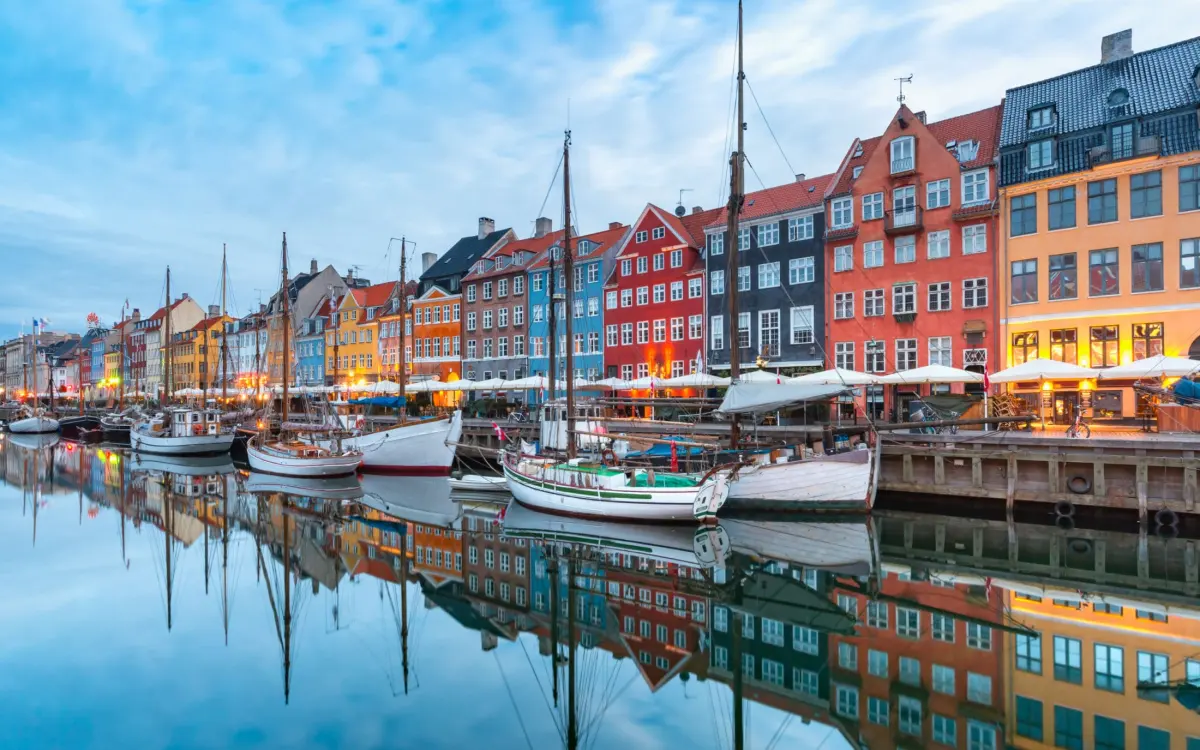
Denmark is a pioneer in green energy, with wind power accounting for a significant portion of its national electricity consumption. The country is designed to be explored sustainably, with an extensive network of bicycle lanes that make cycling the preferred mode of transport in cities like Copenhagen. Visitors are encouraged to utilize this infrastructure to minimize their carbon footprint while experiencing the city like a local.
To travel sustainably in Denmark, follow these practical steps:
- Rent a bicycle for your daily commute to navigate the city efficiently.
- Utilize the efficient, electrified train network for travel between cities.
- Stay in hotels that hold the Green Key certification for environmental responsibility.
- Support local farmers' markets and restaurants that prioritize seasonal, organic produce.
A common mistake is assuming that renting a car is necessary for sightseeing. In reality, the public transport system is so well-integrated that most tourist destinations are easily accessible by train, bus, or bicycle.
What is the history of Danish maritime culture?
Denmark’s identity is inextricably linked to the sea, dating back to the Viking Age. As a nation composed of a peninsula and hundreds of islands, the sea has served as the primary route for trade, exploration, and defense throughout history. The Viking legacy remains a point of national pride, with numerous museums and archaeological sites showcasing the sophisticated shipbuilding techniques that allowed Norse explorers to travel as far as North America.
Beyond the Viking era, Denmark became a significant maritime power during the Middle Ages and the Renaissance, controlling key trade routes in the Baltic Sea. This history is preserved in the coastal architecture, the bustling harbors of Copenhagen, and the country's continued status as a global leader in the shipping industry. Understanding this maritime heritage is essential for grasping how a small nation managed to exert such a significant influence on global trade and naval development over the centuries.
Key facts
- Denmark is the birthplace of LEGO, which was founded by Ole Kirk Christiansen in Billund in 1932.
- The country consistently ranks among the world's happiest nations, often attributed to the cultural philosophy of "hygge," which emphasizes coziness and contentment.
- Copenhagen, the capital, is home to Tivoli Gardens, one of the oldest operating amusement parks in the world, opened in 1843.
- Bicycles are the primary mode of transport in Copenhagen, where over 60% of residents commute to work or school by bike.
- Denmark operates as a constitutional monarchy and is one of the oldest kingdoms in the world, with a royal lineage dating back to the Viking Age.
- The country is a global leader in wind energy, with wind turbines generating more than 50% of its total electricity consumption.
The bottom line
Denmark offers a unique blend of modern sustainability, deep-rooted history, and a high quality of life. From its innovative design and green energy initiatives to the charming streets of Copenhagen, the nation provides a sophisticated yet welcoming atmosphere. Travelers should prepare for higher costs but will be rewarded with a safe, efficient, and culturally rich experience that emphasizes community well-being and a relaxed, cozy lifestyle.
People also ask
What is the official currency used in Denmark?
Denmark uses the Danish krone (DKK), despite being a member of the European Union. It is important to note that the euro is not legal tender, though some tourist-focused shops may accept it at unfavorable exchange rates.
Is it expensive to travel in Denmark?
Denmark is widely considered one of the most expensive countries in the world for travelers. To manage costs, opt for public transportation, eat at local bakeries, and take advantage of free public parks and museums.
Do I need to learn Danish to visit Denmark?
Almost all Danes speak fluent English, making it very easy for tourists to navigate the country. Learning a few basic phrases like "tak" (thank you) is appreciated by locals but is not necessary for daily interactions.
What is the best time of year to visit Denmark?
The best time to visit is during the summer months of June through August when the days are long and the weather is mild. Winters are dark and cold, though they offer a unique look at the country's festive holiday traditions.
What are the most popular traditional Danish foods?
The most iconic dish is "smørrebrød," an open-faced sandwich typically served on dense rye bread with various toppings like herring, roast beef, or shrimp. Pastries, locally known as "wienerbrød," are also a staple of the Danish diet.
Is Denmark part of Scandinavia?
Yes, Denmark is one of the three Scandinavian countries, alongside Norway and Sweden. While they share historical and linguistic ties, each maintains its own distinct culture, government, and currency.
This answer was created with the help of AI research tools and reference sources. Spotted an error? Let us know — we correct mistakes quickly. See our editorial policy.