What is a phoenix in mythology?
Short answer
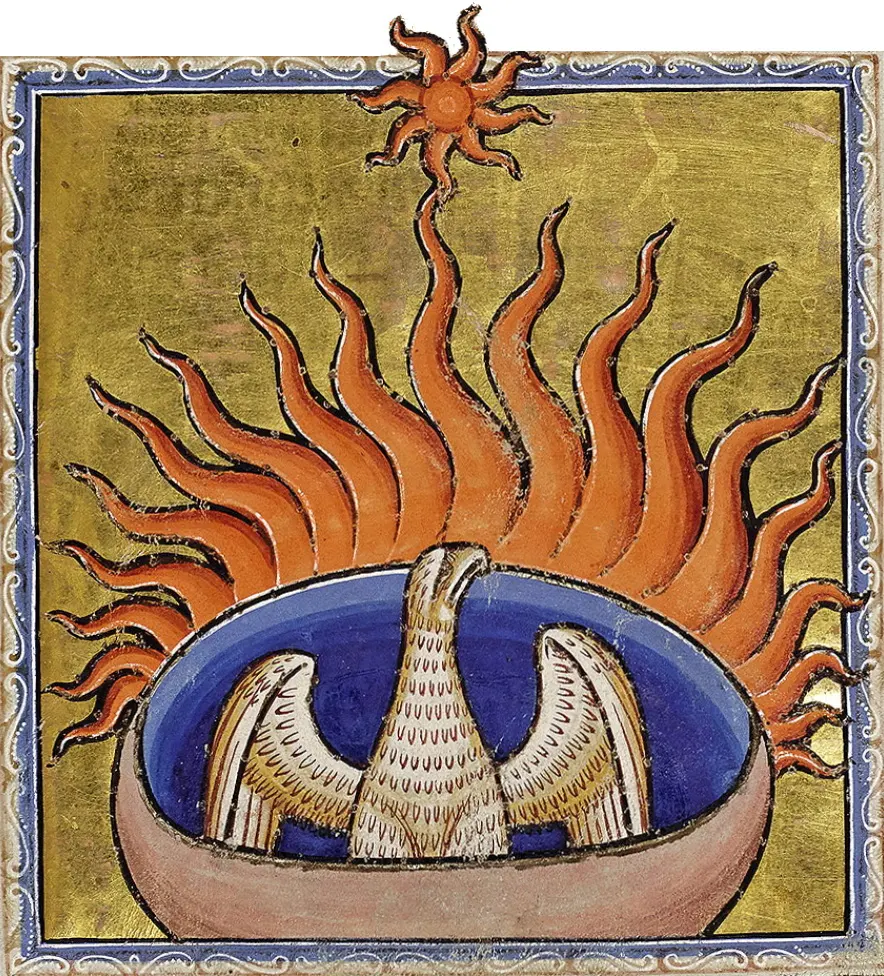
The phoenix is a legendary fire bird from ancient mythology that cyclically regenerates or is otherwise born again. Associated with the sun, it typically dies in a show of flames and combustion, only to emerge reborn from its own ashes. It serves as a universal symbol of resurrection, immortality, and eternal renewal.
On this page
What is the origin of the phoenix?
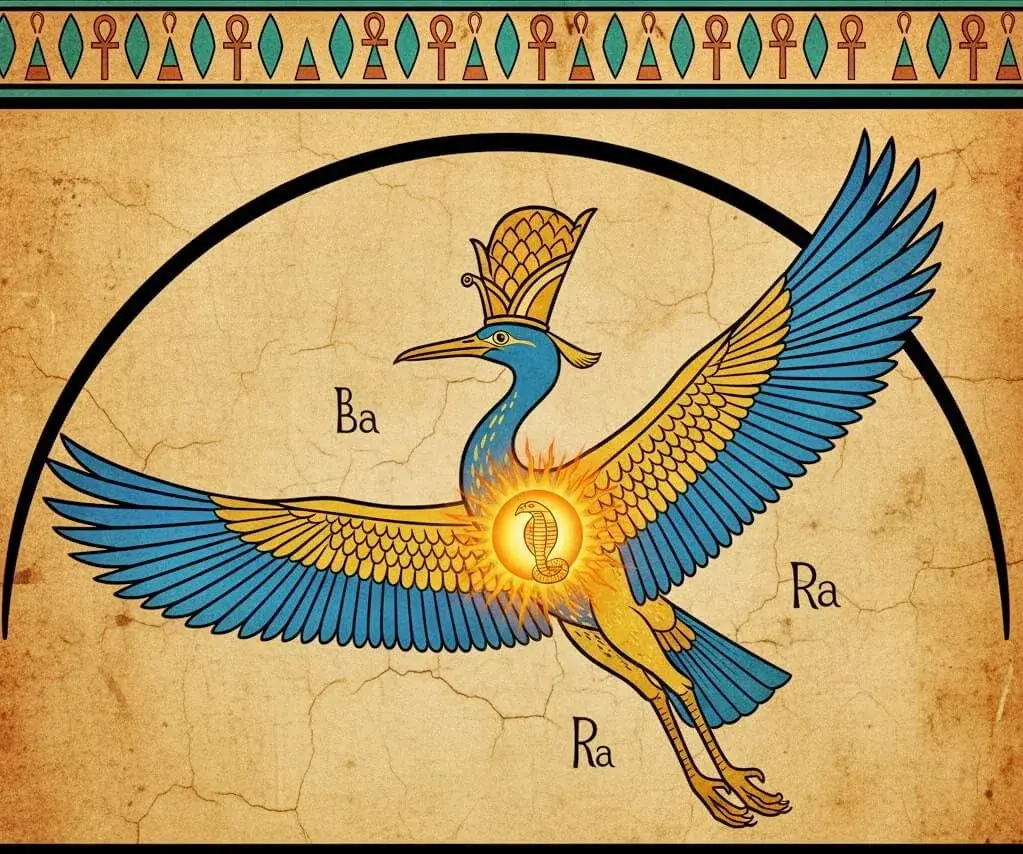
The phoenix myth originated in ancient Egypt, where it was known as the Bennu bird. The Egyptians associated this heron-like creature with the sun, creation, and the periodic flooding of the Nile River. They believed the Bennu was a manifestation of the soul of the sun god Ra, representing the cycle of life and death that governed their agricultural society.
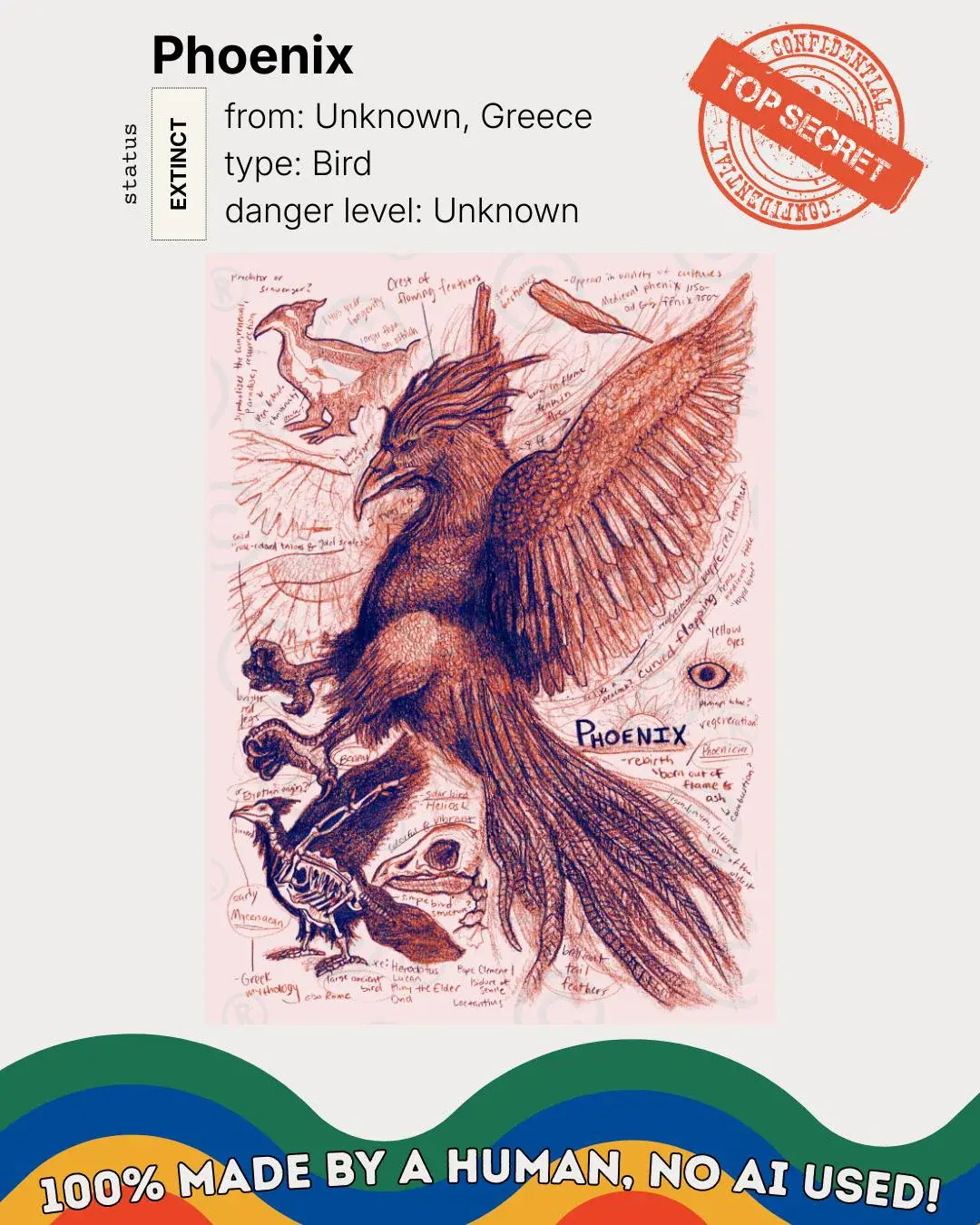
Later, Greek historians like Herodotus adapted these stories, describing the bird as having golden and red plumage. The Greeks gave the creature its name, "phoenix," which is derived from the word for the color purple or crimson. Over centuries, the myth traveled across cultures, evolving from a simple solar symbol into a complex icon of resurrection. By the time it reached Roman and early Christian writers, the bird became a standard metaphorical representation of the soul’s triumph over death.
How does the phoenix cycle work?
The life cycle of the phoenix is defined by its dramatic death and subsequent rebirth. According to most traditions, the bird lives for a significant period—often cited as 500 years—before preparing for its end. It constructs a nest of aromatic spices and rare herbs, such as cinnamon, myrrh, and frankincense, which serves as its funeral pyre.
Once the nest is complete, the phoenix settles inside and allows the sun’s heat or its own internal fire to ignite the materials. The bird is consumed by the flames, leaving behind nothing but a pile of ash. From these remains, a new phoenix emerges, often described as a young bird or a worm that quickly matures. This cycle ensures the creature never truly ceases to exist, making it a powerful emblem of endurance.
- The bird reaches the end of its 500-year lifespan.
- It gathers rare, fragrant spices to build a pyre.
- The phoenix ignites the nest and is consumed by fire.
- A new phoenix rises from the ashes to begin the cycle again.
Why is the phoenix a symbol of resurrection?
The phoenix serves as a profound symbol of hope because it demonstrates that destruction is not the end of existence. In ancient societies, the bird represented the sun setting each evening and rising again the next morning. This daily cycle provided a tangible comfort to people, suggesting that life is a continuous loop rather than a linear path toward oblivion.
In Christian theology, the phoenix became a popular metaphor for the resurrection of Jesus Christ. Writers used the bird’s ability to rise from its own ashes as a visual shorthand for the promise of eternal life. This symbolism extended into literature and art, where the phoenix appears on heraldry, coins, and monuments to signify that a legacy or a soul can survive even the most catastrophic events.
- It represents the triumph of the spirit over physical death.
- It signifies the purification that comes through fire.
- It acts as a reminder of the sun’s eternal return.
- It symbolizes the endurance of hope during dark times.
What are common mistakes when interpreting the phoenix?
A frequent error is assuming that the phoenix is a literal creature that once existed in the natural world. While the Bennu bird was inspired by the grey heron, the phoenix of legend is purely mythological and allegorical. Treating it as a biological entity ignores the cultural context of why the story was created in the first place.
Another mistake is conflating the phoenix with other fire-based mythological beings, such as the Slavic Firebird or the Chinese Fenghuang. While these creatures share superficial similarities, they possess different origins and symbolic meanings. The Firebird is often a magical prize to be captured, whereas the Fenghuang is a benevolent creature representing harmony and virtue. Understanding these distinctions is essential for anyone studying comparative mythology or the specific cultural history of the phoenix.
- Confusing the phoenix with the Chinese Fenghuang or Slavic Firebird.
- Attempting to locate the bird in historical zoological records.
- Ignoring the solar connection that defined its early Egyptian origins.
- Overlooking the specific religious contexts that shaped its later symbolism.
How can you identify the phoenix in art and literature?
Identifying the phoenix in creative works requires looking for specific visual and thematic cues. Artists typically depict the bird with vibrant plumage, usually in shades of gold, red, and orange to mimic the appearance of flames. You will often see it surrounded by smoke, fire, or solar imagery, which reinforces its connection to the sun and the cycle of rebirth.
In literature, look for themes involving transition, transformation, or the "rising from the ashes" trope. Authors frequently use the phoenix to represent a character who has undergone a traumatic change and emerged stronger or renewed. Whether in ancient poetry or modern fantasy novels, the presence of this creature almost always signals a shift from death or failure toward a new beginning. By recognizing these patterns, you can better appreciate how the myth continues to influence storytelling and human expression across the modern world.
Key facts
- The phoenix is a mythical bird that cyclically regenerates or is otherwise born again from the ashes of its predecessor.
- Ancient Greek historian Herodotus described the phoenix as resembling an eagle with gold and red plumage, originating from Arabia.
- In Egyptian mythology, the bird is associated with the sun god Ra and is known as the Bennu, symbolizing creation and renewal.
- Legend states that the phoenix lives for 500 to 1,000 years before building a nest of cinnamon twigs, which it ignites to consume itself.
- After death, a new phoenix emerges from the remains or the egg left behind, representing the concept of immortality and the sun's daily cycle.
- To avoid confusion, distinguish the phoenix from the firebird of Slavic folklore, which is a different creature with glowing feathers that brings both fortune and misfortune.
The bottom line
The phoenix remains one of history’s most enduring symbols of eternal life and renewal. By rising from its own ashes, this legendary bird transforms the finality of death into a continuous cycle of rebirth. Whether viewed through the lens of ancient Egyptian sun worship or modern psychological resilience, the phoenix serves as a powerful reminder that endings often provide the necessary foundation for a new beginning.
People also ask
Does the phoenix have a specific gender?
In most classical traditions, the phoenix is depicted as a solitary male creature. Because there is only one phoenix in existence at any given time, it does not require a mate to reproduce.
Is the phoenix mentioned in the Bible?
The phoenix is not explicitly mentioned in the Bible, though some early Christian writers used it as a metaphor for the resurrection of Christ. Some translations of the Book of Job were once mistakenly thought to refer to the bird.
Where did the legend of the phoenix start?
The earliest roots are found in the Egyptian Bennu bird, which was linked to the flooding of the Nile and the sun. The Greeks later adapted these stories into the specific myth of the burning phoenix.
What does the phoenix symbolize in modern culture?
Today, the phoenix is a universal symbol of resilience, transformation, and overcoming adversity. It is frequently used in literature and film to represent a character rising from a difficult past.
How long does a phoenix live?
Ancient accounts vary significantly regarding the lifespan of the creature. Estimates typically range from 500 years to as many as 1,461 years, often tied to astronomical cycles.
Are there different versions of the phoenix in other cultures?
Yes, similar fire-associated birds appear globally, such as the Chinese Fenghuang, the Persian Simurgh, and the Russian Firebird. Each embodies unique cultural values regarding luck, royalty, or divinity.
This answer was created with the help of AI research tools and reference sources. Spotted an error? Let us know — we correct mistakes quickly. See our editorial policy.