How long is the small intestine?
Short answer
The small intestine in an average adult typically measures between 15 and 20 feet (4.5 to 6 meters) in length. While it is significantly longer than the large intestine, its name refers to its relatively narrow diameter of about one inch. These dimensions allow for the extensive surface area required for nutrient absorption.
On this page
How long is the small intestine exactly?
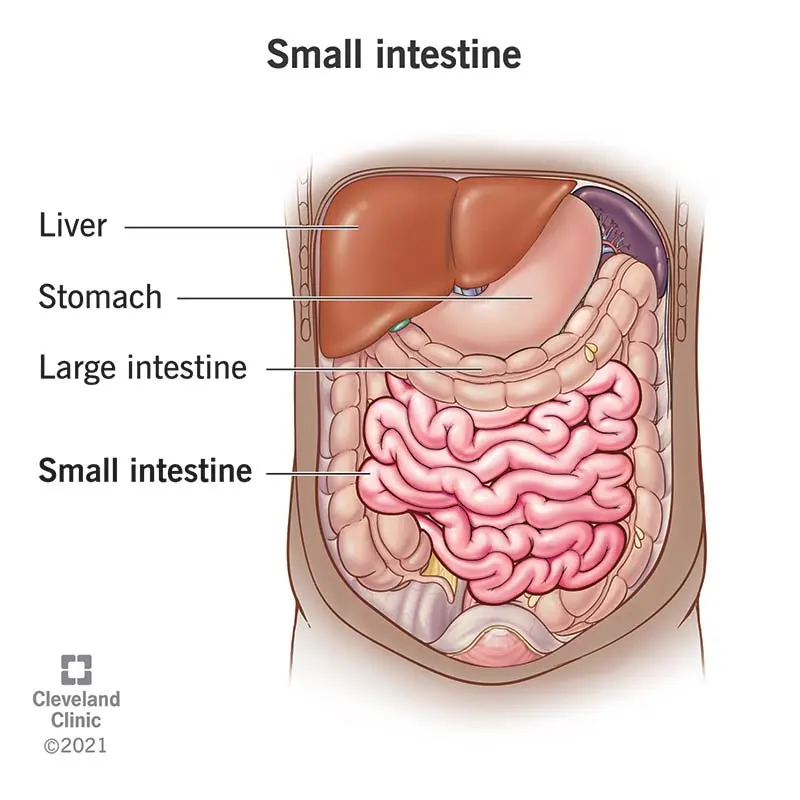
The small intestine is a complex, coiled tube that makes up the majority of the human digestive tract. While the average length is often cited as 20 feet, anatomical studies indicate that the living, functioning organ is usually shorter than the measurements taken during autopsies. In a living person, the muscle tone of the intestinal wall keeps the organ contracted, resulting in a length closer to 10 to 15 feet.
The organ is divided into three distinct anatomical segments, each serving a specific role in the digestive process:
- Duodenum: The shortest segment, measuring about 10 to 12 inches, where bile and pancreatic juices enter.
- Jejunum: The middle section, which is approximately 8 feet long and primarily responsible for nutrient absorption.
- Ileum: The final, longest segment, measuring about 12 feet, which connects to the large intestine at the ileocecal valve.
Why does the small intestine need to be so long?
The primary function of the small intestine is to extract nutrients, vitamins, and minerals from the food we consume. To perform this task efficiently, the body requires an immense amount of surface area. If the small intestine were a simple, smooth tube, it would not be nearly long enough to process the volume of food consumed throughout a human lifetime.
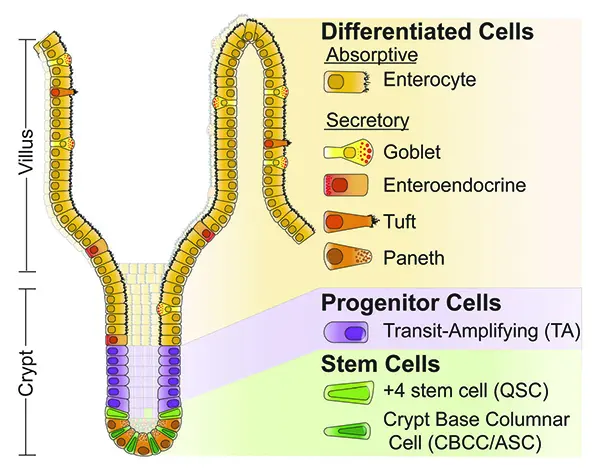
Nature solves this problem through a series of structural adaptations that maximize internal space without requiring a larger abdominal cavity. The internal lining is covered in millions of tiny, finger-like projections known as villi. These villi are further covered in microvilli, creating a "brush border" that increases the total absorptive surface area to roughly the size of a tennis court. This massive surface area ensures that almost all proteins, fats, and carbohydrates are successfully broken down and moved into the bloodstream.
How does the small intestine function during digestion?
Digestion in the small intestine is a highly coordinated process involving chemical and mechanical actions. As partially digested food, called chyme, enters from the stomach, the small intestine mixes it with digestive enzymes produced by the pancreas and bile from the gallbladder. This chemical breakdown is essential for turning complex food molecules into substances small enough to pass through the intestinal wall.
To move this mixture along, the intestinal muscles perform a rhythmic contraction known as peristalsis. This wave-like motion serves two main purposes: it mixes the chyme with enzymes and pushes it forward toward the large intestine. If this process is interrupted, it can lead to significant digestive discomfort or malabsorption issues. The efficiency of this system is why the body can maintain energy levels even when dietary intake varies significantly from day to day.
Common mistakes when trying to improve gut health
Many people attempt to optimize their digestive health through supplements or restrictive diets without understanding how the small intestine actually works. A frequent error is the overuse of harsh laxatives or "detox" cleanses, which can disrupt the delicate balance of the gut microbiome. The small intestine relies on a stable environment to function, and aggressive interventions often do more harm than good by stripping away beneficial bacteria.
To maintain a healthy digestive system, consider these evidence-based practices:
- Prioritize fiber intake from whole foods like vegetables, legumes, and whole grains to support regular motility.
- Stay adequately hydrated to ensure that chyme can move smoothly through the long, coiled length of the intestine.
- Eat smaller, more frequent meals if you experience bloating, as this reduces the mechanical load on the digestive muscles.
- Avoid excessive consumption of processed sugars, which can feed harmful bacteria and lead to inflammation in the intestinal lining.
What happens when the small intestine is damaged?
When the small intestine suffers from injury, inflammation, or disease, the body’s ability to absorb nutrients is severely compromised. Conditions such as Celiac disease, Crohn’s disease, or infections can damage the villi, effectively reducing the surface area available for absorption. This leads to malabsorption, a condition where the body cannot get the fuel it needs, even if the person is eating a sufficient amount of food.
Symptoms of small intestinal dysfunction often include chronic diarrhea, unexplained weight loss, fatigue, and vitamin deficiencies. If you suspect an issue, it is vital to consult a medical professional rather than attempting self-diagnosis. Doctors typically use diagnostic tools like endoscopies or imaging tests to visualize the length of the intestine and identify specific areas of inflammation. By identifying the root cause early, patients can often manage these conditions through targeted dietary changes or medication, allowing the small intestine to heal and restore its critical role in human health.
Key facts
- The small intestine typically measures between 10 and 20 feet (3 to 6 meters) in length in a living adult.
- Its length is significantly shorter in a living person than in a cadaver because muscle tone keeps the organ contracted.
- The organ is divided into three distinct segments: the duodenum, the jejunum, and the ileum.
- Despite its name, it is called "small" because its diameter is narrower than that of the large intestine.
- The inner surface is covered in tiny, finger-like projections called villi that maximize the surface area for nutrient absorption.
- To maintain gut health, focus on high-fiber foods and proper hydration to keep the digestive transit moving smoothly.
The bottom line
The small intestine is a vital, coiled organ that acts as the primary site for nutrient absorption in the human body. Spanning roughly 10 to 20 feet, its massive surface area—enhanced by villi—ensures that vitamins and minerals are efficiently extracted from food. Maintaining its health through a balanced diet is essential for overall well-being, as any significant disruption to its function can lead to severe nutritional deficiencies.
People also ask
Why is the small intestine so long?
The extreme length is necessary to provide enough surface area for the body to absorb nutrients and water from digested food. Without this extended pathway, the body would be unable to extract sufficient vitamins, minerals, and energy from a typical diet.
What happens if the small intestine is too short?
A condition called short bowel syndrome occurs when a significant portion of the small intestine is missing or damaged. This prevents the body from absorbing enough nutrients, leading to malnutrition, dehydration, and weight loss.
How does food move through the small intestine?
Food moves through rhythmic, wave-like muscle contractions known as peristalsis. This involuntary process pushes chyme—a mixture of food and digestive juices—slowly along the tract for further breakdown.
What is the role of the duodenum?
The duodenum is the first and shortest section of the small intestine. It receives partially digested food from the stomach and mixes it with bile and pancreatic enzymes to continue the chemical breakdown process.
Can you live without a small intestine?
It is not possible to survive without any small intestine, as it is the primary site for nutrient absorption. However, patients can survive with a shortened intestine if they receive specialized medical nutrition or intravenous feeding.
What are common signs of small intestine problems?
Common symptoms include persistent abdominal pain, bloating, unexplained weight loss, and chronic diarrhea. If these symptoms occur, it is essential to consult a physician for diagnostic testing like an endoscopy or imaging.
This answer was created with the help of AI research tools and reference sources. Spotted an error? Let us know — we correct mistakes quickly. See our editorial policy.