Why do we have daylight saving time?
Short answer
Daylight saving time is a practice of advancing clocks by one hour during warmer months to better align daylight hours with human activity. By shifting an hour of sunlight from the early morning to the evening, the system aims to reduce evening energy consumption and provide more recreational time after typical work hours.

On this page
Why daylight saving time happens
The primary motivation behind daylight saving time is the efficient use of natural light. By moving the clock forward in the spring, the sunrise and sunset occur one hour later relative to the clock. This adjustment ensures that sunlight is available during the hours when most people are awake and active, rather than during the early morning when many are still asleep.
Historically, the concept was championed by Benjamin Franklin as a humorous suggestion to save candles, but it was not formally implemented until the 20th century. During World War I, countries like Germany and the United States adopted the practice to conserve fuel for lighting and heating. By extending evening daylight, governments hoped to decrease the reliance on artificial illumination, thereby preserving coal and other energy resources for the war effort.
How daylight saving time works
The mechanism of daylight saving time involves a biannual shift in the standardized timekeeping system. In most participating regions, clocks are moved forward by one hour in the spring, often referred to as "springing forward," and moved back by one hour in the autumn, known as "falling back." This cycle effectively creates a longer period of light in the evening during the summer months.
The implementation follows a specific schedule to minimize disruption to commerce and transportation:
- In the United States, the transition occurs on the second Sunday in March and ends on the first Sunday in November.
- Many countries in the European Union follow a synchronized schedule, beginning on the last Sunday in March and ending on the last Sunday in October.
- Not all regions participate, as equatorial countries often see little variation in daylight hours, making the shift unnecessary.
How to adjust to the time change
The shift in time can disrupt the internal body clock, or circadian rhythm, leading to temporary fatigue or sleep disturbances. Most people require a few days to fully recalibrate their sleep-wake cycles to the new schedule. Experts suggest that gradual preparation is the most effective method for minimizing the impact of the transition on your daily routine.
To ease the transition, you can follow these practical steps:
- Shift your bedtime by 15 minutes each night starting three days before the change.
- Increase your exposure to bright morning light immediately upon waking to help reset your internal clock.
- Maintain a consistent sleep schedule throughout the weekend of the transition to avoid compounding the exhaustion.
- Limit caffeine intake in the afternoon, as your body may be more sensitive to stimulants while adjusting to the new time.
Common mistakes when preparing for time changes
A frequent error is ignoring the shift until the morning of the change, which often results in a sudden loss of sleep. Many people attempt to "catch up" by sleeping in significantly longer on the Sunday after the change, which can actually worsen the misalignment of the circadian rhythm. Consistency is far more effective than attempting to recover through erratic sleep patterns.
Another common mistake involves neglecting the adjustment of household devices. While smartphones and computers usually update automatically, many analog clocks, kitchen appliances, and vehicle dashboards require manual intervention. Failing to update these devices can lead to confusion regarding appointments or work schedules. It is best to set a reminder to update all manual timepieces immediately before going to bed on the night of the shift to ensure you are prepared for the following morning.
Who uses daylight saving time today
Daylight saving time is not a universal standard, and its usage varies significantly across the globe. Currently, approximately 70 countries observe some form of the practice, though the specific start and end dates can differ based on local legislation. In the Southern Hemisphere, the seasons are reversed, meaning that these countries observe daylight saving time during the months that are winter in the Northern Hemisphere.
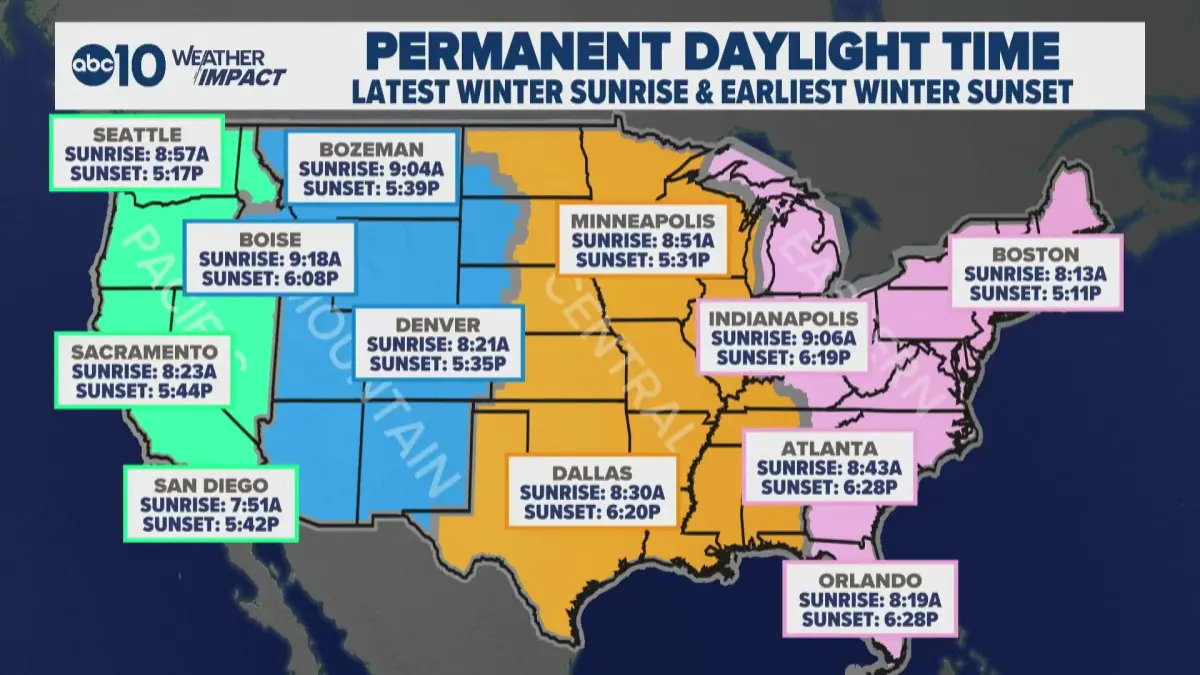
The debate over the practice remains active, with some regions moving toward permanent daylight saving time to eliminate the biannual switch. Proponents argue that the change improves public safety and economic activity, while critics point to studies suggesting that the transition period is linked to increased rates of workplace accidents and heart-related health issues. Regardless of the ongoing political discussions, the system remains a deeply ingrained part of modern infrastructure, reflecting a persistent effort to balance human schedules with the natural cycles of the Earth.
Key facts
- Daylight saving time (DST) is the practice of advancing clocks by one hour during warmer months so that darkness falls at a later clock time.
- The United States observes DST from the second Sunday in March until the first Sunday in November.
- Benjamin Franklin is often credited with the idea, though he proposed it as a satirical joke to save on candle wax.
- Germany was the first country to implement DST nationwide in 1916 to conserve coal during World War I.
- Arizona and Hawaii are the only two U.S. states that do not observe daylight saving time, opting to stay on standard time year-round.
- A common mistake is forgetting to change manual clocks; always prioritize updating medical devices and time-sensitive equipment immediately.
The bottom line
Daylight saving time remains a controversial practice designed to maximize evening sunlight during the warmer months. While originally intended to conserve fuel and energy during wartime, its modern impact on energy efficiency is debated. By shifting our clocks, we prioritize outdoor activity and commerce in the evenings, though we must navigate the physiological adjustments and scheduling inconveniences that accompany these biannual transitions in our daily lives.
People also ask
Does daylight saving time actually save energy?
Modern studies suggest the energy savings are negligible or non-existent. While it reduces evening lighting demand, it often increases usage of air conditioning and fuel consumption for afternoon activities.
Why do we "spring forward" and "fall back"?
This phrase serves as a memory aid for the biannual clock adjustment. In the spring, you set the clock ahead one hour, and in the autumn, you set it back one hour to return to standard time.
Is daylight saving time observed globally?
No, it is not a universal practice. Less than 40 percent of countries worldwide use it, with most nations near the equator opting out because their daylight hours remain consistent throughout the year.
How does the time change affect human health?
The transition can disrupt circadian rhythms and sleep patterns. Research indicates a slight increase in heart attacks, workplace injuries, and traffic accidents in the days immediately following the spring shift.
Can states choose to stop observing daylight saving time?
States can opt out of DST and remain on standard time permanently, but federal law currently prohibits them from adopting daylight saving time as their permanent year-round time.
Why was the start date moved to March in the United States?
The Energy Policy Act of 2005 extended the duration of DST by four weeks, starting it earlier in March and ending it later in November to reduce national energy consumption.
This answer was created with the help of AI research tools and reference sources. Spotted an error? Let us know — we correct mistakes quickly. See our editorial policy.