What are good fall drawing ideas?
Short answer
Fall drawing ideas center on the seasonal transition, focusing on warm color palettes, organic textures, and harvest themes. Effective subjects include changing foliage, pumpkins, cozy indoor settings, and wildlife preparing for winter. Artists often capture these scenes using charcoal, watercolor, or colored pencils to emphasize the rich, earthy tones characteristic of autumn.
On this page
How to draw autumn foliage and trees
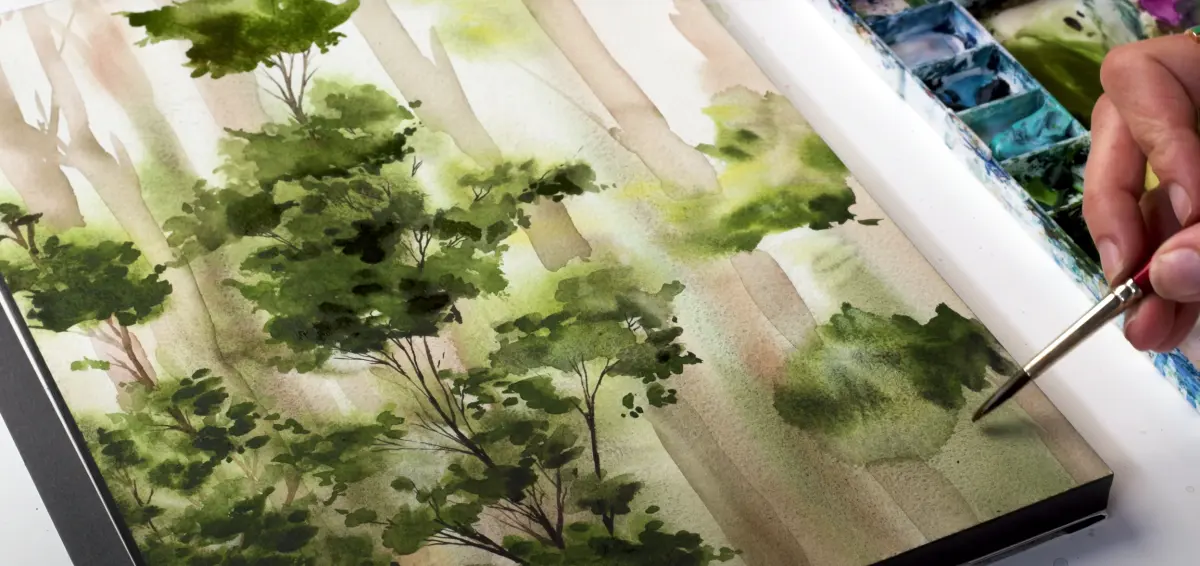
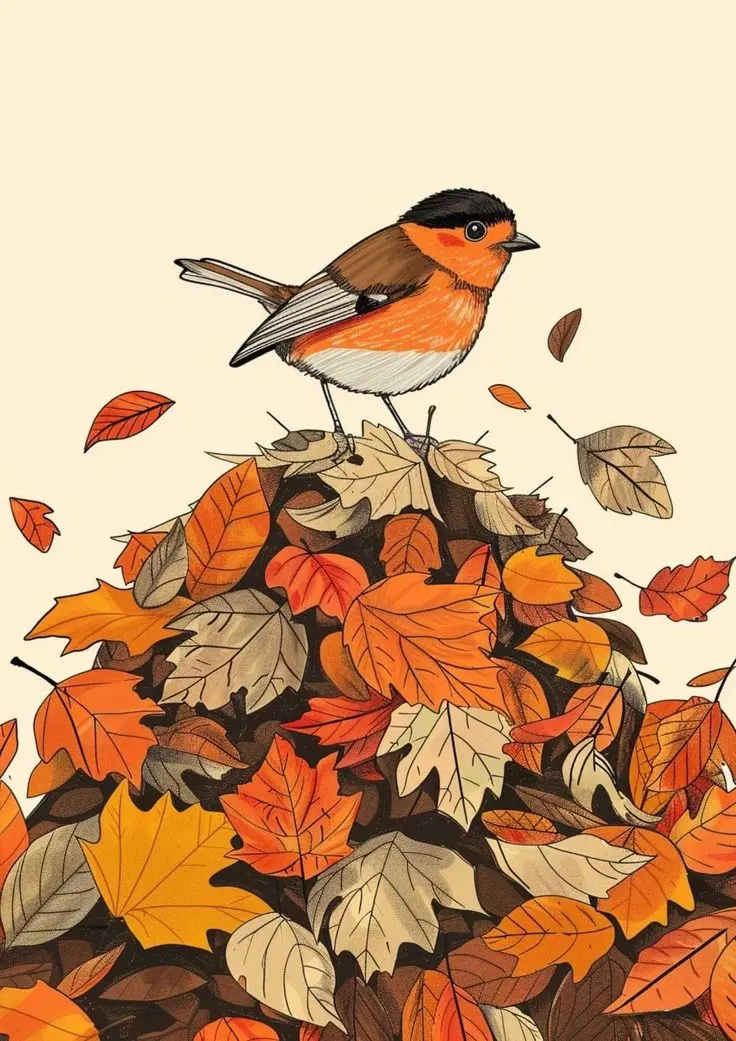
Autumn leaves offer an excellent study in color theory and intricate line work. To begin, observe the specific vein patterns of maple, oak, or birch leaves. Use a light graphite pencil to sketch the primary silhouette before adding the jagged edges. When applying color, avoid using a single shade of red or yellow. Instead, layer burnt sienna, ochre, and deep crimson to create depth. For trees, focus on the thinning canopy by drawing bare, gnarled branches that contrast with the remaining clusters of falling leaves.
When rendering a full forest scene, consider the following techniques:
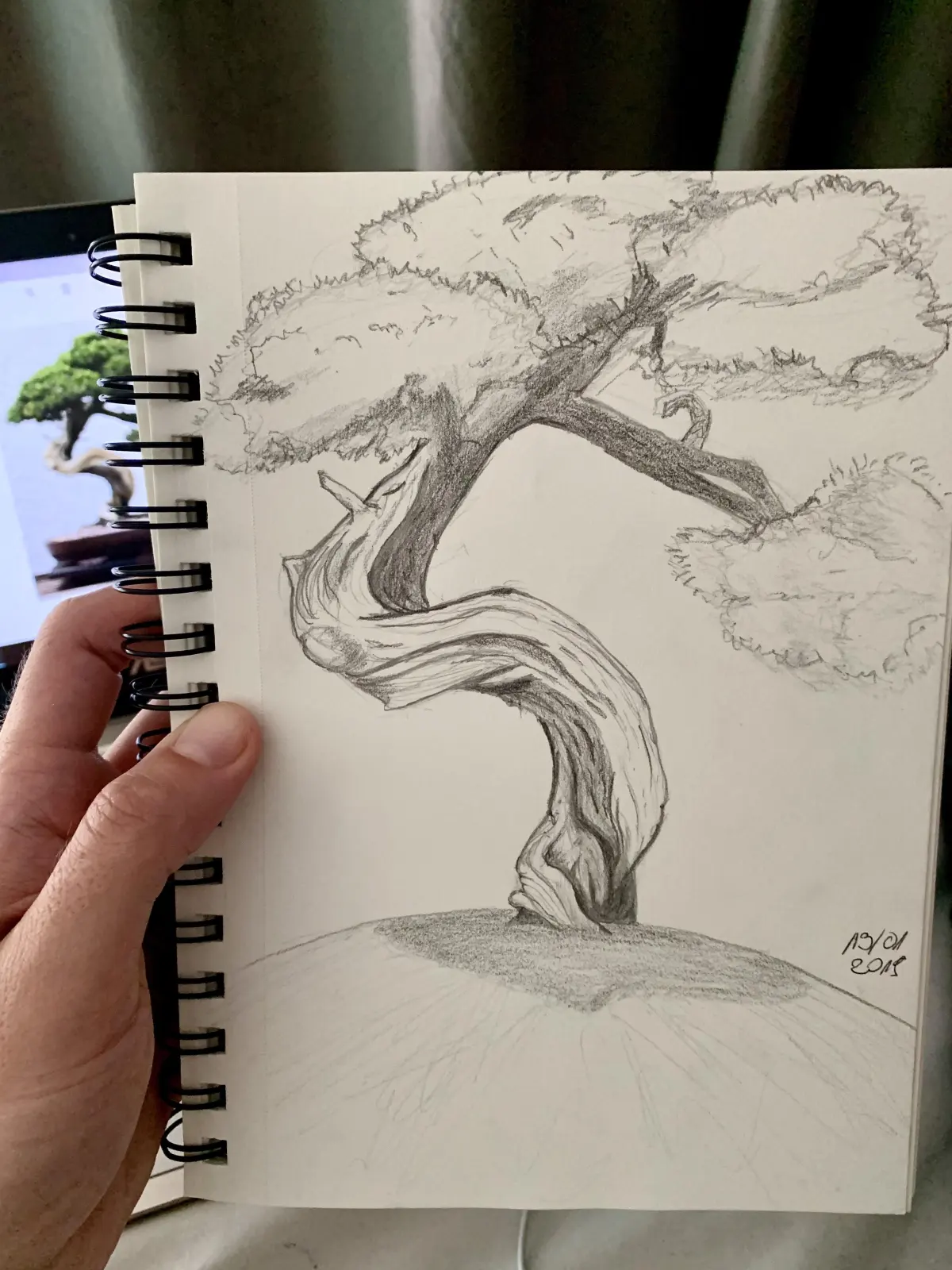
- Use cross-hatching to create texture on tree bark.
- Apply light pressure with your pencil to suggest distant, hazy trees in the background.
- Use a white gel pen to add highlights where sunlight filters through the thinning branches.
- Vary the size of your leaves to create a sense of foreground and background perspective.
Best fall drawing subjects for beginners
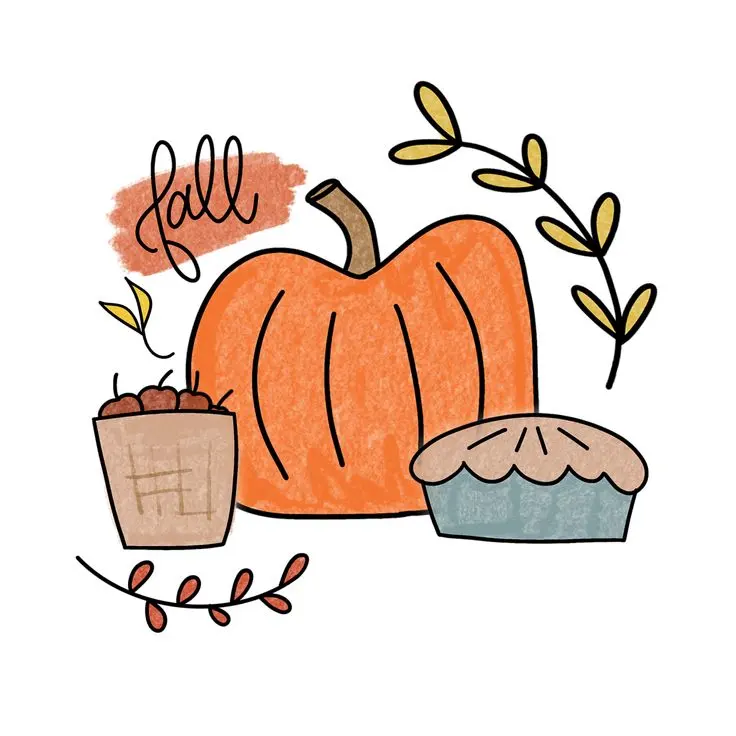
If you are new to drawing, start with simple, geometric shapes found in the harvest season. Pumpkins and gourds are ideal because their organic, irregular forms are forgiving if your lines are not perfectly straight. Begin by drawing a flattened sphere and then add vertical segments that curve toward the stem. Once the shape is established, focus on shading the valleys between segments to give the object a three-dimensional appearance. Acorns and pinecones are also great practice for learning how to draw repetitive, overlapping patterns.
Follow these steps to draw a realistic pumpkin:
- Sketch a wide, slightly flattened oval as your base shape.
- Draw curved, vertical lines radiating from the center top to the bottom.
- Add a small, rectangular stem at the top with a slight twist.
- Shade the areas near the vertical lines to create volume.
- Use cross-hatching to darken the bottom of the pumpkin to ground it on a surface.
Why fall lighting changes the mood
The quality of light in autumn is distinct due to the lower angle of the sun. This creates longer shadows and a golden, warm glow that is perfect for atmospheric sketches. When drawing outdoor scenes, emphasize this long-shadow effect by extending your shading across the paper. This technique adds drama and a sense of time to your work. To capture the "golden hour," use warmer tones like gold, orange, and soft brown in your highlights rather than stark white. This creates a cohesive, cozy feeling that defines the season.
When drawing indoor scenes, such as a window view or a fireplace, focus on the contrast between the dark interior and the bright, fading light outside. This high-contrast approach creates a focal point that draws the viewer's eye. Avoid using pure black for shadows; instead, mix dark blues or purples with your browns to create a richer, more natural shadow color that complements the warm light.
Common mistakes when drawing fall scenes
A frequent error is over-saturating the drawing with bright, neon-like colors. Autumn colors are typically muted, earthy, and deep, so rely on desaturated tones rather than primary colors. Another common mistake is neglecting the background. While the leaves or pumpkins are the main subjects, a blank background can make the drawing feel disconnected. Add subtle hints of a misty horizon, a wooden fence, or a stone wall to provide context and anchor your subject within a specific environment.
Avoid these pitfalls to improve your results:
- Do not use a heavy outline for every single leaf; let some edges blend into the background.
- Avoid perfectly symmetrical shapes, as nature is inherently irregular.
- Do not ignore the texture of the ground, such as fallen debris or damp soil.
- Ensure your light source is consistent across all objects in the scene to maintain realism.
How to use textures to represent autumn
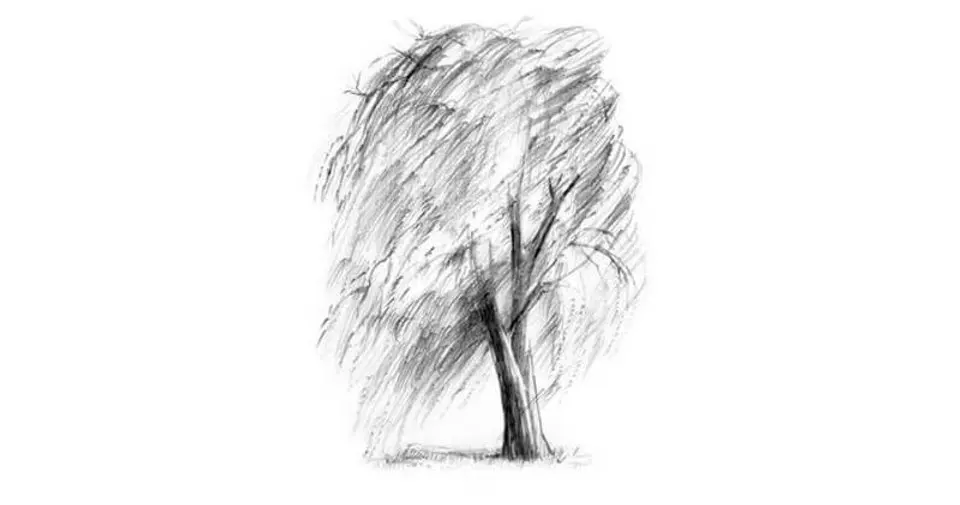
Texture is essential for conveying the tactile nature of fall, from the crispness of dry leaves to the roughness of a harvest basket. Use short, flicking pencil strokes to represent the brittle edges of a leaf or the dry husks of corn. For softer textures, such as a knit sweater or a wool scarf, use circular, looping motions to mimic the weave of the fabric. Combining these varied textures creates a sensory experience that makes your drawing feel more immersive and professional.
To enhance your work, experiment with different drawing tools to achieve specific effects. Charcoal is excellent for capturing the moody, overcast skies of late autumn, while colored pencils allow for the precision needed to detail individual leaf veins. If you are using watercolor, try the wet-on-wet technique to create soft, blended backgrounds that mimic the hazy atmosphere of a cool October morning. By intentionally choosing your medium to match the texture of your subject, you can elevate your drawings from simple sketches to evocative seasonal art.
Key facts
- Focus on the "golden hour" light, which occurs shortly after sunrise or before sunset, to capture the warm, long shadows characteristic of autumn.
- Use a limited color palette of burnt orange, deep ochre, forest green, and muted brown to create a cohesive seasonal atmosphere.
- Study the anatomy of deciduous leaves, noting that veins typically branch out from a central stem in a symmetrical or alternating pattern.
- Sketching outdoors, or "en plein air," improves your ability to perceive true color values compared to working from photographs.
- Layer your drawing by establishing light base tones first, then gradually adding darker shadows to build depth and volume in objects like pumpkins or gourds.
- Use a kneaded eraser to lift graphite or charcoal, which helps create soft highlights on textured surfaces like bark or wool sweaters.
The bottom line
Capturing the essence of autumn requires a focus on warm lighting, specific seasonal textures, and intentional color choices. Whether you are sketching the intricate veins of a fallen leaf or the sprawling silhouette of a barren tree, prioritize observation over detail. By mastering light, shadow, and simplified shapes, you can create evocative seasonal art that feels both authentic and visually compelling throughout the harvest months.
People also ask
What are the best pencils for drawing autumn landscapes?
Graphite pencils ranging from 2B to 6B are ideal for capturing the soft textures of falling leaves and overcast skies. Harder pencils like 2H are better for initial structural sketches before you commit to darker shading.
How do I draw realistic autumn trees?
Avoid drawing every individual leaf, as this leads to a cluttered image. Instead, group leaves into larger masses or shapes and focus on the overall silhouette of the tree canopy.
Should I use colored pencils or pastels for fall scenes?
Pastels are excellent for blending the soft, hazy transitions of autumn mist and vibrant foliage colors. Colored pencils offer more precision, making them better suited for detailed drawings of acorns, pinecones, or intricate leaf veins.
How can I make my fall drawings look more professional?
Pay close attention to contrast by ensuring your darkest shadows are truly dark and your highlights remain crisp. A common mistake is using mid-tones throughout the entire piece, which makes the drawing appear flat and uninteresting.
What is a simple subject for a beginner to draw in autumn?
A single pumpkin or a small cluster of dried corn stalks provides a manageable subject with clear geometric shapes. These items allow you to practice shading curved surfaces without the complexity of a full landscape.
How do I capture the texture of a cozy sweater in a drawing?
Use short, rhythmic strokes or cross-hatching to mimic the woven pattern of knit fabric. Vary the pressure of your pencil to suggest where the fabric folds and stretches over the body.
This answer was created with the help of AI research tools and reference sources. Spotted an error? Let us know — we correct mistakes quickly. See our editorial policy.