What are aesthetic things to draw?
Short answer
Aesthetic drawing focuses on visual harmony, mood, and personal style. Popular subjects include botanical illustrations, celestial bodies, minimalist architectural sketches, vintage objects, and ethereal portraits. These themes rely on soft lighting, delicate line work, and balanced compositions to evoke a sense of beauty, nostalgia, or tranquility in the viewer’s mind.
On this page
What are the most popular aesthetic drawing themes?
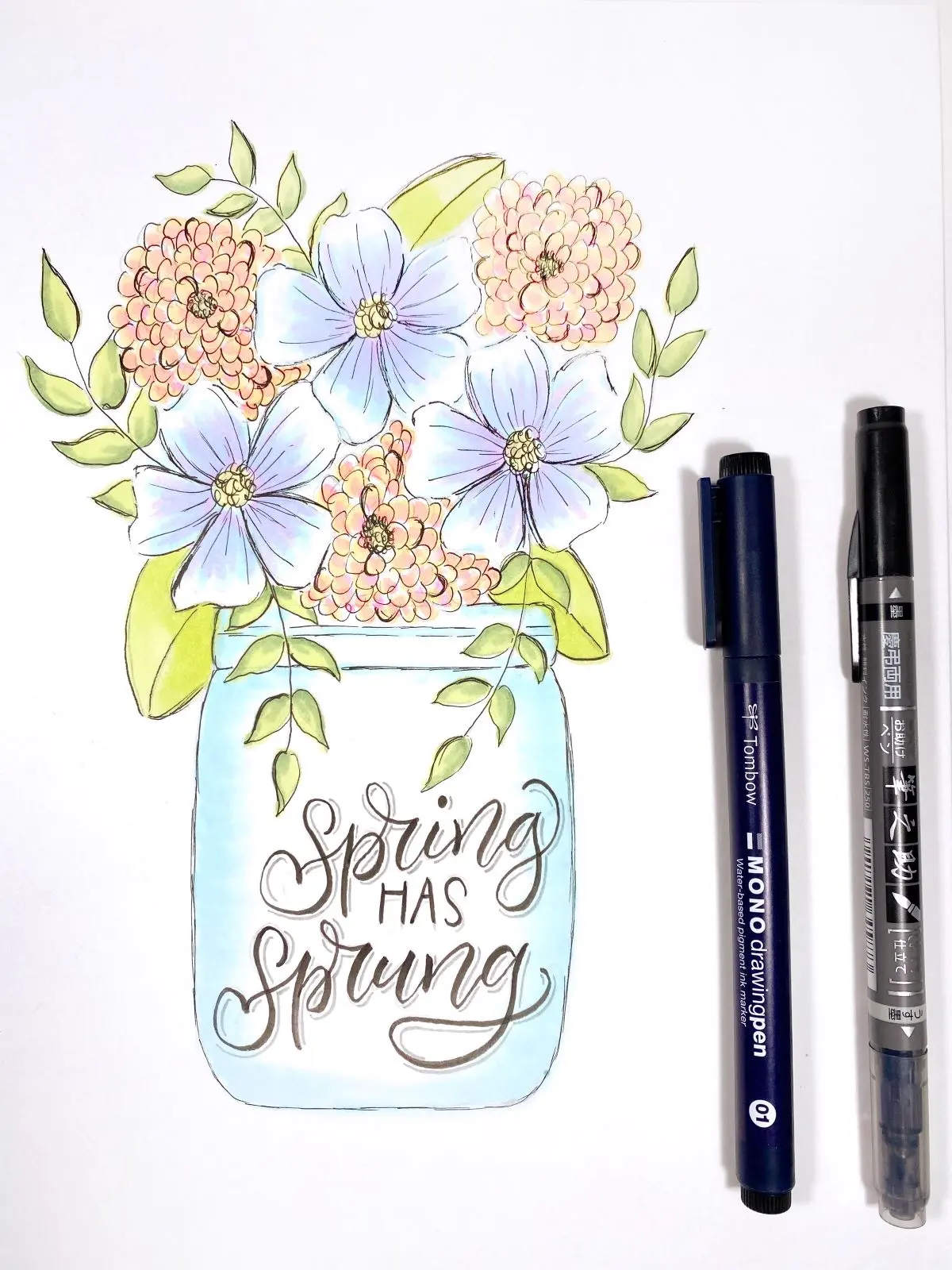
Aesthetic art often draws inspiration from specific visual movements like cottagecore, vaporwave, or dark academia. Cottagecore emphasizes nature, featuring mushrooms, wildflowers, and cozy interior scenes. Vaporwave aesthetics lean toward 1980s retro-futurism, utilizing neon color palettes, grid patterns, and distorted statues. Dark academia focuses on scholarly motifs such as antique books, fountain pens, inkwells, and gothic architecture.
Choosing a theme depends on the mood you wish to convey. If you prefer calming, organic shapes, focus on botanical studies. If you are drawn to structure and history, explore the intricate details of classical buildings or vintage stationery. By selecting a consistent theme, you create a cohesive portfolio that feels intentional and visually pleasing. Consider these popular categories to get started:
- Botanical elements: Ferns, lavender sprigs, and pressed flowers.
- Celestial motifs: Crescent moons, constellations, and Saturn-like rings.
- Vintage ephemera: Old keys, wax seals, and ornate picture frames.
- Architectural details: Arched windows, spiral staircases, and balcony railings.
How to choose a color palette for aesthetic drawings?
Color is the primary tool for establishing an aesthetic mood. A cohesive palette ensures that your drawing feels balanced rather than chaotic. For a soft, dreamy look, utilize pastel tones like sage green, dusty rose, and lavender. For a moody or sophisticated vibe, opt for deep jewel tones such as navy blue, emerald green, and burgundy, paired with metallic gold or silver accents.
When selecting colors, limit your palette to three or four main hues to maintain harmony. You can use a color wheel to find complementary or analogous schemes. Complementary colors, which sit opposite each other on the wheel, create high contrast and energy. Analogous colors, located next to each other, produce a subtle, harmonious effect. Use these steps to build your palette:
- Select a base neutral color, such as cream, beige, or charcoal.
- Choose two primary colors that represent the mood of your subject.
- Add a single accent color to highlight focal points.
- Test your colors on a scrap piece of paper before applying them to your final piece.
Best drawing techniques for beginners
Achieving an aesthetic look often requires mastering simple, clean line work and soft shading. Start by practicing continuous line drawings, where the pen never leaves the paper, to create fluid, elegant shapes. This technique is excellent for drawing flowers or human silhouettes. For shading, use cross-hatching or stippling to add depth without relying on heavy, dark smudges that can ruin a delicate aesthetic.
Focus on the quality of your lines. Varying the thickness of your strokes can add professional polish to your work. Use thicker lines for the outer edges of your subject and thinner, lighter lines for internal details. This creates a sense of depth and focus. Remember that aesthetic art often celebrates negative space, so do not feel pressured to fill every inch of the page with detail.
Common mistakes when drawing aesthetic art
One frequent mistake is over-detailing, which can clutter a composition and destroy the minimalist charm often associated with aesthetic art. Beginners often try to replicate every single leaf on a plant or every brick on a building. Instead, focus on capturing the essence of the object through simplified shapes and suggestive lines. Less is frequently more when aiming for an elegant, clean finish.
Another common error is ignoring the importance of lighting. Even in simple drawings, defining a light source makes the subject appear three-dimensional and intentional. Without a clear light source, your drawing may look flat or disconnected from its environment. Always decide where your light is coming from—such as the top left or right—and apply your shadows consistently on the opposite side of your objects.
How to develop your own aesthetic style
Developing a personal style is a gradual process of experimentation and refinement. Start by collecting images that resonate with you on a digital mood board. Analyze what these images have in common, such as specific line weights, color temperatures, or subject matter. Once you identify these patterns, incorporate them into your own practice to build a signature look that feels authentic to your vision.
Consistency is key to refining your style. Try drawing the same object in three different aesthetic styles to see which one feels most natural to you. For example, draw a single teacup in a minimalist style, a vintage style, and a whimsical style. Through this comparative practice, you will discover which techniques and subjects align with your creative voice. Keep a dedicated sketchbook to track your progress and revisit your favorite drawings to understand why they succeeded. Stay patient as your skills evolve, and remember that the most authentic aesthetic is one that reflects your unique perspective on the world.
Key facts
- Focus on "biophilic" designs by drawing intricate botanical subjects like ferns, succulents, or pressed wildflowers.
- Incorporate celestial elements such as phases of the moon, constellations, or vintage star charts to create a sense of wonder.
- Utilize "minimalist architecture" by sketching geometric shapes, clean lines, and repeating patterns found in modern urban structures.
- Explore "nostalgic objects" like rotary telephones, vinyl records, or antique keys to evoke a specific historical mood.
- Practice "atmospheric perspective" by layering light and dark values to give your drawings depth and a dreamy, ethereal quality.
- Use a limited color palette of three to four harmonious shades to maintain a cohesive and professional aesthetic in your work.
The bottom line
Drawing aesthetic subjects is an exercise in intentional observation and stylistic cohesion. By focusing on themes like nature, nostalgia, or geometry, you can create visually striking pieces that resonate with a specific mood. Remember to prioritize consistent light sources, clean lines, and deliberate color choices. With regular practice and the use of quality reference materials, you will develop a distinct artistic voice that elevates your work.
People also ask
How do I choose a consistent art style?
Experiment with different mediums like charcoal, ink, or watercolor until you find what feels natural. Consistency comes from repeating specific techniques and color schemes across multiple pieces of work.
What is the best way to improve my drawing accuracy?
Practice gesture drawing to capture the essence of a shape quickly before adding details. Use a grid method or light construction lines to ensure proportions remain correct throughout the process.
Should I use reference images for my drawings?
Yes, using references is essential for understanding light, shadow, and texture. Professional artists rely on photographs or real-life objects to ensure their work looks grounded and realistic.
How can I make my drawings look more professional?
Focus on clean edges and intentional line weights to define your subject clearly. Avoid smudging your work and invest in quality paper that can handle your chosen medium without buckling.
What are common mistakes beginners make when drawing?
Beginners often press too hard with their pencils, making it difficult to erase or layer shadows. Another common error is failing to observe the negative space around an object, which helps define its true shape.
How do I overcome creative block when I have nothing to draw?
Try "doodling" without a specific goal to loosen your hand and reduce performance anxiety. Alternatively, look for inspiration in your immediate surroundings or browse art galleries to spark new ideas.
This answer was created with the help of AI research tools and reference sources. Spotted an error? Let us know — we correct mistakes quickly. See our editorial policy.