What are good spring drawing ideas?
Short answer
Spring drawing ideas center on themes of renewal, growth, and vibrant color. Popular subjects include blooming wildflowers, emerging garden insects, rainy weather scenes, and seasonal wildlife like nesting birds. These motifs allow artists to explore light, texture, and organic shapes while capturing the transition from winter dormancy to active life.
On this page
How to draw spring flowers for beginners
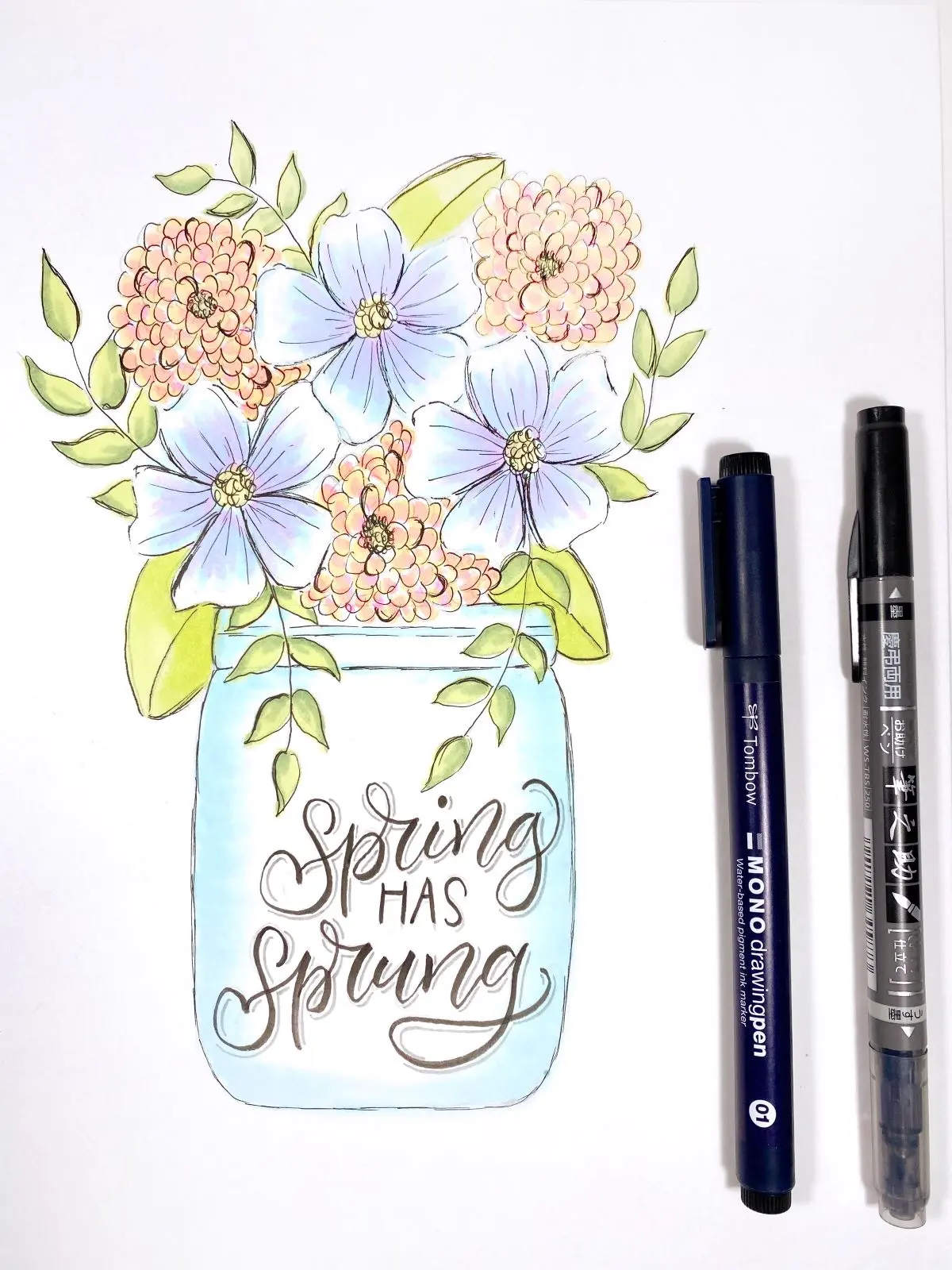
Capturing the essence of spring often begins with botanical studies. Flowers such as tulips, daffodils, and cherry blossoms are ideal subjects because they feature distinct geometric shapes and clear, bright color palettes. Focus on the structural anatomy of the plant, noting how petals curve and overlap to create depth. Beginners should start by sketching light ovals and circles to map out the flower head before refining the edges with more organic, flowing lines.
When drawing these subjects, consider the following techniques to improve your results:
- Use a light graphite pencil for the initial outline to ensure easy erasing.
- Observe the stem's natural curve, which rarely grows in a perfectly straight line.
- Layer colors from lightest to darkest to build realistic volume in the petals.
- Add dew drops by leaving small white highlights on the surface of the leaves.
Best spring nature scenes to sketch
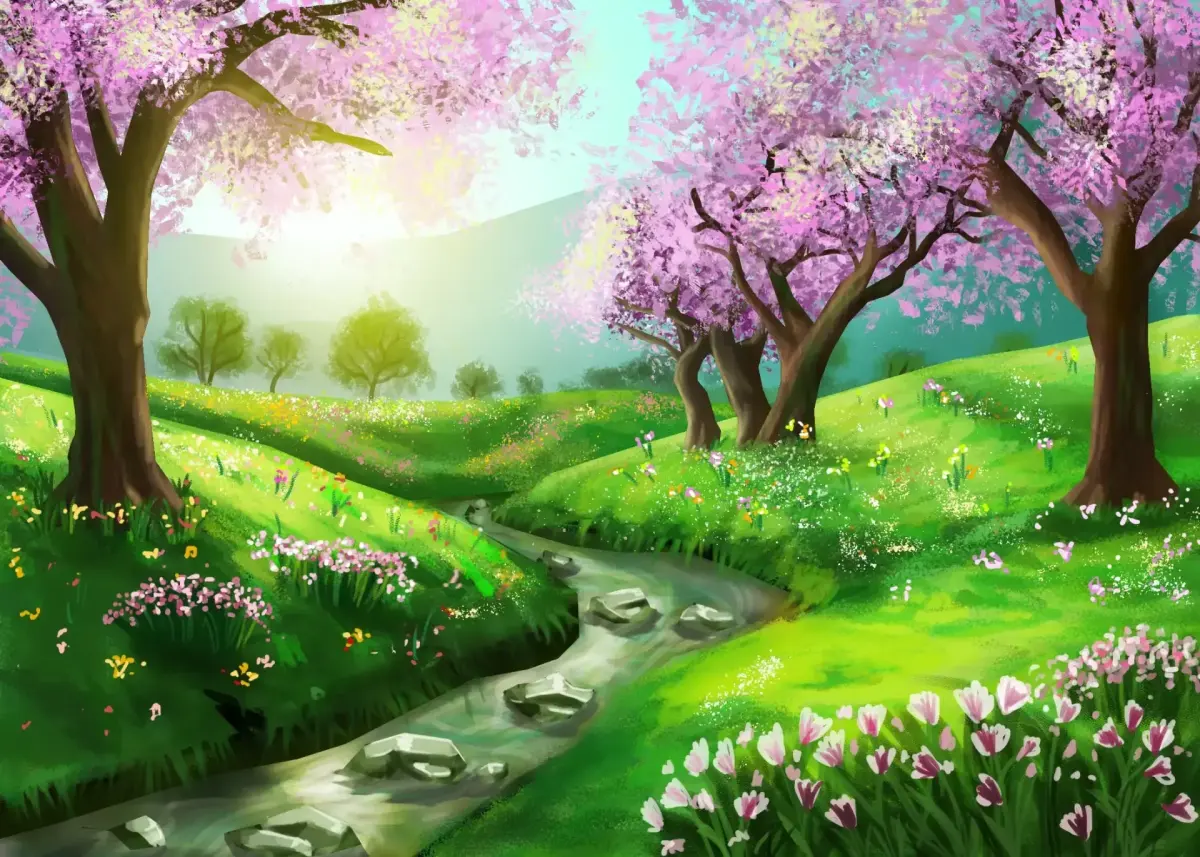
Landscape drawing during the spring involves capturing the return of greenery and the specific quality of seasonal light. Focus on scenes that highlight the contrast between the last remnants of winter and the beginning of new growth. A meadow filled with wildflowers, a budding orchard, or a pond reflecting a clear blue sky provides excellent opportunities to practice landscape composition and atmospheric perspective.
To organize your landscape drawing, follow these steps:
- Establish a horizon line to anchor your composition.
- Sketch large shapes for trees and hills, keeping details minimal at this stage.
- Add texture to the ground by using varying stroke densities to represent grass or moss.
- Incorporate a focal point, such as a blooming tree or a small stream, to draw the viewer's eye into the scene.
- Use soft, muted tones for distant objects to create a sense of depth and scale.
Why spring weather is great for art
Spring weather offers unique atmospheric conditions that are visually compelling for artists. The frequent rain, misty mornings, and shifting cloud patterns provide a dynamic backdrop for both realistic and impressionistic styles. Drawing rain requires careful attention to line direction and transparency, while capturing sunlight breaking through clouds allows for dramatic highlights and shadows. These elements add a narrative quality to your work, suggesting the cycle of growth and the cleansing nature of the season.
When depicting weather, focus on the interaction between the environment and the light. Reflections on wet pavement or the way light filters through fresh, translucent leaves can elevate a simple sketch into a sophisticated piece. Experiment with different mediums like watercolor or soft pastels, which excel at capturing the diffuse, airy quality of spring light. Avoid over-detailing every raindrop; instead, use gestural marks to suggest movement and the overall mood of the scene.
Common mistakes when drawing spring wildlife
A frequent error when drawing spring wildlife, such as baby birds or rabbits, is failing to account for their unique proportions. Young animals often have larger heads and eyes relative to their bodies compared to adults, which can make them look awkward if not rendered correctly. Another mistake is ignoring the texture of fur or feathers, which may look thinner or more patchy during the molting season. Always look at reference photos to understand how these animals move and interact with their environment.
To avoid these pitfalls, keep these tips in mind:
- Research the specific species to understand their typical spring behaviors and postures.
- Use soft, feathery pencil strokes to mimic the texture of downy feathers or new fur.
- Pay attention to the animal's weight and how it interacts with the ground or a branch.
- Keep the background simple so that the animal remains the clear focus of the drawing.
- Avoid using harsh black lines for outlines; instead, use varied line weights to suggest form.
How to use spring colors effectively
Spring is defined by a specific color palette that emphasizes freshness, clarity, and high saturation. Incorporating colors like pale yellows, vibrant greens, soft pinks, and sky blues can immediately evoke the feeling of the season. The key is to balance these bright tones with neutral earth colors, such as brown soil or grey stone, to prevent the drawing from looking overly artificial. Understanding color temperature is also vital; spring colors generally lean toward cooler, cleaner tones compared to the warm, golden hues of autumn.
When working with color, try to avoid muddying your pigments by over-mixing. Start with a light wash or a soft base layer and gradually build up intensity in areas of shadow or detail. If you are using colored pencils, use a white blender to soften transitions between colors, creating a smooth, natural look. Remember that spring light is often bright and diffuse, so minimize deep, heavy shadows unless you are specifically drawing a stormy scene. By focusing on the interplay of light and fresh color, you can successfully capture the spirit of the season in your art.
Key facts
- The vernal equinox, occurring around March 20, marks the official start of spring and a shift in natural lighting.
- Focus on botanical subjects like tulips, daffodils, and cherry blossoms to practice organic, flowing line work.
- Use a limited color palette of pastels, such as pale yellows, soft pinks, and light greens, to capture the season's aesthetic.
- Incorporate insects like bees or butterflies to add movement and scale to floral compositions.
- Sketching outdoors, or "en plein air," helps artists observe how spring sunlight creates softer, diffused shadows compared to winter.
- Layering colored pencils or watercolors allows for the subtle color transitions typical of budding leaves and petals.
The bottom line
Spring drawing offers a unique opportunity to explore organic forms and vibrant, light-filled palettes. By focusing on the delicate anatomy of flowers, the movement of pollinators, and the shifting quality of natural light, you can capture the essence of the season. Remember to observe your subjects closely, layer your colors thoughtfully, and embrace the subtle imperfections that make natural, living subjects appear truly authentic and alive.
People also ask
How can I draw realistic flower petals?
Start by observing the petal's base where it attaches to the stem, as this is usually the darkest and most compressed area. Use light, curved strokes to define the outer edges and add subtle shading to indicate the petal's depth and curvature.
What materials are best for capturing spring colors?
Water-based media like watercolors or gouache are ideal because they can be thinned to create the translucent, airy look of spring light. Soft-core colored pencils are also excellent for blending delicate transitions on flower surfaces.
How do I draw a butterfly without making it look stiff?
Focus on the asymmetrical nature of wings in motion rather than drawing them perfectly flat. Sketch the body as a series of small, connected ovals and ensure the wing patterns follow the contours of the wing shape.
Should I use ink or pencil for botanical sketches?
Pencils are better for beginners because they allow for easy erasing and layering of values. Ink is better for final outlines once you are confident in your shapes, as it provides a crisp, permanent contrast.
How do I create the effect of dew drops on leaves?
Draw a small, irregular circle and leave a tiny white space inside to represent the highlight. Shade the area directly beneath the drop with a slightly darker tone to create the illusion of volume and transparency.
What is a common mistake when drawing spring landscapes?
Many artists make the mistake of using only one shade of green for all foliage. Incorporate yellows, blues, and browns into your greens to accurately reflect the variety of new growth and shadowed areas.
This answer was created with the help of AI research tools and reference sources. Spotted an error? Let us know — we correct mistakes quickly. See our editorial policy.