How do you shade a landscape?
Short answer
Shading a landscape requires establishing a consistent light source to create depth and volume. By identifying the sun’s position, you can map highlights, midtones, and core shadows across terrain features. Using varied pencil pressures or paint opacities helps define textures, turning flat shapes into three-dimensional forms that recede realistically into the distance.
On this page
How to determine light direction in a landscape
The foundation of effective landscape shading is establishing a singular, consistent light source before you begin. If your light originates from the upper left, every object—from distant mountains to foreground trees—must cast shadows toward the lower right. Without this consistency, the scene will appear flat, disjointed, and visually confusing to the viewer.
To master this, visualize the sun as a fixed point in the sky. Use a small arrow in the corner of your sketchpad to remind yourself of the light's direction. As you work, constantly evaluate whether the highlights on your objects align with this vector. Consistency is the primary factor that convinces the eye of a landscape’s structural integrity and spatial depth.
How to use values to create depth
Values represent the range of lightness and darkness in your drawing, which is essential for creating the illusion of atmosphere. Objects closer to the viewer typically feature the highest contrast, with deep, dark shadows and bright highlights. As elements recede toward the horizon, the contrast diminishes, and values become lighter and more muted due to atmospheric perspective.
Follow these steps to build your value structure:
- Identify the focal point and establish your darkest darks there to draw the eye.
- Apply midtones across the landscape to define the general forms and shapes of hills or forests.
- Add highlights sparingly, as these provide the "pop" that suggests sunlight hitting a surface.
- Gradually lighten your pencil pressure or paint opacity as you move toward the background to simulate distance.

Best shading techniques for beginners
Beginners often struggle with heavy-handed strokes that make a landscape look muddy. Instead, focus on layering your values gradually. Start with a light, tentative touch to map out the shadows, then slowly build up the density of your graphite or pigment. This approach allows for corrections and prevents the paper from becoming overworked or damaged.
Consider these shading methods to add texture:
- Cross-hatching: Use intersecting diagonal lines to create deep, rich shadows in rocky terrain or dense foliage.
- Stippling: Apply small dots to create soft, diffused shadows, which work well for distant, hazy hills or clouds.
- Blending: Use a soft cloth or tortillon to smooth out transitions between light and shadow, creating a realistic, atmospheric glow.
- Scumbling: Use loose, circular marks to build up texture on tree bark or rough stone surfaces.
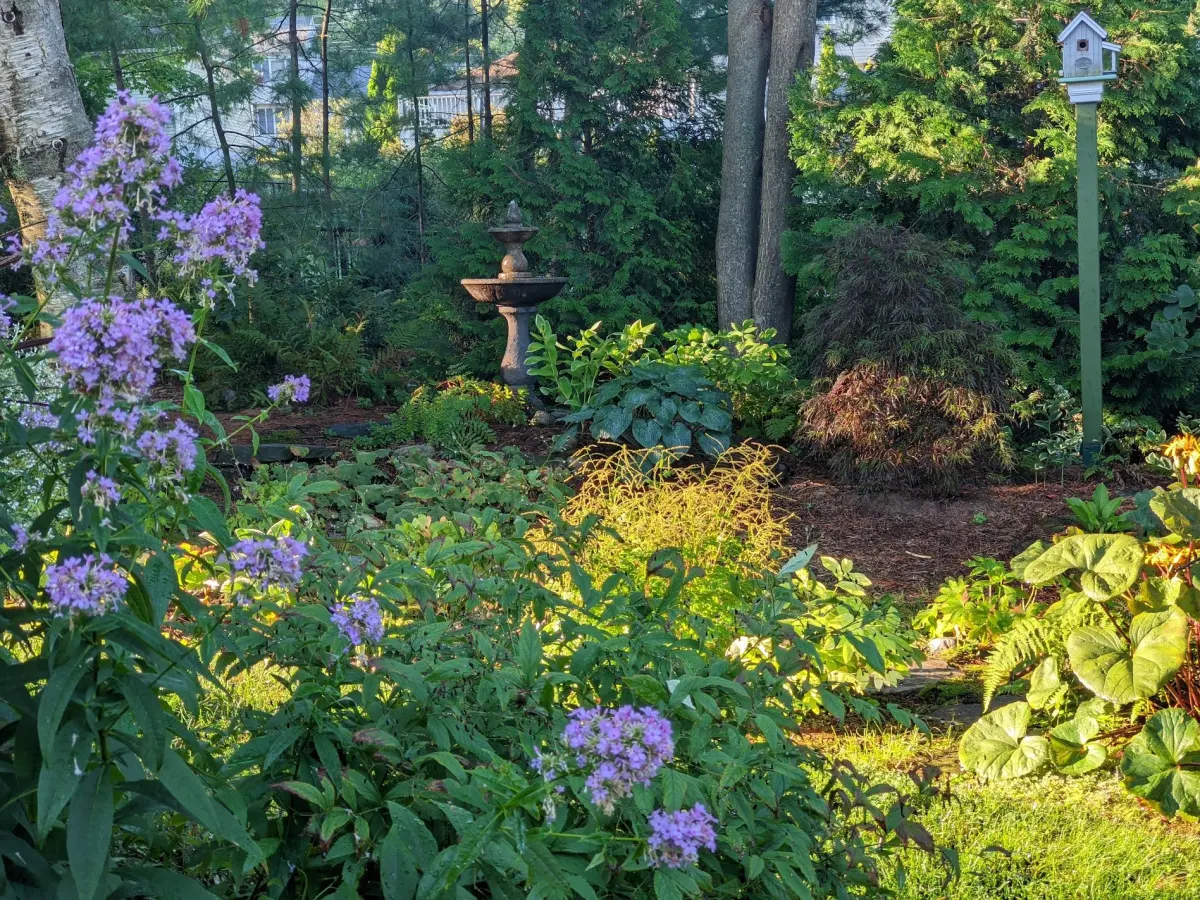
Why landscapes look flat when shaded
The most common reason a landscape looks two-dimensional is the lack of a "core shadow." A core shadow is the darkest area on an object, located just before the transition into reflected light. Many artists mistakenly use a uniform grey for all shadows, which ignores the way light bounces off the ground and back onto the undersides of objects.
Furthermore, failing to account for reflected light makes shadows appear like black holes rather than areas of color. Even in a deep shadow, there is usually a subtle hint of reflected light from the sky or surrounding terrain. By adding these subtle variations, you break up the monotony of dark areas. This technique adds "breathing room" to your shadows and makes the landscape feel like it exists in a real, oxygenated environment.
Common mistakes when shading landscapes
One frequent error is outlining every object in the scene. In nature, objects are defined by the contrast between light and shadow, not by hard black lines. When you outline, you effectively pin the object to the surface of the paper, destroying the sense of space. Instead, let the edges of your shadows define the shapes of the land.
Avoid these pitfalls to improve your results:
- Over-shading the background: Keep distant mountains light and vague to maintain the illusion of vast space.
- Ignoring cast shadows: Every prominent object, such as a tree or a boulder, must cast a shadow on the ground based on the sun's angle.
- Using a single pencil grade: Use a range of pencils, such as 2H for light planning and 4B or 6B for deep, dramatic shadows.
- Neglecting the sky: Remember that the sky is a light source; ensure your shading reflects the light coming from above rather than treating the landscape as if it exists in a vacuum.
Key facts
- Atmospheric perspective dictates that objects farther away appear lighter, cooler in tone, and less saturated.
- Establish a single light source direction early to ensure consistent shadows across all landscape elements.
- Use a full range of values, from deep darks in the foreground to subtle grays in the distant horizon.
- Cast shadows are typically darker and have sharper edges near the object, becoming softer as they extend away.
- Avoid using pure black for shadows; instead, mix complementary colors to create richer, more natural dark tones.
- Squint your eyes when looking at your subject to simplify complex details into basic shapes of light and shadow.
The bottom line
Shading a landscape effectively requires observing how light interacts with distance and form. By applying atmospheric perspective—where distant elements lose contrast and color intensity—you create a convincing illusion of depth. Maintain a consistent light source, use rich, mixed colors rather than flat black for shadows, and simplify complex scenery into clear value shapes. These techniques transform a basic outline into a three-dimensional, immersive visual experience.
People also ask
How do I choose the right colors for shadows?
Instead of just adding black, mix your local color with its complement or a cool blue or violet. This creates "chromatic shadows" that feel more vibrant and realistic under natural sunlight.
Should I shade the background or foreground first?
It is generally best to establish the overall light and shadow patterns across the entire composition first. You can then refine the foreground with higher contrast and detail while keeping the background soft.
Why do my landscapes look flat after shading?
Flatness often results from a lack of value contrast or ignoring the effects of atmospheric perspective. Ensure your foreground has the darkest darks and lightest lights to create a sense of depth.
How do I handle shadows on cloudy days?
Overcast lighting produces soft, diffused shadows with very blurred edges. Focus on subtle value shifts and gradients rather than hard-edged shapes to capture the muted quality of the light.
What is the most common mistake when shading trees?
Many beginners treat a tree as a solid object rather than a collection of foliage clusters. Shade each cluster individually to give the tree volume and prevent it from looking like a flat cutout.
How do I create depth using shadows?
Use long, horizontal cast shadows to lead the viewer’s eye through the landscape. By making foreground shadows darker and more defined than distant ones, you create a clear sense of spatial recession.
This answer was created with the help of AI research tools and reference sources. Spotted an error? Let us know — we correct mistakes quickly. See our editorial policy.