How do chameleons change color?
Short answer
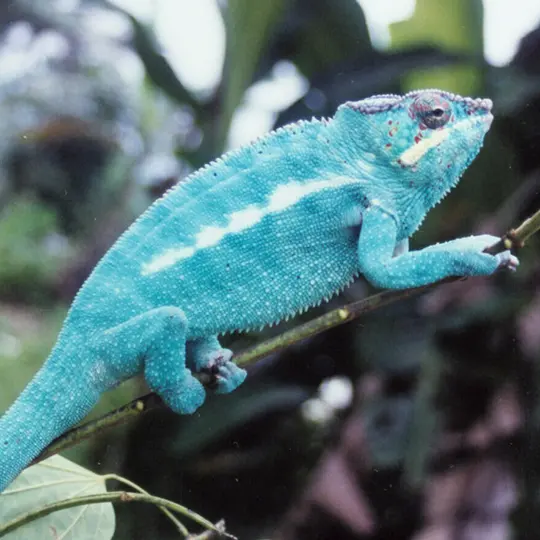
Chameleons change color primarily by adjusting specialized skin cells called iridophores. These cells contain nanocrystals that reflect light at different wavelengths. By physically spacing these crystals closer together or further apart, the chameleon alters the light reflected, shifting its appearance between vibrant colors like yellow, green, red, and blue.
On this page
How do chameleons change color physically?
The chameleon’s ability to shift hues is a sophisticated biological process involving multiple layers of skin. Beneath the outermost transparent layer lie specialized cells known as chromatophores. These cells contain various pigments, such as melanin, which dictate the base color of the animal. However, the most critical components for rapid color shifts are the iridophores, which are located in a layer beneath the pigment cells.
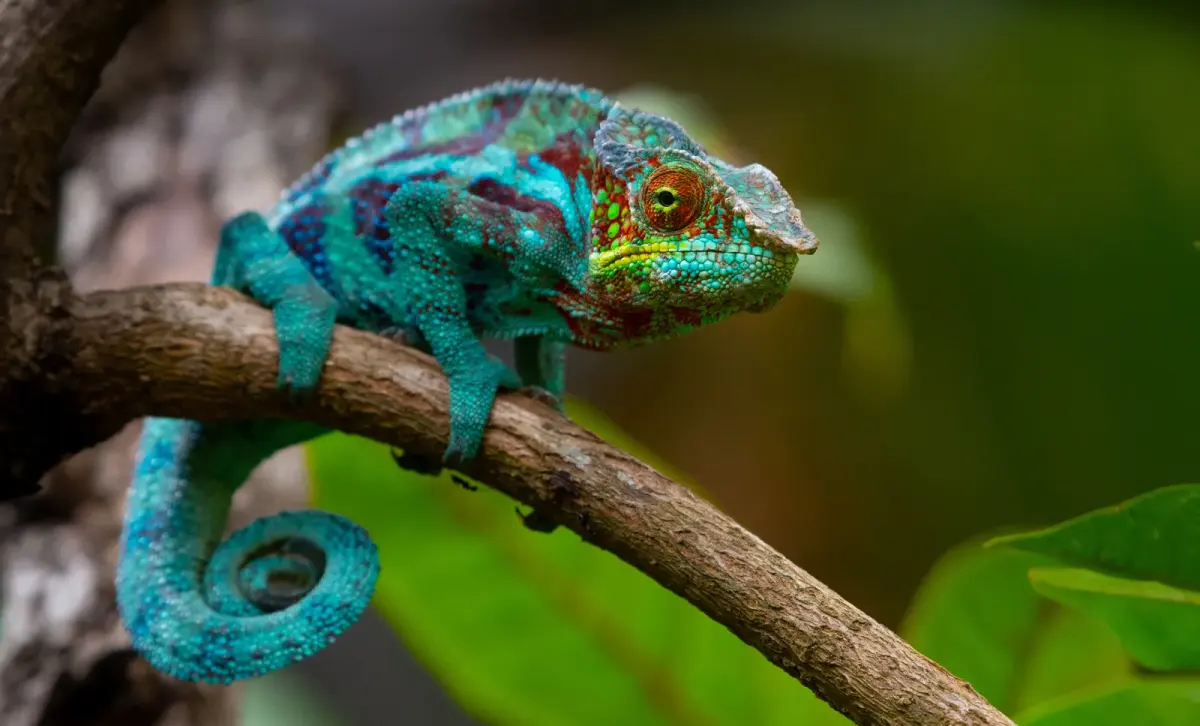
Iridophores contain tiny, organized lattices of guanine nanocrystals. When a chameleon is relaxed, these crystals are packed tightly together, reflecting shorter wavelengths of light, such as blue. When the animal becomes excited or stressed, it actively expands or contracts its skin, increasing the space between these crystals. This structural change causes the crystals to reflect longer wavelengths, such as yellow, orange, or red. By manipulating this lattice, the chameleon creates a complex, shifting palette of colors.
Why do chameleons change color?
Contrary to popular belief, chameleons do not change color primarily to blend into their surroundings. While their natural resting colors often provide excellent camouflage, the primary drivers for color change are social signaling and thermoregulation. Males often display bright, aggressive colors to intimidate rivals or to attract potential mates. A female might change her color to signal her receptivity to mating or to display her pregnancy status to suitors.
Thermoregulation is another vital function of this adaptation. Because chameleons are ectothermic, they rely on external heat sources to regulate their body temperature. Darker colors absorb more sunlight and heat, helping the animal warm up on chilly mornings. Conversely, lighter colors reflect sunlight, helping the chameleon cool down when temperatures rise. This physiological flexibility allows them to manage their metabolic needs while navigating diverse environments throughout the day.
How long does it take for a chameleon to change color?
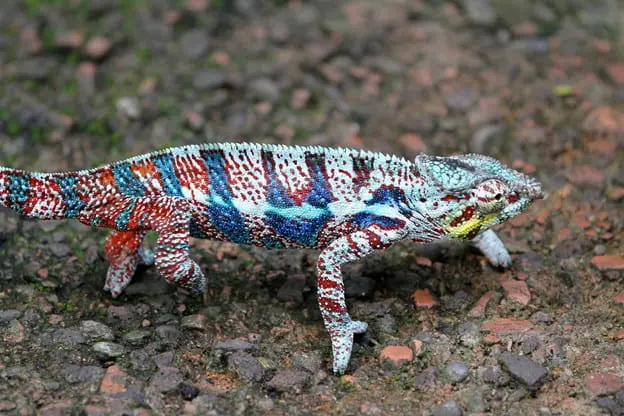
The speed of a color shift depends largely on the intensity of the stimulus and the species involved. Minor adjustments for thermoregulation can occur gradually over several minutes as the animal slowly warms or cools. In contrast, social interactions often trigger near-instantaneous transformations. A dominant male defending his territory can shift from a dull, resting state to a brilliant, high-contrast display in a matter of seconds.
- Identify the stimulus: The chameleon detects a threat or a mate.
- Signal transmission: The nervous system sends a rapid impulse to the skin cells.
- Structural adjustment: Iridophores physically reorganize their nanocrystals.
- Visual manifestation: The skin reflects the new color spectrum.
This rapid response is essential for survival in the wild. If a predator approaches or a rival male enters a territory, the chameleon must communicate its status immediately to avoid unnecessary conflict or to deter an attack.
Common mistakes when observing chameleon color changes
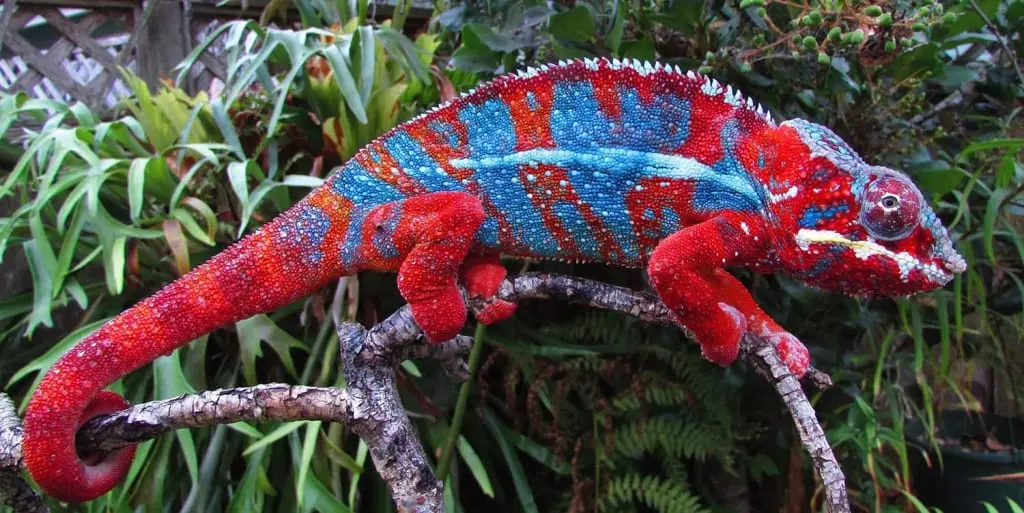
Many observers mistakenly assume that a chameleon’s color is a direct reflection of its mood, but this is an oversimplification. People often misinterpret a dark, dull chameleon as being "sad" or "depressed," when in reality, the animal may simply be trying to absorb more heat. Another common error is assuming that all species have the same range of colors. Some species, like the Panther chameleon, are famous for their vibrant, multi-colored displays, while others are limited to more subtle shifts in brown, gray, and green.
- Do not assume a dark color always indicates stress; check the ambient temperature first.
- Avoid startling the animal to force a color change, as this causes unnecessary physiological strain.
- Remember that individual chameleons have unique "color personalities" and may react differently to the same stimulus.
- Do not expect a chameleon to match the color of a specific object, like a plaid shirt or a bright toy, as their camouflage is based on natural environmental patterns rather than artificial colors.
Best practices for keeping chameleons healthy
If you are caring for a chameleon, understanding its color language is vital for monitoring its health. A healthy chameleon will display a range of colors appropriate to its environment and social interactions. If an animal remains a dark, muddy color for an extended period, it may be a sign of chronic stress, illness, or improper habitat conditions. Ensure the enclosure provides a proper thermal gradient so the animal can move between warm and cool zones to regulate its color and temperature naturally.
- Maintain a consistent light cycle to help the animal regulate its natural circadian rhythms.
- Provide plenty of foliage and hiding spots to reduce stress, which allows the chameleon to express its natural colors.
- Monitor hydration levels, as dehydration can significantly impact the skin’s ability to function correctly.
- Consult a specialized veterinarian if the chameleon displays persistent, abnormal dark patches that do not change with the environment.
By providing a stable environment, you allow the chameleon to exhibit its natural, vibrant colors without the burden of constant, stress-induced color shifts.
Key facts
- Chameleons change color primarily by adjusting specialized skin cells called iridophores that contain nanocrystals.
- By shifting the spacing between these nanocrystals, chameleons reflect different wavelengths of light, such as blue, yellow, or red.
- Color changes are often driven by emotional states like aggression, fear, or the desire to attract a mate rather than just camouflage.
- Temperature regulation is another key function, as darker colors absorb more heat while lighter colors reflect sunlight to cool the body.
- Most chameleons can shift their appearance within a few seconds to a few minutes depending on the intensity of their reaction.
- Proper habitat lighting, including full-spectrum UVB, is essential for captive chameleons to maintain healthy skin and natural color regulation.
The bottom line
Chameleons are biological marvels that utilize complex cellular structures to manipulate light and express their internal state. By adjusting the spacing of nanocrystals and moving pigments, they communicate with rivals, attract mates, and regulate their body temperature. Understanding these mechanisms reveals that color change is a sophisticated tool for survival and social interaction, far exceeding the simple myth of mimicking a background for camouflage.
People also ask
Do all chameleons change color?
While most chameleon species possess the ability to change color, the range and speed of these shifts vary significantly between species. Some species are limited to subtle shifts in brown or green, while others display vibrant, multi-colored patterns.
Can chameleons change color to match any background?
This is a common misconception; chameleons do not possess a "chameleon effect" that allows them to perfectly mimic any pattern or texture. Their color changes are rooted in physiological responses to their environment and social interactions rather than active mimicry.
How do chameleons communicate through color?
Chameleons use color as a visual language to signal dominance, submission, or mating readiness to other chameleons. Bright, high-contrast colors often signal aggression during territorial disputes, while softer colors may indicate a desire to avoid conflict.
Does stress affect a chameleon's color?
Yes, stress is a major trigger for color change, often causing the animal to turn dark or dull shades. If a chameleon remains dark for an extended period, it often indicates poor health, improper environmental conditions, or chronic stress.
Do chameleons change color to hide from predators?
While their resting colors often provide excellent natural camouflage in their native foliage, the active act of changing color is more social and thermoregulatory. Predatory avoidance is largely managed by their natural resting state rather than by rapid, conscious color shifts.
What is the role of melanin in color change?
Melanin is a dark pigment that chameleons can disperse or aggregate within their skin cells to darken their overall appearance. By moving melanin toward the surface, the chameleon can effectively block out other colors and appear brown or black.
This answer was created with the help of AI research tools and reference sources. Spotted an error? Let us know — we correct mistakes quickly. See our editorial policy.