What does a phoenix symbolize in art?
Short answer
The phoenix symbolizes eternal life, resurrection, and the cyclical nature of time. In art, it represents triumph over adversity, spiritual transformation, and the endurance of the human spirit. By depicting the bird rising from its own ashes, artists emphasize themes of renewal, hope, and the ability to overcome inevitable destruction.
On this page
What does the phoenix represent in art history?
The phoenix is a mythical firebird appearing in the folklore of ancient civilizations, most notably in Egyptian, Greek, and Persian traditions. In art, it serves as a powerful metaphor for the concept of immortality. Unlike other legendary creatures, the phoenix is uniquely defined by its death and subsequent rebirth, making it a staple motif for artists exploring themes of transition and permanence.
Historically, the phoenix was often depicted as a majestic bird resembling an eagle or a peacock, frequently surrounded by flames or solar imagery. This visual shorthand communicates the idea of divine energy and the cyclical movement of the sun. By incorporating the phoenix into their work, artists historically signaled a connection to the eternal, suggesting that while physical forms may perish, the essence of life remains constant and indestructible.
How to identify phoenix symbolism in paintings
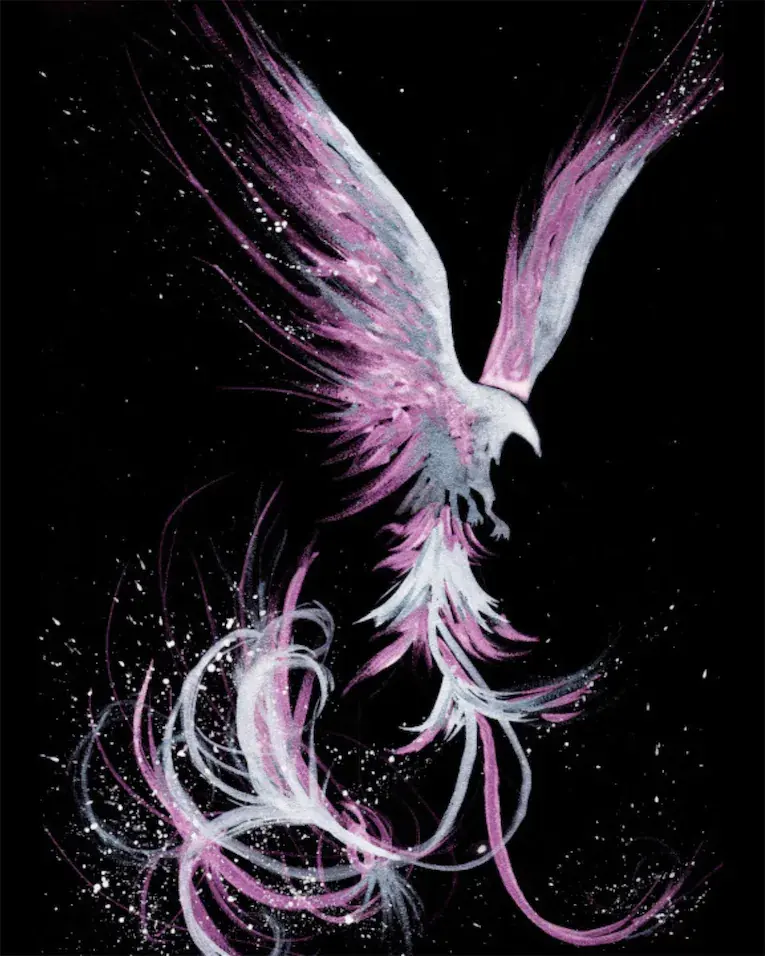
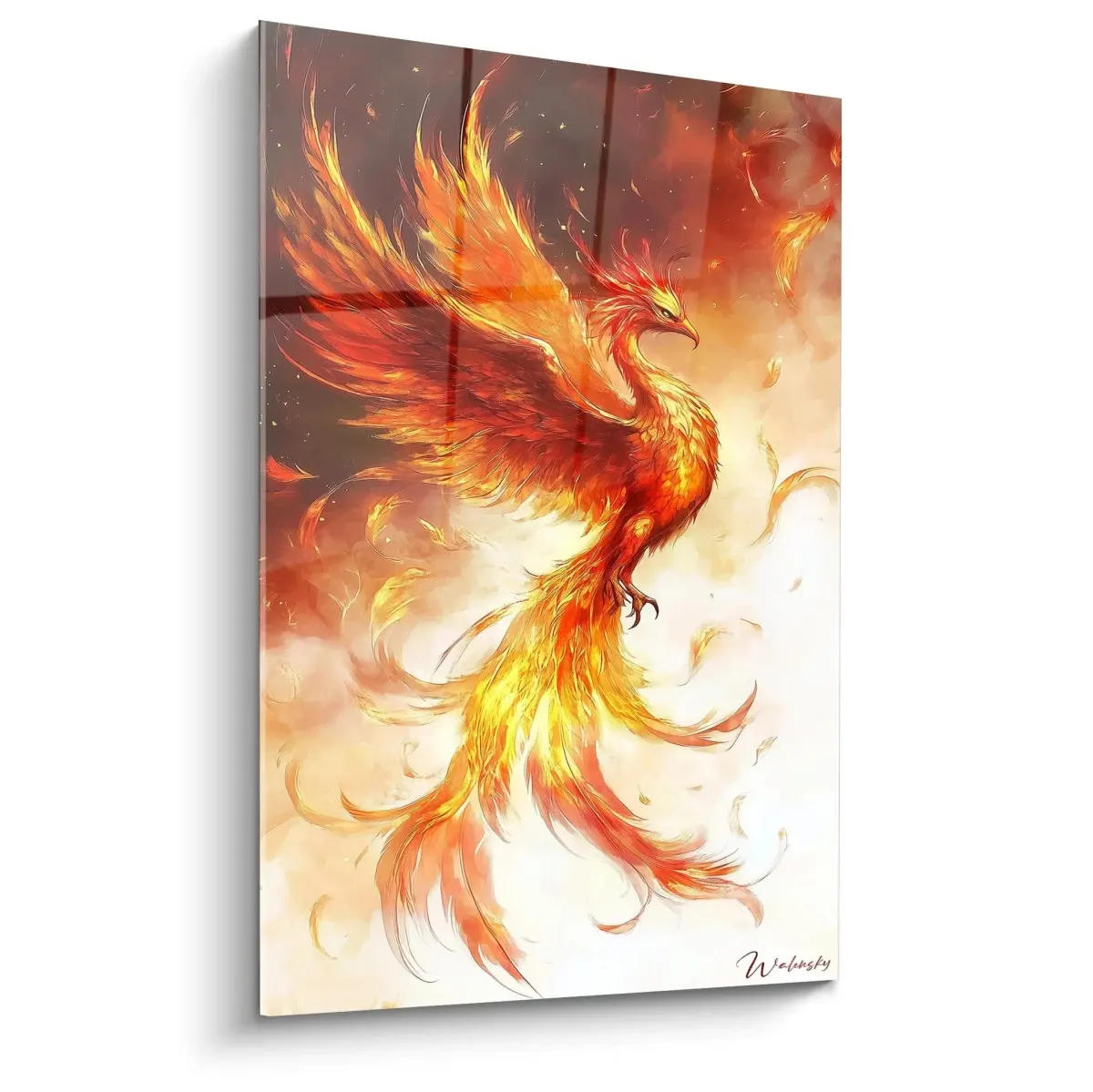
When analyzing art, look for specific visual cues that distinguish the phoenix from other avian figures. The most common indicators include the presence of fire, golden or crimson plumage, and a setting that suggests a nest or a pyre. Artists often place the bird in a state of ascending motion to emphasize its departure from the ashes of its previous self.
To accurately interpret these works, consider the following elements:
- The color palette: Intense reds, oranges, and golds signify the transformative heat of the fire.
- The posture: An upward-facing or flying pose indicates resurrection and spiritual ascension.
- The context: If the bird is depicted near a sun or a rising star, it reinforces the theme of a new beginning or a new era.
- The surrounding flora: Often, the phoenix is shown near aromatic plants like myrrh or cinnamon, referencing the legendary materials used in its funeral pyre.
Why artists use the phoenix as a motif
Artists frequently utilize the phoenix to represent personal or collective resilience. It is a popular choice for memorial art, commemorative monuments, and works that address recovery after a period of crisis. The bird acts as a visual promise that destruction is not the end, but rather a necessary precursor to a more refined or powerful state of existence.
Beyond personal resilience, the phoenix is also used to symbolize the endurance of institutions or ideologies. In political or religious art, the bird represents the survival of a cause despite intense opposition. By utilizing this symbol, the artist invites the viewer to reflect on their own capacity for growth. The phoenix transforms the abstract concept of hope into a tangible, recognizable image that resonates across different cultures and time periods.
Common mistakes when interpreting phoenix imagery
A frequent error in interpreting phoenix imagery is confusing it with other mythical birds, such as the firebird of Slavic folklore or the Chinese Fenghuang. While these creatures share similarities, their symbolic functions vary. The Fenghuang, for instance, is often associated with feminine grace and the union of yin and yang, whereas the Western phoenix is strictly tied to the cycle of death and rebirth.
To avoid misinterpretation, follow these steps:
- Research the cultural context of the specific artwork to determine if the bird follows the Western "rebirth" narrative or an Eastern "harmony" narrative.
- Examine the background for symbols of decay or destruction, which are essential to the phoenix myth but absent in many other bird motifs.
- Distinguish between a phoenix and a simple eagle, which represents power and authority rather than spiritual renewal.
- Check for the presence of a nest or ashes, as these are the defining environmental markers of the phoenix legend.
Best ways to incorporate the phoenix in modern creative projects
If you are looking to use the phoenix in your own creative work, focus on the narrative of transformation rather than just the aesthetic of the bird. The most effective depictions move beyond a literal illustration of a bird in flames. Instead, consider how the concept of renewal can be expressed through texture, light, and composition to evoke a feeling of emergence.
When designing a piece centered on this theme, prioritize the balance between the "old" and the "new." You might use darker, muted tones for the base of the composition to represent the ashes, transitioning into brilliant, vibrant colors as the eye moves upward toward the bird. This contrast guides the viewer through the story of the phoenix, emphasizing the struggle and the eventual triumph. By focusing on the emotional arc of the creature, your artwork will communicate a deeper, more universal message about the persistence of life.
Key facts
- The phoenix is a mythical bird that cyclically regenerates or is otherwise born again from the ashes of its predecessor.
- In ancient Egyptian mythology, the bird was known as the Bennu and was associated with the sun, creation, and rebirth.
- Greek historian Herodotus recorded the legend in the 5th century BCE, describing the bird as having red and gold plumage.
- Christian art frequently utilized the phoenix as a potent symbol of the resurrection of Jesus Christ and eternal life.
- During the Renaissance, the bird became a popular emblem of alchemy, representing the successful transmutation of base metals into gold.
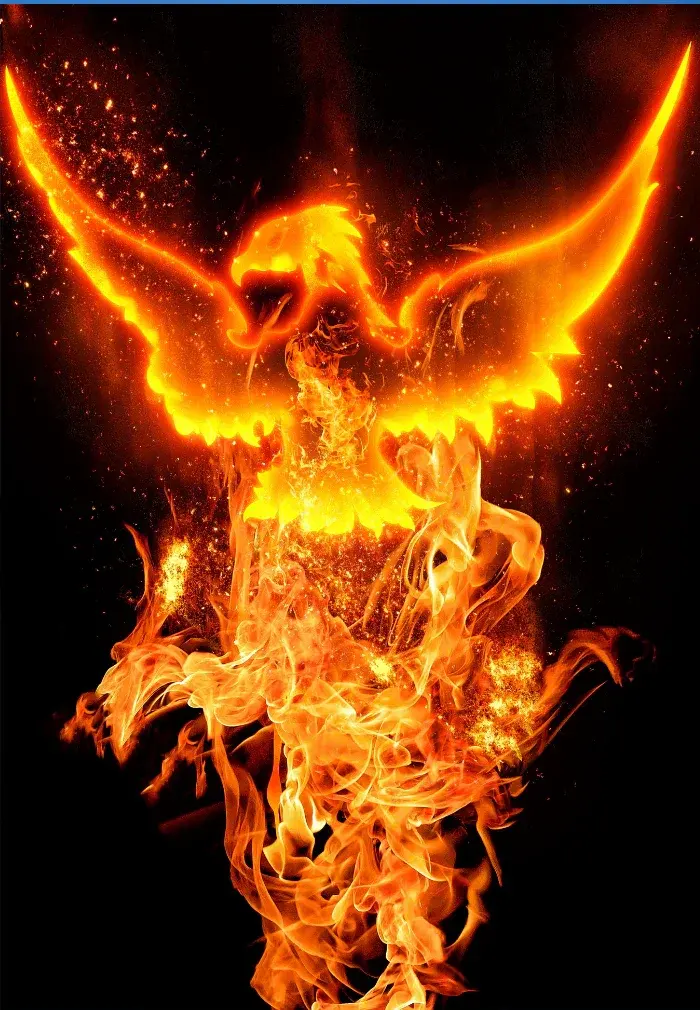
- When depicting a phoenix, ensure the flames are integrated into the silhouette to emphasize the theme of transformation rather than mere destruction.
The bottom line
The phoenix remains one of history’s most enduring symbols of resilience and transformation. By representing the triumph of life over death, it bridges ancient mythology and modern artistic expression. Whether viewed through a religious, alchemical, or secular lens, the bird serves as a reminder that endings are often the necessary precursors to new beginnings, providing a powerful visual metaphor for human growth and spiritual renewal.
People also ask
Is the phoenix a real animal?
No, the phoenix is an entirely mythical creature that appears in the folklore of various cultures. It does not exist in the natural world and has no biological equivalent.
How long does a phoenix live before it dies?
Ancient accounts vary significantly regarding its lifespan. Some legends suggest it lives for 500 years, while others claim it survives for 1,461 years before self-immolating.
What is the difference between a phoenix and a firebird?
While both are legendary avian creatures associated with fire, the firebird originates from Slavic folklore. Unlike the phoenix, which represents rebirth, the firebird is often a quest object that brings both fortune and misfortune to its captor.
Can a phoenix represent something negative?
While primarily a symbol of hope, some modern interpretations use the phoenix to represent the destructive nature of cycles. It can symbolize the necessity of burning down old systems to allow for new growth.
Are there specific colors associated with the phoenix?
Traditionally, the bird is depicted with vibrant red, orange, and gold feathers to mimic the appearance of flames. These colors are meant to evoke the heat of the sun and the intensity of the pyre.
Why is the phoenix often shown with a nest?
The nest is a crucial element of the myth because it serves as the funeral pyre. The bird builds this nest from aromatic spices like myrrh and cinnamon before igniting it to trigger its rebirth.
This answer was created with the help of AI research tools and reference sources. Spotted an error? Let us know — we correct mistakes quickly. See our editorial policy.