What is Pablo Picasso known for?
Short answer
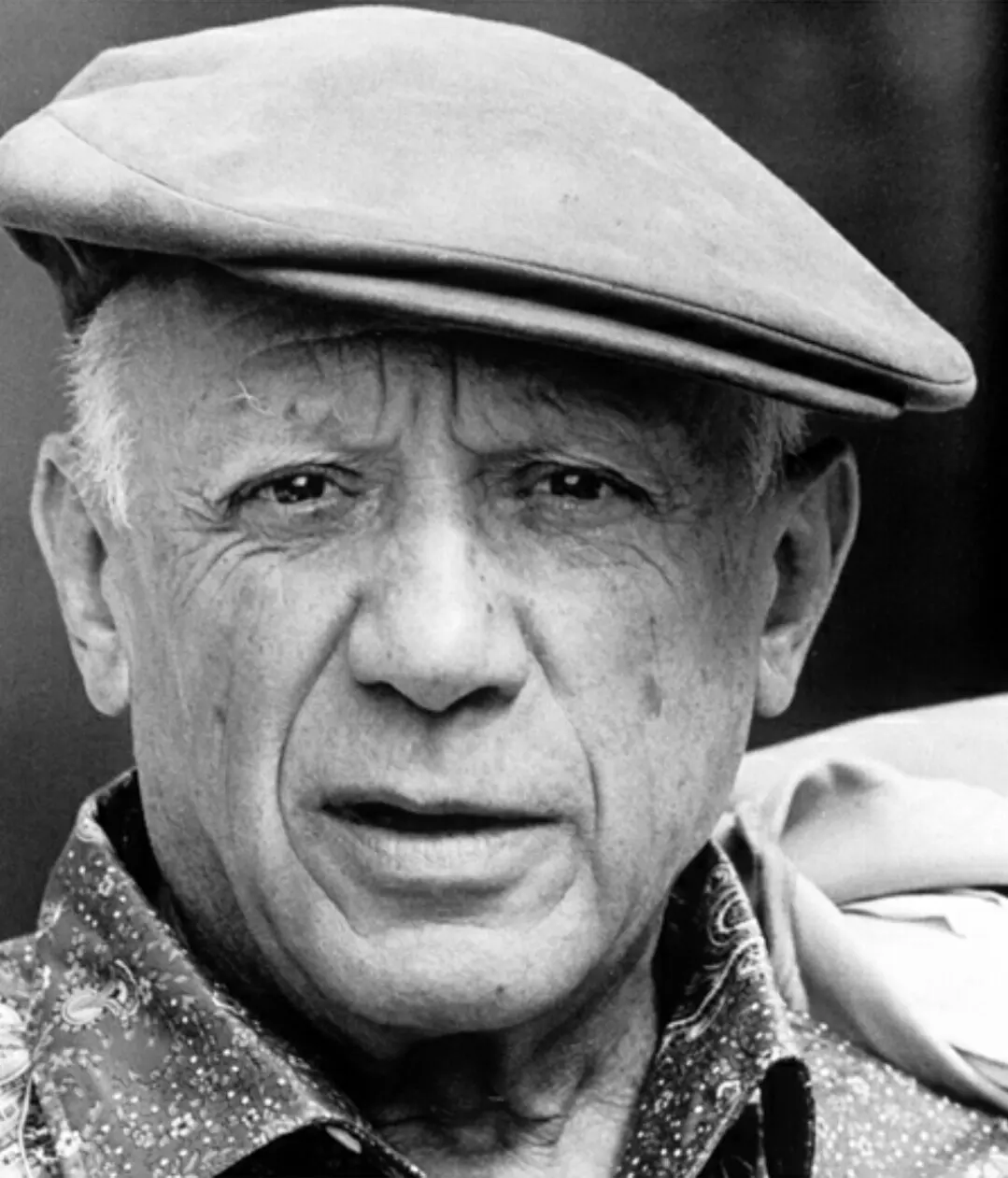
Pablo Picasso is celebrated as the most influential artist of the 20th century, renowned for co-founding the Cubist movement and inventing constructed sculpture. His prolific career spanned over 75 years, during which he produced an estimated 150,000 works, including paintings, ceramics, and prints, fundamentally altering how the world perceives visual reality.
On this page
Why is Pablo Picasso so famous?
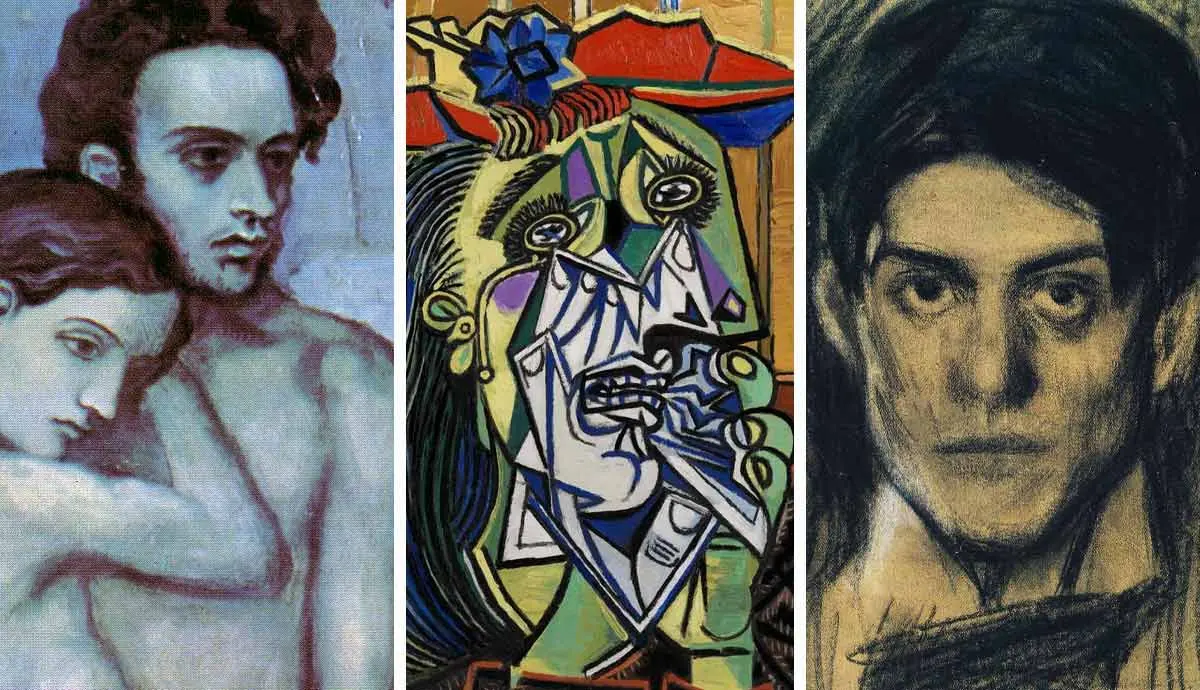
Picasso’s fame stems from his relentless drive to reinvent his artistic style, refusing to be confined by traditional techniques. Born in Spain in 1881, he displayed prodigious talent as a child and evolved through distinct phases, most notably his Blue Period and Rose Period. These early works demonstrated his mastery of emotional expression and color theory before he pivoted toward radical abstraction.
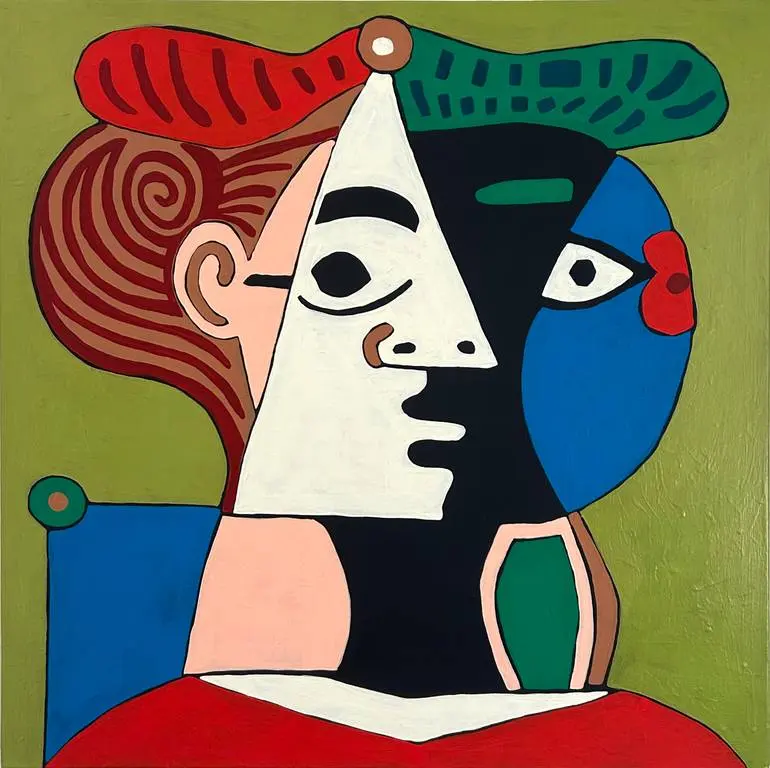
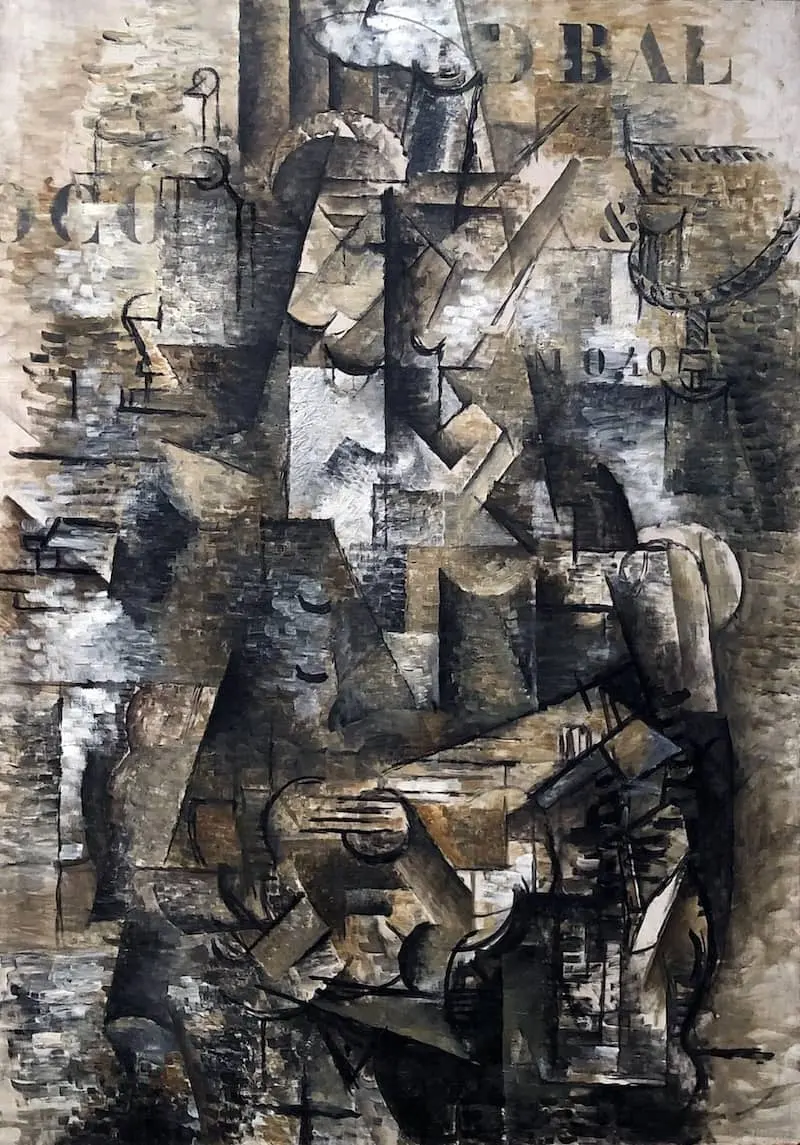
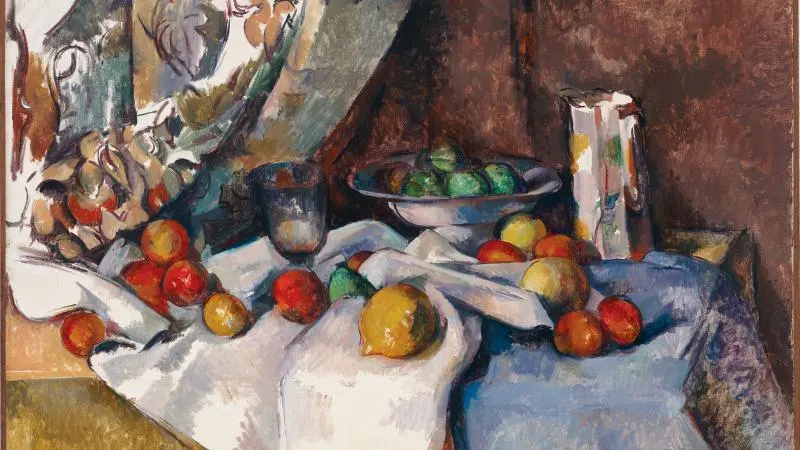
His greatest contribution remains the development of Cubism alongside Georges Braque around 1907. By breaking objects into geometric shapes and depicting them from multiple viewpoints simultaneously, Picasso shattered the Renaissance tradition of linear perspective. This shift was not merely an aesthetic choice; it was a philosophical inquiry into how humans perceive space and time. His work challenged viewers to engage intellectually rather than passively, setting the stage for virtually every major modern art movement that followed.
How did Cubism change art history?
Cubism is widely considered the most significant development in Western art since the invention of perspective in the 14th century. By deconstructing forms, Picasso and Braque forced the audience to reconstruct the image in their minds. This intellectual rigor paved the way for abstract art, as it proved that a painting did not need to be a literal representation of the physical world to hold profound meaning.
The movement progressed through two primary stages:
- Analytical Cubism: Characterized by a monochromatic palette and the fragmentation of objects into complex, overlapping planes.
- Synthetic Cubism: Introduced the use of collage, incorporating real-world materials like newspaper clippings, oilcloth, and sand into the canvas.
By integrating everyday objects into high art, Picasso bridged the gap between reality and representation. This innovation influenced graphic design, architecture, and industrial design, proving that art could be both conceptual and tactile.
What are the most famous paintings by Picasso?
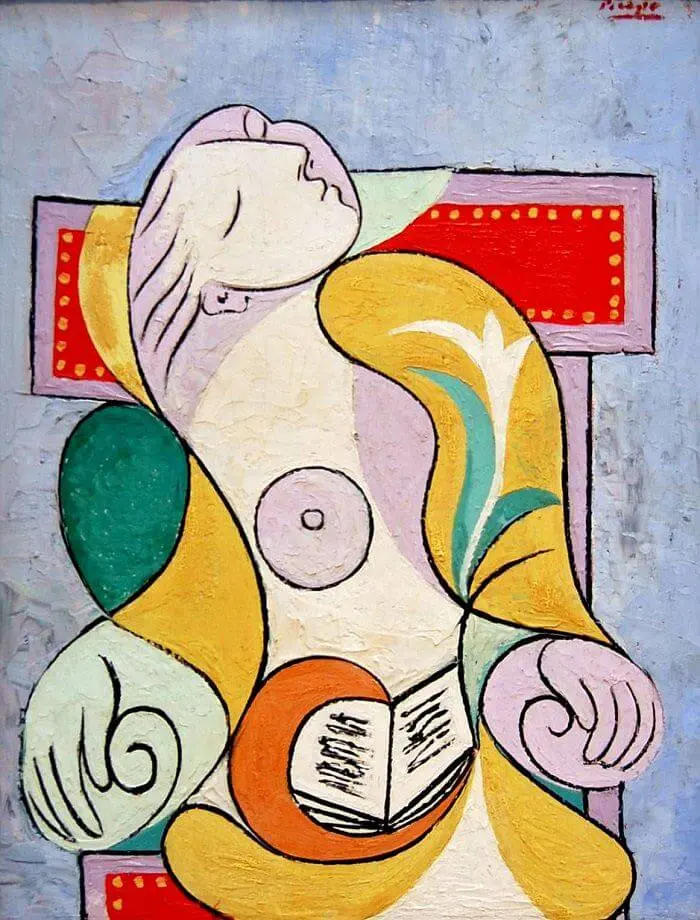
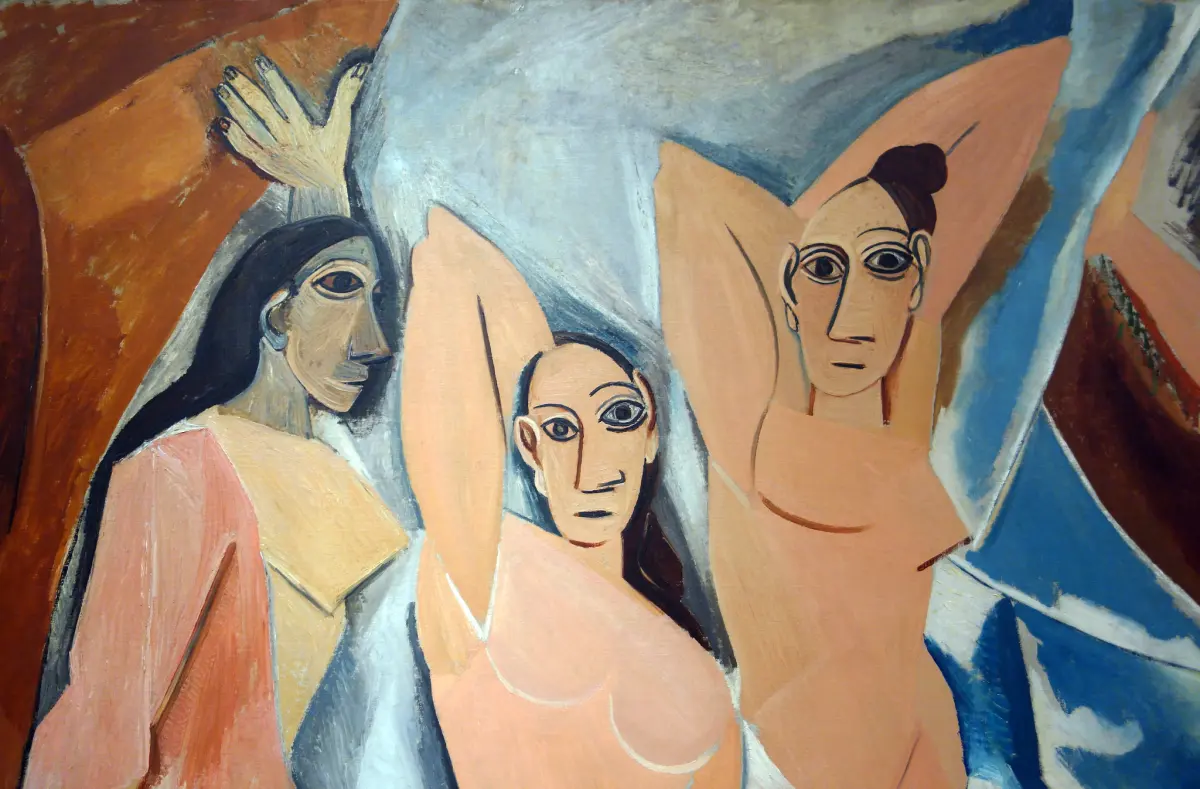
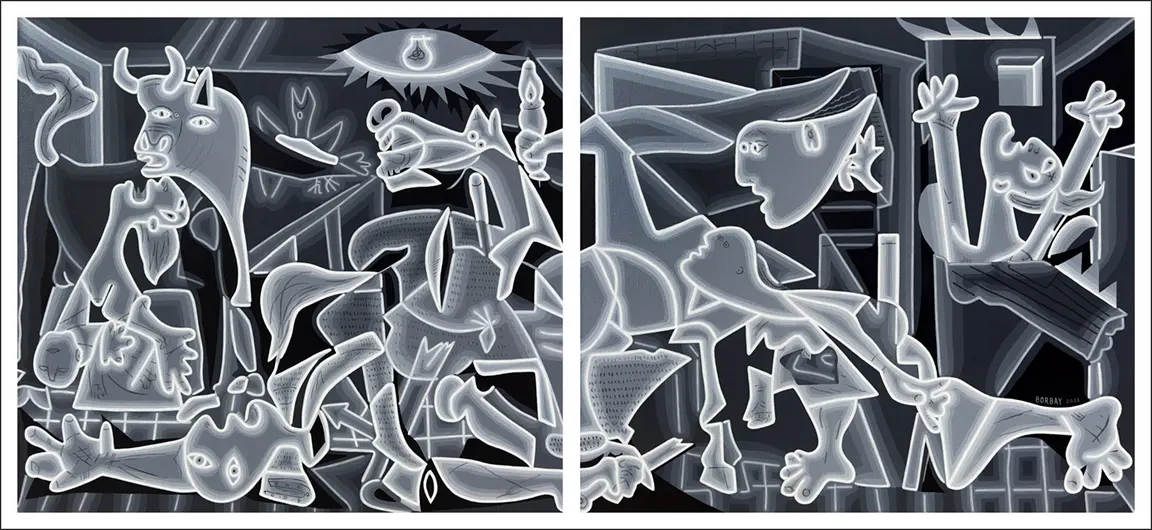
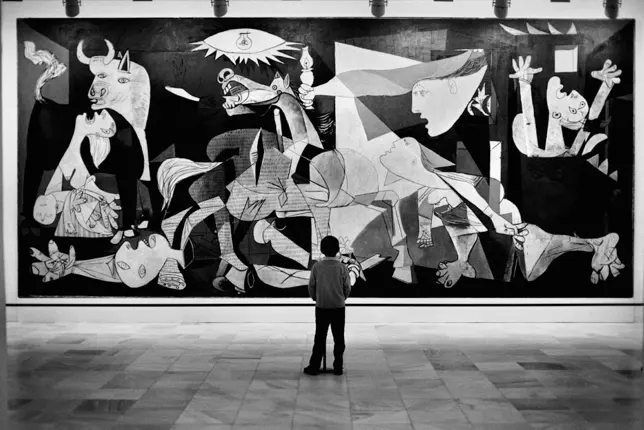
While his output was vast, several works stand out as pillars of modern art history. Les Demoiselles d'Avignon (1907) is perhaps his most shocking early work, featuring angular, mask-like faces that signaled the birth of Cubism. Guernica (1937), a massive mural depicting the horrors of the Spanish Civil War, remains one of the most powerful anti-war statements ever created.
Other essential works include:
- The Old Guitarist (1903): A masterpiece of the Blue Period, capturing themes of poverty and melancholy.
- Girl before a Mirror (1932): An exploration of identity and vanity using vibrant, bold colors.
- The Weeping Woman (1937): A poignant study of grief that utilizes jagged lines to convey psychological distress.
These works demonstrate his ability to adapt his visual language to suit the emotional weight of his subject matter. Whether through the somber tones of his early years or the chaotic energy of his later political pieces, his work consistently demands an emotional response.
Common mistakes when studying Picasso’s work
One common error is assuming that Picasso’s later, more abstract work was the result of a lack of skill. In reality, Picasso was a classically trained painter who could draw with the precision of an Old Master by age 14. His move toward abstraction was a conscious choice to prioritize internal truth over external realism. Dismissing his later work as "childish" ignores the deep technical mastery and intentionality behind his stylistic shifts.
Another mistake is viewing his work in isolation from his personal life. Picasso’s art was deeply autobiographical, often reflecting his relationships with his muses, his political stances, and his reactions to global conflicts. To understand a specific painting, it is helpful to research the context of his life at that moment. Avoiding these pitfalls allows for a more nuanced appreciation of his evolution from a traditional painter to a revolutionary iconoclast who redefined the boundaries of human creativity.
How to appreciate Picasso’s style as a beginner
If you are new to Picasso, start by visiting a museum that holds a significant collection of his work, such as the Picasso Museum in Paris or Barcelona. When viewing a painting, do not worry about identifying the subject matter immediately. Instead, focus on the lines, the color choices, and the way the composition makes you feel. Ask yourself why he chose to distort a specific shape or emphasize a particular shadow.
Follow these steps to deepen your understanding:
- Research the specific period of the artist's life when the work was created.
- Compare a portrait from his early career with one from his later years to see the evolution of his technique.
- Look for recurring symbols, such as the bull or the dove, which often carried personal or political significance.
By observing the progression of his style over time, you will begin to see the logic behind his apparent chaos. Picasso was not just painting objects; he was painting his experience of living, and by engaging with his work, you are participating in that same ongoing conversation about the nature of humanity.
Key facts
- Picasso co-founded the Cubist movement in 1907, which revolutionized modern art by representing subjects from multiple viewpoints simultaneously.
- He was an exceptionally prolific artist, creating an estimated 150,000 works, including paintings, sculptures, ceramics, and stage designs.
- His 1937 mural Guernica is considered one of the most powerful anti-war statements in history, depicting the bombing of a Basque town.
- He transitioned through distinct artistic periods, most notably the Blue Period (1901–1904) and the Rose Period (1904–1906).
- Picasso was born in Málaga, Spain, in 1881 and spent the majority of his adult life living and working in France.
- To appreciate his work, visit museums like the Musée Picasso in Paris or the Picasso Museum in Barcelona to see the evolution of his style in person.
The bottom line
Pablo Picasso remains the most influential figure in 20th-century art, primarily for his role in pioneering Cubism and his relentless capacity for reinvention. By abandoning traditional perspective, he fundamentally altered how we perceive visual reality. Whether through his somber Blue Period or his monumental political murals, Picasso’s vast body of work serves as a testament to the power of artistic evolution and constant creative experimentation.
People also ask
Why did Picasso change his painting style so often?
Picasso believed that repeating a style was a form of stagnation. He constantly sought new ways to express reality, often shifting his approach based on his emotional state or new artistic influences.
What is the significance of the Blue Period?
During this time, Picasso used shades of blue and green to depict themes of poverty, loneliness, and despair. These works were heavily influenced by the suicide of his close friend, Carlos Casagemas.
Did Picasso only paint on canvas?
No, he was a versatile craftsman who experimented with various media. He produced thousands of ceramic pieces, intricate bronze sculptures, and even designed costumes for the Ballets Russes.
Was Picasso a child prodigy?
Yes, he displayed extraordinary technical skill in drawing and painting from a very young age. By age 14, he had already mastered academic realism, which allowed him to later deconstruct form with authority.
What is the main characteristic of his Cubist phase?
Cubism involves breaking down objects into geometric shapes and reassembling them in an abstract form. This technique challenged the traditional Western practice of using perspective to create a realistic illusion of depth.
How can I identify a genuine Picasso painting?
Authentication is a complex process involving provenance, expert analysis of brushwork, and historical records. Avoid assuming a work is authentic based on a signature alone, as many forgeries exist.
This answer was created with the help of AI research tools and reference sources. Spotted an error? Let us know — we correct mistakes quickly. See our editorial policy.