What is Pablo Picasso's most famous painting?
Short answer
Guernica is widely considered Pablo Picasso’s most famous painting. Created in 1937, this monumental mural depicts the horrors of the Spanish Civil War following the bombing of the Basque town of Guernica. Its stark black, white, and gray palette, combined with its powerful anti-war message, has made it an enduring global icon.
On this page
Why is Guernica the most famous painting?
Guernica gained its status as Picasso’s masterpiece primarily due to its profound political resonance and its shift in artistic style. Commissioned by the Spanish Republican government for the 1937 Paris International Exposition, the painting serves as a visceral protest against the brutality of war. By stripping away color and focusing on distorted, agonized figures, Picasso created a universal language of suffering that transcends the specific historical event of the aerial bombardment.
The painting’s composition is equally significant, utilizing a complex arrangement of figures that includes a wailing woman, a fallen soldier, and a gored horse. These symbols have been analyzed for decades, representing the innocence of victims and the senselessness of violence. Because it toured internationally for years to raise funds for Spanish refugees, it became a symbol of resistance against fascism that resonated far beyond the art world, cementing its place in history as a definitive statement on human conflict.
What is the history of Guernica?
The creation of Guernica was a rapid response to the April 26, 1937, bombing of the town of Guernica by Nazi German and Fascist Italian warplanes. Picasso, who had been struggling to find a subject for his mural commission, was galvanized by the reports of the massacre. He completed the massive canvas, which measures approximately 11 feet by 25 feet, in just over a month.
Following the exposition, the painting embarked on a long journey to protect it from the political fallout of the Spanish Civil War and World War II. For many years, it was housed at the Museum of Modern Art in New York City, as Picasso requested that it not return to Spain until the country had restored its democratic liberties. It finally returned to Madrid in 1981, six years after the death of dictator Francisco Franco, and it is now the centerpiece of the Museo Reina Sofía.
How to analyze a Picasso painting
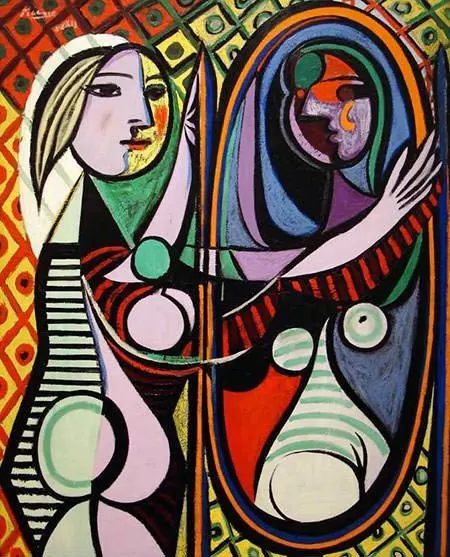
Analyzing a work like Guernica requires looking past the initial chaos to understand the underlying structure and symbolism. Picasso utilized Cubism and Surrealism to break down reality, forcing the viewer to engage with the subject matter from multiple perspectives simultaneously. When viewing his work, consider these elements:
- The color palette: Picasso often used limited colors to emphasize form and mood rather than realism.
- The use of distortion: Notice how limbs are elongated or twisted to convey emotional pain rather than anatomical accuracy.
- The symbolic figures: Identify recurring motifs such as the bull, which often represents Spain or darkness, and the light bulb, which can symbolize technology or the all-seeing eye of God.
- Focus on the central figure of the horse to understand the emotional core of the work.
- Trace the path of the light source to see how Picasso directs the viewer's eye across the canvas.
- Compare the static, architectural lines with the fluid, organic shapes of the figures.
Common mistakes when studying Picasso
One common mistake is attempting to interpret every symbol in a Picasso painting as a literal, fixed representation. Picasso himself was notoriously evasive about the specific meanings of his symbols, often stating that the bull is a bull and the horse is a horse. By insisting on a rigid, singular interpretation, viewers often miss the broader emotional impact that the artist intended to convey through his abstract forms.
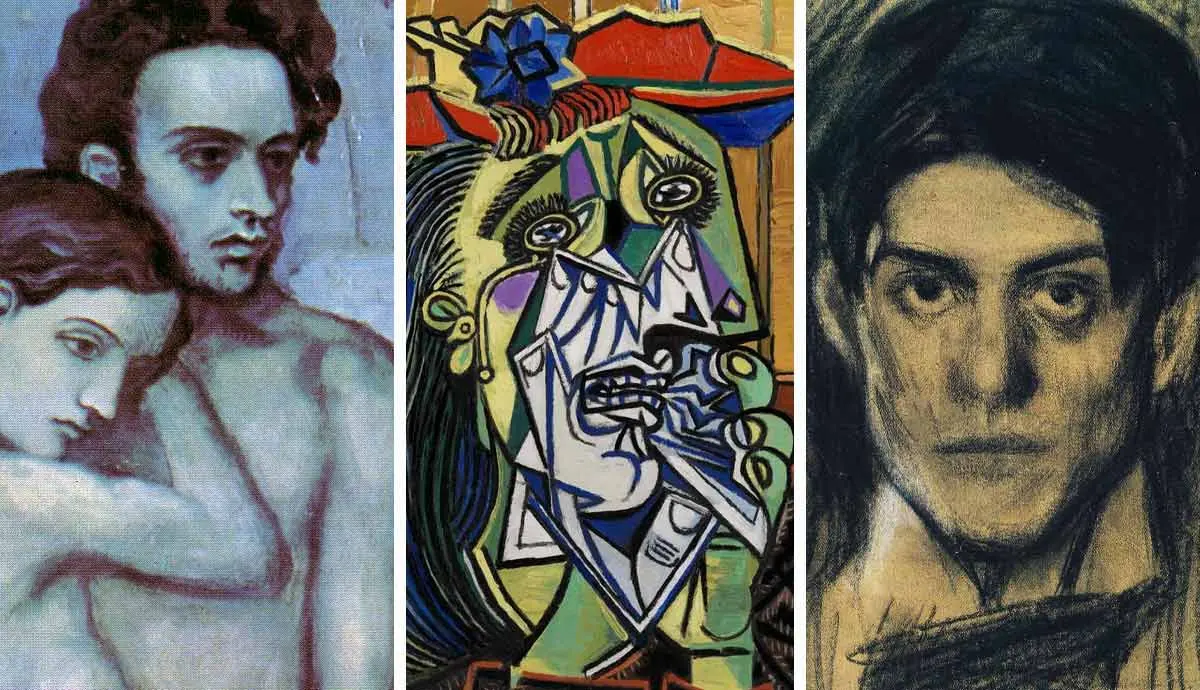
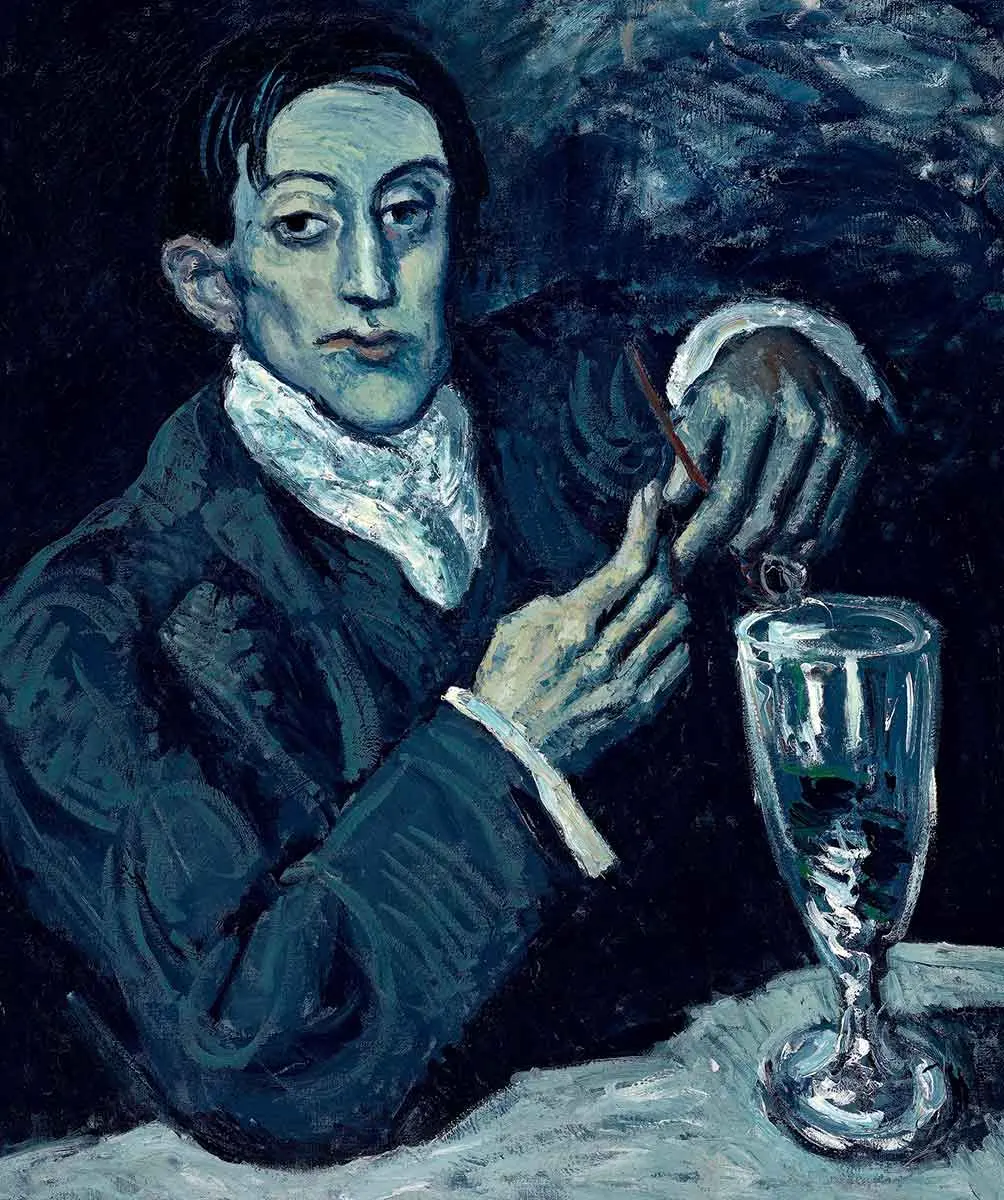
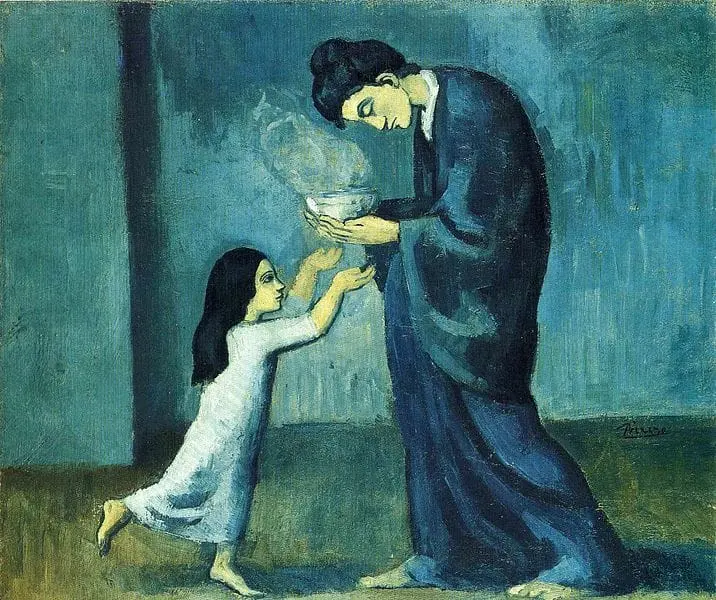
Another error is ignoring the chronological context of his career. Picasso’s style evolved dramatically from his Blue Period to his Rose Period, and finally into the fractured geometry of Cubism. Viewing a painting in isolation without considering the period in which it was created can lead to a misunderstanding of his technical development. Always research the specific year of production to understand the personal or political circumstances that influenced his artistic choices during that time.
Where to see Picasso's most famous works
While Guernica is the most famous, Picasso was incredibly prolific, and his works are distributed across the globe. If you are interested in seeing his art in person, you should plan visits to major institutions that hold significant collections of his paintings, sculptures, and sketches.
- Museo Reina Sofía, Madrid: Home to Guernica and a massive collection of preparatory sketches.
- Musée Picasso, Paris: Located in the Marais district, this museum houses thousands of pieces from every stage of his life.
- Picasso Museum, Barcelona: This institution focuses heavily on his formative years and his relationship with the city of Barcelona.
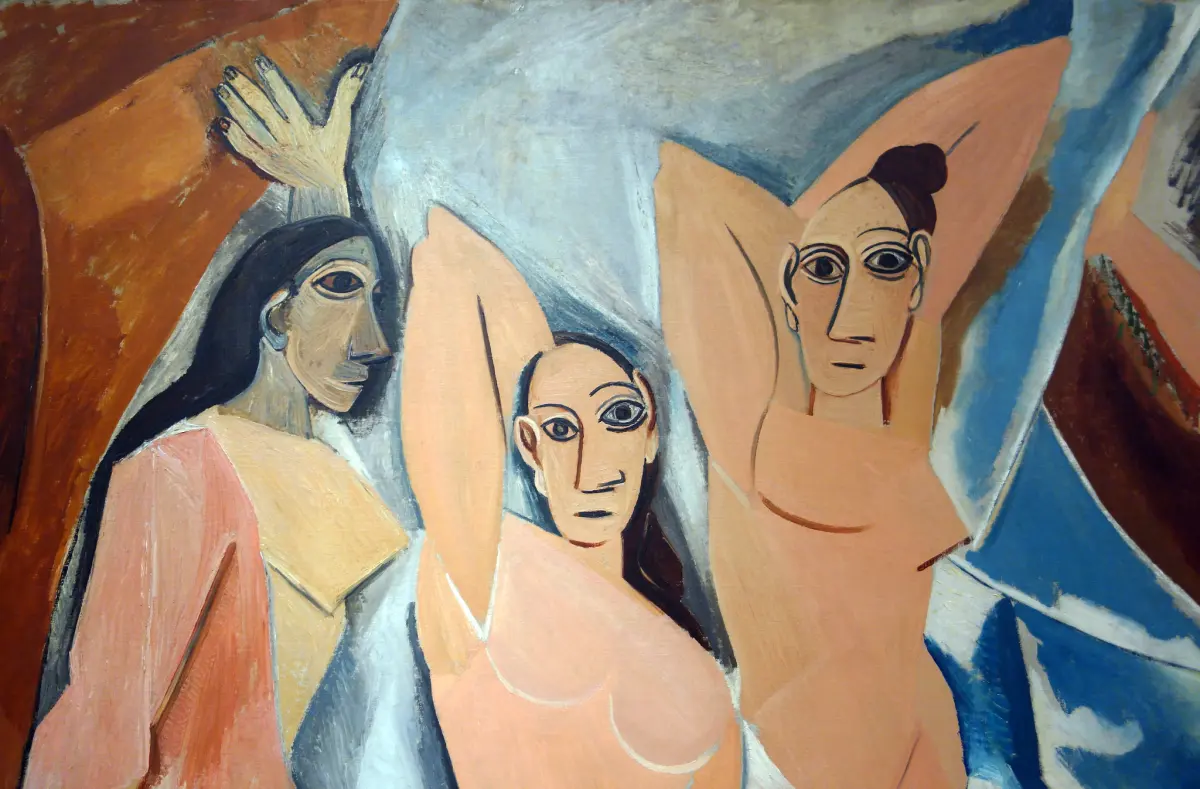
- The Museum of Modern Art, New York: Holds several key Cubist works, including Les Demoiselles d'Avignon.
Before visiting, check the museum's official website to ensure the specific painting you wish to see is currently on display, as major works are sometimes loaned to other international exhibitions. By planning your trip around these specific institutions, you can gain a comprehensive understanding of how Picasso’s style shifted and matured throughout his long and influential career as one of the most important figures in modern art history.
Key facts
- Guernica (1937) is widely considered Pablo Picasso’s most famous and politically significant painting.
- The mural measures approximately 11.5 feet tall and 25.5 feet wide, making it an imposing centerpiece.
- It depicts the horrors of the Spanish Civil War, specifically the aerial bombing of the town of Guernica.
- The painting uses a stark, monochromatic palette of black, white, and gray to emphasize the tragedy.
- Guernica is currently housed at the Museo Reina Sofía in Madrid, Spain.
- When viewing the work, look for the central horse and the broken soldier to understand the painting's symbolic narrative.
The bottom line
While Picasso produced thousands of works, Guernica remains his most iconic achievement due to its profound historical weight and technical mastery. Its stark imagery serves as a universal protest against the brutality of war. When studying his career, prioritize this mural to understand how Picasso blended personal artistic innovation with global political activism, ultimately cementing his legacy as one of the 20th century's most influential artists.
People also ask
Why did Picasso paint Guernica?
Picasso created the mural as a commission for the Spanish Republican government to display at the 1937 Paris International Exposition. He intended it to protest the fascist bombing of the Basque town of Guernica by Nazi German and Italian warplanes.
What do the symbols in Guernica represent?
The bull is often interpreted as a symbol of Spain or brutality, while the horse represents the suffering of the people. The light bulb at the top symbolizes both the sun and the cold, mechanical eye of modern technology.
Is Guernica a Cubist painting?
Yes, the work utilizes the fragmented, multi-perspective style of Cubism combined with Surrealist elements. This distortion of form serves to heighten the emotional impact of the violence depicted.
How long did it take to paint Guernica?
Picasso completed the massive mural in just over a month, working rapidly between May and June 1937. He made several preliminary sketches and studies before finalizing the composition.
Why is the painting black and white?
Picasso chose a monochromatic palette to evoke the feeling of newsprint and documentary photography. This stylistic choice emphasizes the gravity of the event and prevents color from distracting the viewer from the raw suffering.
Where was the painting kept before it returned to Spain?
For many years, the painting was held at the Museum of Modern Art (MoMA) in New York City. It only returned to Spain in 1981, fulfilling Picasso’s wish that it return once democracy was restored to his home country.
This answer was created with the help of AI research tools and reference sources. Spotted an error? Let us know — we correct mistakes quickly. See our editorial policy.