What does an hourglass symbolize in art?
Short answer
The hourglass is a potent symbol of the fleeting nature of time, mortality, and the inevitability of death. In art, it serves as a memento mori, reminding viewers that life is transitory and that every passing moment brings one closer to the end. It represents the balance between life and decay.
On this page
What does an hourglass symbolize in art?
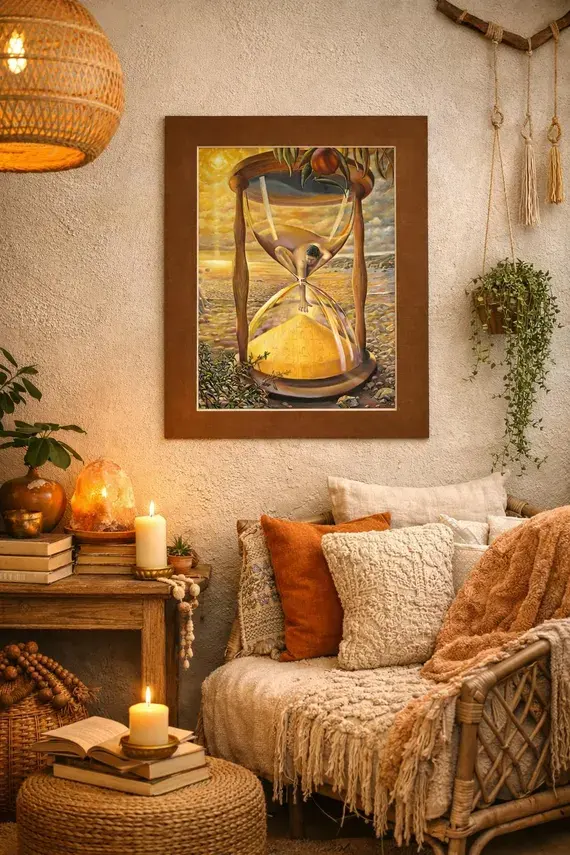
The hourglass is one of the most recognizable icons in Western art history, primarily serving as a visual metaphor for the passage of time. Unlike a clock, which measures time in abstract increments, the hourglass provides a physical representation of time literally slipping away. As the sand flows from the upper bulb to the lower, it illustrates the finite nature of human existence.
This symbol became especially prevalent during the Renaissance and the Baroque period. Artists frequently placed the device alongside skulls, wilting flowers, or extinguished candles to emphasize the concept of vanitas. These works were intended to provoke reflection on the vanity of earthly possessions and the certainty of death. By including an hourglass, the artist forces the viewer to confront their own mortality.
How to identify hourglass symbolism in paintings
When analyzing a painting, look for the hourglass in contexts that suggest a transition or an end. It is often placed near a window, on a desk, or held by a figure who appears contemplative or weary. Its presence usually alters the meaning of the surrounding objects, turning a simple portrait into a meditation on life's brevity.
Consider these common pairings that reinforce the hourglass's meaning:
- A skull: Represents the physical remains after time has run out.
- A mirror: Reflects the aging process and the loss of youth.
- A butterfly: Symbolizes the fragile, fleeting nature of the soul.
- A musical instrument: Suggests that earthly pleasures are temporary and fade quickly.
If you see these items grouped together, the artist is almost certainly commenting on the transience of life. The placement of the hourglass often acts as a focal point that anchors the theme of the entire composition.
Why artists use the hourglass as a memento mori
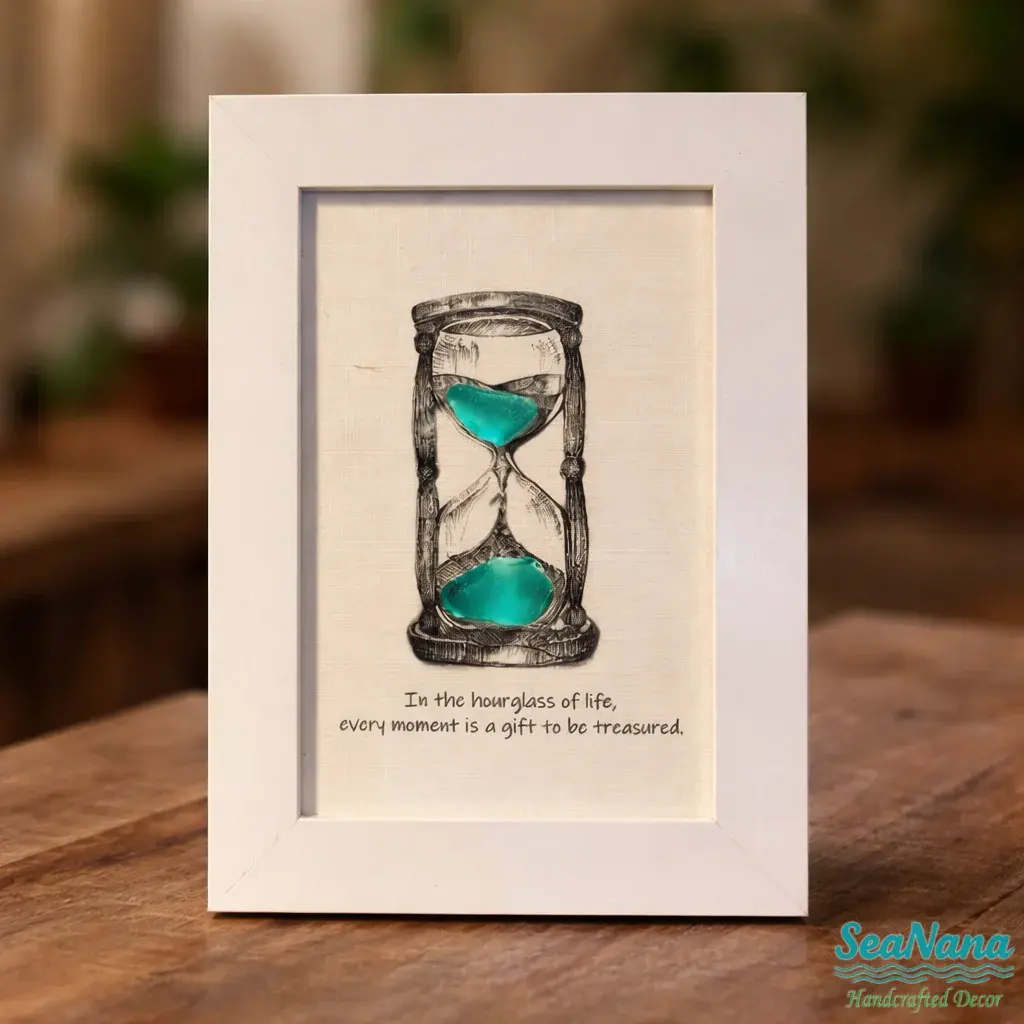
The term memento mori, Latin for "remember you must die," is the philosophical foundation for the hourglass in art. Artists used this motif to encourage viewers to lead virtuous lives rather than focusing on material gain. By visualizing the physical depletion of time, the hourglass serves as a moral compass for the audience.
This visual strategy was highly effective in an era where religious and philosophical contemplation played a central role in daily life. The hourglass bridge the gap between the physical world and the spiritual realm. It suggests that while the body is subject to the laws of time, the spirit should be prepared for the inevitable transition beyond it. The hourglass is not merely a dark omen; it is a call to prioritize what truly matters before the sand runs out.
How to interpret the orientation of the hourglass
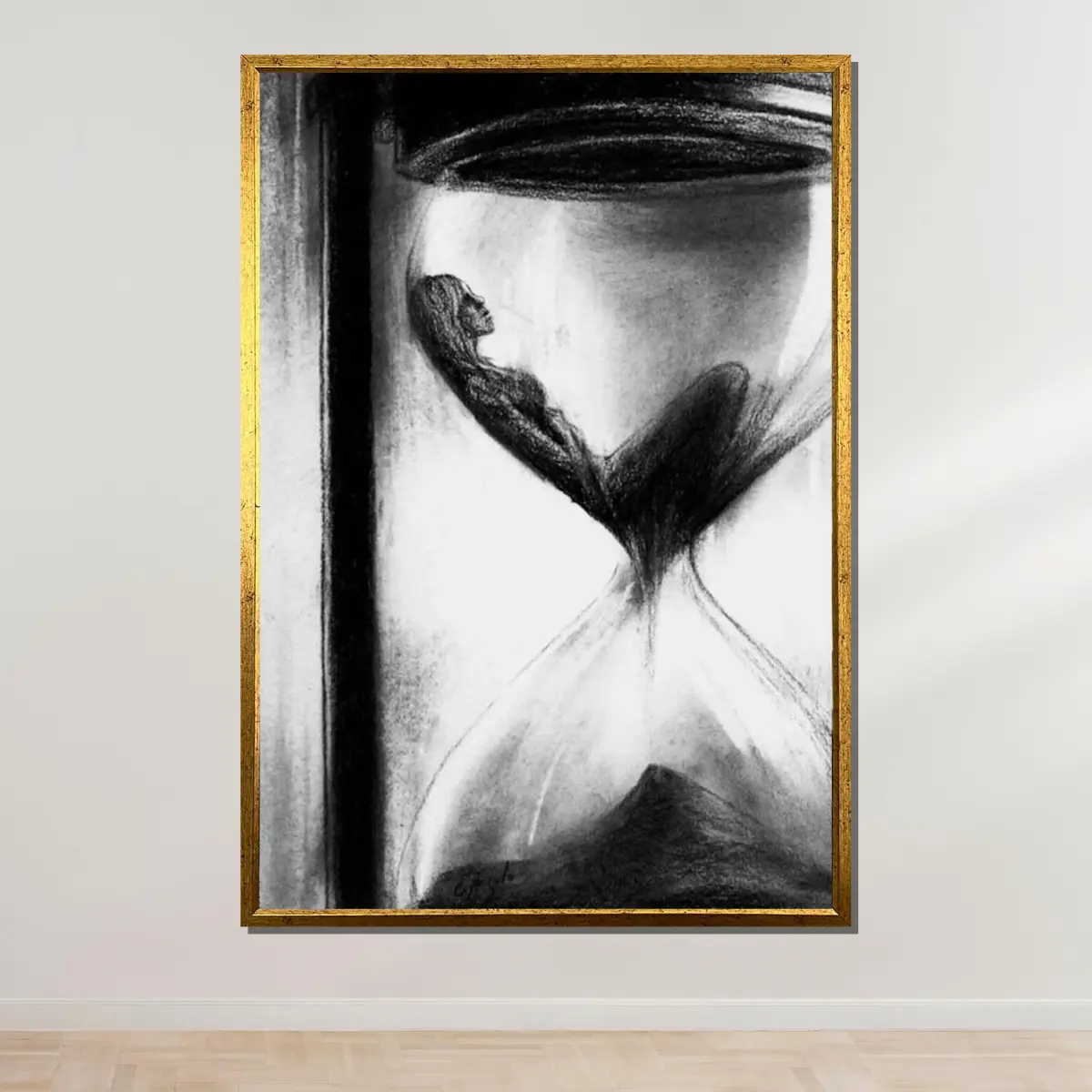
The position of the hourglass can offer deeper insight into the artist's specific intent. While most hourglasses are depicted in a standard, upright position, variations exist that change the narrative. Understanding these subtle cues helps in decoding the specific message of a piece.
- Upright position: Suggests that time is currently passing and there is still an opportunity for repentance or action.
- Tilted or horizontal: Often indicates that time has stopped or that a life has reached its conclusion.
- Broken glass: Represents a sudden, violent, or premature end to life.
- Empty bulb: Signifies that the allotted time has been fully exhausted, emphasizing the finality of death.
By observing these details, viewers can determine if the artist is warning of impending change or mourning a finished life. The orientation acts as a narrative device that dictates the urgency of the artwork's message.
Common mistakes when analyzing hourglass symbolism
One frequent error is assuming that an hourglass always represents death in a negative or fearful way. While it is a symbol of mortality, it is often intended to be a positive reminder to live fully and ethically. Viewing it only as a "scary" object ignores the nuance of historical artistic intent, which often focused on the dignity of a life well-lived.
Another mistake is ignoring the context of the entire room or setting. An hourglass on a scholar’s desk might symbolize the dedication required to learn before death, whereas the same object in a portrait of a wealthy merchant might critique greed. Always evaluate the surrounding items to see if the hourglass is meant to be a warning against vanity or a tribute to wisdom. By avoiding these generalizations, you can appreciate the rich, layered meanings that artists have carefully constructed over centuries to capture the human condition.
Key facts
- The hourglass symbolizes the fleeting nature of time, often referred to as tempus fugit, or "time flies."
- In vanitas paintings of the 17th century, the hourglass serves as a memento mori, a reminder that death is inevitable.
- When depicted on its side, the hourglass represents the suspension of time or the concept of eternity.
- Artists often pair the hourglass with a skull or a guttering candle to emphasize the transience of human life.
- The object represents the transition between the past (the top bulb) and the future (the bottom bulb) through the present bottleneck.
- To identify an hourglass in art, look for the two glass bulbs connected by a narrow neck, usually containing sand.
The bottom line
The hourglass is a profound artistic motif that bridges the gap between mechanical measurement and existential philosophy. By visualizing the steady descent of sand, artists compel viewers to confront the finite nature of their existence. Whether serving as a somber warning of mortality or a call to value the present moment, the hourglass remains one of art history's most effective tools for contemplating the passage of time.
People also ask
Why do artists place an hourglass next to a skull?
This pairing creates a memento mori composition, which translates to "remember you must die." It contrasts the physical remains of life with the mechanical measurement of its duration.
Does an hourglass always represent death?
Not necessarily, as it can also symbolize patience, temperance, or the need to use one’s time wisely. Its meaning depends heavily on the surrounding context of the artwork.
What is the significance of an hourglass in Renaissance portraiture?
It often suggests the sitter’s intellectual awareness of their own mortality or their status as a scholar of time. It serves as a sophisticated philosophical statement rather than a grim warning.
How does the orientation of an hourglass change its meaning?
An upright hourglass signifies the active passage of time and life. A turned or broken hourglass often indicates the end of a life or the cessation of time.
Are there mythological figures associated with the hourglass?
Yes, Father Time is frequently depicted carrying an hourglass and a scythe. This imagery reinforces his role as the harvester of souls and the ruler of chronological time.
How can I interpret an hourglass in contemporary art?
Modern artists often use the hourglass to critique the speed of digital culture or the environmental impact of human consumption. It remains a potent symbol for the urgency of current global issues.
This answer was created with the help of AI research tools and reference sources. Spotted an error? Let us know — we correct mistakes quickly. See our editorial policy.