What is the difference between linen and cotton canvas?
Short answer
Linen is a premium, durable textile woven from flax fibers, offering superior archival stability and resistance to environmental changes. Cotton canvas is a more affordable, flexible material made from natural cellulose fibers. While linen is preferred by professional oil painters for longevity, cotton serves as a versatile, cost-effective choice for students and hobbyists.
On this page
What are the main differences between linen and cotton?
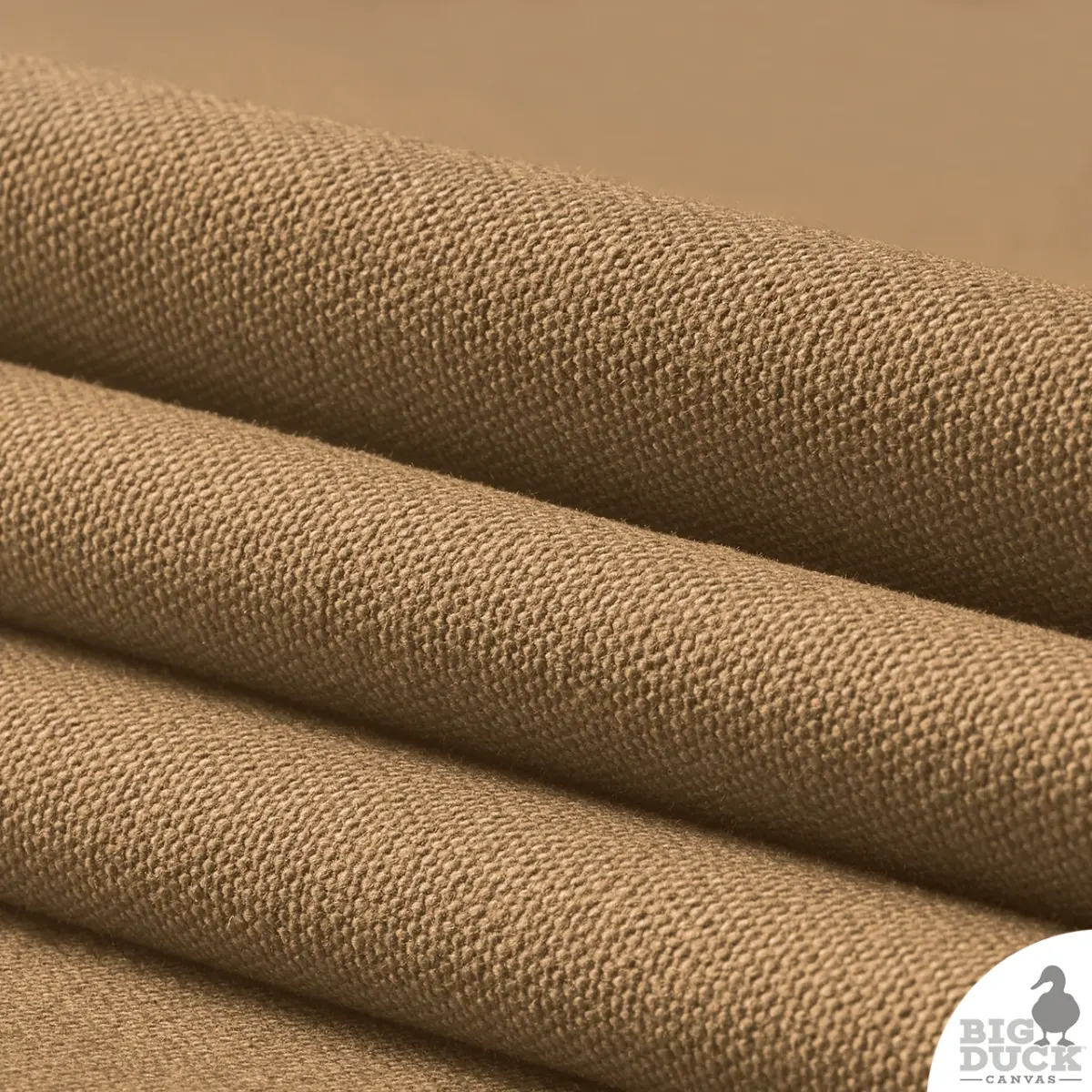
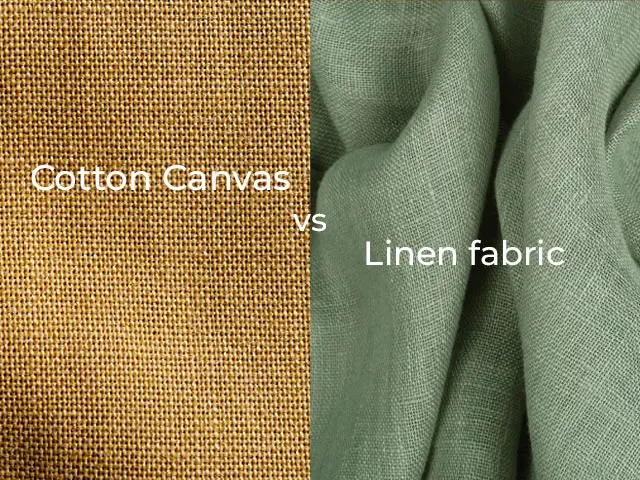
Linen is derived from the stalks of the flax plant, resulting in a fiber that is significantly stronger and more rigid than cotton. Because flax fibers are longer and smoother, linen canvas typically features a more refined, consistent weave that provides a stable surface for painting. This natural structural integrity makes it less prone to sagging over time, even when exposed to fluctuating humidity levels.
Cotton canvas, by contrast, is made from the soft, fluffy fibers surrounding the seeds of the cotton plant. These fibers are shorter and more elastic, which makes the resulting fabric softer and more susceptible to stretching or shrinking. While cotton is highly absorbent and easy to prime, it lacks the inherent tension and long-term archival resilience found in high-quality linen. Professional artists often favor linen for large-scale works where surface stability is paramount.
Why do professional artists prefer linen?
The primary advantage of linen is its longevity and resistance to decay. Linen fibers contain natural oils that prevent the fabric from becoming brittle, allowing it to maintain its tension for centuries. This is why many museum-grade masterpieces from the Renaissance to the modern era were painted on linen supports. It is an investment in the physical survival of the artwork.
Beyond durability, linen offers a distinct aesthetic texture that many painters find superior for brushwork. Its surface is less prone to the "bouncing" effect sometimes associated with the elasticity of cotton. When choosing linen, artists look for specific characteristics:
- Weight: Measured in ounces per square yard, with 10–12 ounces being standard for professional work.
- Weave density: A tighter weave provides a smoother surface for fine detail, while a coarser weave is better for impasto techniques.
- Preparation: Linen is often sold as "raw" or "primed" with gesso, which dictates how the paint interacts with the fibers.
When should you choose cotton canvas?
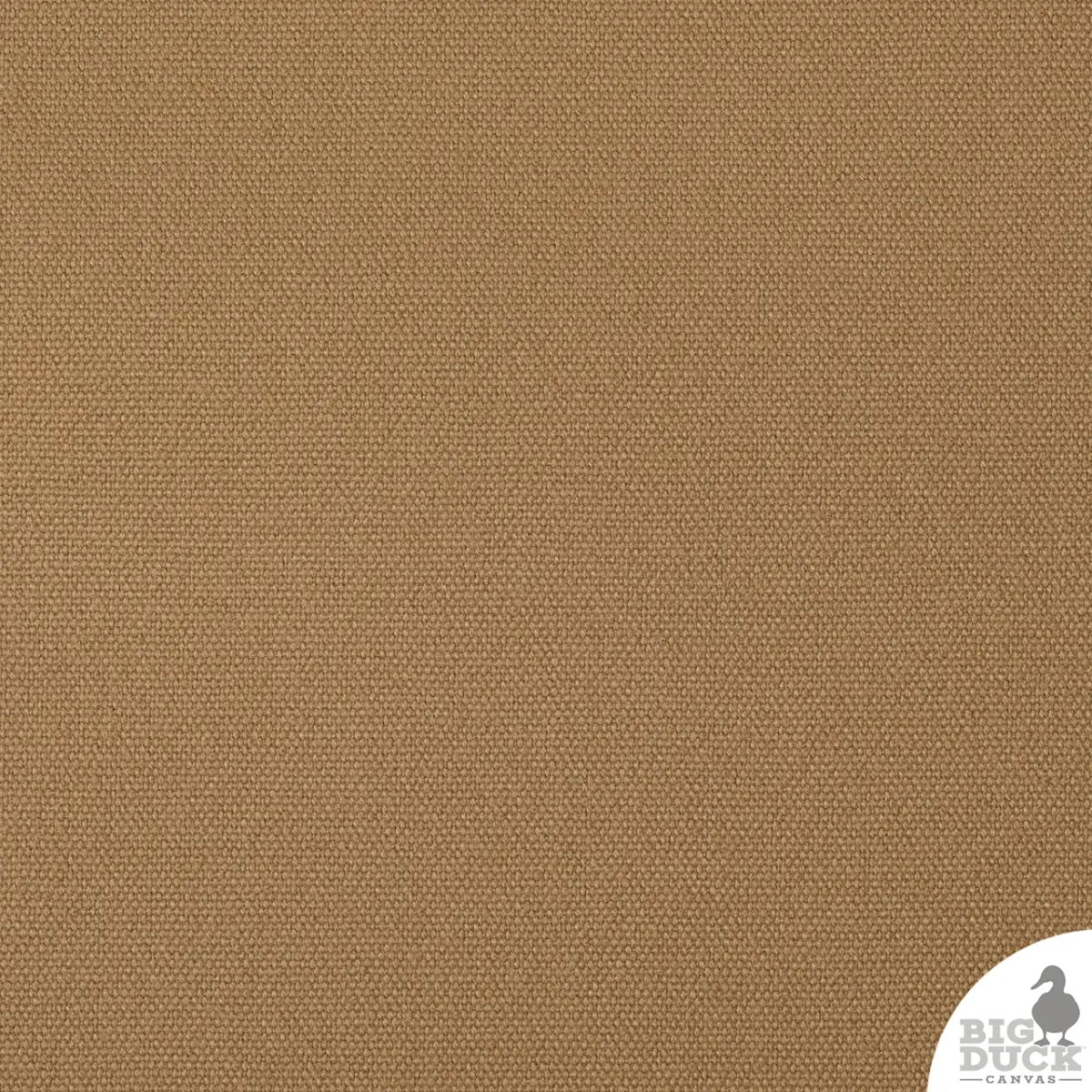
Cotton canvas is the industry standard for students, beginners, and artists working on smaller or temporary projects. Its primary appeal lies in its affordability and accessibility, as it is significantly cheaper to produce and purchase than linen. For those practicing techniques or creating studies, cotton provides a reliable surface that performs well with both acrylic and oil paints.
However, cotton requires careful handling to ensure it remains taut. Because it is more sensitive to moisture, it can absorb humidity from the air, causing the canvas to slacken on its stretcher bars. To mitigate this, many cotton canvases are treated with synthetic sizing and gesso to seal the fibers. If you are working on a budget, consider these tips:
- Buy pre-primed cotton rolls to save time on preparation.
- Use heavy-duty stretcher bars to compensate for the fabric's natural flexibility.
- Apply an extra coat of gesso if the surface feels too absorbent or porous.
Common mistakes when preparing canvas
A frequent error is failing to properly size the canvas before applying oil paint. Raw canvas, whether linen or cotton, contains acidic properties that can eventually rot the fibers if they come into direct contact with oil-based pigments. Applying a layer of rabbit-skin glue or a synthetic archival size creates a necessary barrier that protects the fabric from the corrosive effects of the oil.
Another mistake is over-stretching the canvas during the mounting process. If the fabric is pulled too tightly, it can warp the wooden stretcher bars or lead to cracking in the paint film over time. Conversely, if it is too loose, the canvas will ripple, making it difficult to control brushstrokes. Always use canvas pliers to ensure even tension across all four sides of the frame. Avoid these common pitfalls to maintain the integrity of your surface:
- Skipping the sizing step on raw, unprimed fabric.
- Using low-quality, acidic gesso that degrades the fibers.
- Storing canvases in damp environments that promote mold growth.
How to maintain your canvas over time
To ensure your artwork lasts for generations, environmental control is essential. Both linen and cotton are organic materials that respond to changes in temperature and humidity. Keep your finished paintings in a climate-controlled room, ideally between 65 and 75 degrees Fahrenheit, with a relative humidity level of approximately 45 to 55 percent. Avoid hanging canvases directly over heat sources or in areas with high moisture, such as bathrooms.
If you notice a canvas beginning to sag, you can often correct this by using wooden keys inserted into the corners of the stretcher bars. Gently tapping these keys outward expands the frame, which effectively tightens the fabric. For long-term storage, keep paintings off the floor and away from direct sunlight, which can cause the priming to yellow or the fibers to weaken. By following these simple maintenance practices, you can protect the structural health of your work regardless of which material you choose.
Key facts
- Linen is derived from the flax plant, while cotton is harvested from the cotton boll.
- Linen fibers are significantly longer and stronger than cotton fibers, making the fabric more durable over time.
- Cotton canvas is prone to expanding and contracting with humidity, which can cause paint to crack if not properly primed.
- Linen is naturally resistant to rot, mildew, and insect damage, whereas cotton is highly susceptible to these issues.
- Professional artists often prefer linen because it maintains its tension on the stretcher bars better than cotton.
- Cotton canvas is generally more affordable and widely available, making it the standard choice for beginners and students.
The bottom line
Choosing between linen and cotton depends largely on your budget and the intended longevity of your work. While cotton canvas offers an affordable and accessible surface for students and hobbyists, linen remains the professional standard for its superior strength, archival properties, and resistance to environmental shifts. Understanding these differences allows you to select the appropriate material to ensure your artwork remains stable and vibrant for generations.
People also ask
Which material is better for oil painting?
Linen is widely considered superior for oil painting because its natural oils protect the fibers from the acidic nature of oil paint. Cotton requires a more rigorous application of gesso to prevent the paint from rotting the fabric over time.
Does canvas weight affect the quality of the painting?
Yes, weight is measured in ounces per square yard, with heavier canvases providing a sturdier surface for large-scale works. A weight of 10 to 12 ounces is generally ideal for most painting projects to ensure stability.
How do I tell the difference between linen and cotton by touch?
Linen has a distinct, irregular texture with visible "slubs" or knots in the weave. Cotton canvas is typically more uniform, smooth, and feels softer to the touch.
Can I use the same primer for both fabrics?
Both materials require gesso to create a barrier between the paint and the fibers. However, linen often requires fewer coats because its natural structure is less porous than cotton.
Why does my cotton canvas sag after a few months?
Cotton is highly sensitive to changes in temperature and humidity, causing the fibers to loosen. You can fix this by using wooden keys in the corners of the stretcher bars to expand the frame and re-tension the fabric.
Is linen more expensive than cotton?
Yes, linen is significantly more expensive due to the labor-intensive process of harvesting and processing flax. Cotton is mass-produced, making it a budget-friendly option for practice or casual projects.
This answer was created with the help of AI research tools and reference sources. Spotted an error? Let us know — we correct mistakes quickly. See our editorial policy.