What does a dove symbolize in art?
Short answer
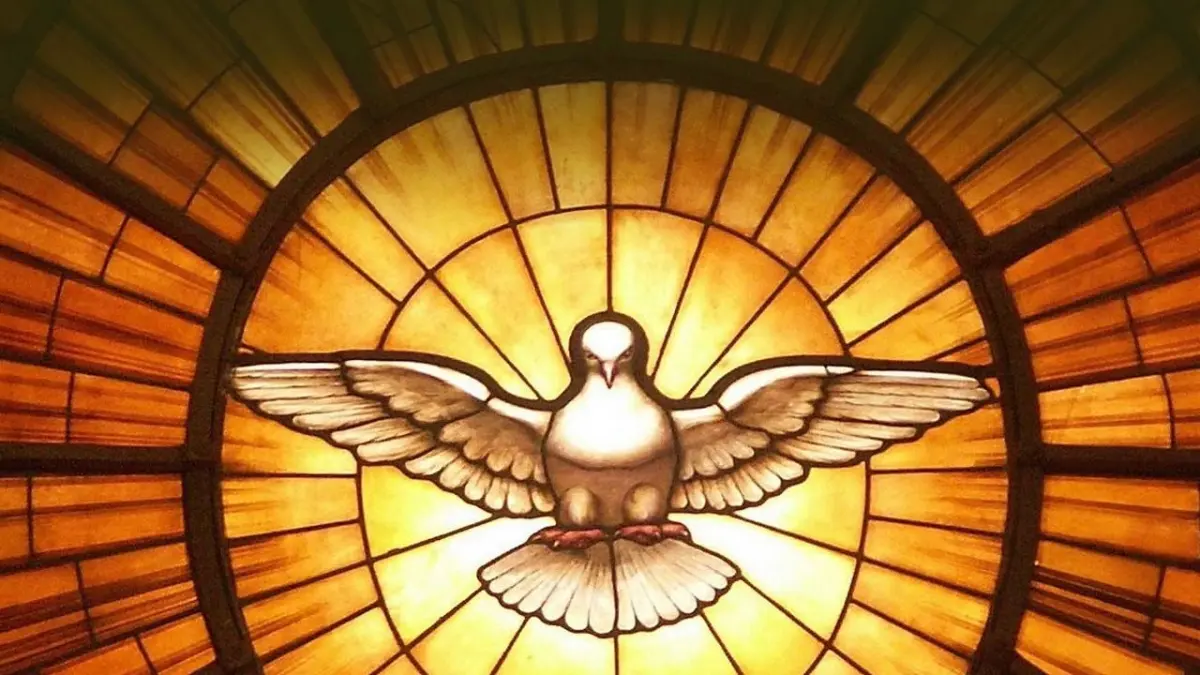
The dove is a multifaceted symbol in art, primarily representing peace, purity, and the Holy Spirit. Historically rooted in ancient Near Eastern mythology and later adopted by Christian iconography, it signifies divine presence, the soul’s liberation, and reconciliation. Its visual language has evolved from religious devotion to a universal emblem of global harmony.
On this page
Why do artists use doves in paintings?
Artists utilize the dove as a visual shorthand for complex concepts that are otherwise difficult to represent. In early Christian art, the bird appeared in catacombs and mosaics to signify the soul’s ascent to heaven or the presence of the Holy Spirit during baptism. By using a recognizable living creature, painters could bridge the gap between the physical world and spiritual abstractions, making divine concepts accessible to viewers who might not be literate in theological texts.
The bird’s physical characteristics—its white plumage and gentle demeanor—make it an ideal metaphor for innocence and simplicity. Throughout the Renaissance, masters like Leonardo da Vinci and Raphael incorporated the dove into Annunciation scenes to depict the moment of divine conception. This tradition solidified the dove’s role as a messenger of grace. Today, this legacy persists as artists continue to manipulate the image of the dove to evoke feelings of tranquility, hope, and spiritual connection in contemporary compositions.
How to identify dove symbolism in religious art
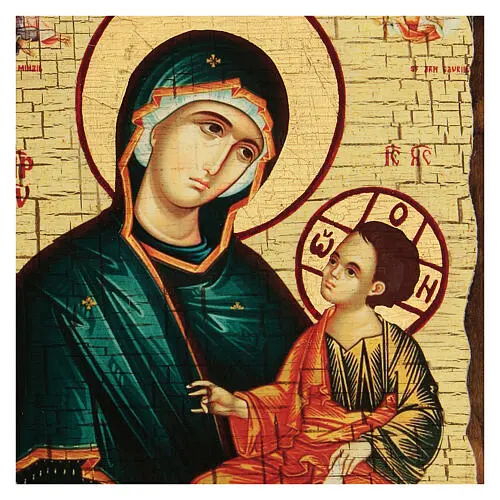
Identifying a dove in historical artwork requires looking at the surrounding context, as the bird’s meaning shifts depending on its placement. In scenes depicting the Baptism of Christ, the dove represents the descent of the Holy Spirit. In depictions of the Virgin Mary, it often signifies the purity of her soul or the overshadowing of the Holy Spirit. Recognizing these patterns allows viewers to decode the narrative intent of the artist.
When analyzing religious paintings, consider these common placements:
- Above the head of a saint or holy figure, indicating divine inspiration or sanctification.
- Hovering over a baptismal font, representing the sacrament and spiritual rebirth.
- Flying toward a figure, symbolizing the delivery of a holy message or divine intervention.
- Perched near a martyr, signifying the soul’s departure from the body at the moment of death.
By observing these specific arrangements, you can distinguish between a dove used as a mere decorative element and one intended to convey a profound theological truth.
What does the dove mean in secular art?
Beyond religion, the dove evolved into a powerful secular symbol, particularly in the 20th century. Following the devastation of the World Wars, the dove became the preeminent global icon for peace. Pablo Picasso famously cemented this transition in 1949 when he created a lithograph of a dove for the International Peace Congress in Paris. His minimalist, fluid lines stripped away religious baggage, leaving behind a universal signifier for anti-war sentiment and international cooperation.
This secularization allowed the dove to transcend cultural and political boundaries. It is now frequently employed in:
- Political posters advocating for disarmament and human rights.
- Logos for international humanitarian organizations and non-profits.
- Memorial art dedicated to victims of conflict or natural disasters.
- Contemporary street art aimed at promoting social justice and unity.
Because the symbol is so widely understood, it functions effectively across diverse languages and cultures, providing a common visual language for movements seeking to end violence and foster dialogue.
Common mistakes when interpreting dove symbolism
One of the most frequent errors in interpreting dove art is assuming every white bird is a symbol of peace. In nature, doves and pigeons are closely related, and artists throughout history have often used them interchangeably. A bird that looks like a dove might simply be a realistic detail in a genre painting or a still life, intended to show the artist’s skill in rendering feathers rather than to convey a heavy symbolic weight. Always look for supporting narrative cues before assigning a deep meaning.
Another mistake is ignoring the color of the bird. While white is the standard for purity and peace, artists sometimes depict doves in different colors to alter the meaning. A grey or brown dove might appear in a more grounded, rustic scene, focusing on the bird’s role in daily life or agriculture. Conversely, a dove depicted in gold or vibrant light is almost certainly intended to represent a miraculous or heavenly occurrence. Context is always the primary key to accurate interpretation.
How to look for doves in museum galleries
When visiting a gallery, approach the artwork by first scanning the composition for small, winged figures. If you spot a white bird, pause to examine its orientation. Is it flying downward, toward a person? This usually suggests a divine encounter. Is it resting on a branch or in a nest? This may point toward themes of domesticity, love, or the cycle of life. Taking a moment to assess the bird’s posture helps you understand the specific emotion the artist intended to capture.
To get the most out of your viewing experience, follow these steps:
- Step back to see the entire scene, noting if the dove is a focal point or a background detail.
- Check the museum label for the title, as names like "The Annunciation" or "The Baptism" provide immediate clues.
- Look at the eyes of the other figures in the painting; if they are looking at the bird, it is likely the symbolic center of the work.
- Compare the dove’s style to the rest of the painting to determine if it was added as a late symbolic flourish.
By following these steps, you will be able to appreciate the subtle ways that artists have used the dove to communicate complex ideas for centuries.
Key facts
- In Christian iconography, the dove represents the Holy Spirit, often depicted descending toward Jesus during his baptism.
- Ancient Mesopotamian art associated the dove with Inanna-Ishtar, the goddess of love, fertility, and war.
- Pablo Picasso’s 1949 lithograph, La Colombe (The Dove), established the bird as the definitive modern emblem of global peace.
- When analyzing art, look for an olive branch in the bird's beak, which specifically signifies the end of conflict or a message of reconciliation.
- Avoid mistaking a dove for a pigeon in artistic analysis; while they are biologically related, the dove is almost exclusively used for spiritual or political symbolism.
- To identify a dove in a painting, look for monochromatic white plumage, which distinguishes it from more colorful avian subjects in classical compositions.
The bottom line
The dove serves as a versatile and enduring symbol in art, bridging the gap between ancient mythology and modern political activism. Whether representing the Holy Spirit in Renaissance religious scenes or the quest for global peace in twentieth-century prints, the bird remains a potent visual shorthand for purity, hope, and reconciliation. Understanding its specific context is essential for accurately interpreting the artist's intended message.
People also ask
Why is the dove often paired with an olive branch?
This imagery originates from the biblical story of Noah’s Ark, where a dove returned to the ark with an olive leaf to signal that the floodwaters had receded. It has since become a universal symbol of peace and the restoration of harmony between humanity and the divine.
Does the dove always represent peace in art?
No, the meaning depends heavily on the historical and cultural context of the work. While it often symbolizes peace, it can also represent the human soul, purity, or the presence of the Holy Spirit in religious settings.
How can I tell if a bird in a painting is a dove or a seagull?
Doves are typically depicted with smaller, rounded heads and shorter, more delicate beaks compared to the larger, more aggressive features of a seagull. Artists usually paint doves in a stylized, gentle manner to emphasize their symbolic role as messengers of grace.
Is the dove a symbol of love in art history?
Yes, the dove was sacred to Aphrodite and Venus, the Greek and Roman goddesses of love. In these contexts, the bird represents romantic devotion, passion, and the tender aspects of human relationships.
Why do artists often paint doves in flight?
Depicting a dove in flight emphasizes its role as a messenger or a spirit moving between the earthly and heavenly realms. This motion suggests an active intervention or the arrival of divine grace.
Are there any negative connotations for doves in art?
While rare, some folk traditions or dark allegorical works occasionally use the dove to represent naivety or vulnerability. However, these instances are exceptions to the overwhelmingly positive and spiritual associations found in mainstream art history.
This answer was created with the help of AI research tools and reference sources. Spotted an error? Let us know — we correct mistakes quickly. See our editorial policy.