What does fruit in a still life symbolize in art?
Short answer
Fruit in still life paintings primarily symbolizes the transience of life, known as vanitas. Because fruit ripens, decays, and eventually rots, it serves as a visual reminder of mortality and the fleeting nature of earthly pleasures. Artists also use specific fruits to represent religious themes, abundance, fertility, or seasonal cycles.
On this page
Why do artists include fruit in still life paintings?
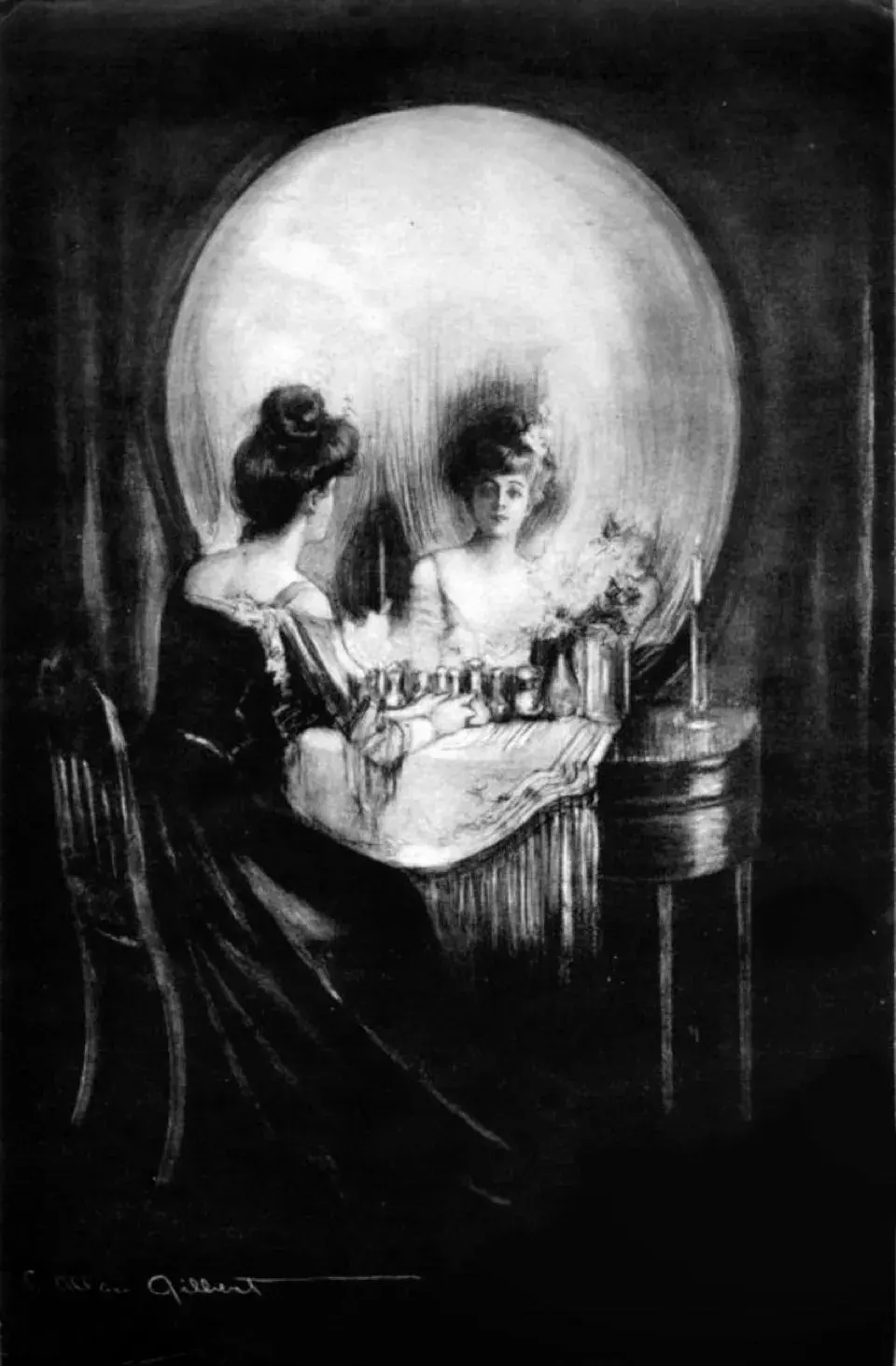
The inclusion of fruit in still life compositions is deeply rooted in the concept of vanitas, a genre of symbolic art prevalent in the 17th-century Dutch Golden Age. By depicting fruit in various stages of ripeness or decay, artists like Pieter Claesz and Willem Kalf reminded viewers that life is fragile and death is inevitable. This memento mori, or "remember you must die," message was intended to encourage spiritual reflection over material attachment.
Beyond mortality, fruit often carried specific moral or religious connotations. Apples frequently alluded to the fall of man and original sin, while grapes were often associated with the Eucharist and the blood of Christ. Pomegranates were commonly used to symbolize the church or the resurrection. By integrating these objects, painters transformed simple domestic scenes into complex narratives that invited the viewer to contemplate their own existence and moral standing within the world.
What specific fruits symbolize in art history?
Different fruits held distinct meanings depending on the cultural and religious context of the era. Understanding these symbols helps decode the intentions behind a painting's composition. Artists often selected specific items to create a layered allegory that communicated values to a literate audience.
- Apples: Often represent temptation, the fall of man, and the concept of original sin.
- Grapes: Frequently symbolize the blood of Christ, the Eucharist, and divine abundance.
- Pomegranates: Represent the church, unity, and the promise of resurrection.
- Peaches: Can signify truth or a virtuous, healthy heart when depicted with a leaf.
- Lemons: Often symbolize the contrast between outward beauty and internal bitterness.
- Cherries: Frequently represent the sweetness of character or the fruits of paradise.
These associations were not universal, but they were widely understood by the educated public during the Renaissance and Baroque periods. The presence of a worm-eaten apple or a bruised grape was rarely a coincidence; it was a deliberate choice to emphasize the corruption of the physical world.
How to interpret decay in still life art?
The presence of rot, insects, or wilting leaves in a painting is a deliberate artistic device meant to emphasize the passage of time. When an artist paints a piece of fruit that is clearly past its prime, they are highlighting the concept of entropy. This visual decay serves as a stark contrast to the vibrancy of fresh produce, forcing the viewer to acknowledge that all living things eventually succumb to time.
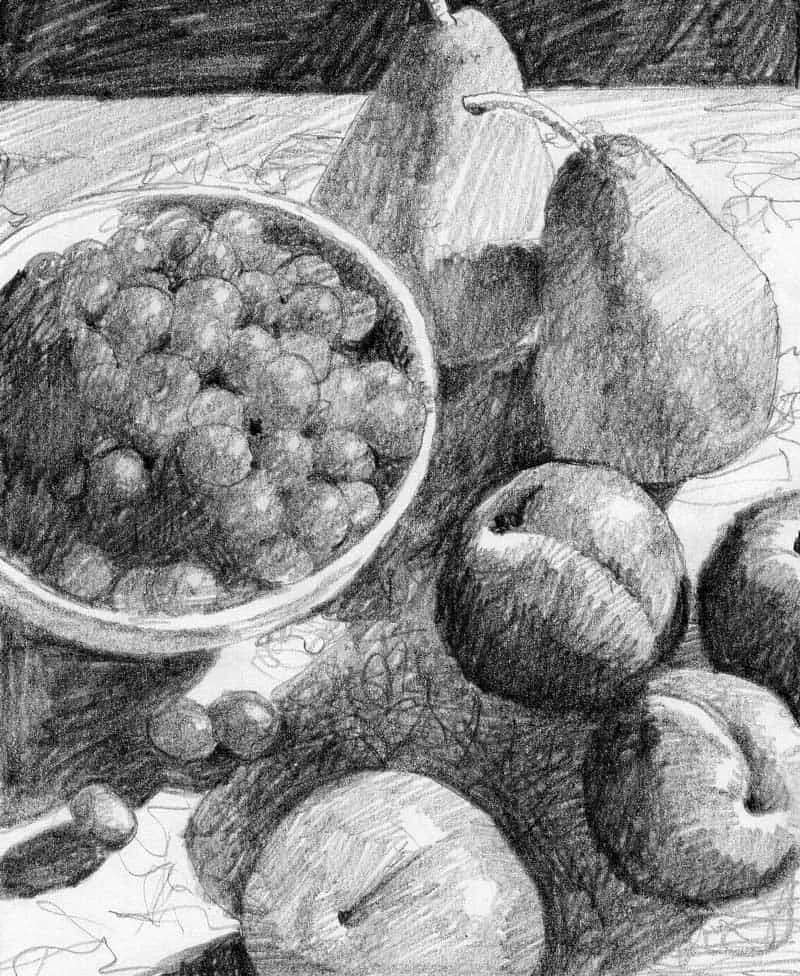
In many 17th-century works, the juxtaposition of a perfectly ripe fruit next to a decaying one creates a narrative of life cycles. This technique demonstrates the artist's technical skill in rendering textures, while simultaneously grounding the work in philosophical inquiry. By capturing the exact moment of transition, the artist freezes time, ensuring that the viewer confronts the reality of their own aging process. This practice turns the canvas into a mirror for the human experience, reflecting the inevitable decline that follows every peak of vitality.
Common mistakes when analyzing fruit symbolism
A frequent error in analyzing still life art is assuming that every object carries a heavy, hidden, or universal meaning. While symbolism was prevalent, some still life paintings were commissioned simply to demonstrate the artist's ability to capture light, texture, and color. Over-interpreting a bowl of fruit as a complex moral allegory can sometimes lead to missing the aesthetic appreciation intended by the painter.
Another mistake is ignoring the historical context of the fruit itself. For example, exotic fruits like citrus or pineapples were once status symbols of wealth and international trade. In these cases, the fruit might represent the patron's prosperity rather than a religious or moral lesson. To accurately interpret a painting, one must consider:
- The era in which the work was created.
- The geographical location of the artist and the patron.
- The religious or secular nature of the intended audience.
- The presence of other objects that might provide context clues.
How to create a symbolic still life today?
If you are interested in creating a still life with symbolic intent, start by selecting items that hold personal or universal meaning for you. You do not need to follow 17th-century conventions, but you should choose subjects that evoke a specific mood or message. Focus on the arrangement to guide the viewer's eye through the narrative you wish to construct.
To build a meaningful composition, follow these practical steps:
- Select a focal point, such as a piece of fruit that represents a specific theme like growth or decay.
- Arrange secondary objects to support the theme, such as a dried flower for age or a fresh leaf for vitality.
- Use lighting to highlight the textures of the fruit, emphasizing the contrast between smooth skin and rough or bruised areas.
- Keep the background simple to ensure the symbolic elements remain the primary focus of the viewer's attention.
By carefully curating your subjects, you can create a piece that communicates a story beyond mere visual representation, effectively using fruit as a vehicle for complex human emotions and philosophical inquiry.
Key facts
- Fruit in still life paintings often symbolizes vanitas, a reminder of the inevitable decay of life and the fleeting nature of earthly pleasures.
- The inclusion of rotting or bruised fruit serves as a visual metaphor for mortality, contrasting with the vibrant beauty of fresh produce.
- During the Dutch Golden Age in the 17th century, artists like Clara Peeters used specific fruits to demonstrate their technical mastery of light and texture.
- Certain fruits carry religious connotations; for instance, a pomegranate often represents the church or the resurrection of Christ.
- Lemons, frequently depicted half-peeled, symbolize the deceptive nature of life—appealing to the eye but bitter to the taste.
- To analyze a still life, look for signs of imperfection, such as insects or wilting leaves, which are deliberate artistic choices meant to convey deeper meaning.
The bottom line
Fruit in still life art functions as a sophisticated visual language, transcending mere decoration to explore profound philosophical themes. By juxtaposing the beauty of nature with signs of inevitable decay, artists invite viewers to reflect on mortality, morality, and the passage of time. Whether through religious allegory or moral warnings, these carefully composed arrangements serve as enduring reminders of the fragile, fleeting nature of human existence.
People also ask
Why are insects often painted on fruit in still life art?
Insects like flies or butterflies represent the presence of decay and the transience of life. They are subtle reminders that even the most beautiful objects are subject to corruption and time.
Does the ripeness of the fruit change its symbolic meaning?
Yes, perfectly ripe fruit often symbolizes abundance, fertility, and the peak of life. Conversely, overripe or decaying fruit emphasizes the passage of time and the certainty of death.
What does a bowl of grapes represent in classical paintings?
Grapes are frequently associated with the Eucharist and the blood of Christ in Christian art. In secular contexts, they can represent wealth, luxury, and the harvest season.
Why do artists include peeled lemons in their compositions?
The peeled lemon is a classic motif in 17th-century Dutch art. It highlights the artist’s skill in rendering textures while serving as a moral warning about the bitterness hidden beneath a beautiful exterior.
Are there gendered meanings associated with fruit in art?
Historically, fruit has been linked to the concept of temptation and the story of Eve in the Garden of Eden. It is frequently used in compositions to explore themes of desire, sensuality, and human fallibility.
How can I identify the symbolism in a modern still life?
Look for contrasts between the objects, such as freshness versus decay or light versus shadow. Modern artists may use traditional fruit symbols to comment on contemporary issues like consumerism or environmental sustainability.
This answer was created with the help of AI research tools and reference sources. Spotted an error? Let us know — we correct mistakes quickly. See our editorial policy.