What is a vanitas painting?
Short answer
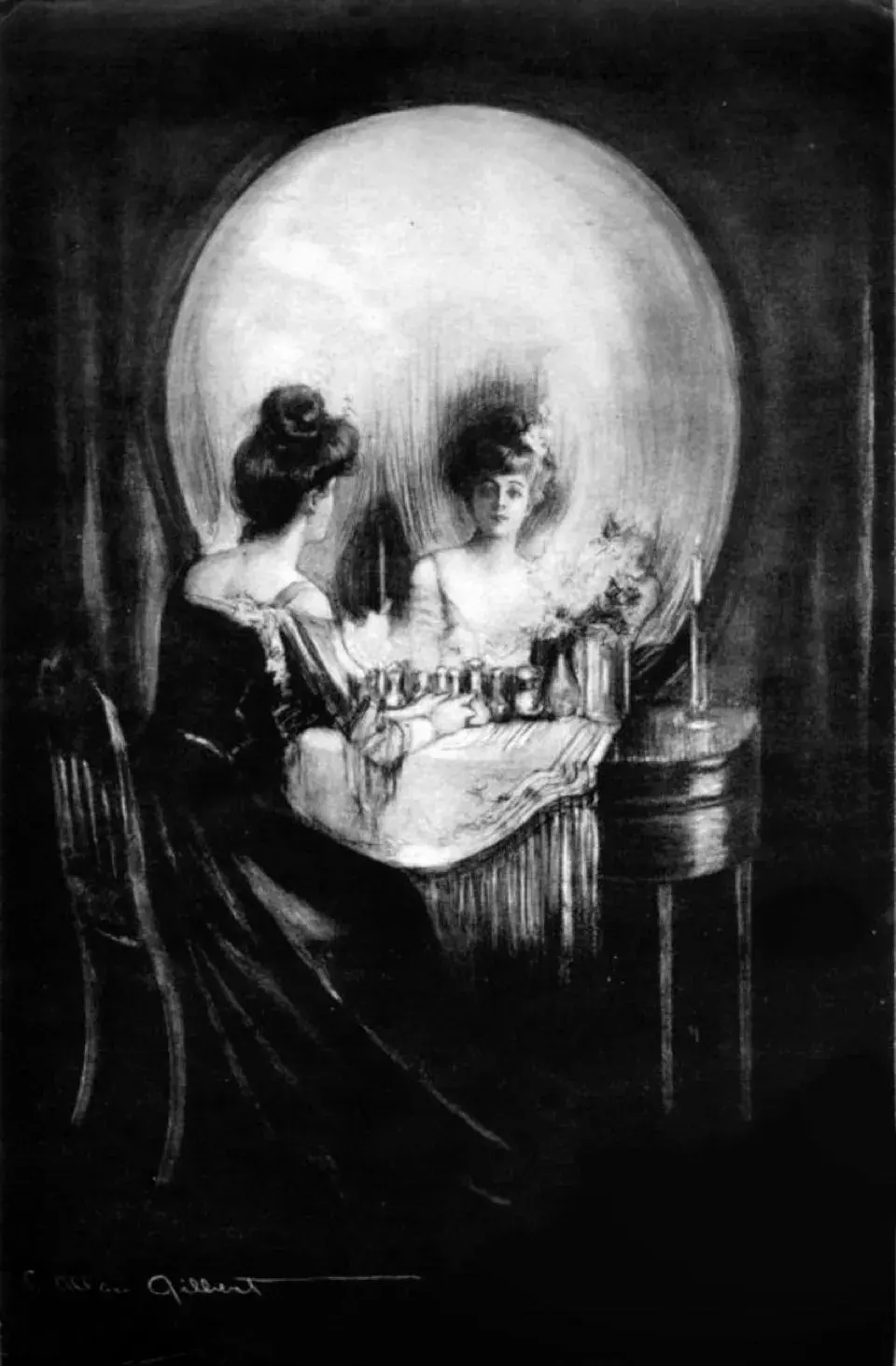
Vanitas is a genre of symbolic still-life painting that flourished in the Dutch Golden Age during the 17th century. These works use allegorical objects to represent the transience of life, the inevitability of death, and the vanity of earthly achievements. They serve as a somber reminder of mortality and spiritual reflection.
On this page
What is the meaning of vanitas paintings?
The term "vanitas" is derived from the Latin word for "emptiness" or "vanity," referencing the biblical book of Ecclesiastes, which famously declares, "Vanity of vanities; all is vanity." These paintings were not merely decorative; they functioned as moralizing tools designed to remind the viewer that earthly pleasures and material wealth are fleeting. By juxtaposing symbols of luxury with emblems of decay, artists encouraged the audience to focus on their spiritual salvation rather than temporal status.
The genre reached its peak in the Netherlands between 1620 and 1650. During this period, the Dutch Republic experienced immense prosperity through global trade, leading to a burgeoning middle class with a taste for art. However, the prevailing Calvinist culture maintained a deep suspicion of luxury, viewing excessive wealth as a potential path to sin. Vanitas paintings provided a culturally acceptable way to display beautiful objects while simultaneously condemning the pride associated with owning them.
What symbols are in vanitas art?
To decode a vanitas painting, one must understand the specific iconography used by artists to signify the passage of time and the certainty of death. Every object included in the composition serves a deliberate purpose, often grouped to create a narrative of human fragility. Common symbols found in these works include:
- Skulls: The most direct representation of death and the end of physical existence.
- Hourglasses and clocks: Indicators that time is constantly slipping away.
- Wilted flowers: Symbols of the brevity of beauty and the natural cycle of life.
- Extinguished candles: Representing the soul departing the body or the end of life.
- Rotting fruit: A metaphor for the decay of physical health and material goods.
- Bubbles: Reminders of the fragility and suddenness of life ending.
- Musical instruments: Symbols of the fleeting nature of sensory pleasures.
How do you analyze a vanitas painting?
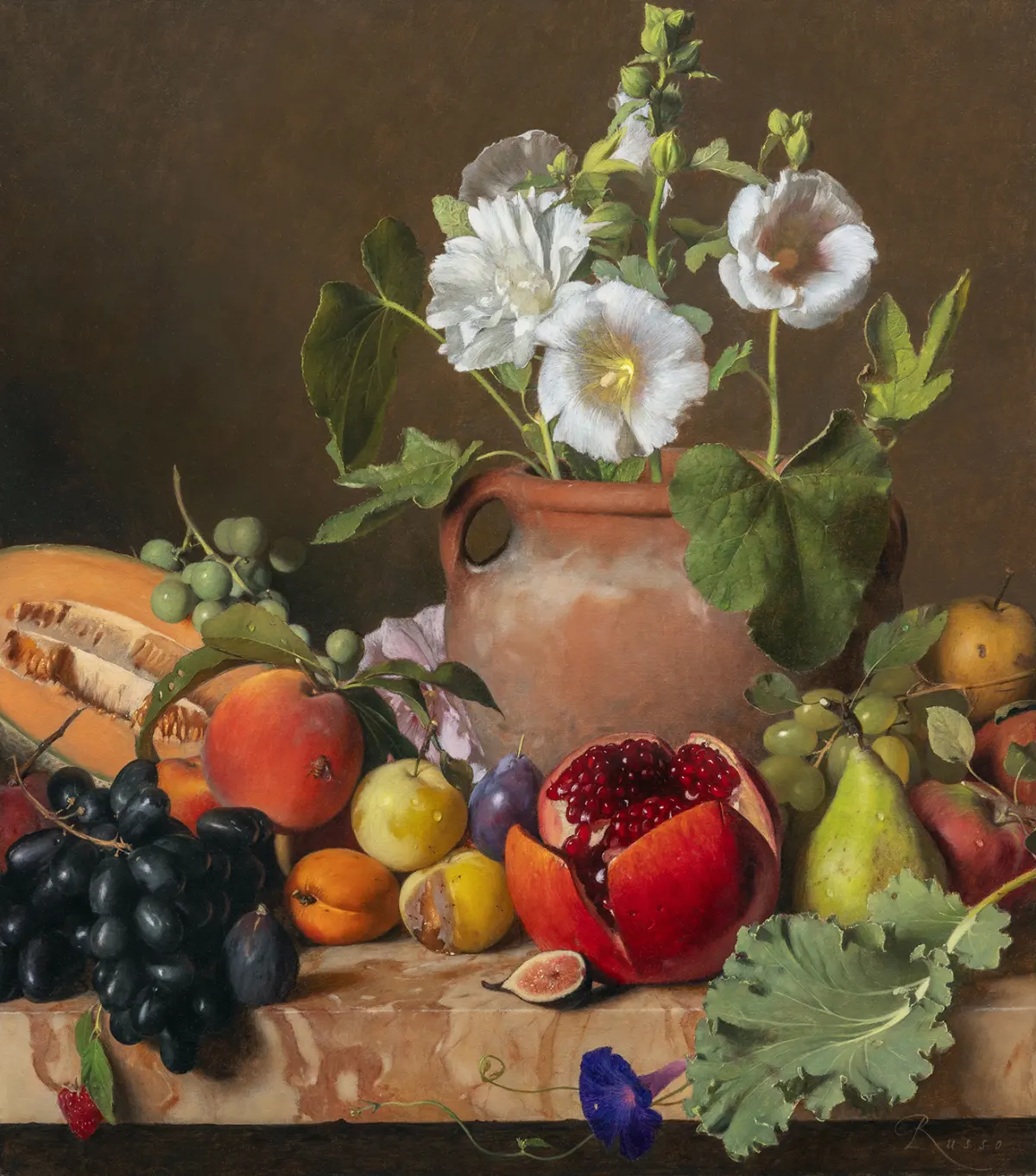
Analyzing a vanitas painting requires looking beyond the surface beauty to identify the tension between life and death. Start by identifying the "memento mori," or the object that explicitly references death, such as a skull or a tombstone. Once you locate the focal point of mortality, examine the surrounding objects to see how they contrast with that theme. Are there luxury items like gold coins, jewelry, or exotic shells nearby? These items signify the vanity of worldly pursuits.
Follow these steps to conduct a formal analysis:
- Identify the central focal point, usually a skull or an object representing decay.
- Catalog the luxury items, such as books, musical instruments, or expensive fabrics, to gauge the subject's status.
- Look for "hidden" details, like a fly on a piece of fruit, which often represents corruption or the presence of sin.
- Consider the lighting, as dramatic chiaroscuro often emphasizes the gloom of the subject matter.
- Reflect on the overall composition to determine if the artist intended to highlight the emptiness of human achievement.
Who are the famous vanitas artists?
Several Dutch and Flemish masters defined the genre through their meticulous attention to detail and technical skill. Pieter Claesz and Willem Claesz Heda are perhaps the most renowned practitioners, often specializing in "breakfast pieces" that featured subtle vanitas elements. Their work is characterized by muted palettes and an incredible ability to render textures, such as the reflection on a silver platter or the transparency of a glass roemer.
Other notable artists included Harmen Steenwyck and Maria van Oosterwijck. Steenwyck’s An Allegory of the Vanities of Human Life is a quintessential example, featuring a skull, a sword, and a shell in a tight, claustrophobic composition. Maria van Oosterwijck, one of the few prominent female artists of the era, brought a more delicate, floral-focused approach to the genre. Her paintings often featured insects and dew-covered petals, adding a layer of scientific precision to the moral message. These artists ensured that the vanitas tradition remained a sophisticated and highly sought-after style for decades.
Common mistakes when interpreting vanitas?
A frequent error is assuming that all still-life paintings from the 17th century are vanitas works. While many still lifes contain symbolic elements, a true vanitas painting must have a clear, intentional focus on the transience of life. A bowl of fruit, for instance, might simply be a display of artistic skill or a celebration of abundance rather than a moralizing critique of mortality. Context is essential; if the painting lacks a direct symbol of death or decay, it is likely a standard still life or a "pronkstilleven," which is a display of ostentatious luxury.
Another mistake is ignoring the historical context of the Protestant Reformation. Viewers often project modern secular interpretations onto these works, missing the deep religious urgency that motivated the original patrons. To avoid misinterpretation, remember these points:
- Do not confuse vanitas with memento mori; while related, memento mori is a broader category of art, whereas vanitas is a specific genre of still life.
- Avoid reading every object as a symbol; sometimes an object is included simply to demonstrate the artist's ability to paint light and shadow.
- Always look for the juxtaposition of opposites, such as a skull placed next to a crown, which is the hallmark of the genre's ironic commentary.
Key facts
- Vanitas paintings are a genre of still-life art that emerged in the Netherlands during the early 17th century.
- The term is derived from the Latin word for "emptiness," referencing the biblical book of Ecclesiastes.
- Common symbols include skulls, rotting fruit, bubbles, and extinguished candles to represent human mortality.
- Artists often included luxury items like jewelry or musical instruments to signify the fleeting nature of earthly wealth.
- A signature element is the memento mori, a reminder that death is inevitable for everyone regardless of status.
- To analyze these works, look for the contrast between objects of beauty and signs of decay or time passing.
The bottom line
Vanitas paintings serve as profound visual meditations on the fleeting nature of existence. By juxtaposing symbols of earthly luxury with reminders of death, these 17th-century Dutch masterpieces challenge viewers to consider the impermanence of material wealth. Understanding this genre requires looking past the surface beauty of the objects to grasp the deeper, sobering message that life is brief and spiritual values should remain paramount.
People also ask
Why did artists include rotting fruit in their paintings?
Rotting fruit served as a visual metaphor for the decay of the human body and the brevity of life. It reminded viewers that even the most vibrant and sweet things eventually perish.
Are all still-life paintings considered vanitas?
No, still-life paintings are a broad category that includes floral arrangements, food, and household objects. A painting is only a vanitas if it specifically incorporates symbolic elements intended to provoke reflection on mortality.
Did vanitas paintings have a religious purpose?
Yes, they were heavily influenced by Protestant morality in the Dutch Republic. They encouraged viewers to prioritize spiritual salvation over the accumulation of material possessions.
Who were the most famous painters of this genre?
Notable artists include Pieter Claesz, Willem Claesz Heda, and Harmen Steenwyck. These painters were masters of using light and shadow to create hyper-realistic textures.
Is a skull always present in a vanitas painting?
While the skull is the most recognizable symbol, it is not strictly necessary. Artists often used hourglasses, wilting flowers, or broken glass to convey the same message of transience.
Can I identify a vanitas painting by its color palette?
Many vanitas paintings utilize a muted, earthy color palette to create a somber mood. However, some artists used vivid colors to highlight the beauty of the objects being depicted before their inevitable decline.
This answer was created with the help of AI research tools and reference sources. Spotted an error? Let us know — we correct mistakes quickly. See our editorial policy.