What does The Scream represent?
Short answer
The Scream represents the universal human experience of existential dread, anxiety, and psychological anguish. Created by Norwegian artist Edvard Munch, the composition captures a moment of intense internal turmoil. It serves as a visual manifestation of a "scream of nature," symbolizing the overwhelming emotional pressure felt within the modern human condition.
On this page
What is the meaning of The Scream?
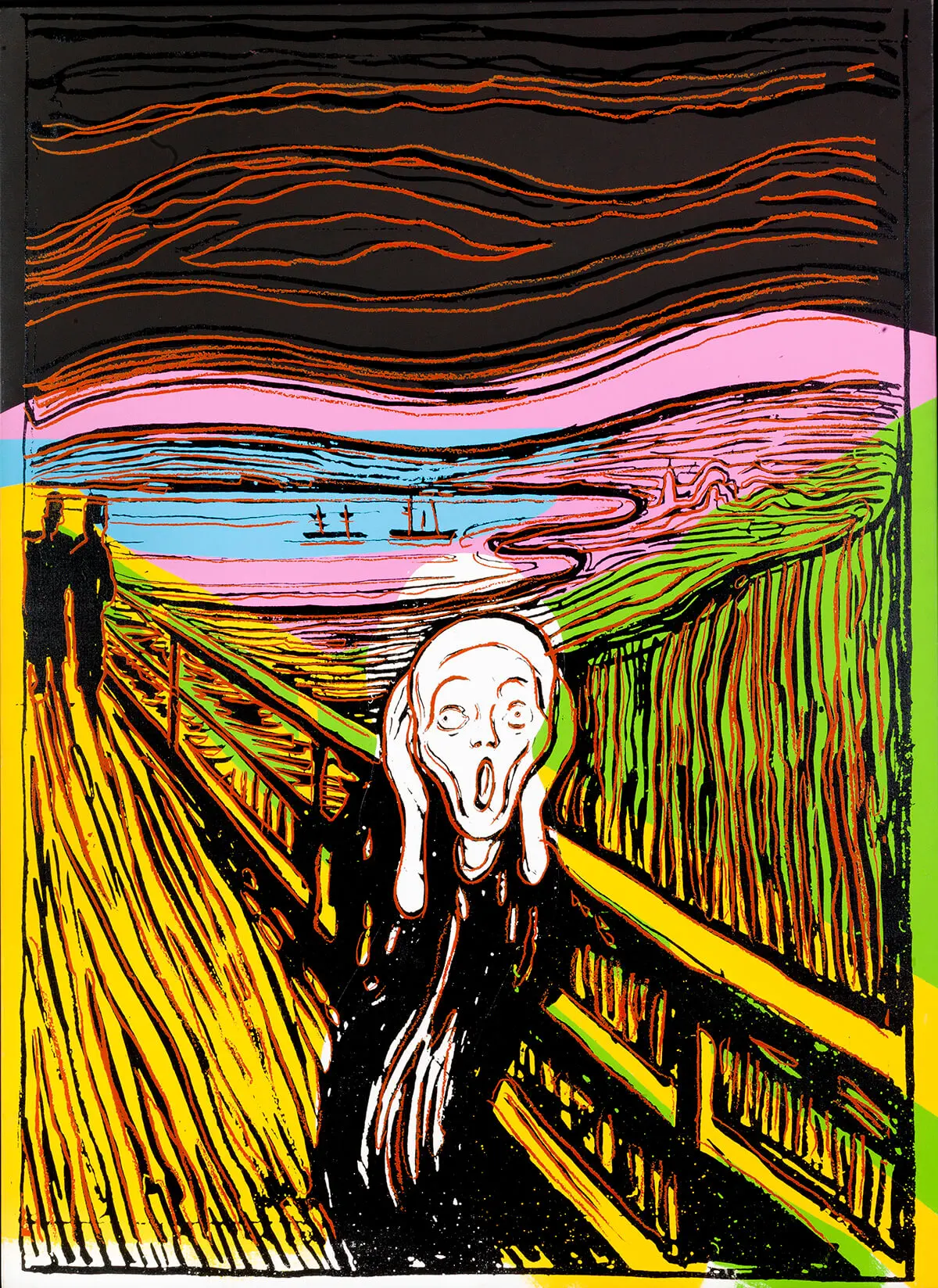
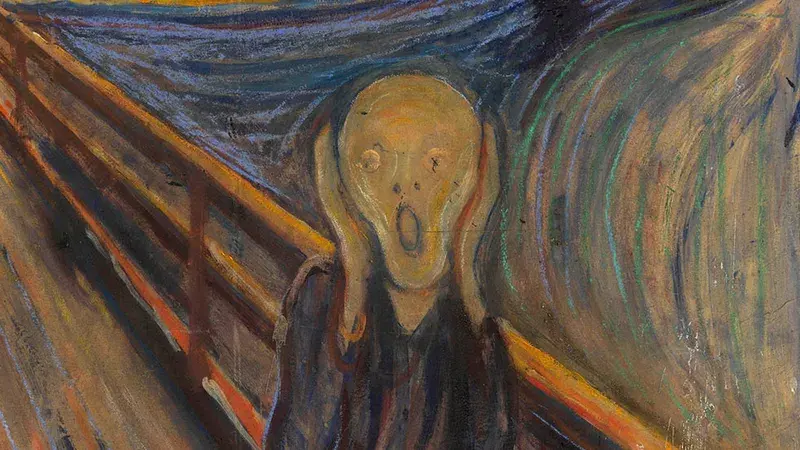
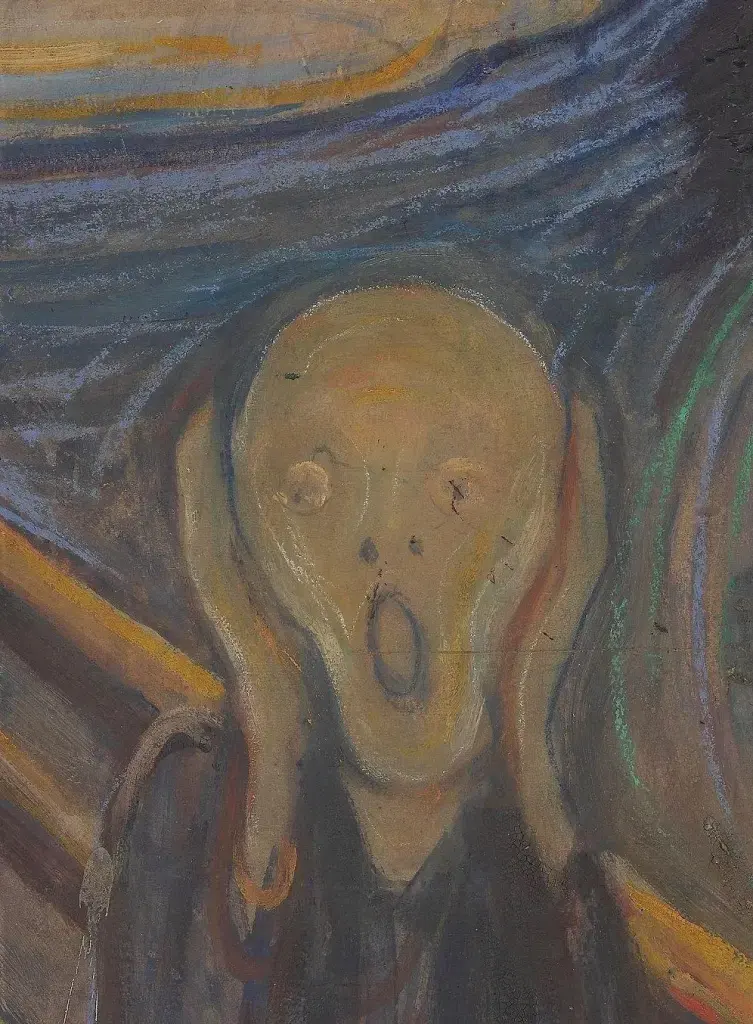
Edvard Munch created The Scream in 1893, and it remains one of the most recognizable icons in art history. The painting depicts a central figure standing on a bridge, clutching their face while letting out a silent, agonizing cry. The swirling, chaotic sky and the distorted landscape reflect the internal state of the subject rather than a literal depiction of a physical location.
The work is fundamentally about the fragility of the human psyche. Munch intended to capture a moment where the external world becomes so overwhelming that it triggers a profound, uncontrollable emotional reaction. By stripping the figure of specific gender or identity markers, Munch transformed the image into a universal symbol for the anxieties faced by humanity. It does not represent a specific event, but rather the pervasive, haunting feeling of existential isolation.
Why did Edvard Munch create The Scream?
Munch’s inspiration for the painting stemmed from a specific personal experience while walking along a fjord in Oslo. He described the moment in his diary, noting that the sky turned blood red and he felt a "vast, infinite scream" pass through nature. This sensory overload served as the catalyst for the composition, as he sought to externalize his own internal struggle with mental health and grief.
Several factors influenced the creation of this masterpiece:
- The loss of his mother and sister to tuberculosis during his youth.
- His father’s intense religious melancholy and strict upbringing.
- The broader cultural shift in late 19th-century Europe toward exploring the subconscious mind.
- A desire to move away from traditional realism toward Expressionism, where art serves as a vehicle for raw emotion.
The painting acts as a visual diary entry, documenting a fleeting moment of panic that felt eternal to the artist.
How to interpret the symbolism in the painting
To understand the painting, one must look at the contrast between the rigid, straight lines of the bridge and the fluid, undulating lines of the background. The bridge represents the rational, ordered world of society, while the swirling sky and water represent the chaotic, irrational forces of the subconscious. The figure is caught between these two worlds, unable to find stability.
Key symbolic elements include:
- The blood-red sky, which suggests a violent or apocalyptic atmosphere.
- The two shadowy figures in the background, who remain calm and oblivious, emphasizing the protagonist's profound loneliness.
- The distorted, skull-like face of the protagonist, which strips away individual identity to focus on the raw act of screaming.
- The bridge, which acts as a barrier separating the individual from the safety of the group.
These elements work together to create a sense of claustrophobia and inescapable tension.
Common mistakes when analyzing The Scream
A frequent error is assuming the figure is the one screaming. In reality, Munch’s own notes suggest the figure is actually covering their ears to block out the "scream of nature" passing through the environment. Misinterpreting the source of the sound changes the meaning from an active expression of pain to a passive reaction to an external, overwhelming force.
Another common mistake is viewing the painting as a strictly clinical depiction of mental illness. While Munch struggled with anxiety, the work is more accurately classified as an attempt to capture a philosophical state of being. It is not a diagnostic tool, but a poetic exploration of the human condition. Avoid focusing solely on the artist's biography, as this ignores the work's ability to resonate with viewers who have never experienced the specific circumstances of Munch's life.
How to appreciate the legacy of The Scream
To truly appreciate the painting, consider its influence on the development of Expressionism and modern pop culture. The image has been reproduced, parodied, and referenced in countless films, advertisements, and digital media. Its longevity proves that the core themes of anxiety and existential dread remain as relevant today as they were in the 1890s.
When viewing the work, try to focus on the following:
- Observe the brushwork: Note how the frantic, thick strokes contribute to the sense of movement and instability.
- Consider the color palette: The clash of warm oranges and reds against cold blues and blacks heightens the emotional discord.
- Reflect on your own response: Does the image evoke a sense of empathy, fear, or recognition?
By engaging with the painting’s emotional intensity, you can appreciate why it remains a definitive representation of the modern human struggle.
Key facts
- Edvard Munch created four versions of The Scream between 1893 and 1910 using various media including oil, tempera, pastel, and lithography.
- The work is widely considered an icon of Expressionism, a movement that prioritizes emotional experience over physical reality.
- Munch was inspired by a walk at sunset in Oslo, Norway, where he felt a "great, unending scream piercing through nature."
- The central figure is not screaming; rather, the figure is covering their ears to block out the overwhelming psychic scream of the environment.
- The landscape in the background is based on the view from Ekeberg Hill, overlooking the Oslofjord.
- To appreciate the work, focus on the contrast between the rigid, dark bridge and the swirling, chaotic lines of the sky and water.
The bottom line
The Scream serves as a profound visual manifestation of existential anxiety and internal turmoil. By distorting reality through swirling lines and jarring colors, Munch captured the overwhelming sensation of feeling isolated within a chaotic world. It remains a masterpiece of modern art because it transcends its specific historical context, offering a timeless, visceral reflection of the human condition that resonates with anyone experiencing profound distress.
People also ask
Where is the original painting located today?
The most famous version, painted in 1893, is housed in the National Museum in Oslo, Norway. Two other versions are also held in Oslo, while a pastel version sold at auction in 2012 is in a private collection.
Did the artist have a specific mental health condition?
Munch struggled with anxiety and depression throughout his life, which heavily influenced his work. While he suffered from personal tragedies, The Scream is interpreted as a universal representation of human existential dread rather than a clinical diagnosis.
Why are there multiple versions of the same image?
Munch frequently revisited themes and compositions he found significant. By using different materials like pastel or lithograph, he explored how color and texture could alter the emotional intensity of the scene.
Is the figure meant to be a man or a woman?
The figure is intentionally androgynous and skeletal, stripped of specific gender markers. This abstraction allows the viewer to project their own feelings of alienation onto the subject.
Why is the sky colored red in the painting?
Many historians believe the intense red sky was inspired by the 1883 eruption of Krakatoa, which caused vivid, blood-red sunsets across the globe for months. Munch himself noted the sky turned "as red as blood" during his walk.
Has the painting ever been stolen?
Yes, versions of The Scream have been stolen twice, in 1994 and 2004. Both times the paintings were recovered by authorities, though they suffered minor damage from moisture and handling during the thefts.
This answer was created with the help of AI research tools and reference sources. Spotted an error? Let us know — we correct mistakes quickly. See our editorial policy.