How do you draw with watercolor pencils?
Short answer
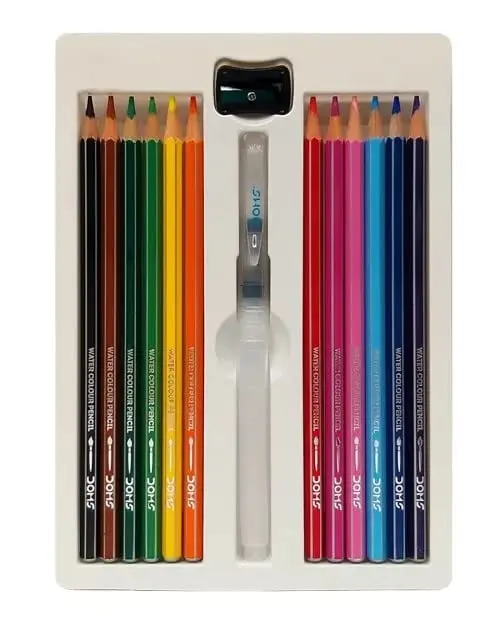
Watercolor pencils are versatile tools that function as both dry drawing implements and water-soluble paints. To use them, apply pigment to paper like a standard colored pencil, then brush over the marks with a damp paintbrush to liquefy the color. This hybrid medium allows for precise detailing combined with fluid, painterly washes.
On this page
How to use watercolor pencils for beginners
Watercolor pencils contain a water-soluble binder that allows the pigment to dissolve when exposed to moisture. You can use them dry for sharp lines and intricate textures, or wet to create soft gradients and painterly effects. Start by selecting a high-quality, cold-press watercolor paper, which is textured enough to hold pigment without buckling under water.
To begin your first project, follow these fundamental steps:
- Sketch your subject lightly using a hard-lead graphite pencil to avoid smudging.
- Apply the watercolor pencil pigment to the paper, using light pressure to build up color gradually.
- Dip a soft, round synthetic brush into clean water and dab off the excess on a paper towel.
- Gently brush over your pencil marks, moving from the lightest colors to the darkest to prevent muddying.
- Rinse your brush thoroughly when switching between distinct color families to keep your work vibrant.
Best techniques for blending colors
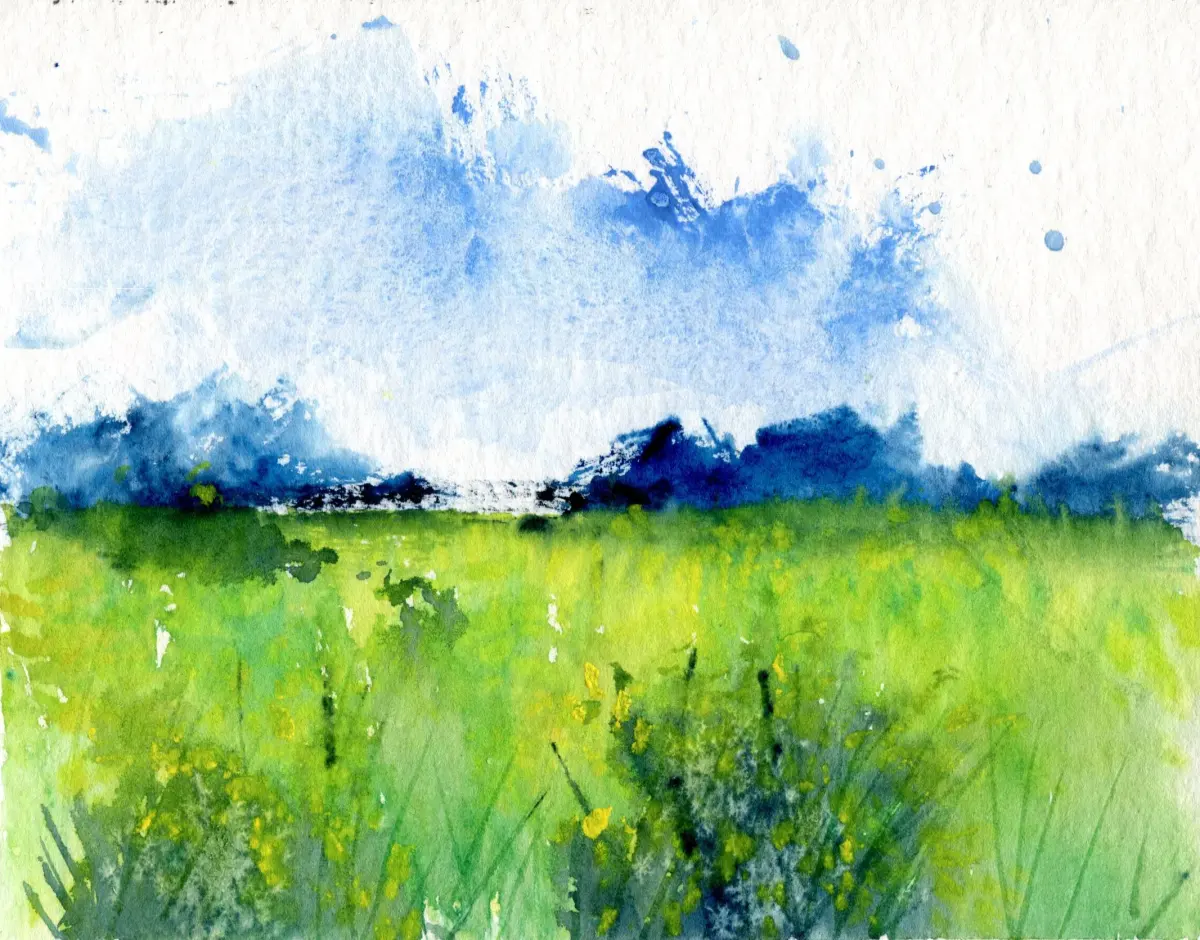
Blending is the core strength of this medium, allowing for smooth transitions between hues. You can achieve this by layering colors directly on the paper before adding water, or by picking up pigment from the pencil tip with a wet brush. The latter method acts like a traditional watercolor palette, giving you more control over the intensity and transparency of the paint.
For more advanced blending, try these specific approaches:
- Dry blending: Layer two colors on top of each other on the paper, then use a damp brush to merge them into a seamless gradient.
- Palette mixing: Scribble your pencil colors onto a plastic palette or a ceramic plate, add a drop of water, and mix them to create custom shades.
- Cross-hatching: Use dry pencil strokes in a grid pattern to create depth, then wash over them lightly to maintain the visible texture of the pencil marks.
- Lifting: While the paint is still wet, use a clean, damp brush or a paper towel to remove pigment and create highlights or corrections.
How to choose the right paper and brushes
The surface you choose significantly impacts how the pigment behaves. Standard drawing paper is often too thin and will warp or tear when wet. Cold-press watercolor paper, typically rated at 140 pounds (300 gsm), is the industry standard because its toothy surface grips the pigment, while its weight prevents excessive wrinkling. Avoid smooth hot-press paper if you prefer a more textured, traditional watercolor look.
For brushes, synthetic rounds are superior to natural hair brushes because they provide the necessary snap and control for small-scale work. A size 4 or 6 round brush is versatile enough for both large washes and detailed linework. Always ensure your brushes are clean, as residual oil or dirt can prevent the watercolor pigment from flowing smoothly across the page. If you find your colors are not spreading, check that your paper is specifically designed for wet media and that your brush is sufficiently damp but not dripping.
Common mistakes when using watercolor pencils
A frequent error is applying too much pigment in a single layer, which makes it difficult to dissolve the wax or gum binder completely. If you press too hard, you may leave deep grooves in the paper that remain visible even after you add water. Instead, build your depth through multiple light layers, adding water between each application to ensure the pigment is fully activated and integrated into the paper fibers.
Another common pitfall involves using dirty water or failing to clean the brush between colors. This often results in a dull, muddy appearance that is difficult to fix once the paint has dried. To maintain clarity:
- Change your rinse water frequently, especially when moving from dark colors like ultramarine or burnt umber to lighter tones like yellow or peach.
- Do not overwork the paper; scrubbing the same area repeatedly with a wet brush will damage the surface and cause the paper to peel or "pill."
- Allow the paper to dry completely before adding a second layer of dry pencil, as drawing on damp paper can break the pencil tip or tear the surface.
How to maintain and store your pencils
Proper care ensures your watercolor pencils remain functional and sharp for years. Because the core is softer than standard colored pencils, they are prone to breakage during sharpening. Use a high-quality, sharp metal blade sharpener rather than a cheap plastic one to avoid snapping the lead inside the barrel. If you notice the lead is consistently breaking, the pencil may have been dropped, causing internal fractures; in this case, try sharpening it with a manual craft knife for more control.
Store your pencils in a cool, dry place away from direct sunlight, which can fade the pigments over time. If you travel with your set, use a roll-up canvas case to protect the tips from impact. Keep the pencils horizontal or tip-down to prevent the wood casing from warping and to ensure the core remains centered. By following these simple maintenance habits, you protect your investment and ensure that every stroke remains consistent, vibrant, and ready for your next artistic endeavor.
Key facts
- Watercolor pencils contain water-soluble pigment binders that dissolve when touched by a wet brush.
- Always use cold-press or hot-press watercolor paper, as standard printer paper will buckle or tear when wet.
- You can apply color dry and then wet it, or dip the pencil tip directly into water for bold, saturated lines.
- Layering colors from light to dark prevents muddy tones and allows for better color blending.
- Use a synthetic round brush, size 4 or 6, to maintain control over the water flow during activation.
- Allow your work to dry completely before adding additional dry pencil details to avoid damaging the paper surface.
The bottom line
Watercolor pencils offer a versatile bridge between precise drawing and fluid painting. By mastering the balance between dry application and water activation, you can achieve everything from delicate sketches to vibrant, layered compositions. Focus on using quality watercolor paper and proper brush techniques to avoid common pitfalls like paper damage. With practice, these pencils become an essential, portable tool for creating expressive and professional-grade artwork on the go.
People also ask
Can I use regular colored pencils with water?
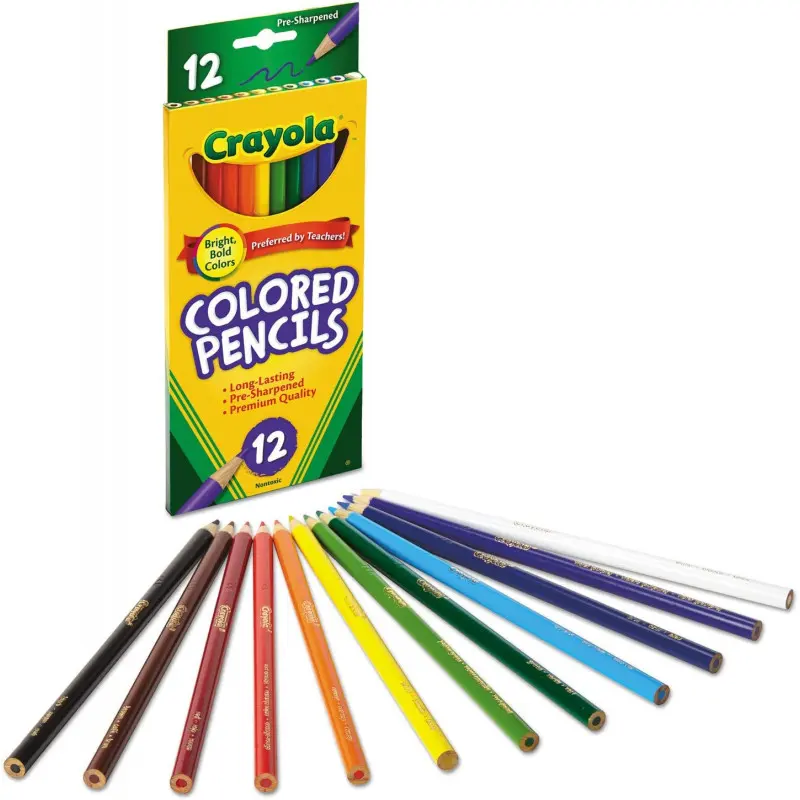
No, regular colored pencils are wax- or oil-based and will not dissolve or blend when water is applied. Attempting to mix them with water will result in streaky, uneven marks that do not behave like paint.
Should I color the paper first or wet the brush first?
Both methods are valid, but coloring dry first provides more control over the pigment placement. Wetting the brush first is better for creating soft, painterly washes or filling in large background areas.
How do I fix a mistake while painting?
If the paint is still wet, you can lift the pigment by dabbing the area with a clean, damp paper towel. If the paint has dried, you can sometimes re-wet it to lift color, though staining may occur depending on the pigment.
Do I need to sharpen watercolor pencils differently?
Use a high-quality metal sharpener to prevent the soft, water-soluble cores from snapping inside the barrel. Avoid over-sharpening, as the lead is often softer than that of standard graphite pencils.
Can I mix watercolor pencils with traditional tube watercolors?
Yes, they are highly compatible and often used together to add fine details or crisp edges to a loose watercolor painting. Apply the pencil marks after the base watercolor wash has dried for the best results.
How do I prevent the paper from warping?
Use paper that is at least 140lb (300gsm) in weight to withstand moisture. Alternatively, tape your paper down to a rigid board using artist's masking tape until the piece is completely dry.
This answer was created with the help of AI research tools and reference sources. Spotted an error? Let us know — we correct mistakes quickly. See our editorial policy.