How do you use a stay-wet palette?
Short answer
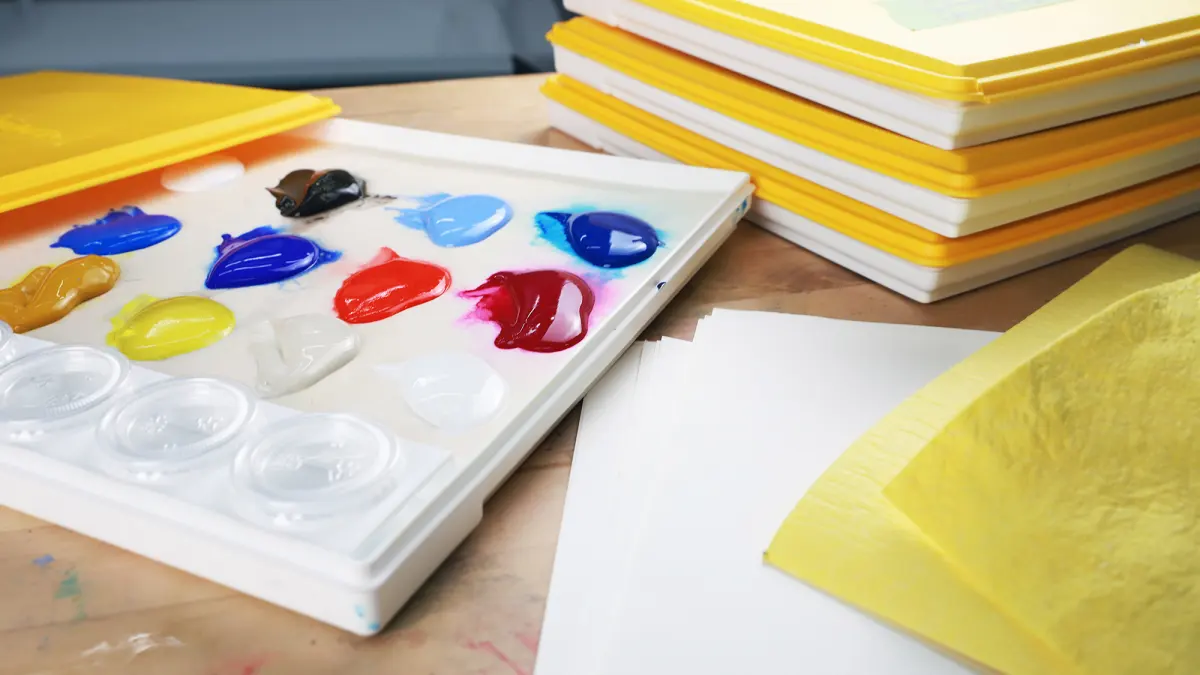
A stay-wet palette keeps acrylic paint workable for days by maintaining a constant moisture level through a semi-permeable membrane. You place a saturated sponge in a shallow container, cover it with a sheet of specialized palette paper, and lay your paints on top. This prevents rapid drying during long painting sessions.
On this page
How to set up a stay-wet palette
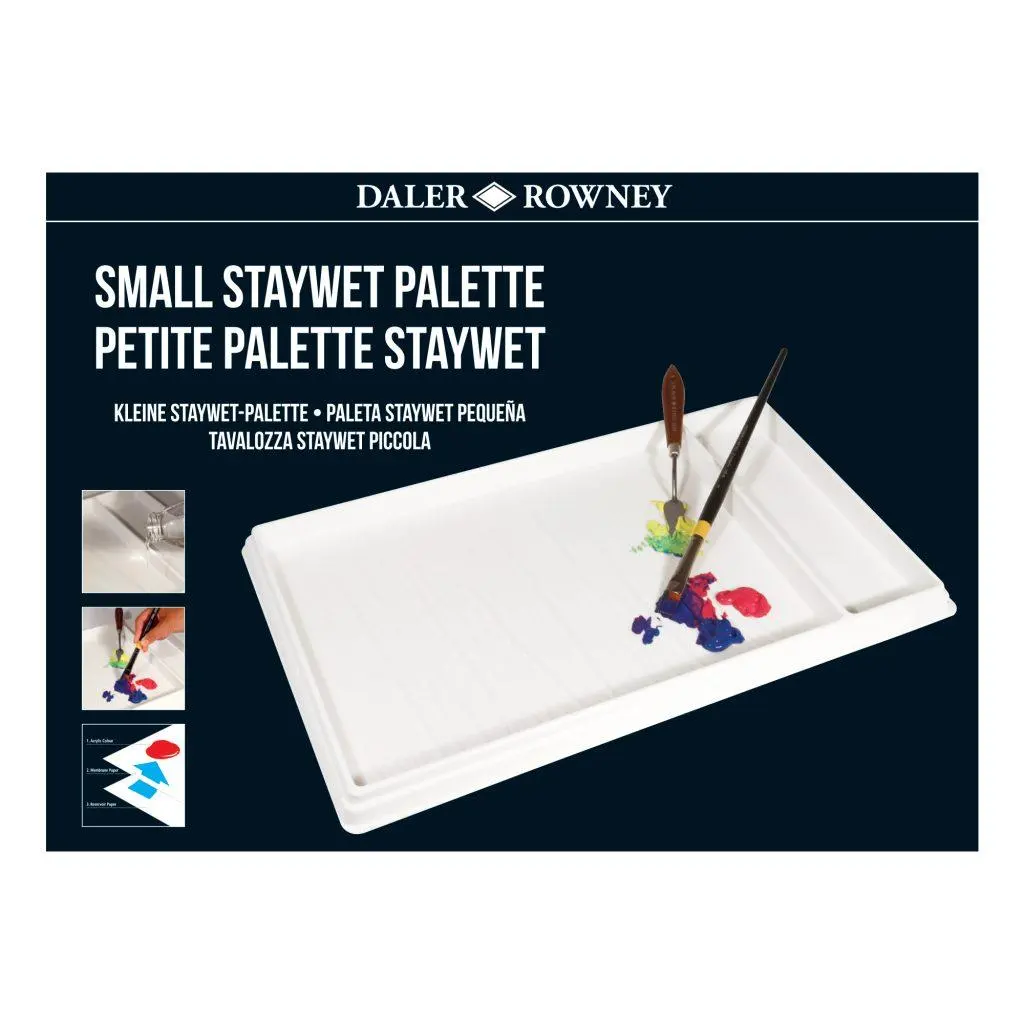
Setting up a stay-wet palette requires three core components: a shallow, airtight container, a highly absorbent sponge or cloth, and specialized parchment or palette paper. First, ensure your container is clean and large enough to accommodate your workspace needs. Place the sponge at the bottom of the container and saturate it with clean water until it is fully soaked but not pooling with excess liquid on the surface.
Once the sponge is prepared, place the palette paper directly on top. The paper must be specifically designed for this purpose, as standard parchment paper may be too thick or non-porous to allow moisture transfer. Smooth the paper down to remove any air bubbles between the sheet and the sponge. If the paper curls, add a small amount of water to the edges until it lays flat. You are now ready to dispense your acrylic paints onto the surface.
How to use a stay-wet palette effectively
Using the palette is straightforward, but maintaining the correct moisture balance is essential for the best results. When you dispense your acrylics, place them in small dollops along the surface of the paper. Because the moisture migrates through the paper, the paint will remain fluid and creamy for hours or even days, depending on the ambient humidity of your room.
- Dispense small amounts of paint to prevent waste.
- Keep the lid closed whenever you are not actively mixing or applying paint to the canvas.
- Check the sponge periodically to ensure it has not dried out, adding water to the corners if necessary.
- Clean the surface by wiping away old paint with a damp paper towel before starting a new session.
If you find that your paint is becoming too thin or watery, you have likely oversaturated the sponge. Simply lift the paper and squeeze out the excess water from the sponge before replacing the sheet.
How long does a stay-wet palette keep paint fresh
The primary advantage of this tool is its ability to extend the life of acrylic paints, which typically dry within minutes on a traditional plastic or wood palette. In a properly sealed stay-wet palette, high-quality acrylics can remain usable for three to seven days. This allows artists to step away from their work without fear of losing expensive pigments or having to remix complex color blends.
The longevity of the paint depends heavily on the quality of the container's seal. If your container does not have a robust, airtight gasket, the water in the sponge will evaporate much faster, causing the paint to skin over. For long-term storage, such as over a weekend, ensure the lid is snapped firmly into place. If you notice the paint beginning to thicken, a quick mist of water from a spray bottle can often restore the desired consistency for immediate use.
Best stay-wet palette practices for beginners
For those new to painting, the stay-wet palette is an essential investment that reduces frustration and material waste. When starting out, it is tempting to use too much paint; however, the stay-wet system allows you to use significantly less, as you do not need to compensate for paint that dries on the palette. Always start with smaller amounts than you think you will need, as you can easily add more to the surface later.
- Use a dedicated, manufactured stay-wet palette kit for the most reliable results.
- Avoid using paper towels as a substitute for the sponge, as they decompose and create a messy pulp.
- Keep the palette away from direct heat sources, such as sunlight or radiators, which will accelerate evaporation.
- Label your colors if you are working on a multi-day project to ensure consistency across your painting sessions.
Following these practices will help you develop a clean, efficient workflow that prioritizes your creative output over maintenance tasks.
Common mistakes when using a stay-wet palette
Even experienced artists occasionally encounter issues with their palettes, usually stemming from improper preparation or maintenance. One common error is failing to maintain the moisture level of the sponge, which leads to the paint drying out and forming a hard, unusable crust. Another frequent mistake is using the wrong type of paper; standard wax paper or printer paper will not allow the necessary moisture transfer and will result in the paint drying out just as quickly as it would on a dry surface.
Avoid the following pitfalls to ensure a successful experience:
- Using dirty sponges that may harbor mold or bacteria over time.
- Leaving the palette open for extended periods while not painting.
- Overloading the palette with too many colors, which leads to accidental mixing and muddy tones.
- Using paints that are too thin, which can cause the pigment to bleed into the sponge if the paper is not high-quality.
By adhering to these guidelines and keeping your equipment clean, you will find that the stay-wet palette becomes an indispensable part of your artistic process.
Key facts
- A stay-wet palette uses a layer of saturated sponge and specialized parchment paper to keep acrylic paint from drying out.
- The moisture from the sponge travels through the semi-permeable paper, keeping the paint hydrated for days or even weeks.
- Always wring out the sponge until it is damp rather than soaking wet to prevent water from pooling on top of the paper.
- Use only the specific acrylic palette paper provided by the manufacturer, as standard wax paper or parchment will not allow moisture transfer.
- Keep the lid tightly sealed when not in use to create a humid environment that prevents the paint from skinning over.
- If the paint begins to thicken, add a tiny drop of water directly to the pile of paint to restore its consistency.
The bottom line
A stay-wet palette is an essential tool for any acrylic painter, effectively extending the working time of paints and reducing waste. By maintaining a consistent moisture level through a damp sponge and specialized paper, you can preserve your color mixes for days. With proper maintenance and an airtight seal, this simple system allows artists to focus on their creative process without the constant pressure of drying paint.
People also ask
Can I use a homemade stay-wet palette instead of a commercial one?
Yes, you can create one by placing a wet paper towel inside a shallow, airtight plastic container and covering it with parchment paper. Ensure the paper towel is flat and the parchment paper is trimmed to fit the container's interior.
Why is my paint turning into a watery mess?
This usually happens because there is too much excess water in the sponge or the paper is not lying perfectly flat. Squeeze the sponge thoroughly before assembly and ensure the paper is pressed firmly against the damp surface.
How long can I keep paint on a stay-wet palette?
Most acrylics will remain usable for several days, though some pigments may eventually separate or lose their binder integrity. If the paint starts to smell or develop mold, discard it immediately and clean the container.
Should I use this for oil paints as well?
No, stay-wet palettes are designed exclusively for water-based acrylics. Oil paints require oxygen to dry and will not benefit from this moisture-controlled environment; they should be kept on a traditional flat palette.
How do I clean the palette between uses?
Simply discard the used parchment paper and rinse the sponge with clean water to remove any accumulated pigment. If you notice mold or a foul odor, disinfect the sponge and the plastic container with a mild soap solution.
Does the temperature of the room affect the palette?
Yes, high temperatures can cause the moisture to evaporate faster, leading to a shorter lifespan for your paints. Store your palette in a cool, shaded area away from direct sunlight or heat sources to maximize hydration.
This answer was created with the help of AI research tools and reference sources. Spotted an error? Let us know — we correct mistakes quickly. See our editorial policy.