What are good art ideas for school?
Short answer
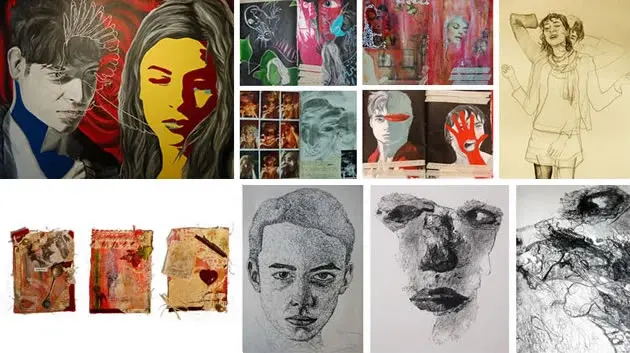
Engaging school art projects balance technical skill with creative expression. Effective activities include collaborative murals, mixed-media self-portraits, and observational nature studies. These projects foster critical thinking, spatial awareness, and cultural appreciation. By utilizing accessible materials like recycled paper, watercolors, and clay, students can explore diverse artistic techniques while developing their unique personal voice.
On this page
How to choose age-appropriate art projects
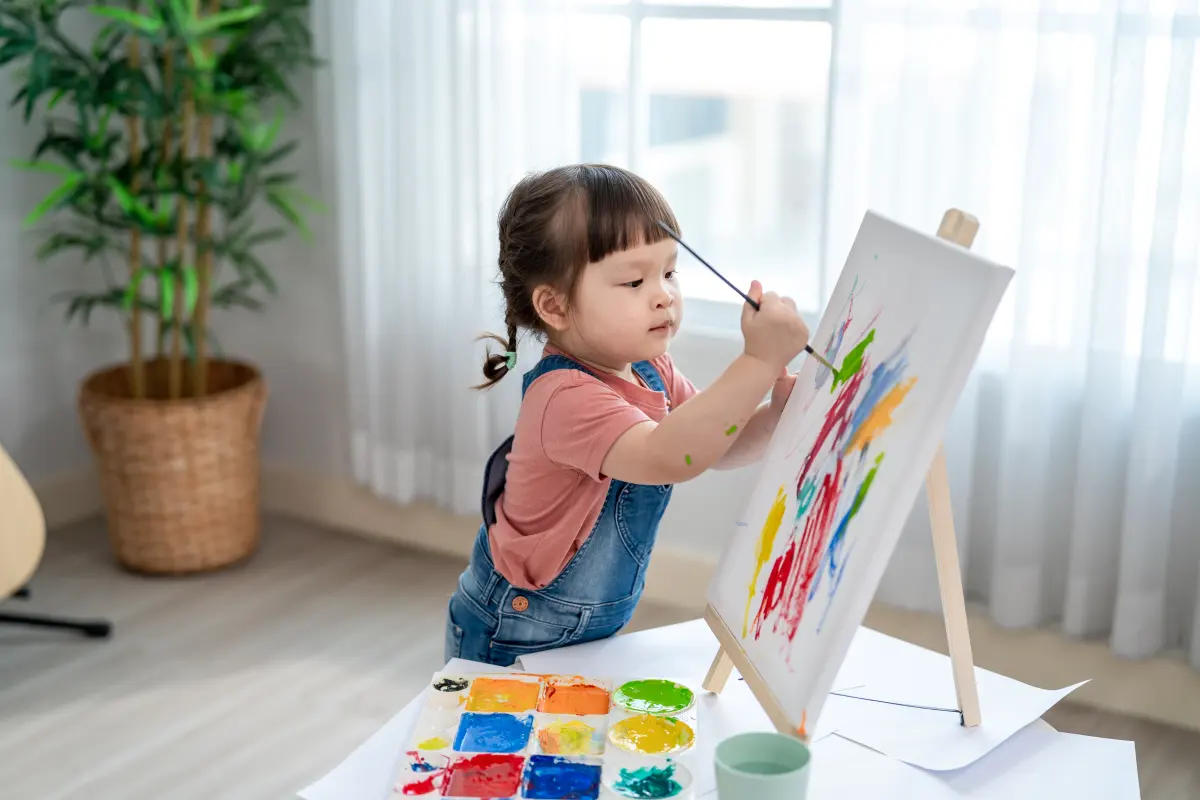
Selecting the right project depends on the developmental stage of the students. Younger children benefit from sensory-based activities that focus on process rather than the final product, such as finger painting or basic collage. These activities help develop fine motor skills and spatial reasoning without the pressure of achieving perfect proportions or realistic representation.
For middle and high school students, projects should challenge their technical abilities and encourage conceptual thinking. Focus on themes that relate to their personal identity, social issues, or historical art movements. When students feel a personal connection to their work, they are more likely to invest time in refining their techniques and exploring complex compositions.
- Early elementary: Focus on color theory, texture, and basic shape recognition.
- Middle school: Introduce perspective, shading, and the history of specific art styles.
- High school: Encourage thematic portfolios, sculpture, and advanced mixed-media integration.
Best art projects for beginners
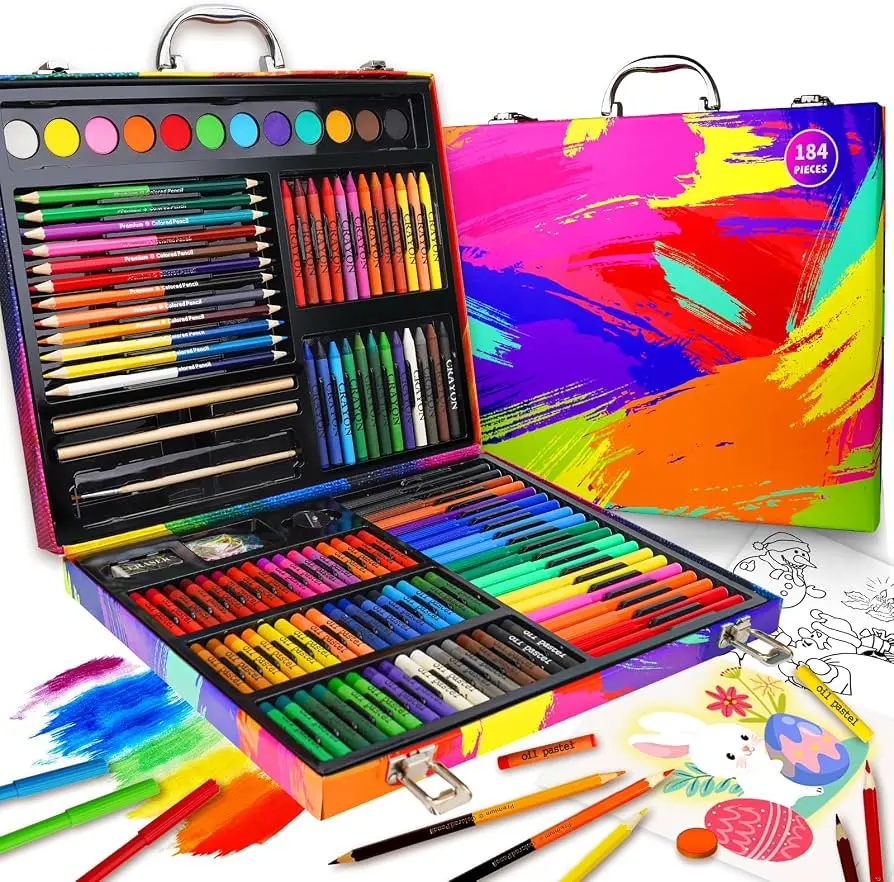
Beginners thrive when projects emphasize experimentation and low-stakes creation. Drawing exercises, such as contour line drawing, allow students to observe objects closely without worrying about shading or complex perspective. Using simple materials like graphite, charcoal, or colored pencils lowers the barrier to entry and encourages students to focus on the act of seeing.
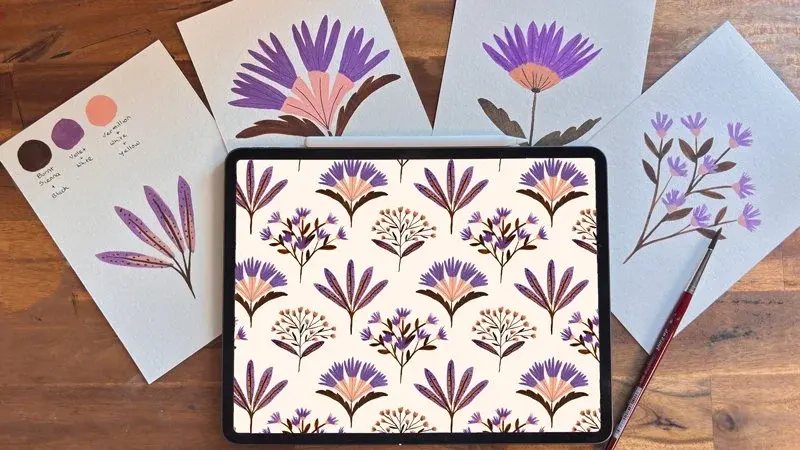
Watercolor painting is another excellent starting point because it is portable and forgiving. Students can learn about color mixing, transparency, and layering through simple landscape or abstract exercises. By limiting the palette to primary colors, students quickly grasp how to create secondary and tertiary hues, building a solid foundation for more advanced color theory work.
- Blind contour drawing: Draw an object without looking at the paper.
- Watercolor washes: Practice wet-on-wet and wet-on-dry techniques.
- Found object collage: Create a composition using only recycled materials.
- Basic clay pinch pots: Learn the fundamentals of three-dimensional form.
How to organize a classroom art project
Successful art projects require careful preparation and classroom management. Begin by gathering all necessary supplies and organizing them in accessible stations to minimize downtime during the lesson. Clearly explain the project goals and demonstrate the techniques, providing visual examples that illustrate the expected outcome while allowing room for individual interpretation and creative risk-taking.
Managing the workspace is just as important as the artistic process itself. Establish clear routines for cleaning up materials, such as washing brushes or organizing scraps, to ensure the classroom remains functional for the next period. By creating a structured environment, you allow students to focus their energy on creative problem-solving rather than searching for missing tools or dealing with unnecessary messes.
- Prepare a demonstration area with all required materials.
- Provide a clear, step-by-step visual guide or handout.
- Set a timer for cleanup to ensure the room is reset.
- Host a brief critique or sharing session at the end.
Why art education is important for students
Art education provides a vital outlet for emotional expression and cognitive development. Studies show that students who engage in regular artistic practice develop stronger critical thinking skills and increased empathy. By analyzing their own work and the work of others, students learn to appreciate diverse perspectives and historical contexts, which enriches their overall academic experience.
Furthermore, art teaches students that there is often more than one solution to a problem. Unlike subjects with a single correct answer, art encourages iteration and revision. This mindset helps students build resilience, as they learn to view mistakes as opportunities for growth rather than failures. This adaptability is a valuable life skill that translates well beyond the art studio.
- Improves fine motor skills through manipulation of tools.
- Enhances spatial awareness and visual literacy.
- Develops cultural awareness through the study of art history.
- Encourages persistence through the revision process.
Common mistakes when teaching art
A frequent error is focusing too heavily on the final product rather than the creative process. When students are only concerned with making their work look like a teacher's example, they lose the opportunity to develop their own style. Encourage students to deviate from the instructions if they have a compelling idea, as this autonomy fosters genuine artistic growth.
Another mistake is failing to provide enough context or inspiration. Students often struggle with the "blank page" syndrome if they do not have a starting point. Always provide a prompt, a historical reference, or a thematic question to spark their imagination. By balancing structure with creative freedom, you create an environment where students feel safe to explore, make mistakes, and ultimately produce meaningful, authentic work that reflects their unique identity and artistic progress.
Key facts
- Use the "color wheel" to teach primary, secondary, and tertiary color mixing using only red, yellow, and blue tempera paint.
- Incorporate "found object sculpture" by asking students to bring in clean recyclables like cardboard tubes and plastic bottles to build 3D structures.
- Implement "contour drawing" by having students sketch an object without looking down at their paper to improve hand-eye coordination.
- Explore "printmaking" by using carved potatoes or foam sheets pressed into ink to create repeating patterns on construction paper.
- Teach "grid drawing" by overlaying a photograph with a grid to help students accurately scale images onto larger drawing paper.
- Practice "color theory" by creating monochromatic paintings where students mix one hue with varying amounts of white and black.
The bottom line
Effective school art projects balance technical skill development with creative freedom. By utilizing accessible materials like cardboard or basic paints, educators can teach foundational concepts such as color theory and structural design. Success relies on clear rubrics, organized classroom management, and structured prompts that guide students through the creative process. Ultimately, focusing on effort and technique ensures that every student can produce meaningful work regardless of skill.
People also ask
How can I manage mess in a classroom art project?
Use plastic tablecloths to cover desks and require students to wear old oversized shirts as smocks. Keep a designated "clean-up station" with wet wipes and paper towels to address spills immediately.
What materials are best for budget-constrained schools?
Focus on versatile supplies like graphite pencils, charcoal, and construction paper, which are inexpensive and durable. You can also utilize free materials like newspapers for papier-mâché or cardboard for structural projects.
How do I grade art projects fairly?
Create a rubric that focuses on effort, understanding of the technique, and following instructions rather than subjective artistic talent. This ensures that students are rewarded for their process and growth.
What is the best way to store wet artwork?
Utilize drying racks with multiple wire shelves to keep paintings flat and separated. If space is limited, lay finished pieces on newspaper in a low-traffic corner of the room.
How can I encourage creativity in students who lack confidence?
Provide specific prompts or constraints, such as "draw an animal using only geometric shapes," to remove the pressure of total creative freedom. Starting with structured exercises often helps students build the skills necessary for self-expression.
Should I allow students to choose their own themes?
Yes, offering a choice between three distinct themes increases student engagement and personal investment in the final product. Ensure each theme still requires the application of the specific lesson objective.
This answer was created with the help of AI research tools and reference sources. Spotted an error? Let us know — we correct mistakes quickly. See our editorial policy.