How do you build an art portfolio?
Short answer
Building an art portfolio requires selecting your 10 to 20 strongest, most cohesive works that demonstrate technical skill and conceptual depth. Organize your pieces to tell a story about your artistic identity, ensure high-quality documentation, and tailor your presentation to the specific requirements of the school, gallery, or employer you are targeting.
On this page
How to choose the right artwork for a portfolio
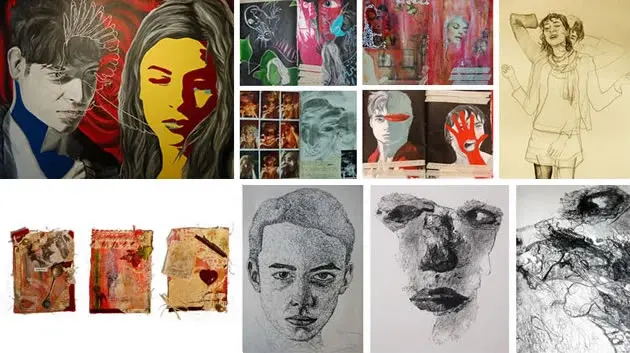
Selecting the right pieces is the most critical step in portfolio development. You should prioritize quality over quantity, as a single weak piece can diminish the impact of your entire collection. Aim for a cohesive body of work that highlights your technical mastery, such as proficiency in anatomy, lighting, composition, or color theory. If you are applying for a specific program, ensure your selections align with their stylistic expectations while still showcasing your unique creative voice.
When curating your selection, consider the following criteria:
- Technical versatility: Show that you can handle different mediums or subject matters.
- Conceptual depth: Include work that demonstrates your ability to think critically and solve visual problems.
- Progression: If applicable, show a brief evolution of your skills or a series that explores a single theme in depth.
- Professionalism: Only include finished works; avoid sketches or unfinished studies unless they are specifically requested.
How to document your art professionally
High-quality documentation is essential because your portfolio will often be viewed digitally before it is seen in person. Use a high-resolution camera or a professional scanner to capture your work, ensuring that the lighting is even and the colors are accurate. Avoid taking photos of paintings behind glass, as the glare can obscure the details of the brushwork. If you are photographing three-dimensional sculptures, use a neutral background to ensure the focus remains on the form.
Follow these technical steps for optimal results:
- Set up your lighting at 45-degree angles to the artwork to minimize shadows and reflections.
- Use a tripod to ensure your camera remains perfectly still, preventing motion blur.
- Edit your images in software like Adobe Photoshop or Lightroom to adjust white balance and exposure.
- Export your files in the format requested by the institution, typically high-quality JPEGs or PDFs.
How to format and present your portfolio
The layout of your portfolio should be clean, professional, and easy to navigate. Whether you are using a physical binder or a digital website, the design should not distract from the art itself. Use a consistent font and a simple color scheme, such as black, white, or light gray. If you are submitting a digital portfolio, ensure that your website is mobile-responsive and that all links are functional.
For physical portfolios, use acid-free sleeves to protect your prints and organize them in a logical sequence. For digital submissions, keep your file sizes manageable so that they load quickly, but ensure they remain sharp when zoomed in. Always include a brief description for each piece, noting the title, medium, dimensions, and the year it was completed. This provides necessary context for reviewers who may not be familiar with your process or the specific materials you utilized.
How to tailor a portfolio for specific goals
You should never use the exact same portfolio for every application. A portfolio intended for a fine arts degree program will look significantly different from one intended for a commercial graphic design role. Research the specific institution or company to understand what they value most. If a school focuses on traditional drawing techniques, emphasize your observational sketches and charcoal work. If a company focuses on branding, prioritize your typography and layout projects.
When customizing your portfolio, consider these strategies:
- Research the target audience: Look at the work of current students or employees to gauge the expected standard.
- Edit ruthlessly: If a piece does not fit the specific requirements of the opportunity, remove it.
- Write a compelling artist statement: Include a short, 200-word introduction that summarizes your artistic philosophy and goals.
- Check submission guidelines: Always follow the specific formatting instructions, such as page counts or file naming conventions, to avoid automatic disqualification.
Common mistakes when building an art portfolio
Many artists struggle because they include too many pieces, which can overwhelm the viewer and dilute the overall quality of the presentation. A portfolio is a highlight reel, not an archive of everything you have ever created. Another frequent error is failing to proofread your descriptions or check for broken links on your website. These small, avoidable mistakes can make you appear disorganized or unprofessional to a potential recruiter or admissions officer.
Avoid these common pitfalls to ensure your portfolio stands out:
- Including outdated work: Only show pieces that represent your current skill level.
- Ignoring feedback: Ask mentors or peers to review your selections before finalizing your submission.
- Over-designing the portfolio: Let the art speak for itself rather than using distracting backgrounds or complex animations.
- Lacking variety: While cohesion is important, ensure you are not showing the same subject matter in every single piece.
- Missing deadlines: Always submit your materials well in advance to account for any technical issues that might arise during the uploading process.
Key facts
- Aim for 10 to 20 high-quality pieces that demonstrate your technical skill and unique artistic voice.
- Organize your work chronologically or by theme to show a clear narrative of your artistic development.
- Include a brief artist statement that explains your creative process, influences, and the concepts behind your work.
- Use professional-grade photography to document your art, ensuring proper lighting and high resolution for digital submissions.
- Tailor your portfolio to the specific school, gallery, or employer by researching their aesthetic preferences and requirements.
- Keep your online presence clean and professional by using a dedicated website or a curated platform like Behance.
The bottom line
Building a successful art portfolio requires careful curation and a focus on quality over quantity. By selecting your strongest pieces, documenting them professionally, and framing them within a clear narrative, you demonstrate both technical proficiency and creative intent. Remember to tailor your selection to your specific audience, ensuring that every image serves a purpose in telling the story of your development as a dedicated artist.
People also ask
Should I include unfinished sketches in my portfolio?
You may include sketches if they demonstrate your conceptual process or technical range. However, ensure they are presented as intentional studies rather than sloppy mistakes.
How often should I update my portfolio?
Update your portfolio every six months or whenever you complete a significant project. Regular updates ensure your work reflects your current skill level and interests.
Is a physical portfolio still necessary?
Physical portfolios are rarely required today, but they can be impressive during in-person interviews. Always have a digital version ready for immediate sharing.
What is the most common mistake when building a portfolio?
The most common error is including too much work. A portfolio is a curated selection, not an archive of everything you have ever created.
Should I show a variety of mediums or focus on one?
For general art school applications, versatility is valued. For professional roles, focus on the specific medium or style requested by the employer.
How do I write an effective artist statement?
Keep it concise and avoid overly academic jargon. Focus on why you create, the materials you prefer, and the themes that drive your current body of work.
This answer was created with the help of AI research tools and reference sources. Spotted an error? Let us know — we correct mistakes quickly. See our editorial policy.