What do flamingos eat?
Short answer
Flamingos are specialized filter feeders that consume a diet consisting primarily of algae, diatoms, small crustaceans, and insect larvae. They use their uniquely shaped, downward-curving beaks to strain nutrient-rich water and mud. This diet is essential for their survival and provides the carotenoid pigments that give their feathers their iconic pink color.
On this page
What do flamingos eat in the wild?
Flamingos are highly specialized omnivores that inhabit alkaline or saline lakes and lagoons. Their diet is dictated by the specific microorganisms found in these extreme environments. They primarily consume blue-green algae, diatoms, and tiny aquatic invertebrates such as brine shrimp and brine flies. Because these food sources are often abundant in hypersaline water where few other animals can survive, flamingos face little competition for resources.
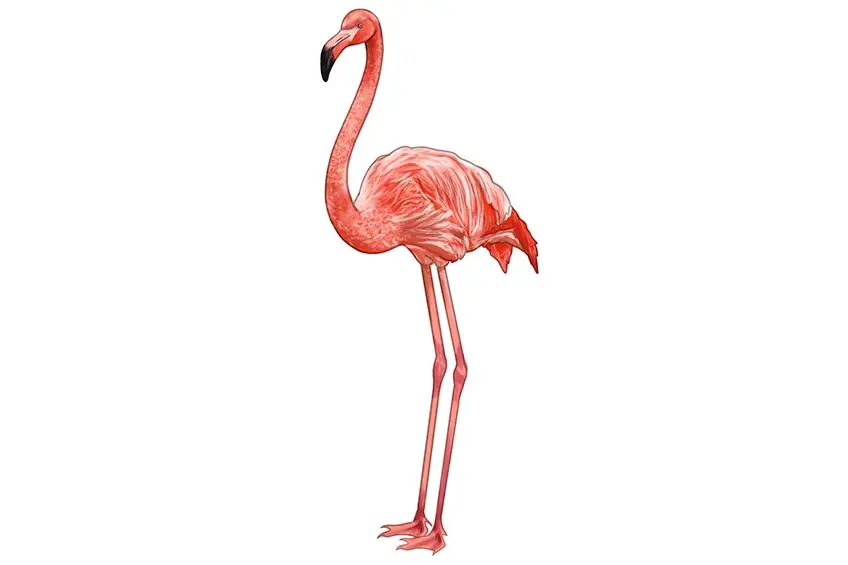
The nutritional composition of their intake varies slightly by species, but the reliance on carotenoids is universal. These organic pigments are found in the algae and crustaceans they ingest. When a flamingo consumes these pigments, its body processes them and deposits them into its feathers, skin, and fat. Without these specific food sources, a flamingo would gradually lose its vibrant coloration and appear dull or white.
- Blue-green algae (Cyanobacteria)
- Diatoms (microscopic algae)
- Brine shrimp (Artemia)
- Brine flies and their larvae
- Small mollusks and crustaceans
How do flamingos filter feed?
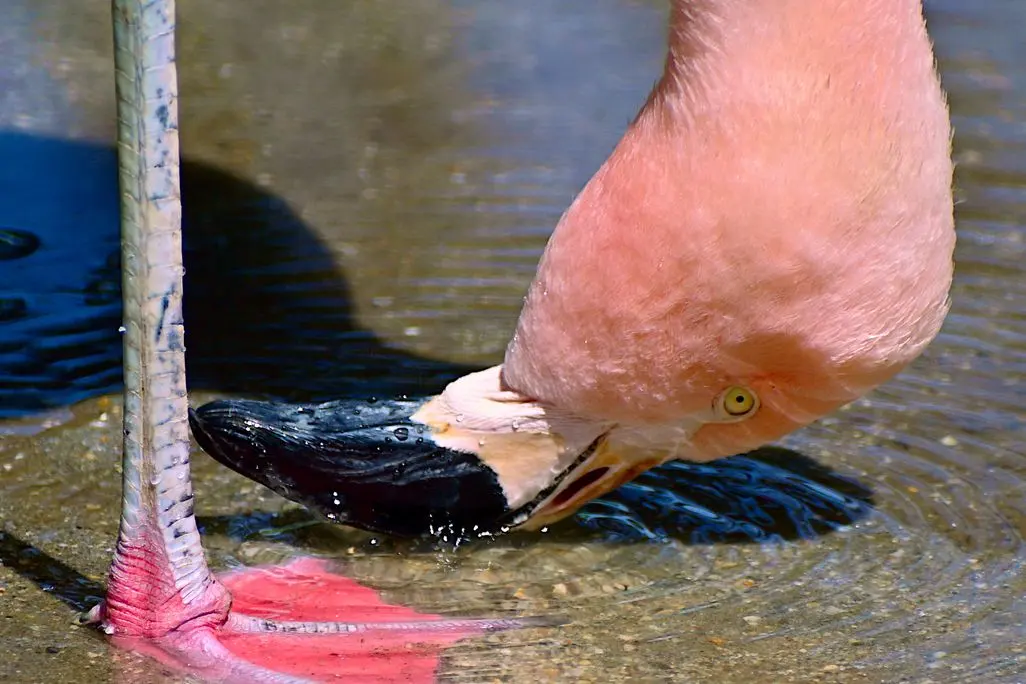
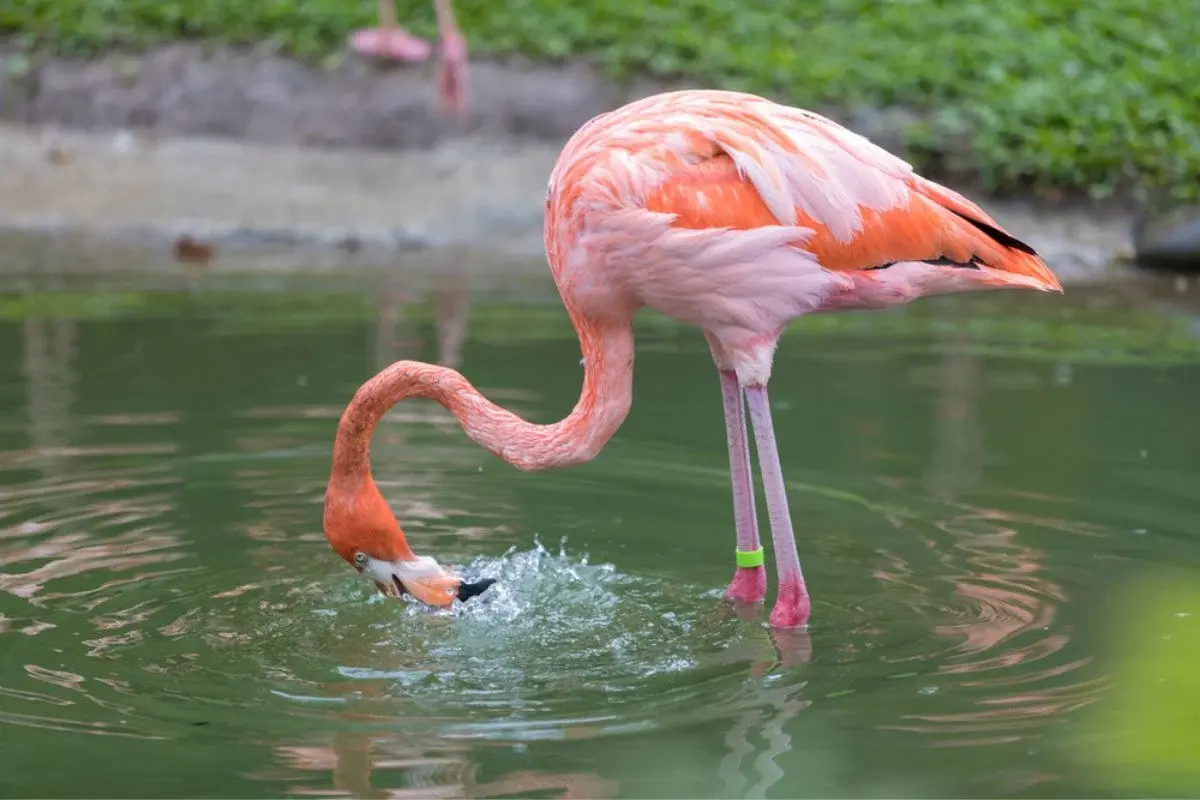
The feeding mechanism of a flamingo is a marvel of biological engineering. When a flamingo lowers its head into the water, it turns its bill upside down. This position allows the lower mandible, which is larger and acts like a scoop, to sit at the top, while the smaller upper mandible acts as a lid. The bird then uses its large, fleshy tongue to pump water in and out of the bill rapidly.
Inside the bill, the flamingo possesses specialized structures called lamellae. These are comb-like plates that line the edges of the beak and function as a sieve. As the water is pumped through, the lamellae trap the microorganisms while allowing the water and silt to escape. The bird then swallows the concentrated food particles. This process can happen up to 20 times per second, allowing the bird to process massive amounts of water efficiently.
- The bird dips its beak into the water and turns it upside down.
- The tongue moves back and forth like a piston to draw water into the mouth.
- The lamellae filter out algae and small organisms from the water.
- The tongue pushes the trapped food toward the throat for swallowing.
Why do flamingos have pink feathers?
The pink, orange, or red hue of a flamingo is not innate at birth. Chicks are born with grey or white downy feathers. As they begin to feed on their own, they start accumulating carotenoids from their environment. These pigments are lipid-soluble, meaning they are stored in the bird's fat tissues and eventually distributed to the developing feathers as they molt.
The intensity of the color often serves as an indicator of health and nutritional status. A flamingo that has access to high-quality, pigment-rich food will typically display a deeper, more vibrant shade of pink. Conversely, if a bird is ill or malnourished, its color may fade. This biological process is so significant that zoo keepers often supplement the diets of captive flamingos with canthaxanthin, a pigment additive, to ensure they maintain their natural appearance.
What do flamingos eat in captivity?
Feeding flamingos in a zoo or sanctuary requires careful replication of their natural dietary intake. Since it is difficult to harvest enough wild algae and brine shrimp, keepers rely on specially formulated pelleted diets. These pellets are designed to be nutritionally complete, containing the necessary proteins, vitamins, and minerals that the birds would find in the wild.
To maintain their health and color, these pellets are often enriched with carotenoids. Keepers must monitor the birds closely to ensure they are consuming the food and that the pigment levels are sufficient to prevent color loss. Providing these pellets in shallow water troughs also encourages the birds to engage in their natural filter-feeding behavior, which is essential for their physical and psychological well-being.
- High-protein commercial flamingo pellets
- Supplemental carotenoid additives (canthaxanthin or astaxanthin)
- Occasional additions of live brine shrimp when available
- Clean, filtered water to prevent contamination
- Shallow feeding pans that mimic natural mudflats
Common mistakes when feeding flamingos
One of the most frequent errors in captive management is providing food that is too large or not properly suspended in water. Flamingos are evolved to filter microscopic particles; if the food is too coarse, they cannot process it through their lamellae. This can lead to digestive issues or malnutrition if the bird is unable to extract the necessary nutrients from the oversized food items.
Another common mistake is failing to maintain water hygiene in the feeding area. Because flamingos feed by straining water, any bacteria or toxins in the trough can be ingested in high concentrations. Keepers must clean feeding stations daily to prevent the buildup of algae blooms or pathogens. Finally, ignoring the seasonal dietary needs of the birds, particularly during the breeding season when they require extra energy, can lead to poor reproductive success and weakened health for the entire flock.
Key facts
- Flamingos are filter feeders that use their specialized, downward-curved beaks to strain food from water and mud.
- Their diet consists primarily of brine shrimp, blue-green algae, diatoms, and small aquatic invertebrates.
- The pink or orange pigment in their feathers comes from carotenoids found in the algae and crustaceans they consume.
- Flamingos feed with their heads upside down, using their tongue as a piston to pump water through comb-like structures called lamellae.
- A flamingo can process up to 30 liters of water per hour to extract enough microscopic organisms to sustain its metabolism.
- Avoid feeding wild flamingos human food like bread, as it lacks essential nutrients and can cause digestive blockages or malnutrition.
The bottom line
Flamingos are highly specialized filter feeders that rely on a diet of microscopic algae and small crustaceans to survive. By pumping water through their unique, comb-like beaks, they extract the essential nutrients that also provide their iconic pink pigmentation. To protect these birds, it is vital to keep their habitats free of pollution and avoid human interference, ensuring they have access to their natural food sources.
People also ask
Do flamingos need to drink fresh water?
While they live in saline or alkaline lakes, flamingos require fresh water to drink and bathe. They often travel long distances to reach freshwater springs to rinse salt from their feathers and hydrate.
Can flamingos eat fish?
Flamingos do not typically eat fish. Their feeding apparatus is designed to filter tiny organisms, and they lack the anatomy required to capture or digest larger prey like fish.
Why do flamingos stand on one leg while eating?
Scientists believe this behavior helps conserve body heat and reduces muscle fatigue. Standing on one leg minimizes the surface area exposed to cold water, helping the bird maintain a stable core temperature.
Do flamingos change color if they stop eating their natural diet?
Yes, if a flamingo is deprived of carotenoid-rich foods, its feathers will gradually fade to a dull white or gray. This is why captive flamingos are often fed supplements to maintain their vibrant coloration.
How much food does a flamingo eat in a day?
An adult flamingo consumes approximately 10 to 20 percent of its body weight in food daily. This high intake is necessary to support the energy-intensive process of constant filtering.
Are flamingos born with their pink color?
No, flamingo chicks are born with gray or white downy feathers. They only begin to develop their signature pink, orange, or red plumage after several years as they reach maturity and consume carotenoid-rich foods.
This answer was created with the help of AI research tools and reference sources. Spotted an error? Let us know — we correct mistakes quickly. See our editorial policy.