Where do herons live?
Short answer
Herons live on every continent except Antarctica, thriving in diverse aquatic environments worldwide. These wading birds primarily inhabit freshwater and saltwater wetlands, including marshes, riverbanks, lakes, and coastal estuaries. While they prefer temperate and tropical climates, some species adapt to varied elevations and human-modified landscapes like suburban ponds and drainage ditches.
On this page
Where do herons live geographically?
Herons belong to the family Ardeidae and exhibit a nearly global distribution. They are found on every continent except for the frozen expanse of Antarctica. Because they rely on shallow water for hunting, their presence is dictated by the availability of wetlands rather than specific geographic borders. From the dense tropical mangroves of Southeast Asia to the temperate marshes of North America and the river systems of sub-Saharan Africa, these birds have successfully colonized almost every habitable climate zone on Earth.
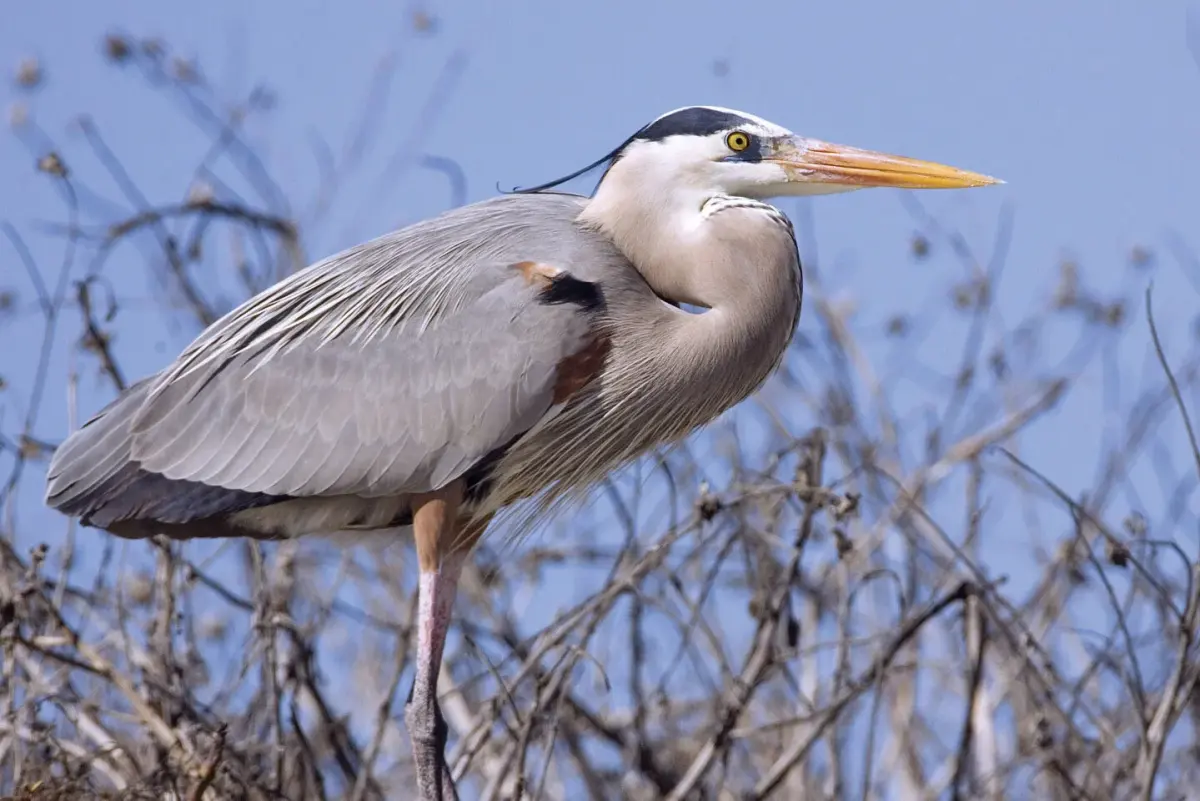
While many species are widespread, some possess highly specific ranges. For instance, the Great Blue Heron is a staple of North American landscapes, ranging from southern Canada down to the Caribbean. Conversely, the Agami Heron is restricted to the humid rainforests of Central and South America. Regardless of the region, their survival is inextricably linked to the presence of water bodies that provide both a food source and a safe environment for nesting.
What types of habitats do herons prefer?
Herons are specialized wading birds that require specific environmental features to survive. Their primary habitat consists of shallow water where they can stand on their long legs to ambush prey. These environments include:
- Freshwater marshes and swamps
- Banks of slow-moving rivers and streams
- Shallow edges of lakes and ponds
- Coastal estuaries and saltwater lagoons
- Rice paddies and agricultural irrigation ditches
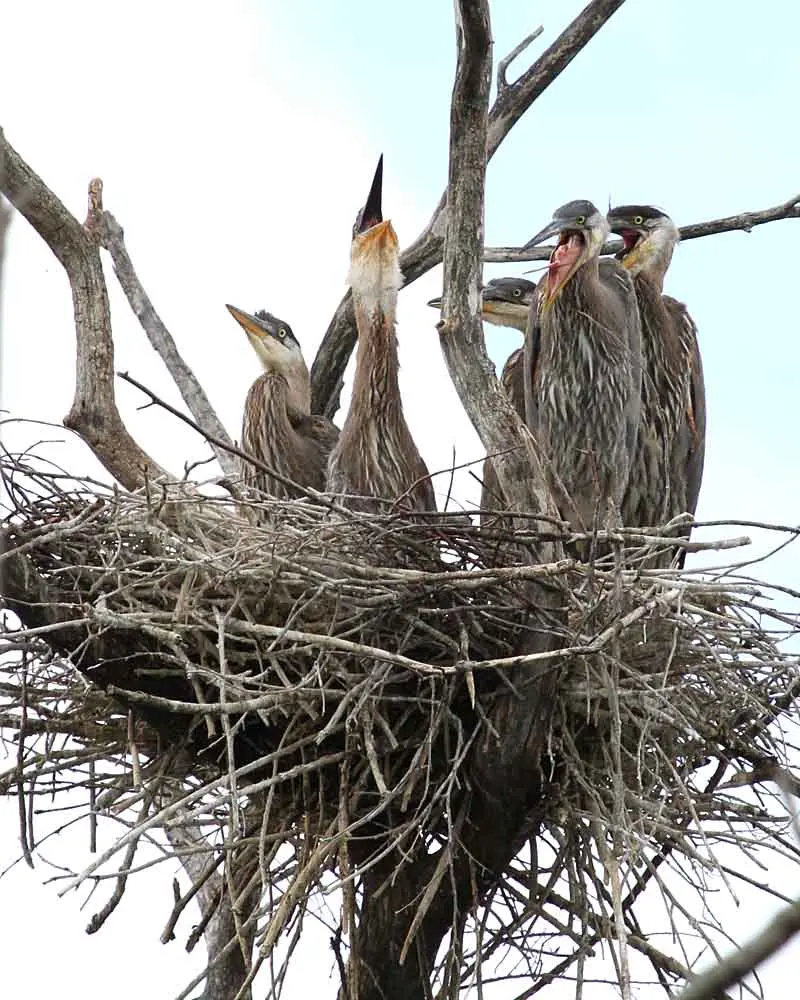
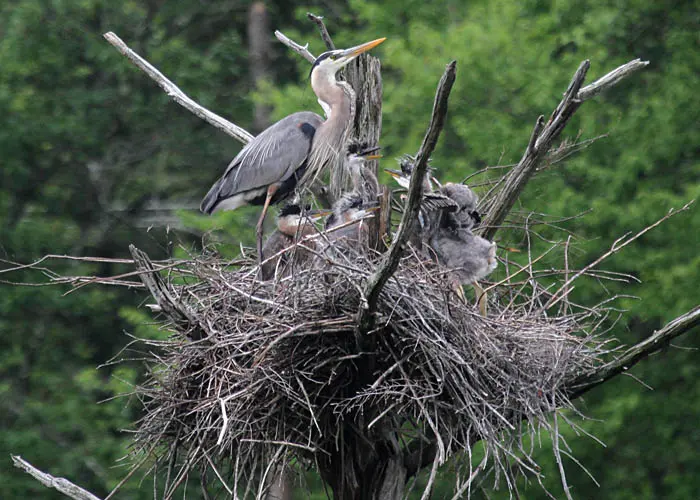
Beyond the water itself, herons require adequate nesting sites. Most species are colonial nesters, meaning they gather in large groups known as rookeries. These sites are typically located in elevated, secluded areas that offer protection from ground predators. Common nesting locations include tall trees, dense shrubs, or thick reed beds. By choosing sites that are difficult for mammals to reach, such as islands or trees surrounded by water, they ensure the safety of their eggs and chicks during the vulnerable breeding season.
How do herons adapt to different environments?
The ability of herons to thrive in diverse settings is a testament to their behavioral flexibility. While they are naturally wild animals, many species have adapted to human-modified landscapes. It is increasingly common to see herons hunting in suburban decorative ponds, golf course water hazards, and urban drainage canals. These man-made environments often provide a steady supply of fish and amphibians, allowing the birds to maintain populations even in heavily developed regions.
Adaptation also involves seasonal migration for many species. In colder climates, such as the northern United States or Europe, herons must move south when water bodies freeze over. If their hunting grounds turn to ice, they can no longer access their primary food sources. Some populations are sedentary, remaining in the same territory year-round if the climate remains mild and the water stays liquid. This migratory behavior allows them to expand their range significantly during the summer months while retreating to hospitable zones during the winter.
Common mistakes when looking for herons
Many birdwatchers fail to spot herons because they do not understand the birds' hunting techniques. A common mistake is looking for active movement; herons are masters of patience and can stand completely still for long periods. If you are scanning a lake, do not just look for motion. Instead, look for a tall, vertical shape that breaks the horizontal lines of the shoreline.
- Scan the water’s edge slowly with binoculars rather than moving quickly across the landscape.
- Look for silhouettes against the light, as herons often hunt in the shadows of overhanging branches.
- Check high branches in nearby trees, as herons frequently perch there to survey their territory.
- Visit wetlands during dawn or dusk, as these are the peak hours for heron activity.
- Avoid wearing bright clothing, as their keen eyesight will detect movement and color contrasts from a significant distance.
How to support local heron populations
Supporting heron habitats is essential for maintaining biodiversity in local ecosystems. Because these birds are sensitive to water quality, the best way to help them is by protecting the wetlands they call home. If you live near a pond or stream, maintaining a natural, vegetated buffer strip along the bank provides the cover they need to hunt effectively. Avoid using chemical fertilizers or pesticides near water, as these substances can accumulate in the food chain and harm the fish that herons consume.
If you are interested in creating a heron-friendly space, consider these practical steps:
- Install native aquatic plants to provide shelter for small fish and amphibians.
- Leave dead trees or "snags" standing, as these are preferred nesting and perching sites.
- Minimize human disturbance near known nesting colonies, especially during the spring breeding season.
- Support local conservation groups that work to restore drained wetlands or remove invasive plant species.
- Keep domestic pets away from shorelines to prevent the harassment of wading birds.
By preserving the integrity of their aquatic homes, you ensure that these elegant birds continue to thrive in your local environment for many years to come.
Key facts
- Herons inhabit every continent except for Antarctica, thriving in diverse climates ranging from tropical jungles to temperate wetlands.
- These birds are primarily found near shallow bodies of water, including marshes, lakes, ponds, riverbanks, and coastal shorelines.
- Most heron species nest in colonies known as rookeries, often located high in trees or dense shrubs to protect their young from predators.
- They require access to clear, shallow water to hunt effectively, as they rely on sight to stalk fish, amphibians, and crustaceans.
- When observing herons, maintain a distance of at least 50 feet to avoid causing the bird to abandon its hunting ground or nest.
- Avoid encroaching on nesting sites during the spring breeding season, as human presence can stress the birds and lead to nest failure.
The bottom line
Herons are versatile birds that occupy a wide range of aquatic habitats across the globe. By selecting locations with shallow water and secure nesting trees, they successfully thrive in both wild marshes and urban settings. To observe them effectively, prioritize maintaining your distance and respecting their nesting sites, as these birds are sensitive to human interference, particularly during their critical spring breeding and rearing seasons.
People also ask
Do herons migrate during the winter?
Many heron species that live in northern climates migrate south to warmer regions when their water sources freeze. However, those living in tropical or subtropical areas typically remain in the same territory year-round.
Can herons live in urban environments?
Yes, many species like the Black-crowned Night Heron have adapted to city life by nesting in parks or near man-made ponds. They often take advantage of urban fish populations in ornamental water features.
What makes a good habitat for a heron?
A high-quality habitat must provide shallow water for wading, abundant prey like small fish or frogs, and secluded trees or reeds for nesting. The presence of minimal human disturbance is also critical for long-term survival.
How do herons choose their nesting sites?
Herons prefer sites that offer protection from ground predators, such as islands or tall, sturdy trees. They often return to the same rookery year after year if the area remains undisturbed.
Do herons live in groups or alone?
While they are solitary hunters, herons are highly social birds that nest in large, noisy colonies. These groups provide collective protection against predators and help individuals locate productive feeding grounds.
Can I attract herons to my backyard pond?
You can attract them by keeping the water clear, maintaining shallow edges, and planting tall vegetation for cover. However, be aware that they may also consume fish you intended to keep in your pond.
This answer was created with the help of AI research tools and reference sources. Spotted an error? Let us know — we correct mistakes quickly. See our editorial policy.