What is Kenya known for?
Short answer
Kenya is globally renowned for its spectacular wildlife safaris, particularly the annual Great Migration in the Maasai Mara. It serves as a vital hub for East African commerce, technology, and long-distance running excellence. Beyond its natural beauty, the nation is celebrated for its diverse cultural heritage and significant contributions to global athletics.
On this page
Why is Kenya famous for safaris?
Kenya is widely considered the birthplace of the modern safari, offering some of the most accessible and diverse wildlife viewing experiences on the planet. The country’s geography ranges from the savannah plains of the Maasai Mara to the arid landscapes of Samburu and the lush forests of Mount Kenya. The primary draw is the Great Migration, where over 1.5 million wildebeest, zebras, and gazelles travel between the Serengeti in Tanzania and the Maasai Mara. This natural spectacle typically occurs between July and October, providing a rare opportunity to witness predators in action.
Beyond the migration, Kenya’s protected areas are home to the "Big Five": lions, leopards, elephants, buffalo, and rhinos. The country has invested heavily in conservation efforts, such as the Ol Pejeta Conservancy, which protects the world’s last two northern white rhinos. Visitors often choose Kenya for its well-developed tourism infrastructure, which includes everything from luxury tented camps to community-led eco-lodges. Key wildlife destinations include:
- Amboseli National Park: Famous for its massive elephant herds and iconic views of Mount Kilimanjaro.
- Tsavo National and East Parks: Renowned for their vast size and unique red-dust-covered elephants.
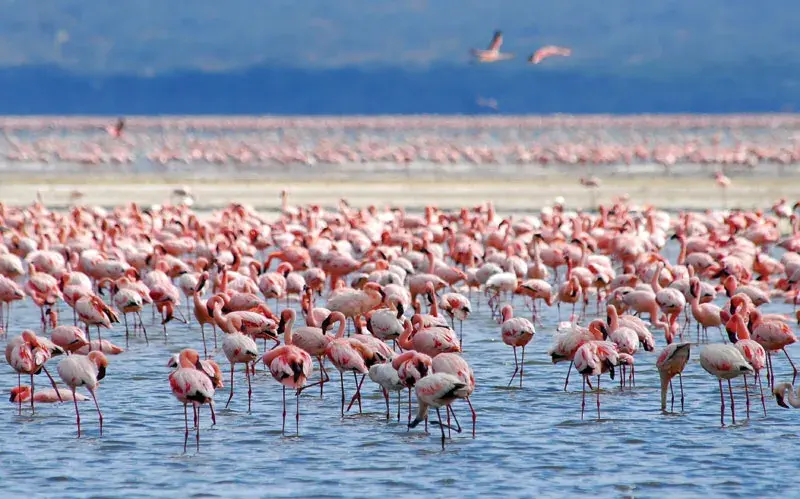
- Lake Nakuru National Park: A sanctuary for flamingos and endangered black and white rhinos.
Best time to visit Kenya for weather
The climate in Kenya is generally pleasant, but seasonal patterns dictate the best times for travel. The country experiences two distinct rainy seasons: the "long rains" from March to May and the "short rains" in November and December. Most travelers prefer the dry season, which spans from June to October and again from January to February. During these months, vegetation is sparse, making it much easier to spot animals congregating around water holes.
For those planning a trip, consider these seasonal factors to optimize your experience:
- June to October: Ideal for wildlife viewing and the Great Migration; expect cooler temperatures and peak tourist crowds.
- January to February: Excellent for bird watching and warmer weather, though it can be quite dusty.
- March to May: Best for budget travelers as prices drop, but be prepared for muddy roads and limited wildlife visibility.
- November to December: Short rains bring lush greenery, making it a beautiful time for photography, though some camps may close.
How to train like a Kenyan runner
Kenya is synonymous with world-class long-distance running, producing record-breaking athletes like Eliud Kipchoge. The secret to this success is often attributed to the high-altitude training environments found in the Rift Valley, particularly in towns like Iten, known as the "Home of Champions." Kenyan runners typically train at elevations between 2,000 and 2,500 meters, which increases red blood cell count and improves oxygen efficiency. This physiological advantage, combined with a disciplined lifestyle and high-carb, plant-based diets, creates a formidable competitive edge.
If you are an aspiring runner looking to emulate these athletes, consider these practical steps:
- Focus on consistency: Kenyan runners often maintain a strict routine of two runs per day, six days a week.
- Prioritize recovery: Rest and sleep are treated as essential components of the training cycle rather than optional downtime.
- Incorporate hill work: Use varied terrain to build strength and endurance rather than relying solely on flat track surfaces.
- Stay hydrated: Proper fluid intake is critical, especially when training in the warm, high-altitude sun of the Rift Valley.

Common mistakes when visiting Kenya
Navigating a foreign country requires preparation, and travelers often make avoidable errors that impact their safety or enjoyment. One of the most common mistakes is underestimating the distances between parks; Kenya is geographically large, and road travel can be slow and bumpy. Relying on GPS alone can lead to frustration, as many remote areas lack clear signage or reliable cellular service. It is always better to hire a professional guide who knows the terrain and can communicate with other drivers to locate wildlife.
Another frequent oversight involves cultural etiquette and health precautions. Visitors should:
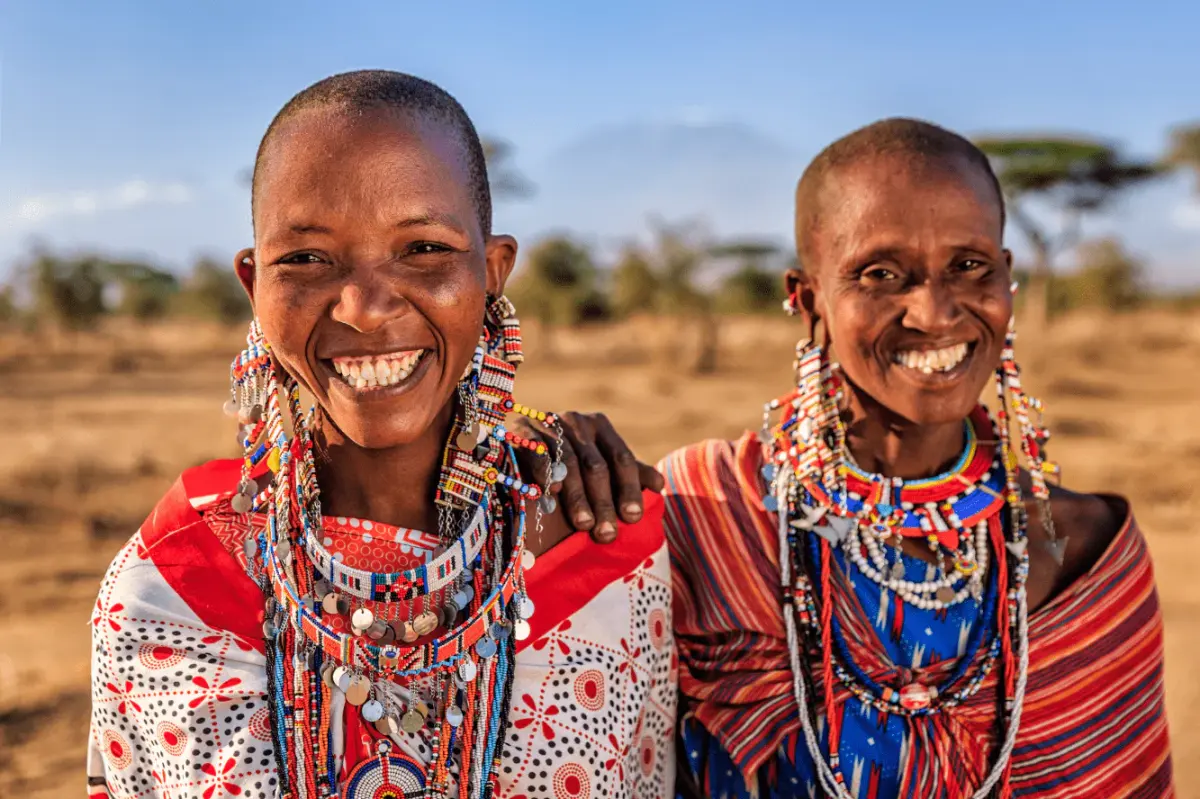
- Avoid taking photographs of people without explicit permission, as this is considered disrespectful in many rural communities.
- Ensure they are up to date on vaccinations, including yellow fever and malaria prophylaxis, as health risks vary by region.
- Dress modestly when visiting coastal areas like Mombasa or Lamu, which have deep-rooted Islamic traditions.
- Carry local currency, the Kenyan Shilling, for small purchases, as credit cards are not universally accepted in rural markets.
Why is Nairobi a regional business hub?
Nairobi, the capital city, serves as the economic and technological engine of East Africa. Often referred to as "Silicon Savannah," the city has become a major center for mobile banking and fintech innovation. The success of M-Pesa, a mobile money platform launched in 2007, revolutionized the local economy by allowing millions of unbanked citizens to participate in digital transactions. This technological leap has attracted significant international investment and fostered a vibrant startup ecosystem that continues to expand across the continent.
The city's strategic importance is further bolstered by its role as a regional headquarters for major international organizations, including the United Nations Environment Programme. Nairobi offers a unique blend of modern urban life and proximity to nature, with the Nairobi National Park located just minutes from the city center. This juxtaposition allows business travelers to experience the country’s natural wonders without venturing far from the central business district. As the regional hub, Nairobi continues to facilitate trade, logistics, and diplomatic relations, cementing its status as a vital gateway for those looking to engage with the broader East African market.
Key facts
- Kenya is home to the Maasai Mara National Reserve, which hosts the annual Great Migration of over 1.5 million wildebeest and zebras.
- Mount Kenya, the country’s highest peak at 5,199 meters, is an extinct volcano that offers challenging climbs for experienced mountaineers.
- The capital, Nairobi, is the only city in the world with a national park located within its metropolitan boundaries.
- Kenya is a global leader in tea production, consistently ranking among the top three exporters of black tea worldwide.
- When visiting, always carry a valid e-visa and proof of yellow fever vaccination if arriving from a country with risk of transmission.
- Avoid taking photographs of government buildings, military installations, or people without their explicit permission, as this can lead to legal issues.
The bottom line
Kenya is a vibrant East African nation defined by its breathtaking biodiversity, iconic savannah landscapes, and rich cultural tapestry. From the dramatic wildlife spectacles of the Maasai Mara to the bustling innovation hub of Nairobi, the country offers a unique blend of adventure and tradition. By respecting local customs and preparing for the climate, travelers can experience one of the world's most rewarding and diverse travel destinations.
People also ask
What is the best time of year to visit Kenya for a safari?
The best time is during the dry season from late June to October. This period coincides with the Great Migration and offers the best wildlife viewing as animals congregate around water holes.
Is it safe for tourists to travel to Kenya?
Most tourist areas are safe, but travelers should exercise caution in major cities and avoid remote border regions. Always monitor local news and follow advice from your embassy regarding travel advisories.
What currency is used in Kenya?
The official currency is the Kenyan Shilling (KES). While major hotels and safari lodges accept credit cards, it is essential to carry cash for local markets and rural areas.
Do I need to speak Swahili to travel in Kenya?
English is an official language and is widely spoken in urban centers and the tourism industry. Learning a few basic Swahili phrases like "jambo" (hello) is appreciated by locals but not strictly necessary.
What is the primary religion in Kenya?
Christianity is the predominant religion, practiced by about 85 percent of the population. There are also significant Muslim and traditional belief communities, particularly along the coast.
Can I drink tap water in Kenya?
It is not recommended to drink tap water anywhere in the country. Stick to bottled or treated water to avoid waterborne illnesses and digestive issues.
This answer was created with the help of AI research tools and reference sources. Spotted an error? Let us know — we correct mistakes quickly. See our editorial policy.