What is the best way to see Stanley Park?
Short answer
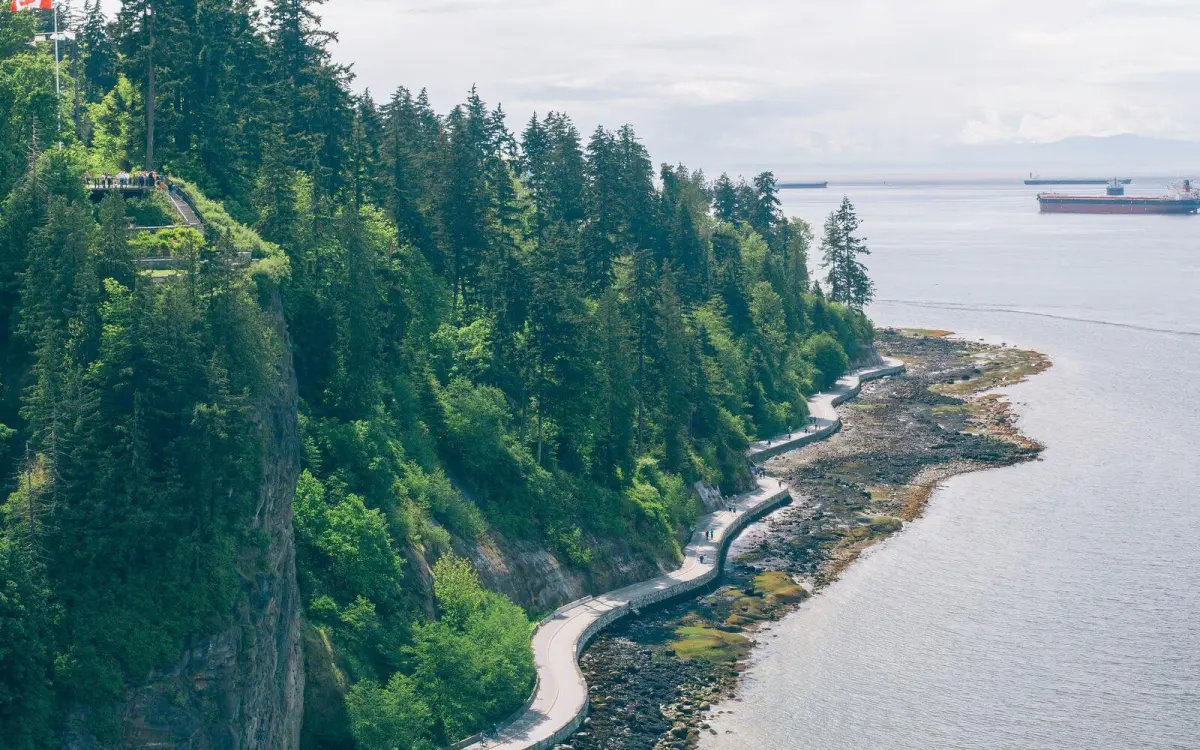
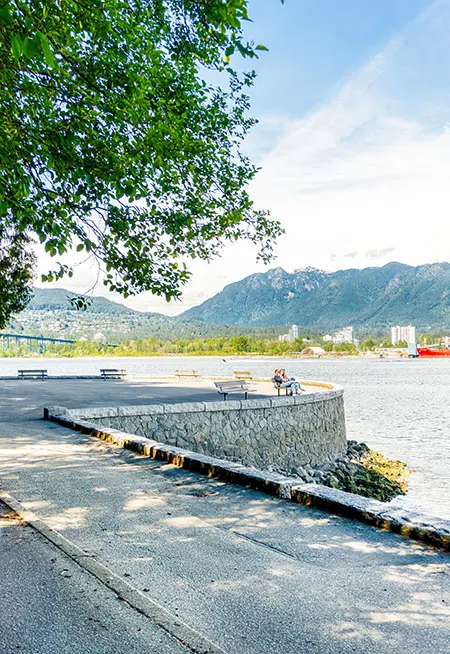
The best way to experience Stanley Park is by renting a bicycle to traverse the 10-kilometer Seawall loop. This method offers the perfect balance of mobility and immersion, allowing you to cover the park’s extensive perimeter while easily stopping at iconic landmarks like the Totem Poles, Siwash Rock, and Brockton Point.
On this page
How to rent a bike for the Seawall
Renting a bicycle is the most popular way to explore Stanley Park because it allows visitors to cover the entire 8.8-kilometer Seawall loop in roughly one to two hours. Most rental shops are located in the West End near the Denman Street entrance, making it easy to transition directly onto the park’s dedicated bike paths. Prices typically range from $10 to $20 per hour, though daily rates often provide better value for those wanting to explore the interior trails.
When selecting a rental, ensure you choose a bike equipped with a bell and a lock. The Seawall is a one-way path for cyclists, moving in a counter-clockwise direction, so you should always follow the flow of traffic to avoid accidents. Most shops provide a map of the park, which is essential for identifying the various beaches and viewpoints along the route.
- Pick up your rental in the West End near Denman Street.
- Enter the park via the Georgia Street entrance or the Coal Harbour path.
- Follow the designated bike lane signs in a counter-clockwise direction.
- Use the provided lock when stopping to visit the Vancouver Aquarium or the Rose Garden.
- Return your bicycle to the same shop before the daily closing time.
Best time of day to visit
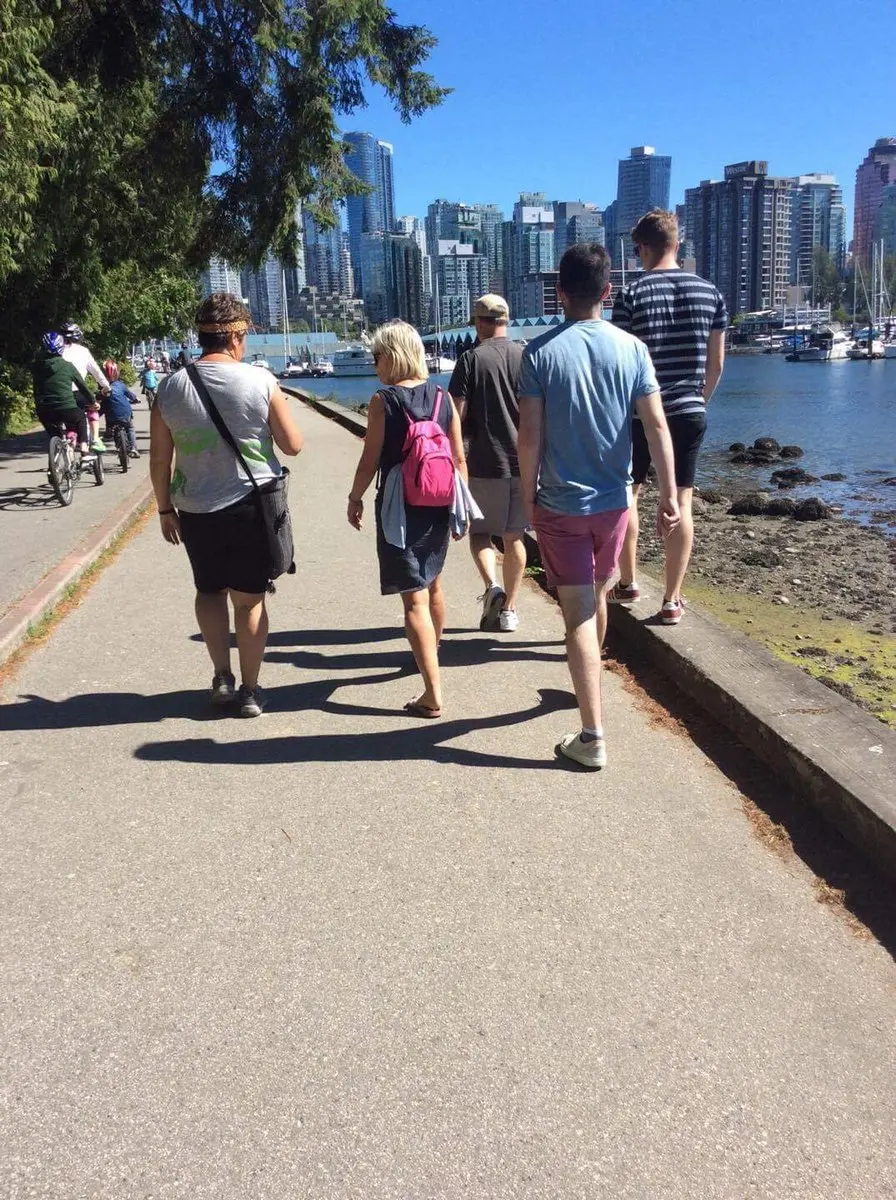
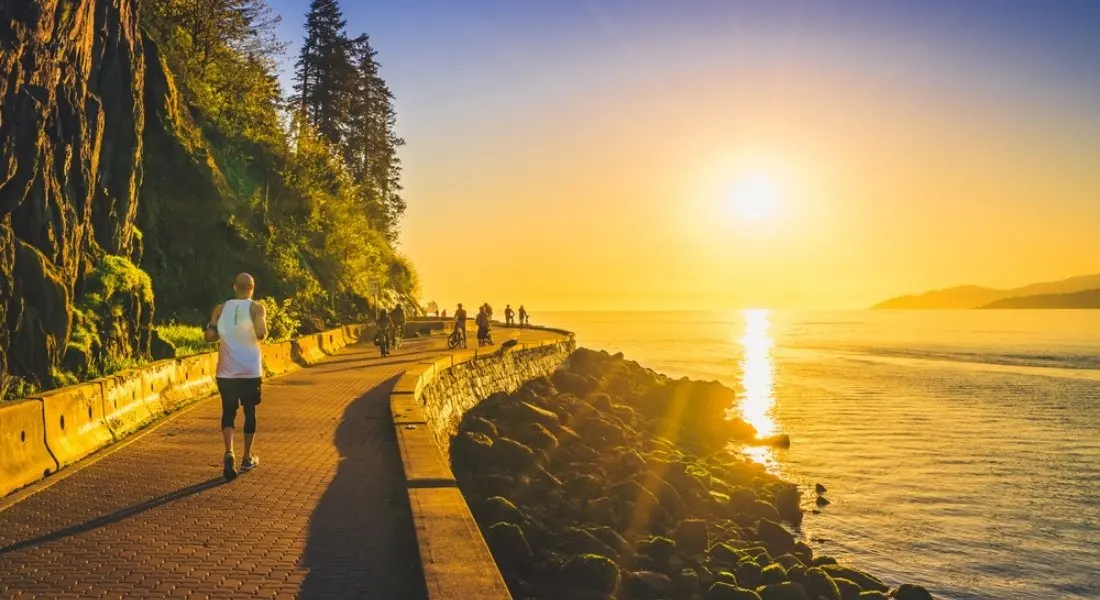
To avoid the heaviest crowds, visit Stanley Park on a weekday morning before 10:00 AM. During the summer months, the seawall becomes extremely congested with tourists and local commuters, particularly on sunny weekends. By arriving early, you can enjoy the quiet atmosphere of the forest trails and secure parking spots if you are driving. If you prefer sunset views, aim to be at Third Beach or Prospect Point roughly an hour before dusk.
If you choose to visit during the weekend, expect significant foot traffic near the Totem Poles and the Vancouver Aquarium. These areas are the primary hubs for tour buses and large groups. Planning your visit for the shoulder seasons—specifically May or September—will provide the most pleasant weather and fewer crowds. Regardless of the season, check the local weather forecast, as Vancouver’s coastal climate can shift from sunny to rainy within a single afternoon.

Must-see landmarks in Stanley Park
Stanley Park spans 405 hectares and features a variety of cultural and natural attractions that are accessible from the main loop. The Totem Poles at Brockton Point are a primary destination, showcasing historic carvings that represent the rich Indigenous heritage of the Pacific Northwest. Further along the seawall, Siwash Rock stands as a prominent geological formation rising from the water, offering one of the most photographed views in the city.
For those interested in nature and wildlife, the Stanley Park Pavilion and the nearby Rose Garden provide a tranquil escape from the bustling city. If you are traveling with family, the Vancouver Aquarium is a world-class facility located within the park that requires a separate ticket. The park also features several beaches, including Second Beach and Third Beach, which are ideal for a mid-ride picnic or a refreshing break during the warmer months.
- Totem Poles: Historic Indigenous carvings located at Brockton Point.
- Siwash Rock: A famous 32-million-year-old sea stack.
- Vancouver Aquarium: A major marine science center and conservation facility.
- Second Beach Pool: A large, heated outdoor swimming pool open during summer.
- Prospect Point: The highest elevation in the park, offering views of the Lions Gate Bridge.

How to navigate the interior trails
While the Seawall is the most famous route, the interior of Stanley Park contains over 27 kilometers of forest trails that are best explored on foot. These paths wind through massive stands of Douglas fir, western red cedar, and hemlock trees, providing a deep-forest experience in the heart of the city. The Beaver Lake trail is a popular choice for those looking for a relatively flat, accessible walk through a unique wetland ecosystem.
To explore the interior effectively, follow the marked trail signs, as the dense forest canopy can make it difficult to maintain a sense of direction. It is advisable to wear sturdy walking shoes, as some paths are unpaved and can become muddy after rainfall. If you are short on time, the trail leading from the Shakespeare Garden to the Hollow Tree is an excellent way to see the park’s ancient growth in a short amount of time.
Common mistakes when visiting the park
One of the most frequent mistakes visitors make is underestimating the size of the park and attempting to walk the entire Seawall. The loop is roughly 10 kilometers long, which can take three hours or more to complete on foot; many visitors find themselves exhausted halfway through. Another common error is ignoring the one-way traffic rule on the bike path, which creates significant safety hazards for both cyclists and pedestrians.
Additionally, many people forget to bring adequate water and sun protection, as the coastal breeze can mask the strength of the sun. Avoid leaving valuables in your car if you choose to drive, as vehicle break-ins can occur in high-traffic parking lots. Finally, do not feed the local wildlife, including raccoons and squirrels, as this disrupts their natural behavior and can lead to aggressive interactions. By staying on marked paths and respecting the park’s natural environment, you will ensure a much more enjoyable visit.
Key facts
- Stanley Park covers 405 hectares (1,000 acres) of land, making it larger than New York City’s Central Park.
- The Seawall is a 10-kilometer (6.2-mile) paved path that circles the entire perimeter of the park.
- Renting a bicycle is the most efficient way to explore, as the full loop takes about 60 to 90 minutes.
- The park features a dedicated "Totem Pole" display at Brockton Point, showcasing historic Indigenous carvings.
- Motorized traffic is restricted to a one-way loop, meaning you must follow the designated flow to navigate by car.
- The best time to visit is early morning on a weekday to avoid congestion from tourists and local commuters.
The bottom line
The most effective way to experience Stanley Park is by renting a bicycle and navigating the iconic 10-kilometer Seawall. This allows you to cover the park’s vast geography while enjoying coastal views and forest trails. Avoid driving during peak hours to escape traffic, and prioritize early morning visits to enjoy the scenery in peace. With proper planning, you can easily access major landmarks within a single day.
People also ask
Is there an entrance fee to visit Stanley Park?
No, Stanley Park is a public municipal park and is free for all visitors to enter and explore. You only pay for specific attractions like the Vancouver Aquarium or parking fees if you bring a vehicle.
Can I walk the entire Seawall in one day?
Yes, the 10-kilometer loop is a popular walking route that takes most people between two and three hours. It is entirely flat, making it accessible for most fitness levels, though you should wear comfortable footwear.
Are there places to buy food inside the park?
Several restaurants and cafes operate within the park, including the Teahouse at Ferguson Point and the Stanley Park Pavilion. You can also find seasonal concession stands along the Seawall during the summer months.
What is the best way to get to the park using public transit?
The number 19 bus runs directly into the heart of the park from downtown Vancouver. Alternatively, you can take the SkyTrain to Burrard Station and walk or cycle the short distance to the park entrance.
Are dogs allowed in Stanley Park?
Dogs are welcome in most areas of the park, provided they remain on a leash. There are also several designated off-leash areas where pets can run freely under supervision.
When is the best time of year to visit?
While the park is open year-round, the summer months offer the best weather for outdoor activities. Spring is ideal for seeing the blooming rhododendrons and cherry blossoms, while autumn provides vibrant foliage colors.
This answer was created with the help of AI research tools and reference sources. Spotted an error? Let us know — we correct mistakes quickly. See our editorial policy.