How long does it take to walk around Stanley Park?
Short answer
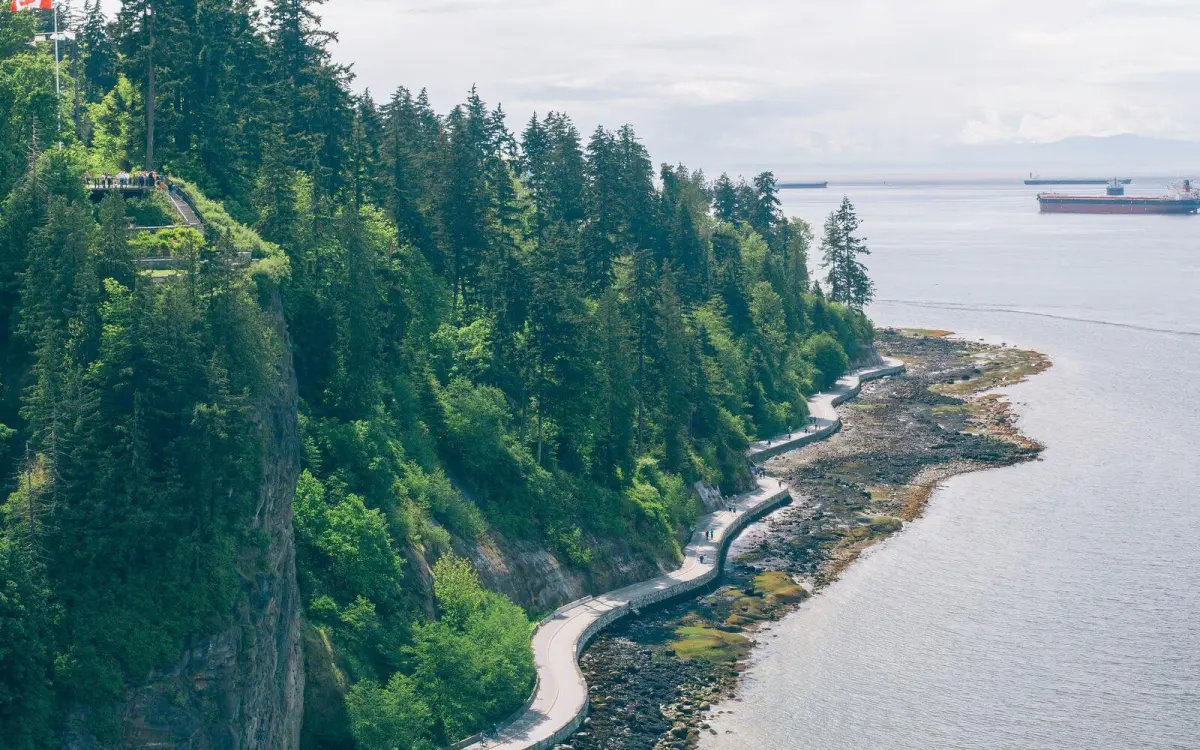
Walking the entire perimeter of Stanley Park via the Seawall takes approximately two to three hours for the average person. This 10-kilometer (6-mile) route is flat and paved, making it accessible for most fitness levels. However, your total time will vary significantly based on your walking pace, frequency of stops, and crowd levels.
On this page
How long does it take to walk the Seawall?
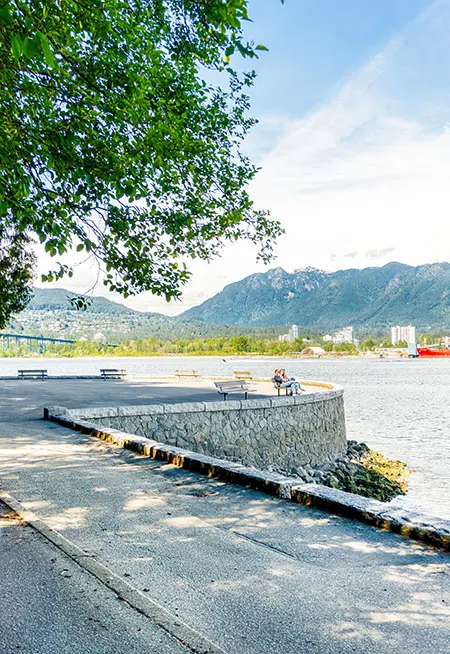
The Seawall is the most iconic path in Stanley Park, encircling the entire peninsula. For a steady walker moving at a moderate pace of 5 kilometers per hour, the loop takes about two hours of pure movement. Most visitors, however, find that two and a half to three hours is a more realistic estimate when accounting for the inevitable pauses to take photographs or admire the mountain views.
If you plan to stop at major landmarks like the Totem Poles, the Brockton Point Lighthouse, or the Siwash Rock lookout, you should budget at least four hours. The path is remarkably flat, which helps maintain a consistent speed, but the sheer volume of pedestrians during summer weekends can create bottlenecks that slow your progress. Always check the park’s official status updates before departing, as sections of the path occasionally close for maintenance or during extreme weather events.
Best routes for beginners and families
If the full 10-kilometer loop feels too daunting, there are several shorter alternatives that allow you to enjoy the park's scenery without the long-term commitment. Many beginners prefer starting at the Coal Harbour entrance and walking only as far as the Totem Poles before turning back. This segment covers some of the most historic sites and provides a great introduction to the park's geography.
- The Coal Harbour to Totem Poles route: A 3-kilometer round trip that is perfect for families with small children.
- The Second Beach to Third Beach trail: A scenic 2-kilometer stretch that features excellent ocean views and access to playground facilities.
- The interior forest loop: A network of trails like the Beaver Lake loop that offers shade and a quieter atmosphere away from the bustling seawall.
These shorter routes ensure you do not feel pressured to complete the entire perimeter, allowing you to enjoy the experience at a comfortable pace.
Why walking the park takes longer than expected
Many visitors underestimate the time required because they focus solely on the distance rather than the park's many distractions. Stanley Park is not merely a path; it is a massive urban forest filled with gardens, beaches, and wildlife viewing opportunities. When you factor in the time required to navigate the Rose Garden or walk down to the sand at Third Beach, your itinerary can easily expand by an hour or more.
Another factor is the park's microclimate and terrain transitions. While the Seawall is paved and flat, the interior trails often involve slight inclines and uneven dirt surfaces. If you decide to deviate from the main path to explore the interior of the park, your walking speed will naturally decrease. Additionally, the park is quite large—covering 405 hectares—and the sheer visual stimulation of the rainforest canopy often encourages walkers to slow down and linger.
Common mistakes when walking Stanley Park
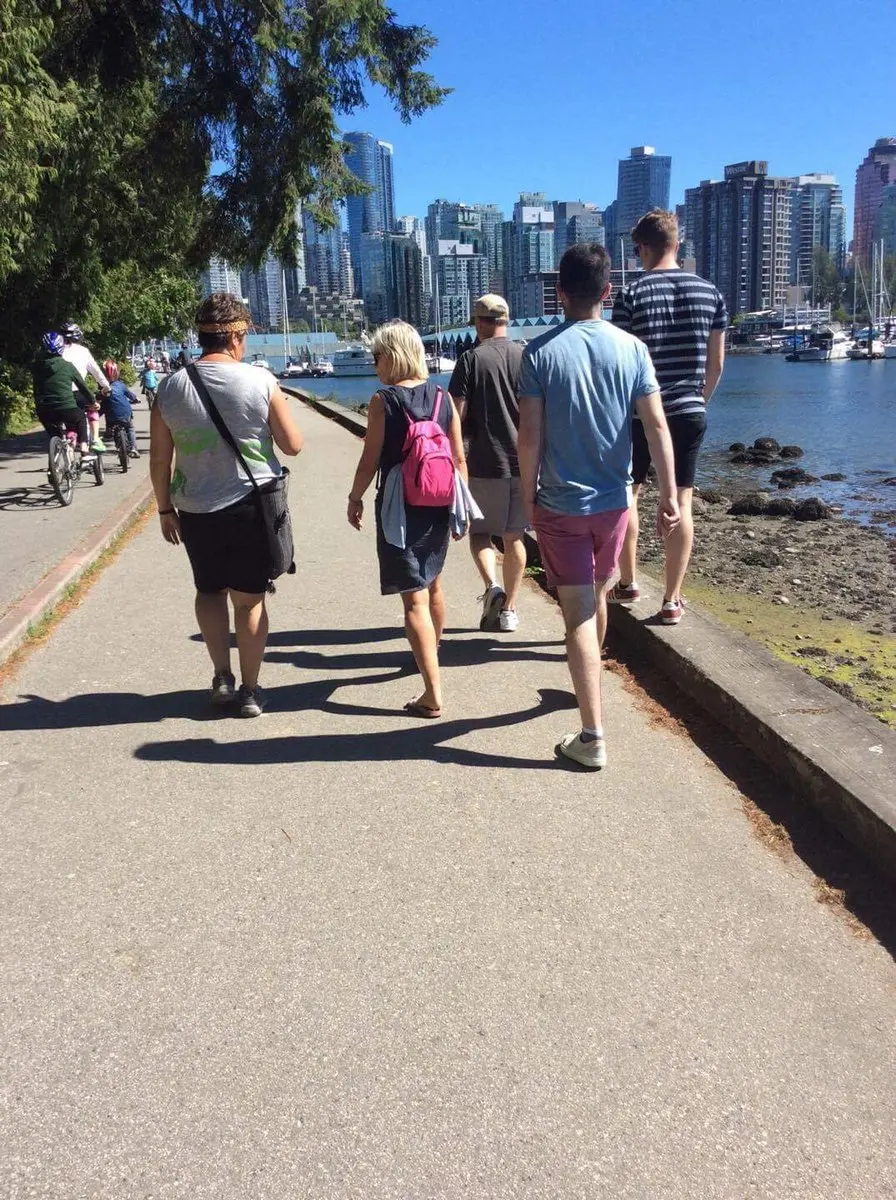
One of the most frequent errors visitors make is failing to account for the separation of pedestrian and cyclist lanes. The Seawall is strictly divided, and wandering into the bike lane can be dangerous, especially during peak hours when cyclists travel at high speeds. Always stay within the designated pedestrian zone to avoid accidents and ensure a smooth flow of traffic for everyone using the park.
Another common mistake is underestimating the need for hydration and sun protection. Even on overcast days, the reflection of the sun off the water can be intense.
- Neglecting to bring a water bottle, as refill stations are spaced far apart.
- Wearing inappropriate footwear that lacks support for a 10-kilometer walk.
- Starting the walk too late in the afternoon, which can leave you navigating dark trails after sunset.
- Ignoring the warning signs regarding wildlife, particularly when coyotes or raccoons are active in the area.
Tips for a successful walking trip
To make the most of your excursion, timing is everything. Visiting on a weekday morning is significantly more pleasant than attempting the walk on a Saturday or Sunday, when the path becomes crowded with tourists and local commuters. If you must go on a weekend, try to arrive before 9:00 AM to enjoy the quietest part of the day and secure easier access to parking or public transit.
Preparation is the final key to a successful outing. Wear comfortable, broken-in walking shoes and dress in layers, as the wind coming off the Burrard Inlet can be chilly even in the summer months. Carry a small backpack for your essentials, including a light rain jacket, as Vancouver weather is notoriously unpredictable. By planning your route and keeping these practical tips in mind, you can enjoy the natural beauty of Stanley Park without feeling rushed or unprepared for the journey ahead.
Key facts
- The Stanley Park Seawall loop is approximately 9 kilometers (5.5 miles) long.
- Most pedestrians complete the full loop in 2 to 3 hours at a steady, leisurely pace.
- Cyclists typically finish the same loop in 45 to 60 minutes depending on traffic and speed.
- The path is divided into separate lanes for cyclists and pedestrians to ensure safety.
- Bicycles must travel in a counter-clockwise direction along the designated seawall path.
- Avoid walking during peak weekend hours in July and August to escape heavy tourist congestion.
The bottom line
Walking the Stanley Park Seawall is a quintessential Vancouver experience that offers a perfect balance of urban scenery and natural beauty. By dedicating two to three hours, you can comfortably traverse the entire nine-kilometer loop. Whether you choose to walk early in the morning to avoid crowds or during sunset for the views, ensure you stay in the pedestrian lane to enjoy a safe and relaxing journey.
People also ask
Are there places to buy food or water along the seawall?
Yes, there are several seasonal kiosks and permanent restaurants like the Teahouse and the Fish House located within the park. It is still advisable to carry a reusable water bottle, especially during warmer summer months.
Is the entire seawall loop flat and accessible for strollers?
The path is entirely paved and flat, making it highly accessible for strollers and wheelchairs. The route is well-maintained by the Vancouver Park Board throughout the year.
Can I walk my dog on the seawall?
Dogs are permitted on the seawall, but they must be kept on a short leash at all times. Be mindful of the high volume of cyclists who may be moving quickly near your pet.
What is the best time of day to walk the park?
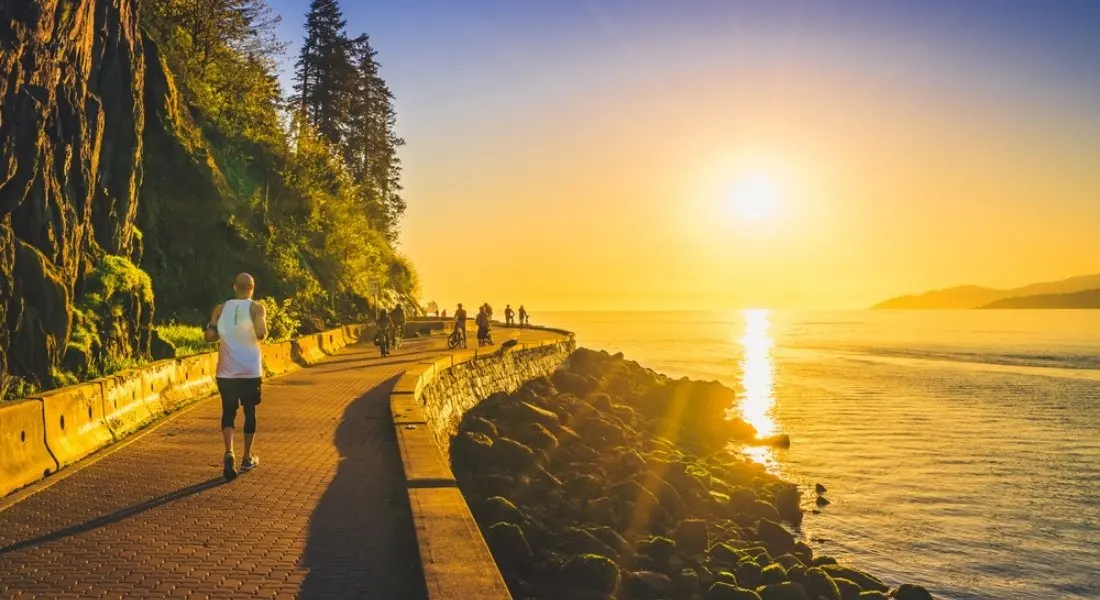
Early morning is the best time to experience the park with fewer crowds and cooler temperatures. Sunset is another popular time, offering spectacular views of the Burrard Inlet and the North Shore mountains.
Are there public restrooms available on the route?
There are multiple public washroom facilities located at major landmarks like Second Beach, Third Beach, and near the Lions Gate Bridge. These facilities are clearly marked with signage along the perimeter path.
What happens if I get tired halfway through the walk?
The park is well-connected to public transit and has several exits leading toward Denman Street or Georgia Street. You can easily hail a taxi or access a ride-sharing service from the park’s main parking lots.
This answer was created with the help of AI research tools and reference sources. Spotted an error? Let us know — we correct mistakes quickly. See our editorial policy.