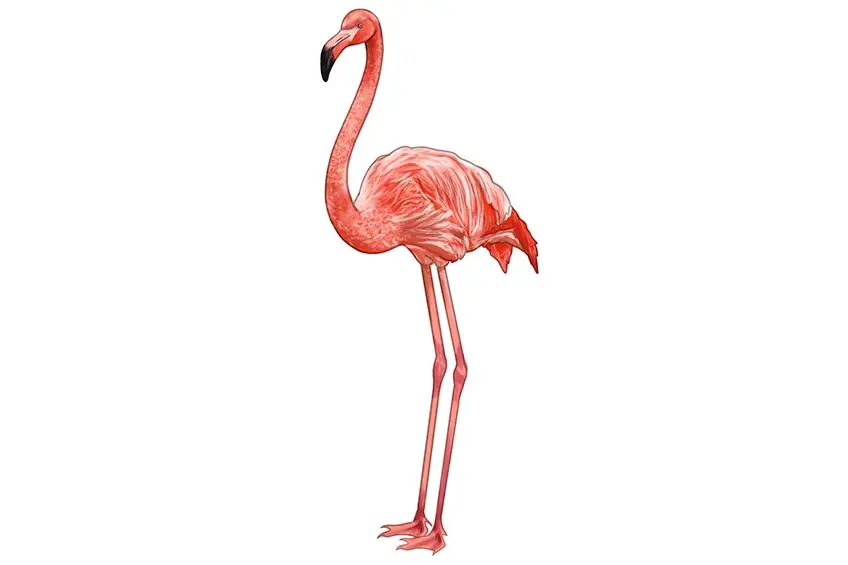
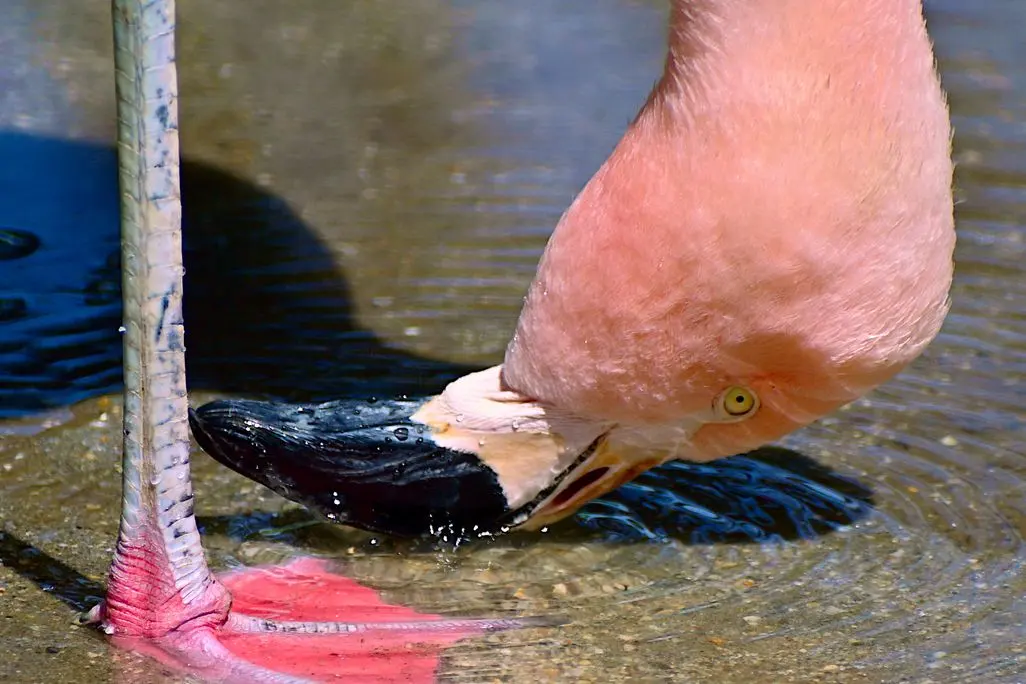
Why do flamingos stand on one leg?
Short answer
Flamingos stand on one leg primarily to conserve body heat. By tucking one leg into their plumage, they reduce the surface area exposed to cool water or air, minimizing heat loss. This passive mechanism also helps maintain balance and reduces muscle fatigue, allowing the birds to remain stable for extended periods.
On this page
Why do flamingos stand on one leg to stay warm?
The primary driver behind this iconic posture is thermoregulation. Flamingos often inhabit shallow lakes and lagoons where water temperatures can drop significantly, especially during the early morning or evening hours. Because birds lose a substantial amount of body heat through their unfeathered legs and feet, keeping one limb tucked against the warm, downy feathers of the torso acts as a thermal insulator. This behavior is particularly prevalent in colder environments or during windy conditions, demonstrating a sophisticated physiological adaptation.
Research suggests that this behavior is not merely a choice but a necessity for metabolic efficiency. By limiting the exposure of their lower limbs, flamingos prevent the rapid cooling of their blood before it returns to the heart. This energy-saving strategy allows them to remain in their foraging grounds for longer durations without needing to retreat to land to warm up. It is a classic example of how avian anatomy is optimized for survival in challenging aquatic ecosystems.
How does the flamingo maintain balance on one leg?
While it seems physically demanding, standing on one leg is surprisingly effortless for a flamingo. Scientists have discovered that these birds possess a "passive stay mechanism" in their skeletal structure. When a flamingo shifts its weight onto one leg, the joints lock into place, requiring almost no muscular effort to remain upright. This anatomical locking allows the bird to maintain a stable, vertical position even while sleeping or resting in turbulent water.
This mechanism is so efficient that flamingos can actually remain more stable on one leg than on two. The central positioning of the leg under the body’s center of gravity creates a stable pivot point. When both legs are used, the bird must actively engage its muscles to shift weight and maintain equilibrium, which is more taxing. The one-legged stance is essentially a "locked" state that minimizes the energy expenditure required for postural control.
- The bird shifts its center of mass directly over the supporting limb.
- The ligaments and tendons in the knee and ankle lock into a rigid configuration.
- The bird relaxes its muscles, relying on the skeletal structure to hold the weight.
What roles do muscles play in this posture?
Contrary to the assumption that standing on one leg requires constant muscular exertion, the flamingo’s muscles are largely inactive during this process. In a study published in 2017, researchers found that cadaverous flamingos could be placed in a one-legged stance and remain upright without any support, proving that the stability is structural rather than muscular. This discovery overturned long-standing theories that the birds were constantly making micro-adjustments to stay balanced.
However, muscles do play a role during the transition into and out of the stance. When a flamingo decides to switch legs, it must engage its core and leg muscles to shift its weight and unlock the skeletal mechanism. This transition is quick and precise, allowing the bird to maintain its balance even in shifting currents. Once the new leg is positioned and locked, the muscles return to a state of rest, effectively conserving energy for other vital activities like foraging or preening.
Are there other reasons for standing on one leg?
Beyond thermoregulation and stability, there are secondary benefits to this unique behavior. Standing on one leg may help reduce the risk of muscle fatigue by allowing the bird to alternate which leg bears its weight throughout the day. By rotating legs, the flamingo prevents the buildup of lactic acid and ensures that its circulatory system remains active in both limbs. This periodic switching is a common observation in flocks, where individuals frequently cycle through their resting positions.
Some biologists also suggest that the posture may serve as a defense mechanism against aquatic parasites or predators. By keeping one foot out of the water, the flamingo reduces the surface area available for parasites to attach to its skin. Furthermore, the ability to switch legs rapidly allows for a quick takeoff if a threat is detected. While thermoregulation remains the most widely accepted scientific explanation, it is likely that this behavior serves multiple, overlapping functions that contribute to the bird's overall fitness and survival in the wild.
- Reduced exposure to water-borne pathogens and parasites.
- Prevention of muscle stiffness through periodic weight distribution.
- Enhanced agility for rapid flight initiation when threatened.
- Maintenance of blood flow to both legs through regular rotation.
Common mistakes when observing flamingo behavior
A frequent error observers make is assuming that a flamingo standing on one leg is sick or injured. In reality, this is a sign of a healthy, comfortable bird that is conserving energy. Another common misconception is that the birds are sleeping; while they often rest in this position, they remain alert and responsive to their surroundings. Do not mistake a bird that is standing on one leg for one that is in distress or unable to use its other limb.
If you are observing flamingos in a zoo or in the wild, avoid making loud noises or sudden movements, as these can startle the birds and force them to break their resting stance. Additionally, do not assume that all birds in a flock will stand on one leg simultaneously. Factors such as individual health, age, and local weather conditions influence whether a specific bird chooses to tuck its leg. Understanding that this is a normal, energy-efficient behavior will help you appreciate the remarkable physiological adaptations that allow these birds to thrive in their unique environments.
Key facts
- Flamingos stand on one leg to reduce heat loss through their unfeathered, spindly limbs.
- Keeping one leg tucked against the body preserves core warmth in cool water or air.
- Research indicates that standing on one leg requires less muscular effort than standing on two.
- The flamingo’s anatomy includes a "stay apparatus" that locks the leg into place, minimizing energy expenditure.
- This posture is often adopted while the birds are resting or sleeping rather than while they are actively feeding.
- Flamingos frequently switch legs to prevent muscle fatigue and ensure even circulation across both limbs.
The bottom line
The primary reason flamingos stand on one leg is to maintain body temperature and conserve energy. By tucking one limb against their warm torso, they minimize heat loss in chilly environments. Furthermore, their specialized skeletal structure allows them to lock their joints, making the one-legged stance a passive, low-effort position. This biological adaptation ensures they remain stable and comfortable while resting for long periods of time.
People also ask
Do flamingos get tired from standing on one leg?
No, they are actually more stable and relaxed in this position. Their skeletal structure allows them to lock their joints, which means they do not have to use active muscle power to maintain balance.
Can flamingos stand on one leg while they are flying?
No, flamingos cannot stand on one leg while flying. Like all birds, they must extend both legs to maintain balance and aerodynamics while in the air.
Do all flamingo species stand on one leg?
Yes, all six species of flamingos exhibit this behavior. It is a fundamental physiological trait shared across the family Phoenicopteridae regardless of their geographic location.
Is it difficult for a flamingo to balance on one leg?
It is effortless for them because of their unique anatomy. While a human would find it strenuous to balance for long periods, a flamingo’s center of gravity is perfectly aligned for this posture.
Do flamingos stand on one leg to hide from predators?
No, they do not use this stance for camouflage. The primary reasons for the behavior are thermoregulation and energy conservation rather than defensive concealment.
Do other birds stand on one leg?
Yes, many other birds, including ducks, geese, and storks, stand on one leg. This behavior is a common strategy among waterbirds to manage body temperature and minimize heat loss.
This answer was created with the help of AI research tools and reference sources. Spotted an error? Let us know — we correct mistakes quickly. See our editorial policy.