How hot does Vancouver get in summer?
Short answer
Vancouver summers are mild, with average daily highs ranging from 20°C to 23°C (68°F to 73°F). While heat waves occasionally push temperatures above 30°C (86°F), the city’s coastal location keeps extreme heat relatively rare. July and August are the warmest months, offering pleasant, sunny weather perfect for outdoor activities and coastal exploration.
On this page
What are the typical summer temperatures in Vancouver?
Vancouver experiences a temperate marine climate, meaning summers are generally comfortable rather than sweltering. During July and August, the average daytime high sits near 22°C (72°F), while nighttime lows typically drop to a refreshing 13°C (55°F). This narrow temperature range is moderated by the Pacific Ocean, which acts as a thermal buffer, preventing the extreme heat spikes common in inland regions of British Columbia.
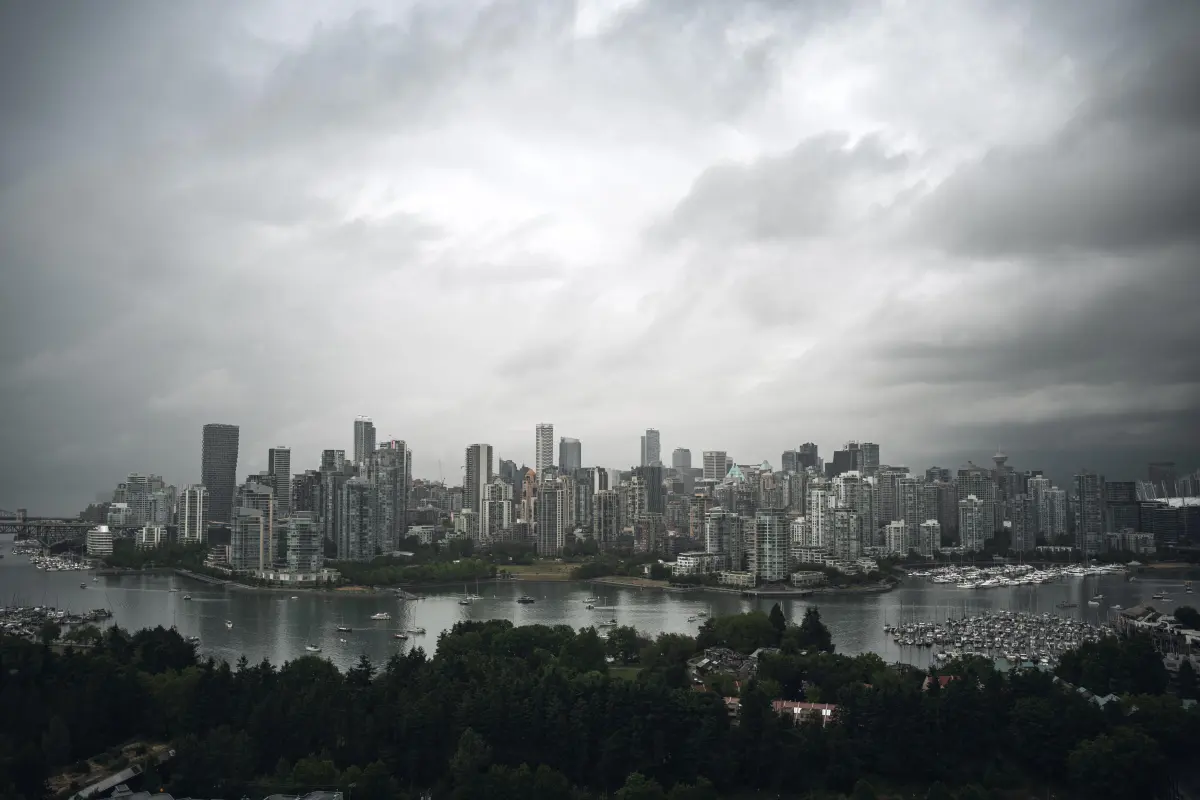
While these averages suggest a mild climate, the city does experience variability based on proximity to the water. Areas closer to the Burrard Inlet or the Strait of Georgia often feel cooler due to sea breezes, while inland suburbs like Surrey or Coquitlam can be several degrees warmer. Visitors should expect mostly dry, sunny days, as summer is statistically the city's driest season. However, occasional cloud cover is common, and light rain showers can occur even in the peak of summer.
How do heat waves affect Vancouver summers?
Although Vancouver is known for its mild weather, climate change and atmospheric blocking patterns have led to more frequent heat dome events. During these rare occurrences, temperatures can soar well above 30°C (86°F) for several days. These events are particularly challenging because many older homes and apartments in the city lack central air conditioning, making indoor temperatures rise significantly.
When a heat wave is forecast, the city typically opens cooling centers and public misting stations to assist residents. If you are visiting during an unexpected spike in temperature, consider these steps to stay comfortable:
- Seek refuge in public libraries, community centers, or shopping malls, which are usually climate-controlled.
- Visit shaded urban parks like Stanley Park, where the dense forest canopy provides natural cooling.
- Plan strenuous physical activities for the early morning or late evening when temperatures are at their lowest.
- Stay hydrated by carrying a reusable water bottle, as the city provides numerous public fountains.
Why does Vancouver feel cooler than other cities?
The primary reason Vancouver remains comfortable during the summer is the influence of the Pacific Ocean. The cold currents of the North Pacific keep the coastal air temperatures moderate, preventing the intense heat buildup seen in cities located further inland. This maritime effect ensures that even on the hottest days, the humidity levels remain relatively low, making the heat feel less oppressive than it would in more humid climates.
Another factor is the city’s topography, which includes the North Shore Mountains. These mountains influence local wind patterns, often funneling cool air down into the city. Additionally, the prevailing winds from the west bring fresh, oceanic air that clears out stagnant heat. This natural ventilation is a defining characteristic of the region, ensuring that even when the sun is bright, the air rarely feels heavy or stifling for long periods.
Common mistakes when visiting Vancouver in summer
Many travelers arrive in Vancouver expecting a tropical beach climate and fail to pack appropriately for the actual conditions. A frequent error is assuming that sunny days mean you will not need an extra layer. Because the temperature drops significantly once the sun sets or if a breeze comes off the water, you should always carry a light sweater or a windbreaker.
Another common mistake is underestimating the intensity of the sun. Even if the air temperature feels mild, the UV index can be high, especially near the water where sunlight reflects off the surface. To avoid discomfort and health issues, follow these guidelines:
- Apply broad-spectrum sunscreen every two hours, even on days that appear overcast.
- Wear sunglasses and a wide-brimmed hat to protect against glare from the ocean and glass buildings.
- Avoid booking accommodations that do not explicitly mention air conditioning if you are sensitive to heat.
- Check the local weather forecast specifically for the neighborhood you are visiting, as microclimates can cause temperature differences across the city.
Best ways to enjoy the summer heat
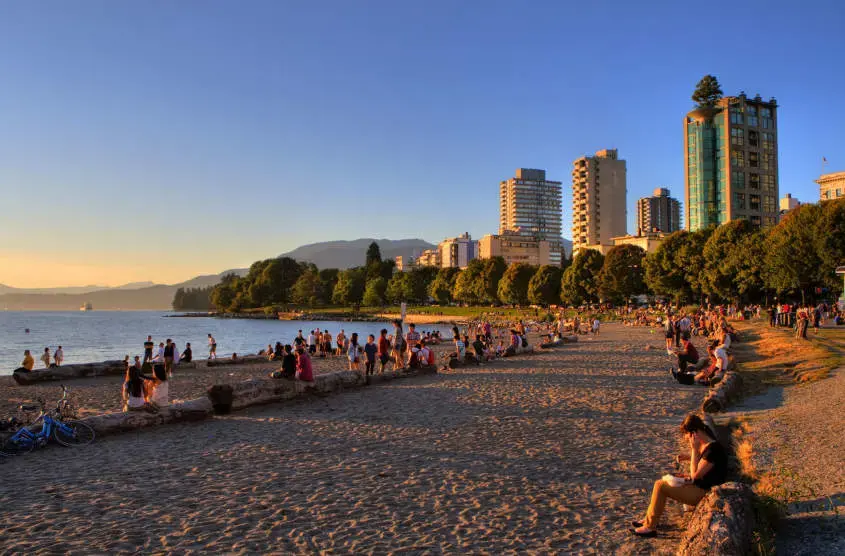
The best way to embrace Vancouver’s summer weather is to participate in the outdoor lifestyle that defines the city. With long daylight hours, the sun often stays out past 9:00 PM, providing ample time for evening picnics at English Bay or walks along the Seawall. Because the heat is rarely dangerous, most people spend their entire day outside, moving from the beaches to the mountain trails without needing to retreat indoors.
If you find the temperatures climbing, head to the local lakes or beaches for a swim. Locations like Kitsilano Beach, Spanish Banks, or the freshwater lakes in nearby parks offer a perfect way to cool down naturally. Whether you are kayaking in False Creek or hiking the trails of Mount Seymour, the moderate summer temperatures provide an ideal environment for active exploration. By respecting the sun and dressing in layers, you can enjoy the best of the Pacific Northwest’s most beautiful season without ever feeling overwhelmed by the heat.
Key facts
- Average daily high temperatures in July and August typically range between 22°C and 25°C (72°F to 77°F).
- Heat waves can occasionally push temperatures above 30°C (86°F), though these events are usually short-lived.
- The city’s proximity to the Pacific Ocean provides a cooling marine influence that prevents extreme, sustained heat.
- Humidity levels remain relatively low, making the air feel more comfortable than in many inland North American cities.
- Air conditioning is not standard in many older Vancouver homes, so opening windows at night is a common cooling strategy.
- The sun sets late in the summer, often after 9:00 PM, providing long, pleasant evenings for outdoor activities.
The bottom line
Vancouver offers a mild, comfortable summer climate that rarely reaches sweltering levels. With average highs in the low-to-mid 20s Celsius, the city is ideal for outdoor exploration. While occasional heat spikes occur, the marine influence keeps the air refreshing. Visitors should pack light layers for cool evenings and prioritize accommodations with air conditioning if they are sensitive to heat, ensuring a pleasant stay throughout the season.
People also ask
Does Vancouver experience extreme heat waves?
While rare, Vancouver can experience "heat domes" where temperatures spike significantly above 30°C. These events are uncommon, but residents are advised to monitor local weather alerts and utilize public cooling centers if necessary.
Is air conditioning necessary for a summer visit to Vancouver?
Most hotels and newer apartment buildings have air conditioning, but many private residences do not. If you are renting a vacation home, check the listing specifically for AC if you are sensitive to warm indoor temperatures.
How does the weather vary between Vancouver and inland areas?
Inland areas like the Fraser Valley can be 5°C to 10°C hotter than coastal Vancouver during the summer. If you plan to travel east, expect significantly higher temperatures and prepare accordingly.
What is the best way to stay cool while exploring the city?
Take advantage of the city’s many beaches, such as Kitsilano or English Bay, where the ocean breeze provides natural relief. Staying hydrated and wearing lightweight, breathable fabrics is essential for comfortable sightseeing.
Does it rain in Vancouver during the summer?
Summer is Vancouver’s driest season, with July and August seeing very little precipitation. It is generally the best time of year to visit if you want to avoid the city's famous rainy season.
What should I pack for a Vancouver summer?
Pack layers, as temperatures can drop significantly once the sun goes down near the water. A light sweater or jacket is useful for evening walks along the seawall or boat tours.
This answer was created with the help of AI research tools and reference sources. Spotted an error? Let us know — we correct mistakes quickly. See our editorial policy.