What is Vancouver's climate?
Short answer
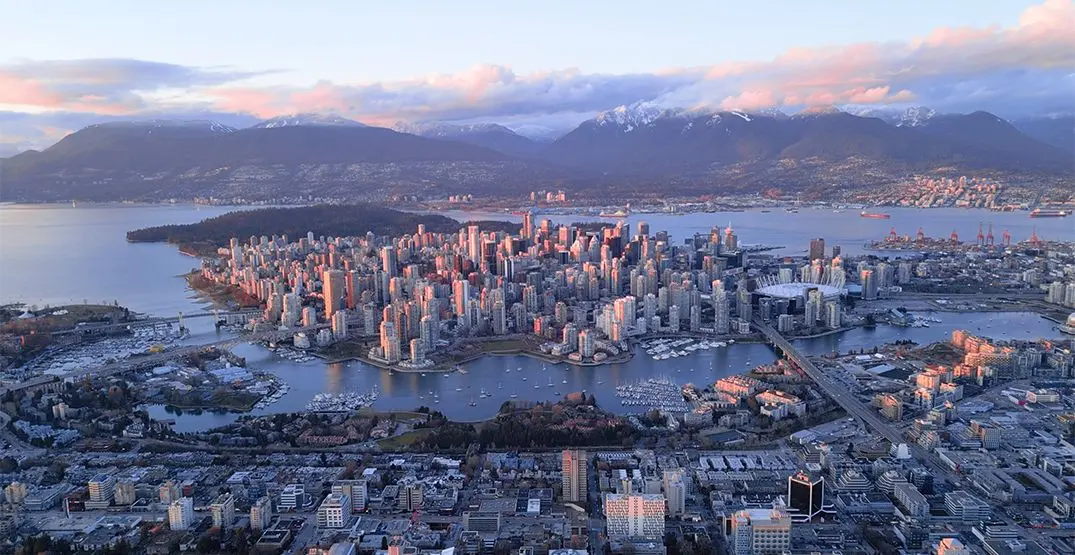
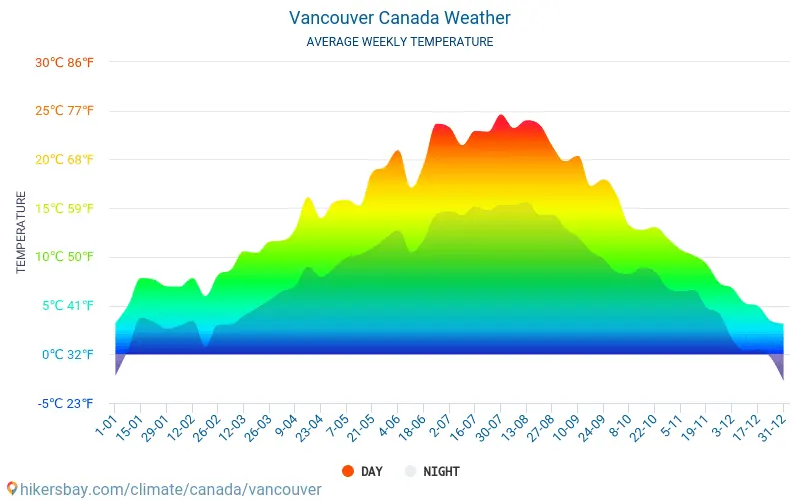
Vancouver features a temperate oceanic climate characterized by mild, wet winters and warm, dry summers. Located between the Pacific Ocean and the North Shore Mountains, the city experiences significant rainfall from October to April. Temperatures rarely reach extremes, staying generally between 3°C in winter and 22°C during peak summer months.
On this page
Why does it rain so much in Vancouver?
Vancouver’s climate is heavily influenced by the North Pacific High and the Aleutian Low pressure systems. During autumn and winter, the Aleutian Low drives moisture-laden air masses from the Pacific Ocean toward the coast. As these clouds hit the North Shore Mountains, they are forced upward, cooling and releasing moisture in the form of persistent rain. This process, known as orographic lift, is the primary reason the city experiences frequent precipitation during the cooler months.
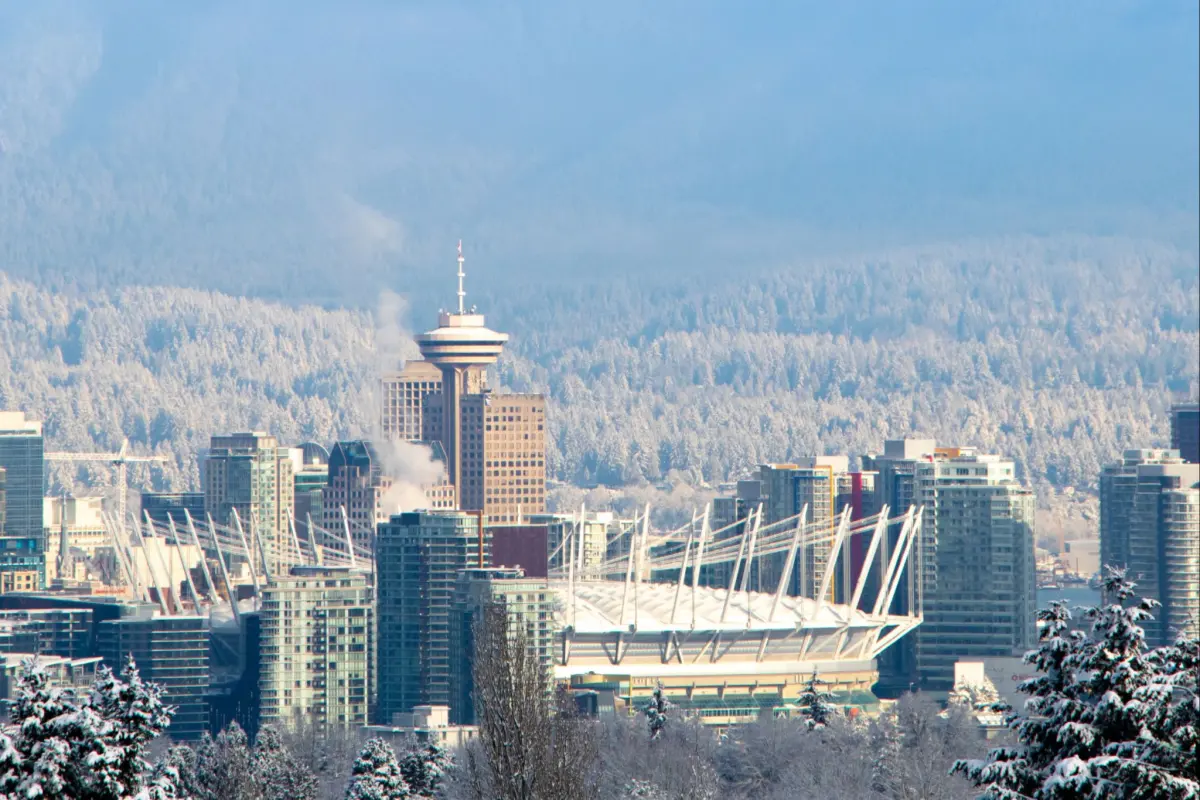
While the city is famous for its rain, the intensity varies significantly by neighborhood. Areas closer to the mountains, such as North Vancouver, often receive double the annual rainfall of areas closer to the coast or the southern suburbs. Residents rely on the "rain shadow" effect, where topography creates localized microclimates. Despite the gray skies, the city rarely sees significant snowfall at sea level, as the moderating influence of the ocean keeps temperatures above freezing for most of the winter season.
What are the seasonal weather patterns?
The climate follows a distinct rhythm that dictates the local lifestyle. Summer, spanning from July to September, is remarkably dry and sunny, with temperatures typically peaking in the low 20s Celsius. This period is dominated by high-pressure ridges that block incoming storms, resulting in weeks of clear skies. Conversely, the winter months are defined by overcast conditions and steady, light to moderate rainfall.
- Spring (March–May): Temperatures begin to climb, and rainfall frequency decreases, creating ideal conditions for the city's famous cherry blossoms.
- Summer (June–August): Warm, dry weather prevails, with minimal humidity and long daylight hours.
- Autumn (September–November): The transition back to the wet season begins, often marked by increased wind and heavy rainfall by late October.
- Winter (December–February): Mild temperatures persist, with occasional cold snaps bringing brief periods of snow or frost.
How to dress for Vancouver weather
Navigating the local climate requires a strategic approach to clothing, as conditions can change rapidly throughout the day. The most common mistake visitors make is bringing heavy, insulated winter parkas that are not waterproof. Because the city rarely experiences extreme cold, bulky gear is often unnecessary and uncomfortable during the frequent rain showers. Instead, layering is the standard practice for both locals and experienced travelers.
- A high-quality, breathable waterproof shell with a hood is essential for daily use.
- Mid-layers, such as fleece or light wool sweaters, provide warmth without adding excessive bulk.
- Waterproof footwear is highly recommended, as city streets can remain damp for extended periods.
- A compact umbrella is useful, though many residents prefer technical rain jackets to navigate the city's windy corridors.
What is the best time to visit?
Choosing the right time to visit depends on whether you prefer outdoor adventure or cultural exploration. July and August are the most popular months for tourism, offering the best weather for hiking, cycling, and visiting beaches. During these months, the risk of rain is at its lowest, and the city’s parks are in full bloom. However, these months are also the busiest and most expensive for accommodation.
If you prefer fewer crowds and lower prices, the "shoulder seasons" of May and September are excellent alternatives. During these months, the weather is generally mild, though you should be prepared for occasional rain. Winter visits are ideal for those interested in skiing or snowboarding at the local mountains, such as Grouse or Cypress, which receive significant snowfall even when the city center remains rain-soaked. Regardless of when you visit, always check local forecasts, as the proximity to the ocean makes weather patterns notoriously difficult to predict more than a few days in advance.
Common mistakes when planning for the climate
A frequent error is assuming that the city’s mild temperatures mean the weather is always pleasant. While it is rarely freezing, the combination of high humidity and wind chill can make the air feel much colder than the thermometer suggests. Visitors often underestimate how quickly a dry morning can turn into a wet afternoon, leading to discomfort if they are unprepared. Always carry a waterproof layer, even if the sky appears clear in the morning.
Another oversight is failing to account for the lack of daylight during the winter months. By December, the sun sets as early as 4:15 PM, which can significantly alter your travel itinerary. Plan outdoor activities for the early morning hours to maximize daylight. Additionally, do not be deterred by the rain; many of the city’s best attractions, including museums and galleries, are designed to be enjoyed year-round. By embracing the local "rain-or-shine" attitude, you can experience the beauty of the Pacific Northwest regardless of the daily forecast.
Key facts
- Vancouver experiences a temperate oceanic climate characterized by mild, wet winters and warm, dry summers.
- The city receives an average annual precipitation of approximately 1,189 millimeters (46.8 inches), mostly falling as rain between October and April.
- Summer temperatures typically range from 15°C to 22°C (59°F to 72°F), rarely becoming excessively hot.
- Winter temperatures hover between 3°C and 7°C (37°F to 45°F), with snow being infrequent and short-lived in the city center.
- Pack a high-quality, waterproof rain jacket rather than an umbrella, as the city's frequent light drizzle is often accompanied by wind.
- Avoid the mistake of expecting a "white Christmas" in the downtown area; snow accumulation is much more common at the nearby North Shore mountains than at sea level.
The bottom line
Vancouver’s climate is defined by its coastal position, offering a mild, temperate environment that avoids extreme temperature fluctuations. While the rainy winters demand proper waterproof gear, the stunning, dry summers provide perfect conditions for exploring the city's natural beauty. By dressing in layers and embracing the frequent light rain, residents and visitors alike can enjoy a comfortable, year-round climate that rarely sees harsh, freezing conditions.
People also ask
Does it rain every day in Vancouver during the winter?
While winter is the rainy season, it does not rain every single day. You will experience periods of overcast skies and persistent drizzle, but there are also frequent breaks of sunshine or dry weather throughout the season.
Is air conditioning necessary in Vancouver homes?
Historically, air conditioning was rarely needed due to the mild summers. However, as heat waves become more frequent, many residents are now installing portable or central cooling systems to maintain comfort during July and August.
How much snow does Vancouver usually get?
The city averages about 38 centimeters (15 inches) of snow annually. Most of this accumulation melts within a few days, as temperatures rarely stay below freezing for extended periods.
What is the best month to visit for good weather?
July and August are widely considered the best months for visitors. During this time, the city experiences its lowest rainfall and the most consistent sunshine, making it ideal for outdoor activities.
Why does the city feel colder than the thermometer suggests?
The high humidity levels in Vancouver can make the cool winter air feel damp and penetrating. Dressing in layers is the most effective way to stay comfortable, even when the temperature seems mild.
Are there significant climate differences within the region?
Yes, the North Shore mountains receive significantly more precipitation and snowfall than the downtown peninsula. Altitude plays a major role, with higher elevations remaining much cooler and snowier throughout the winter months.
This answer was created with the help of AI research tools and reference sources. Spotted an error? Let us know — we correct mistakes quickly. See our editorial policy.