How do you make pancakes?
Short answer
Pancakes are made by whisking together flour, sugar, baking powder, salt, milk, eggs, and melted butter to form a smooth batter. You cook small portions on a greased, medium-heat skillet or griddle until bubbles form on the surface, then flip them once to brown the other side until golden and fluffy.
On this page
How to make pancake batter from scratch
Creating a high-quality pancake batter relies on the balance between dry and wet ingredients. You should start by whisking 1.5 cups of all-purpose flour, 3.5 teaspoons of baking powder, 1 tablespoon of sugar, and a pinch of salt in a large bowl. In a separate container, combine 1.25 cups of milk, 1 egg, and 3 tablespoons of melted butter.
Gently fold the wet ingredients into the dry mixture until they are just combined. It is essential to keep the batter slightly lumpy rather than perfectly smooth to ensure the final product remains light and airy. Over-mixing the batter develops gluten, which results in dense, tough pancakes that lack the desired fluffy texture. If you prefer a richer flavor, you can substitute the milk with buttermilk, which reacts with the baking powder to create even more lift.
How long does it take to cook pancakes
The cooking process is relatively quick, usually requiring about 10 to 15 minutes of active time. Once the batter is prepared, preheat a nonstick skillet or griddle over medium heat. You can test the surface temperature by flicking a few drops of water onto the pan; if they sizzle and evaporate immediately, the pan is ready.
- Lightly grease the pan with a small amount of butter or vegetable oil.
- Pour approximately 1/4 cup of batter onto the surface for each pancake.
- Cook until bubbles appear on the surface and the edges look dry, which takes about 2 to 3 minutes.
- Carefully flip the pancake with a spatula and cook the second side for another 1 to 2 minutes.
Following these steps ensures an even golden-brown color on both sides. Avoid overcrowding the pan, as this makes flipping difficult and lowers the surface temperature.
Best equipment for pancake success
Using the right tools significantly improves the consistency of your pancakes. A heavy-bottomed cast-iron skillet or a high-quality nonstick pan provides the most even heat distribution, preventing hot spots that cause uneven browning. A wide, thin-edged spatula is also critical for sliding under the pancake without tearing the delicate, aerated structure.
- A wire whisk for mixing dry and wet ingredients efficiently.
- A measuring cup with a spout to pour consistent portions of batter.
- A digital thermometer if you want to ensure the pan stays at a steady 375°F (190°C).
- A cooling rack to keep the finished pancakes from becoming soggy due to steam buildup.
Investing in a reliable griddle allows you to cook multiple pancakes simultaneously, which is particularly helpful when serving a large group. Regardless of the equipment, always ensure your pan is cleaned thoroughly between batches to prevent burnt butter from sticking to the next round.
Why do pancakes become tough or flat
The most common reason for disappointment in pancake texture is the manipulation of the batter. If your pancakes are flat, your baking powder may be expired, or you may have let the batter sit for too long before cooking. The chemical leavening agents begin to react the moment they touch the liquid, so the batter should be used within 15 minutes of preparation.
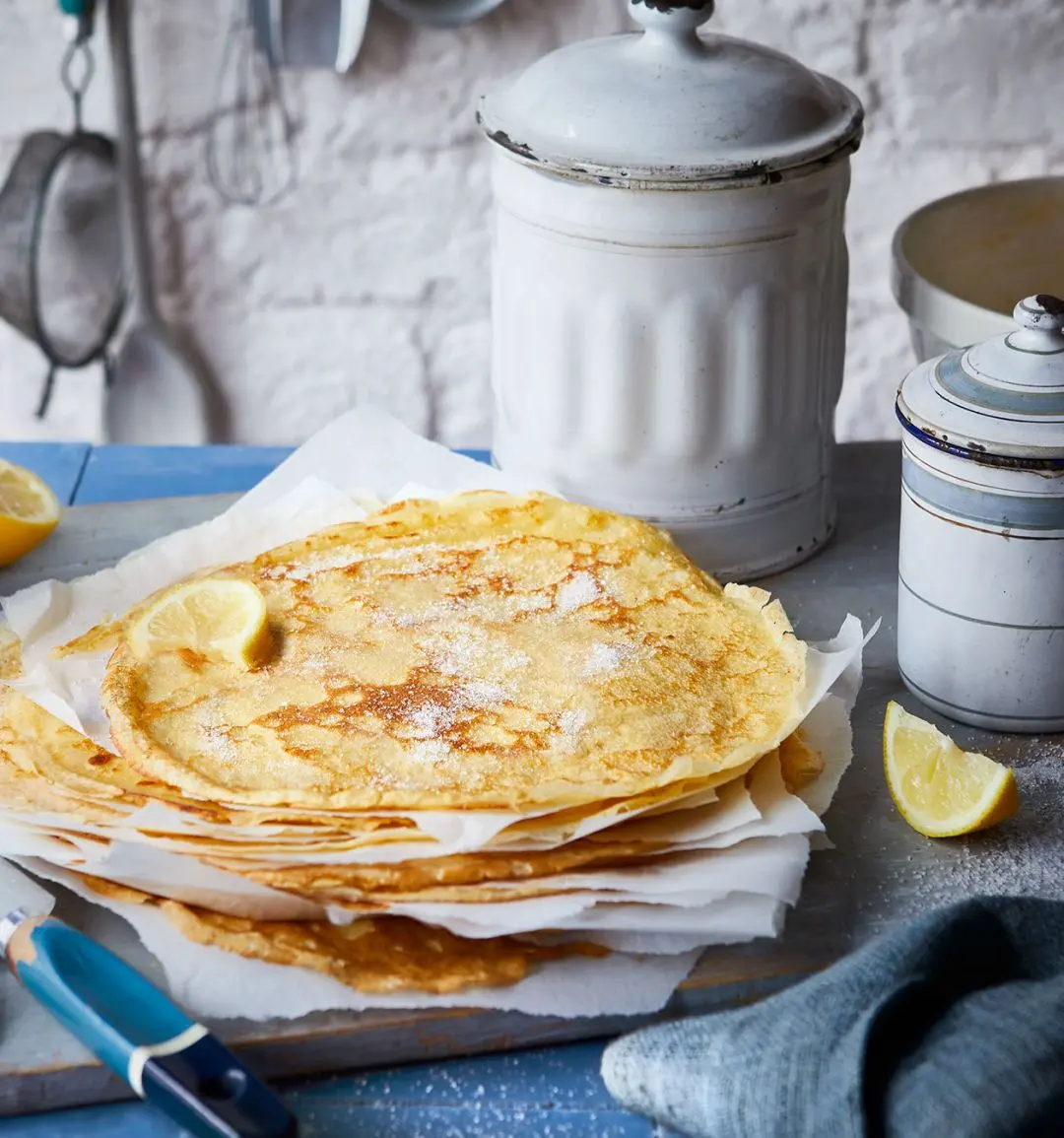
Toughness is almost always the result of over-mixing. When you stir the flour and liquid vigorously, you create long protein strands of gluten. While this is desirable for bread, it is counterproductive for pancakes. If you find your batter is too thick, add an extra tablespoon of milk at a time until it reaches a pourable consistency. Conversely, if the batter is too thin, it will spread too much in the pan, resulting in thin, crepe-like pancakes rather than the thick, fluffy version most people prefer.
Common mistakes when making pancakes
Many home cooks struggle with heat management, which is the primary cause of burnt exteriors and raw interiors. If the pan is too hot, the sugar in the batter will caramelize and burn before the center has a chance to set properly. If the heat is too low, the pancakes will take too long to cook, drying out and losing their fluffiness in the process.
- Flipping the pancake too early, which causes the batter to spill and create a mess.
- Using cold ingredients straight from the refrigerator, which prevents the batter from emulsifying correctly.
- Pressing down on the pancakes with a spatula after flipping, which pushes out the air bubbles you worked so hard to create.
- Adding too many mix-ins, such as blueberries or chocolate chips, which can weigh down the batter and prevent even rising.
By maintaining a consistent medium heat and resisting the urge to press or flip prematurely, you will achieve professional results every time you cook.
Key facts
- Pancakes are a type of quick bread made from a starch-based batter that is cooked on a hot, greased surface.
- The chemical leavening agent, usually baking powder, creates carbon dioxide bubbles that give pancakes their light, fluffy texture.
- The Maillard reaction is responsible for the golden-brown color and complex flavor profile that develops during cooking.
- Resting the batter for 10 to 15 minutes allows the flour to hydrate and the gluten to relax, resulting in a more tender crumb.
- A standard pancake batter typically consists of flour, milk, eggs, a fat source like melted butter, sugar, and a pinch of salt.
- Flipping the pancake only once, specifically when bubbles appear on the surface and the edges look set, prevents the interior from becoming tough.
The bottom line
Making perfect pancakes relies on the simple chemistry of mixing ingredients gently and controlling heat. By avoiding over-mixing, allowing the batter to rest, and cooking on a properly preheated surface, you can achieve a light, golden-brown result every time. Whether you prefer classic buttermilk stacks or creative variations, mastering these fundamental techniques ensures a reliable, delicious breakfast that serves as a versatile foundation for any topping.
People also ask
Why are my pancakes tough or rubbery?
Overmixing the batter is the most common cause of tough pancakes because it develops too much gluten. You should mix the wet and dry ingredients only until they are just combined, leaving some small lumps in the batter.
Can I substitute buttermilk for regular milk?
Yes, using buttermilk adds a pleasant tang and reacts with baking soda to provide extra lift. If you do not have buttermilk, you can make a substitute by adding one tablespoon of lemon juice or vinegar to a cup of milk and letting it sit for five minutes.
What is the best temperature for cooking pancakes?
A medium-low heat setting is ideal for ensuring the inside cooks through before the outside burns. If the pan is too hot, the exterior will brown prematurely while the center remains raw and gummy.
Why do my pancakes stick to the pan?
Sticking usually occurs because the pan is not hot enough or lacks sufficient fat. Always preheat your skillet or griddle thoroughly and use a thin, even layer of butter or neutral oil between batches.
Can I freeze leftover pancakes?
Pancakes freeze very well if cooled completely before being placed in an airtight container or freezer bag. They can be reheated directly from frozen in a toaster, oven, or microwave for a quick breakfast.
How do I make pancakes without eggs?
You can replace eggs with mashed bananas, applesauce, or a commercial egg replacer to achieve a similar binding effect. These alternatives often add moisture and subtle flavor, though the texture may be slightly denser than traditional versions.
This answer was created with the help of AI research tools and reference sources. Spotted an error? Let us know — we correct mistakes quickly. See our editorial policy.