How long do hippos live?
Short answer
Common hippopotamuses typically live between 40 and 50 years in the wild. While their lifespan is shorter in natural habitats due to environmental pressures and predation, individuals under human care in zoos can occasionally reach 50 to 60 years. Their longevity is primarily determined by dental health and access to food.
On this page
How long do hippos live in the wild?
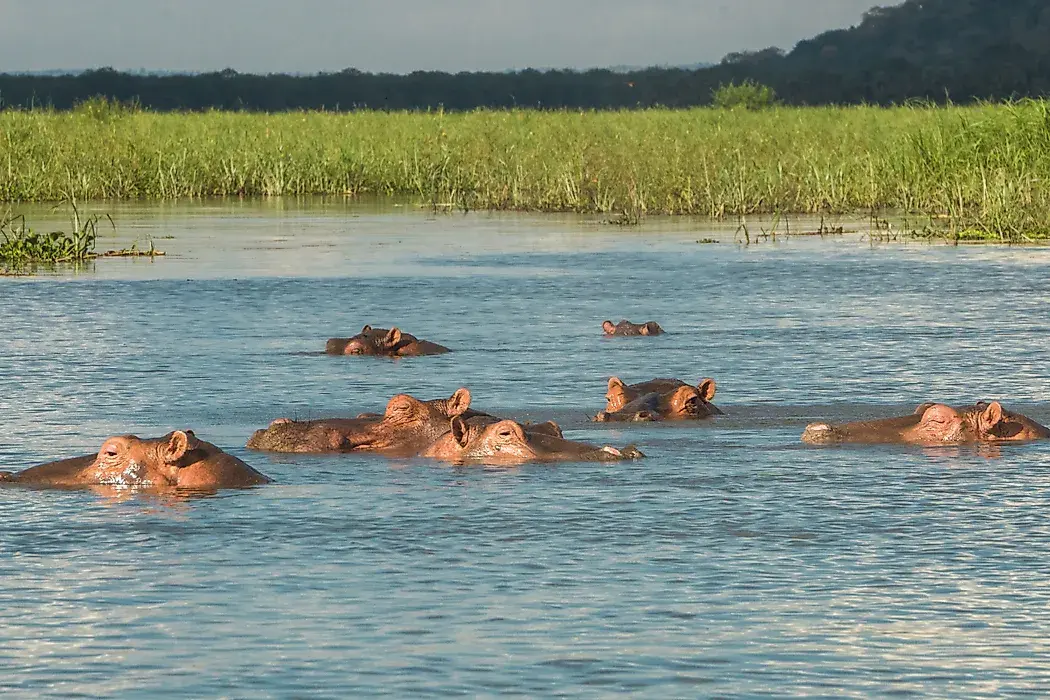
In their natural African habitats, common hippopotamuses generally live for 40 to 50 years. Their survival is heavily dependent on their environment, specifically the availability of permanent water bodies and nutrient-rich grasslands. Because they are semi-aquatic, they require deep water to keep their skin hydrated and cool during the heat of the day.
Several factors influence their lifespan in the wild, including:
- Predation of calves by lions, hyenas, and crocodiles.
- The depletion of grazing grounds during severe droughts.
- Territorial conflicts between dominant bulls, which can result in fatal injuries.
- Outbreaks of diseases such as anthrax, which can decimate local populations.
While adult hippos have few natural predators due to their immense size and aggressive nature, the first few years of life are the most precarious. Once a hippo reaches adulthood, its main threats shift from predation to resource competition and human-wildlife conflict.
How long do hippos live in captivity?
Hippos kept in accredited zoological institutions often outlive their wild counterparts. With consistent access to high-quality nutrition, veterinary care, and an environment free from predators or territorial competition, these animals frequently reach their late 50s. The oldest recorded hippopotamuses have occasionally approached or slightly exceeded the age of 60.
Veterinary care plays a critical role in this longevity. Zookeepers monitor the animals for signs of illness, manage their diets to prevent obesity, and provide enrichment to ensure physical and psychological health. Regular dental checkups are particularly vital, as the loss of teeth can prevent a hippo from grinding the tough grasses necessary for digestion.
- Daily monitoring of fecal output and appetite to detect early illness.
- Routine dental examinations under sedation to prevent tooth decay or abscesses.
- Provision of a balanced diet that mimics natural grazing patterns.
- Regular skin inspections to prevent infections or sunburn.
Why does dental health affect hippo longevity?
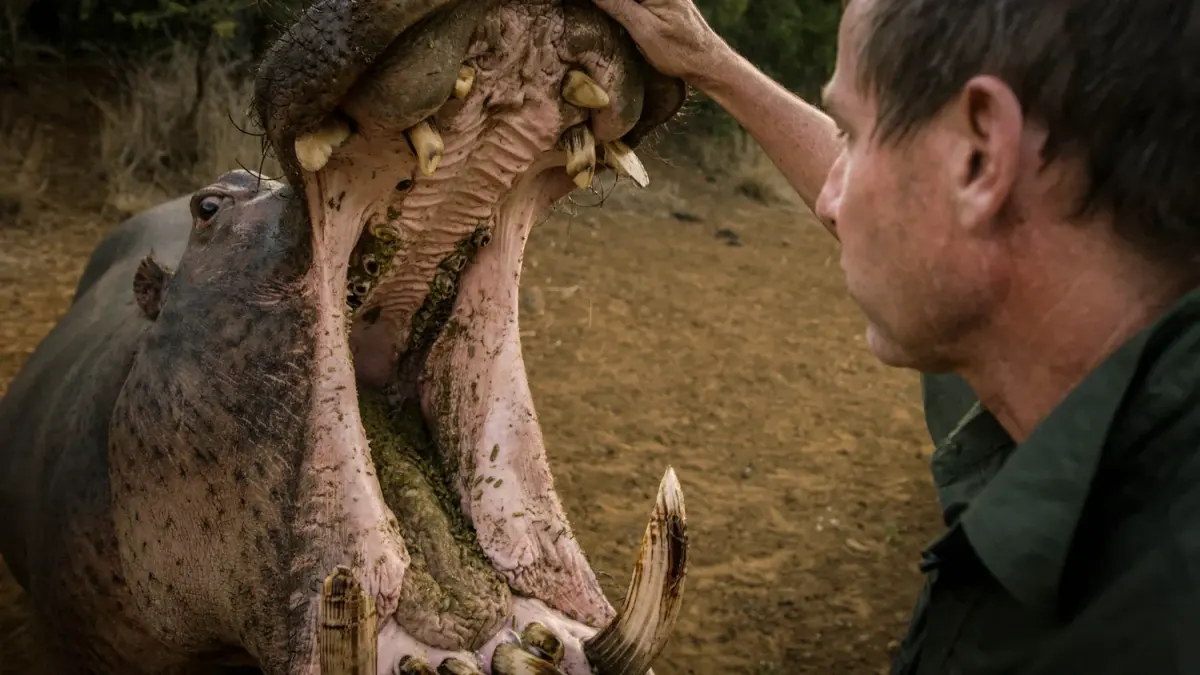
The primary cause of death for aging hippos is often starvation resulting from dental failure. A hippo’s teeth, particularly its molars, are essential for grinding down fibrous aquatic and terrestrial vegetation. Over decades of use, these teeth eventually wear down to the gum line, making it impossible for the animal to process its food effectively.
When a hippo can no longer chew, it loses the ability to extract necessary nutrients, leading to rapid weight loss and a weakened immune system. In the wild, this decline is often accelerated by the energy expenditure required to walk long distances to grazing sites. Once a hippo reaches this stage, it becomes vulnerable to secondary infections and exhaustion.
Common indicators of dental distress include:
- Dropping food while chewing.
- Increased time spent ruminating or attempting to chew.
- A noticeable decline in body condition or weight.
- Changes in social behavior or increased irritability.
How to observe hippos safely in the wild
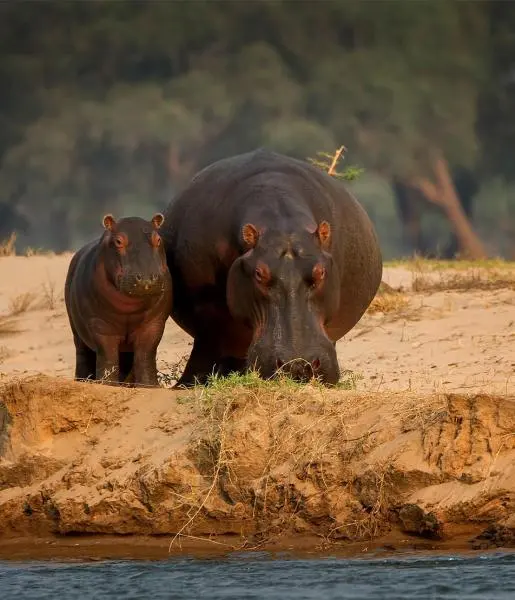
Observing hippos in their natural habitat requires extreme caution, as they are considered one of the most dangerous large mammals in Africa. They are highly territorial and will charge if they feel their path to the water is blocked. When visiting national parks, always remain inside a vehicle and keep a significant distance from the water's edge.
Common mistakes to avoid when viewing hippos:
- Getting out of your vehicle near a riverbank, even if no hippos are visible.
- Approaching a hippo that is on land, as they can run faster than humans over short distances.
- Attempting to feed or bait the animals to get a better photograph.
- Ignoring the warning signs of a territorial display, such as yawning or splashing.
If you are on a boat tour, ensure your guide maintains a respectful distance from pods. Hippos are known to capsize small watercraft if they feel threatened or if a boat inadvertently enters their territory. Always prioritize safety over the quality of your photographs.
What are the stages of a hippo's life?
A hippo’s life is divided into distinct stages, starting with a vulnerable infancy. Calves are born underwater and must swim to the surface for their first breath. They spend much of their first year nursing, though they begin sampling vegetation within a few weeks of birth. During this time, they stay close to their mothers for protection.
As they transition into adolescence, young hippos begin to socialize more with other members of the pod. Males eventually leave their maternal groups to establish their own territories, which is a dangerous period involving frequent combat. Females typically remain within the same social structure for their entire lives.
- Infancy (0–2 years): High dependency on the mother.
- Adolescence (3–7 years): Period of social integration and territorial exploration.
- Adulthood (8–40 years): Prime years for breeding and establishing dominance.
- Seniority (40+ years): Increased risk of dental failure and physical decline.
By understanding these stages, researchers can better manage conservation efforts and protect the habitats necessary for these animals to reach their full potential.
Key facts
- Common hippos typically live between 40 and 50 years in the wild.
- In captivity, hippos can occasionally reach 60 years of age due to consistent medical care and lack of predators.
- Female hippos generally reach sexual maturity between 5 and 6 years of age.
- Male hippos continue to grow until they are about 25 years old.
- The primary cause of death for wild hippos is territorial fighting, drought, or disease.
- To observe hippos safely, always maintain a significant distance from water edges, as they are highly territorial and fast on land.
The bottom line
The common hippo is a resilient animal, typically living 40 to 50 years in its natural habitat. While captivity can extend this lifespan by a decade or more, these giants face significant environmental pressures in the wild. Understanding their growth patterns and habitat needs is essential for conservation efforts, as protecting their freshwater ecosystems remains the most effective way to ensure these fascinating creatures continue to thrive.
People also ask
Do hippos live longer in zoos than in the wild?
Yes, hippos often live longer in captivity because they receive regular veterinary checkups and a steady supply of food. In the wild, they face threats like habitat loss, poaching, and competition for resources that can shorten their lifespans.
At what age do hippos stop growing
While they reach sexual maturity much earlier, male hippos continue to increase in size and weight until they are approximately 25 years old. Females typically stop growing slightly sooner than their male counterparts.
How can you tell the age of a hippo?
Determining the exact age of a wild hippo is difficult, but researchers often examine the wear patterns on their teeth. As hippos age, their large tusks and incisors become worn down from constant grazing and fighting.
Are hippos considered an endangered species?
The common hippo is currently listed as vulnerable by the International Union for Conservation of Nature. Their populations are declining due to illegal hunting and the loss of the freshwater habitats they require to survive.
Do hippos have any natural predators?
Adult hippos have very few natural predators because of their immense size and aggressive nature. However, young calves are vulnerable to attacks from crocodiles, lions, and hyenas if they become separated from their mothers.
Can a hippo survive outside of water?
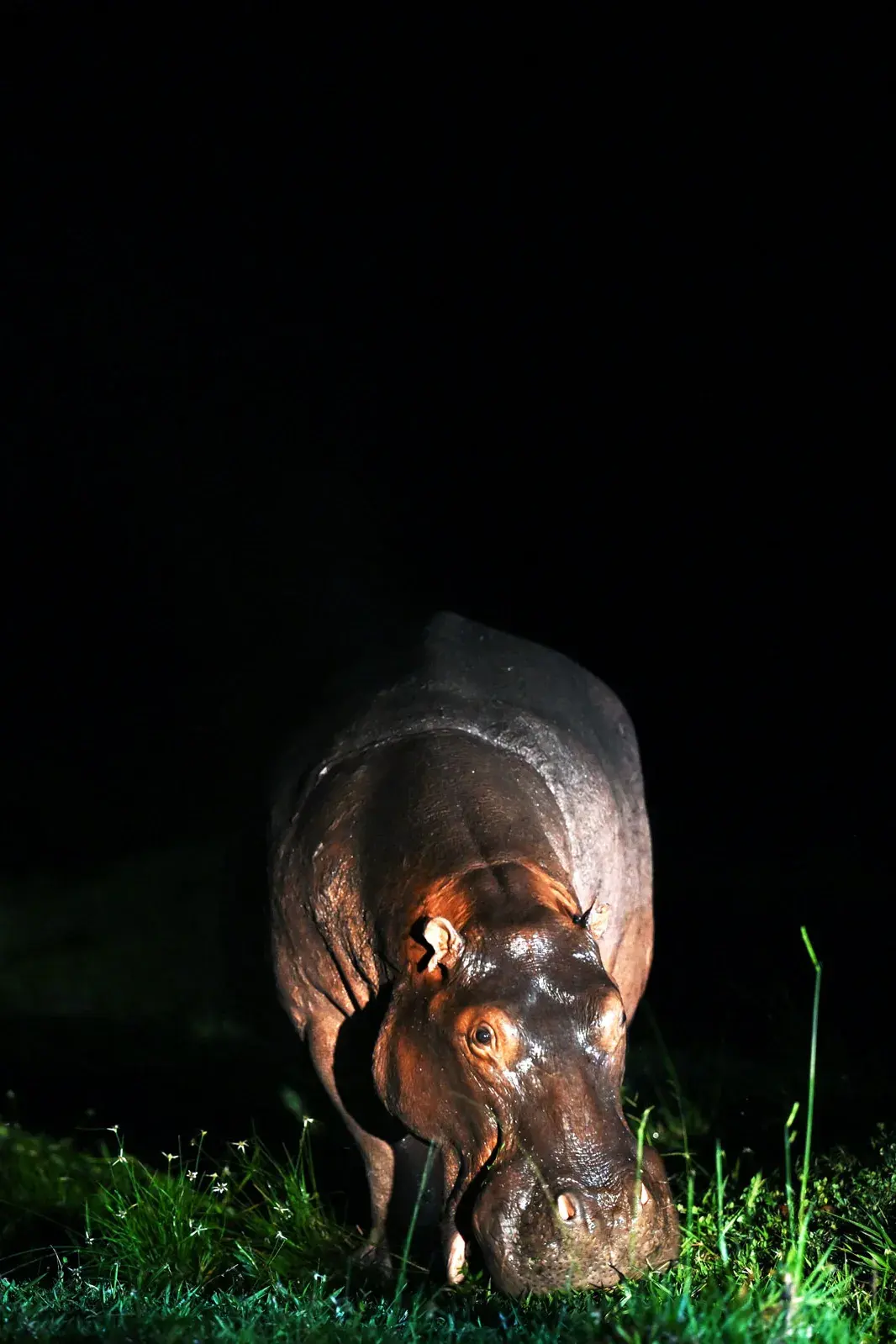
Hippos are semi-aquatic and must spend most of their day in water to keep their skin cool and prevent dehydration. While they graze on land at night, they cannot survive long-term exposure to the sun without returning to a pool or river.
This answer was created with the help of AI research tools and reference sources. Spotted an error? Let us know — we correct mistakes quickly. See our editorial policy.