How long do river otters live?
Short answer
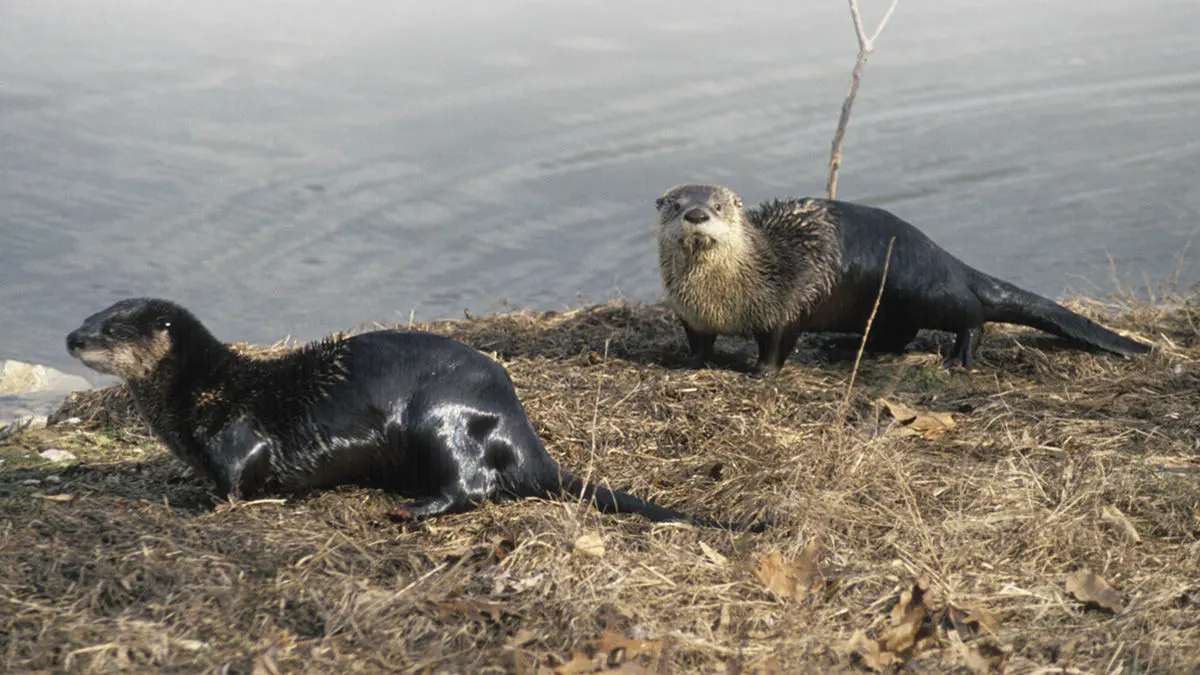
North American river otters typically live 8 to 10 years in the wild, though they can survive up to 15 years in protected environments. Their lifespan is heavily influenced by habitat quality, food availability, and human activity. In managed care facilities, such as zoos, these animals often reach their late teens or early twenties.
On this page
How long do river otters live in the wild?
In their natural habitats, river otters face significant survival challenges that limit their longevity. While they are apex predators in many aquatic ecosystems, they are susceptible to environmental stressors, accidents, and predation. Most wild river otters succumb to natural causes or injuries before reaching their full biological potential. Factors such as severe winter weather, territorial disputes, and parasites play a major role in mortality rates for younger otters.
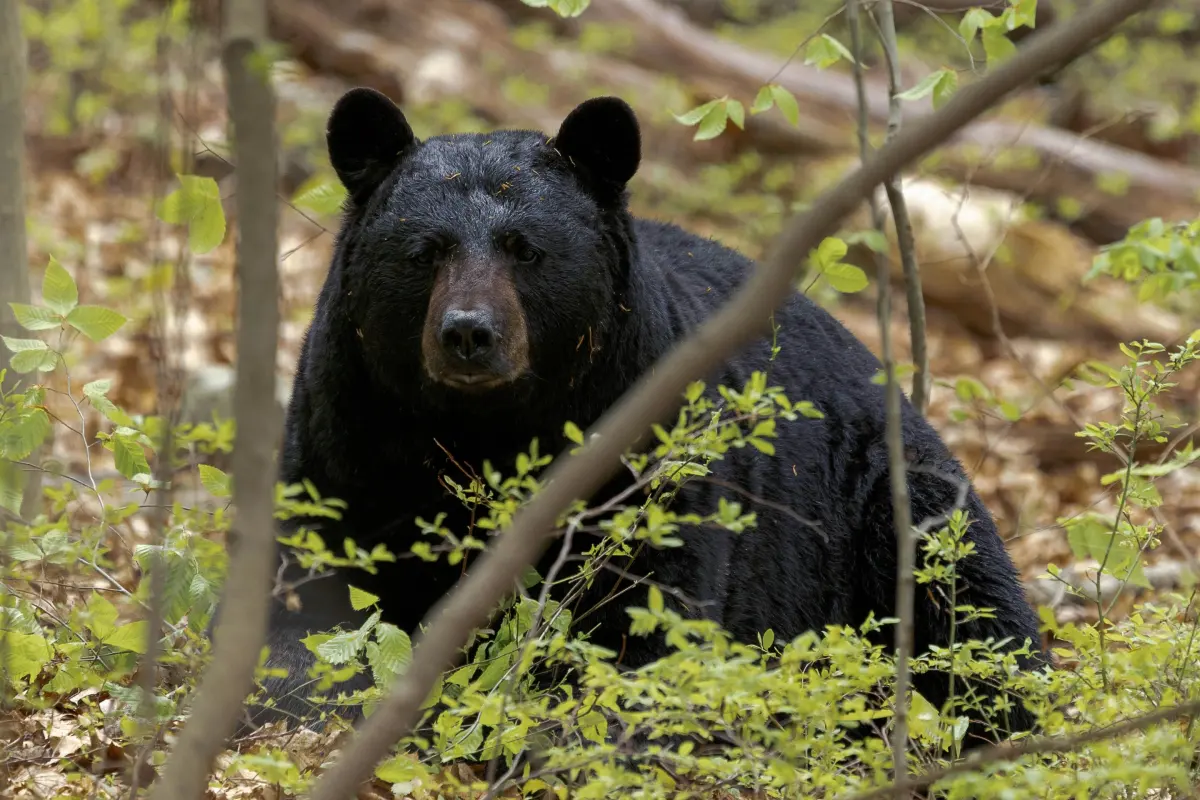
The average life expectancy of 8 to 10 years reflects the difficulty of navigating a wild environment. Otters must constantly hunt, maintain dens, and avoid larger predators like coyotes, bobcats, or bears. When food sources become scarce, their physical condition declines rapidly, making them more vulnerable to illness. Despite these risks, healthy adult otters with access to clean, fish-rich waters can occasionally survive into their early teens.
Why do river otters live longer in captivity?
River otters kept in zoos or wildlife rehabilitation centers often live significantly longer than their wild counterparts. Protected environments eliminate the primary threats of starvation, predation, and exposure to harsh weather. Veterinary care ensures that any injuries or infections are treated immediately, preventing the complications that often prove fatal in the wild. These factors allow many captive otters to live well into their late teens or early twenties.
The quality of life in captivity is determined by several key factors managed by professional staff:
- Balanced nutritional diets that mimic natural prey variety.
- Regular medical screenings to detect underlying health issues.
- Enrichment activities that stimulate natural hunting and foraging behaviors.
- Controlled water quality to prevent skin and respiratory infections.
By removing the uncertainty of daily survival, caretakers provide a stable environment that supports extended longevity. This increased lifespan allows researchers to study aging processes and behavioral patterns that are difficult to observe in the field.
What factors affect river otter lifespan?
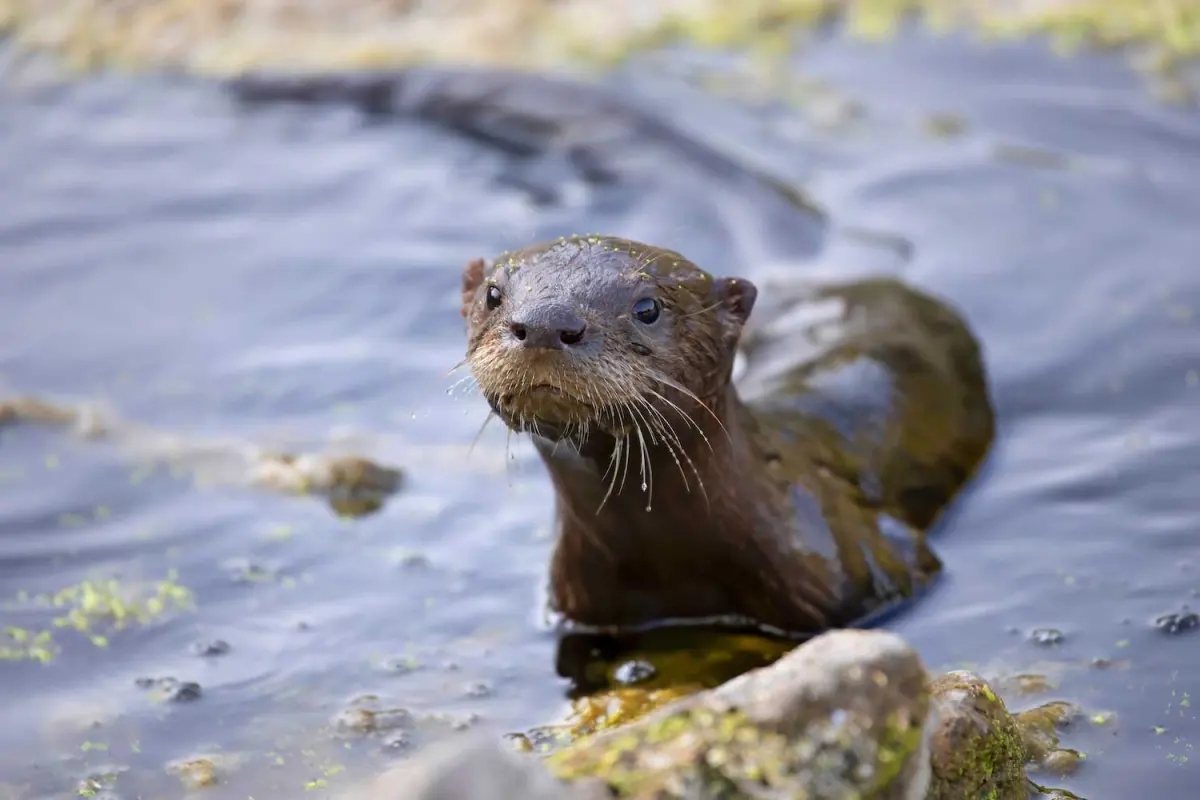
Several environmental and biological variables dictate how long an individual otter will survive. Water pollution is one of the most significant threats, as otters are highly sensitive to toxins like mercury and pesticides that accumulate in their prey. Habitat destruction, particularly the loss of riparian vegetation and denning sites, forces otters to travel further, increasing their risk of vehicle collisions.
Human-related activities also impact mortality rates significantly. Trapping and hunting, while regulated in many regions, remain factors in population turnover. Additionally, accidental entanglement in discarded fishing gear or plastic debris can lead to drowning or severe injury. Protecting wetlands and maintaining healthy fish populations are essential strategies for ensuring that wild otter populations maintain a stable, healthy age distribution.
How to identify a healthy river otter?
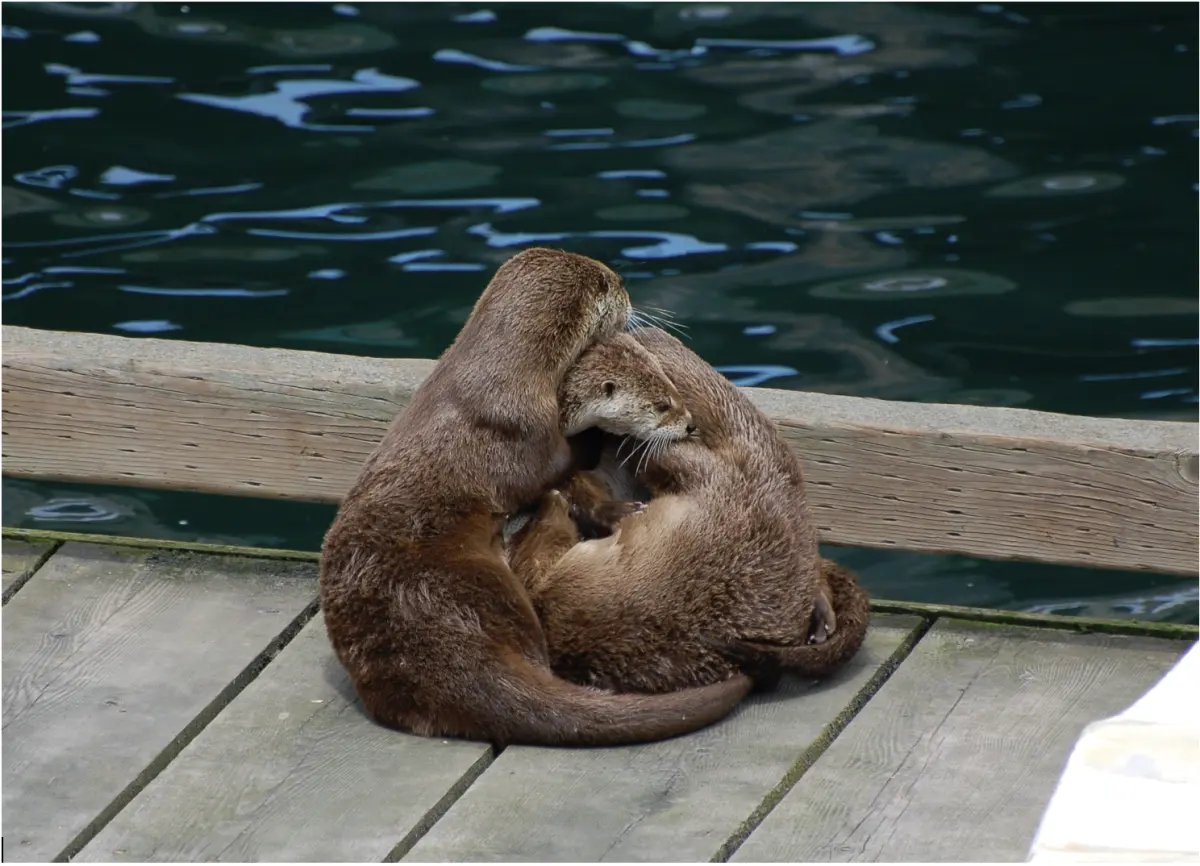
Observing river otters in the wild requires patience and a keen eye for physical indicators of health. A healthy otter typically displays a sleek, glossy coat, which is essential for insulation in cold water. They should be active, showing agility and coordination during swimming or foraging. Lethargy, patchy fur, or visible wounds are common signs that an otter is struggling or suffering from illness.
If you are observing otters, look for these specific behaviors:
- Frequent grooming, which keeps the fur waterproof and buoyant.
- High energy levels during hunting sessions in shallow water.
- Social interaction with family members, such as playing or vocalizing.
- Smooth, fluid movement when transitioning between land and water.
Common mistakes when observing otters include approaching too closely or attempting to feed them. Human interaction can cause significant stress, leading the animals to abandon their dens or discard their food, which negatively impacts their long-term health and survival.
Common mistakes when tracking otter health
Researchers and enthusiasts often make errors when assessing the age or health of river otters in the field. One frequent mistake is assuming that an otter's size is a direct indicator of age. While size matters, weight can fluctuate significantly based on seasonal food availability and reproductive status. Relying solely on visual size estimates often leads to inaccurate conclusions about the maturity of the population.
Another common error is failing to consider seasonal stressors. During the winter, even healthy otters may appear thinner or less active as they conserve energy. Mistaking these natural seasonal adaptations for signs of illness or starvation is a frequent oversight. When monitoring populations, it is important to:
- Establish long-term observation windows rather than single-day snapshots.
- Document behavior patterns rather than focusing on physical appearance alone.
- Respect local wildlife guidelines to avoid disrupting natural foraging cycles.
- Report sightings to local wildlife agencies to assist in broader conservation efforts.
By avoiding these pitfalls, observers can better understand the complex life cycles of these resilient aquatic mammals and contribute to more accurate data collection for conservation, ensuring that these animals continue to thrive in their native habitats for years to come.
Key facts
- North American river otters typically live 8 to 9 years in the wild, though they can reach 15 years in captivity.
- High mortality rates in the wild are often caused by habitat loss, water pollution, and accidental trapping.
- Captive environments provide consistent food and veterinary care, which significantly extends their natural lifespan.
- Sexual maturity is generally reached between two and three years of age for both males and females.
- River otters are highly active predators that require vast, clean territories to maintain their physical health.
- To support local otter populations, avoid using chemical fertilizers near waterways, as these pollutants degrade their primary food sources.
The bottom line
While North American river otters can live up to 15 years in protected captive environments, their wild counterparts typically survive for less than a decade. Their longevity is heavily influenced by the quality of their aquatic habitat and the availability of clean, abundant prey. Protecting local watersheds from pollution and preserving natural riverbanks are the most effective ways to ensure these resilient, active mammals thrive in nature.
People also ask
Do river otters make good pets?
No, river otters do not make good pets because they have complex social needs and require large, specialized aquatic habitats. They are wild animals that can become aggressive as they mature and are difficult to house-train.
What do river otters eat in the wild?
Their diet consists primarily of fish, crustaceans like crayfish, amphibians, and occasionally small mammals or birds. They are opportunistic hunters that consume whatever prey is most abundant in their immediate environment.
Are river otters the same as sea otters?
No, river otters and sea otters are distinct species with different physical adaptations and habitats. Sea otters are larger, live exclusively in marine environments, and lack the webbed feet designed for the river-based agility of the North American river otter.
Where do river otters build their dens?
They typically occupy abandoned burrows from other animals like beavers or muskrats along riverbanks. They prefer dens with underwater entrances that provide safety from terrestrial predators.
How much space does a river otter need?
A single otter may patrol a territory ranging from 5 to 20 miles of shoreline depending on food availability. They are highly mobile and require interconnected waterways to thrive and find mates.
Can river otters survive in polluted water?
They are highly sensitive to water quality and serve as bioindicators for ecosystem health. Heavy metals and chemical runoff can accumulate in their systems, leading to reproductive issues and shorter lifespans.
This answer was created with the help of AI research tools and reference sources. Spotted an error? Let us know — we correct mistakes quickly. See our editorial policy.