How long do hummingbirds live?
Short answer
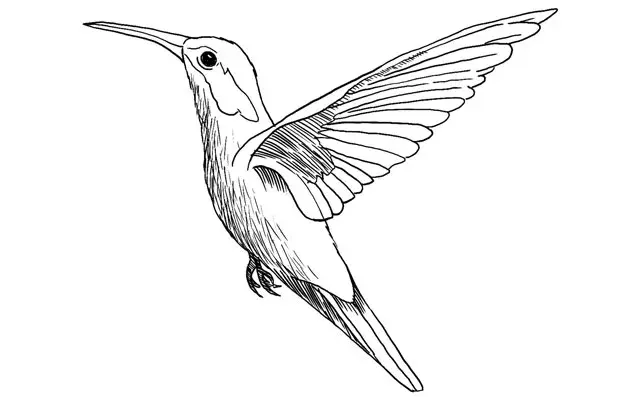
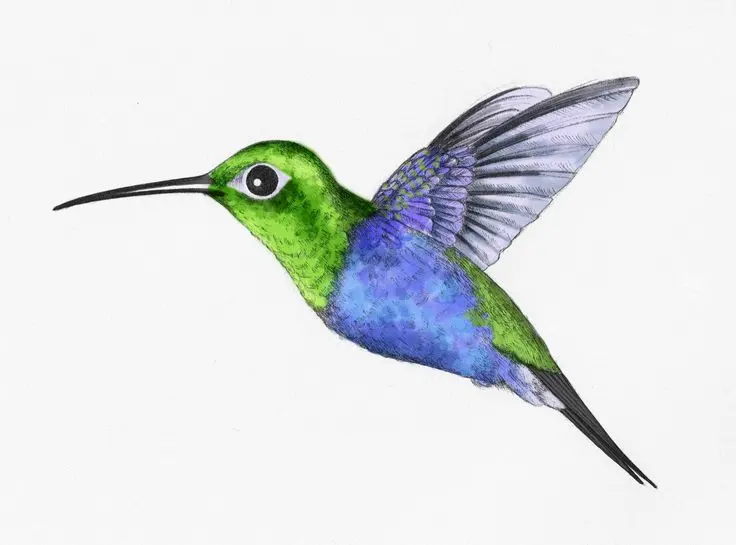
Most hummingbirds live between three and five years in the wild, though many do not survive their first year due to migration hazards and predation. While some individuals have been documented living over a decade, these cases are exceptional. Their high metabolic rate and intense activity levels significantly influence their short lifespans.
On this page
How long do hummingbirds live on average?
The average lifespan of a hummingbird is surprisingly short, typically ranging from three to five years. During their first year of life, mortality rates are highest as young birds learn to navigate migration routes and secure food sources. Those that survive their first migration often live longer, but they remain vulnerable to environmental stressors and predators throughout their lives.
While the average is low, some species exhibit remarkable longevity. Banding records from ornithologists have identified individual birds that lived significantly longer than the norm. For example, a female Broad-tailed Hummingbird was recaptured at the age of 12 years, and a Ruby-throated Hummingbird lived for at least nine years. These outliers demonstrate that while their physiology is designed for high-intensity movement, they possess the capacity for extended survival under ideal conditions.
Why do hummingbirds have short lifespans?
The primary driver of a hummingbird's short lifespan is its extreme metabolic rate. These birds possess the highest metabolism of any homeothermic animal, requiring them to consume vast amounts of nectar and insects daily to maintain their body temperature and energy levels. This constant state of physiological exertion places significant wear on their internal organs and tissues over time.
Beyond metabolic demands, external factors play a critical role in limiting their longevity. Hummingbirds are susceptible to a variety of threats that shorten their potential lifespan, including:
- Predation by cats, hawks, and larger insects like praying mantises.
- Harsh weather conditions that deplete energy reserves during migration.
- Habitat loss that reduces access to essential floral nectar.
- Collisions with windows and other human-made structures.
- Parasites and diseases that spread rapidly at crowded feeding stations.
How to support hummingbird health in your yard
Providing a safe, resource-rich environment can help hummingbirds survive longer by reducing the energy they must spend searching for food. By creating a habitat that mimics their natural requirements, you can lower the stress on local populations. Focus on planting native flowers that provide high-quality nectar throughout the entire breeding and migration season.
When maintaining a hummingbird garden, follow these steps to ensure the birds remain healthy:
- Plant a variety of tubular, nectar-rich flowers like bee balm, salvia, and columbine.
- Avoid using pesticides, as these chemicals kill the small insects hummingbirds rely on for protein.
- Provide a shallow water source, such as a misting fountain, which they use for bathing and drinking.
- Keep feeders clean by washing them with hot water and vinegar at least twice a week.
Common mistakes when feeding hummingbirds
Many well-intentioned bird enthusiasts inadvertently harm hummingbirds by failing to maintain proper hygiene at feeding stations. The most common error is using honey, molasses, or artificial sweeteners in nectar mixes, which can cause fatal fungal infections or provide zero nutritional value. Always stick to a simple ratio of four parts water to one part refined white sugar.
Another frequent mistake is the use of red dye in sugar water. There is no scientific evidence that red dye attracts birds better than a red-colored feeder, and the chemicals can be toxic to their delicate systems. Additionally, failing to change the nectar frequently during hot weather allows bacteria and mold to proliferate. If the liquid appears cloudy or shows black spots, it is already spoiled and must be discarded immediately to prevent the spread of avian diseases.
How do researchers track hummingbird ages?
Scientists determine the age of hummingbirds primarily through a process called bird banding. Researchers capture birds using specialized nets and attach a tiny, lightweight aluminum band to the bird's leg. Each band features a unique identification number that is registered in a national database. If that specific bird is recaptured or found later, the data provides an accurate record of its age and movement patterns.
This research has revealed fascinating insights into the survival strategies of different species. Through banding, experts have learned that site fidelity is common, with many birds returning to the same garden or breeding ground year after year. This data is essential for conservation efforts, as it helps biologists understand how climate change and urban development impact the long-term survival rates of these birds. By monitoring these populations, we gain a clearer picture of how to protect their habitats for future generations of hummingbirds to thrive.
Key facts
- Most hummingbirds live between three and five years in the wild, though many do not survive their first year.
- The oldest recorded wild hummingbird was a female Broad-tailed Hummingbird that lived to be at least 12 years old.
- High metabolic rates require these birds to consume half their body weight in sugar daily just to survive.
- Predation, severe weather, and habitat loss are the primary factors that limit their natural lifespan.
- To help local populations, keep feeders clean by washing them with hot water and vinegar every three to four days.
- Avoid using red dye in nectar, as it can be toxic; the natural red color of the feeder is sufficient to attract them.
The bottom line
While hummingbirds possess remarkable endurance during their long migratory journeys, their high-energy lifestyle results in a relatively short average lifespan of three to five years. By maintaining clean feeders, planting native flowers, and protecting local habitats, you can provide essential support for these birds. Understanding their need for consistent, sugar-rich food sources is the most practical way to help them thrive in your backyard environment.
People also ask
Do hummingbirds return to the same feeder every year?
Yes, hummingbirds exhibit high site fidelity and often return to the same breeding grounds and feeding locations year after year. They possess an excellent memory for spatial locations and nectar sources.
Why do hummingbirds have such short lifespans?
Their extremely high metabolic rates put immense physical strain on their bodies, requiring constant energy intake. Additionally, their small size makes them vulnerable to predators like cats, hawks, and even large insects.
How can I tell how old a hummingbird is?
It is nearly impossible to determine the exact age of a wild hummingbird by looking at it. Researchers use specialized leg bands with unique identification numbers to track individual birds over time.
Do hummingbirds die if they stop flying?
Hummingbirds do not die simply by stopping, but they must enter a state called torpor to survive cold nights. During torpor, their heart rate and body temperature drop significantly to conserve vital energy.
What is the biggest threat to hummingbird survival?
Habitat loss and the decline of native nectar-producing plants are the most significant threats to their long-term survival. Climate change also affects the timing of flower blooms, which can disrupt their migration patterns.
Can hummingbirds live in captivity?
Keeping hummingbirds in captivity is extremely difficult and generally discouraged for non-experts. They require specialized diets and constant movement, making them poor subjects for traditional pet ownership.
This answer was created with the help of AI research tools and reference sources. Spotted an error? Let us know — we correct mistakes quickly. See our editorial policy.