How long do cheetahs live?
Short answer
Cheetahs typically live between 8 and 12 years in the wild, though they can reach 15 to 20 years in human care. Their lifespan is heavily influenced by environmental pressures, habitat availability, and the success rate of cub survival. High mortality rates among young cheetahs significantly impact population averages in their natural African habitats.
On this page
How long do cheetahs live in the wild?
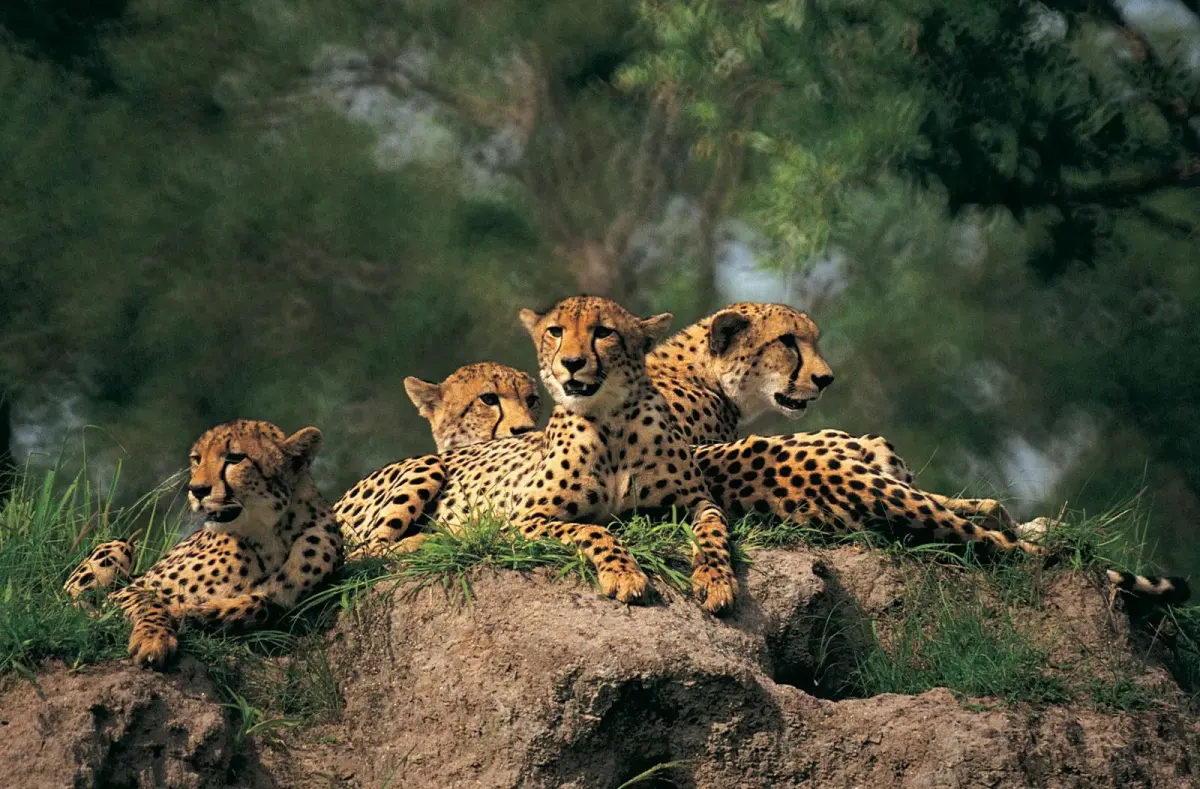
In their natural habitat, cheetahs face an arduous struggle for survival. Most wild cheetahs live between 8 and 12 years, as they must constantly compete with larger, more aggressive predators like lions and hyenas. These competitors often steal the cheetah’s hard-earned kills, forcing the cat to expend precious energy hunting again. Furthermore, cheetahs are susceptible to injury during high-speed chases, which can leave them unable to hunt effectively.
The survival rate of cheetah cubs is particularly low, which skews the average lifespan data for the species. Approximately 90 percent of cubs die before reaching independence due to predation or abandonment. Those that do survive to adulthood must navigate a landscape increasingly fragmented by human activity. The following factors are primary contributors to early mortality in the wild:
- Predation by leopards, lions, and hyenas.
- Lack of genetic diversity leading to health vulnerabilities.
- Habitat loss reducing the availability of prey species.
- Conflict with livestock farmers leading to retaliatory killings.
How long do cheetahs live in captivity?
Cheetahs living in zoos or specialized conservation facilities often enjoy significantly longer lives than their wild counterparts. With access to consistent veterinary care, high-quality nutrition, and protection from territorial predators, these cats frequently live into their late teens. It is not uncommon for a well-cared-for cheetah to reach 15 to 20 years of age. This environment eliminates the daily stress of hunting and the risk of fatal injuries from territorial disputes.
However, captivity poses its own unique challenges for the species. Cheetahs are highly sensitive animals that require specific social structures and vast spaces to maintain their physical and psychological well-being. When these needs are not met, they can develop stress-related illnesses that shorten their expected lifespan. Modern zoological practices prioritize:
- Providing large, complex enclosures that allow for natural movement.
- Implementing specialized diets to prevent common captive health issues.
- Offering enrichment activities to stimulate their natural hunting instincts.
- Monitoring social groupings to reduce inter-cat aggression.
Why does cheetah life expectancy vary?
The variation in life expectancy between wild and captive cheetahs is primarily a result of environmental stability. In the wild, a cheetah is a specialized predator that relies on extreme speed, which is an energy-intensive and dangerous method of hunting. Any minor injury to a limb or a tooth can be a death sentence, as it prevents the cat from securing food. Conversely, captive cheetahs do not need to hunt to survive, removing the most significant risk factor for injury.
Genetics also play a critical role in the longevity of the species. Cheetahs experienced a severe population bottleneck thousands of years ago, resulting in very low genetic diversity. This lack of variation makes the entire species more susceptible to diseases and environmental changes. While captive breeding programs attempt to manage these genetic risks, wild populations remain vulnerable to localized outbreaks of disease that can devastate entire groups, further lowering the average age of the population.
Common mistakes when assessing cheetah health
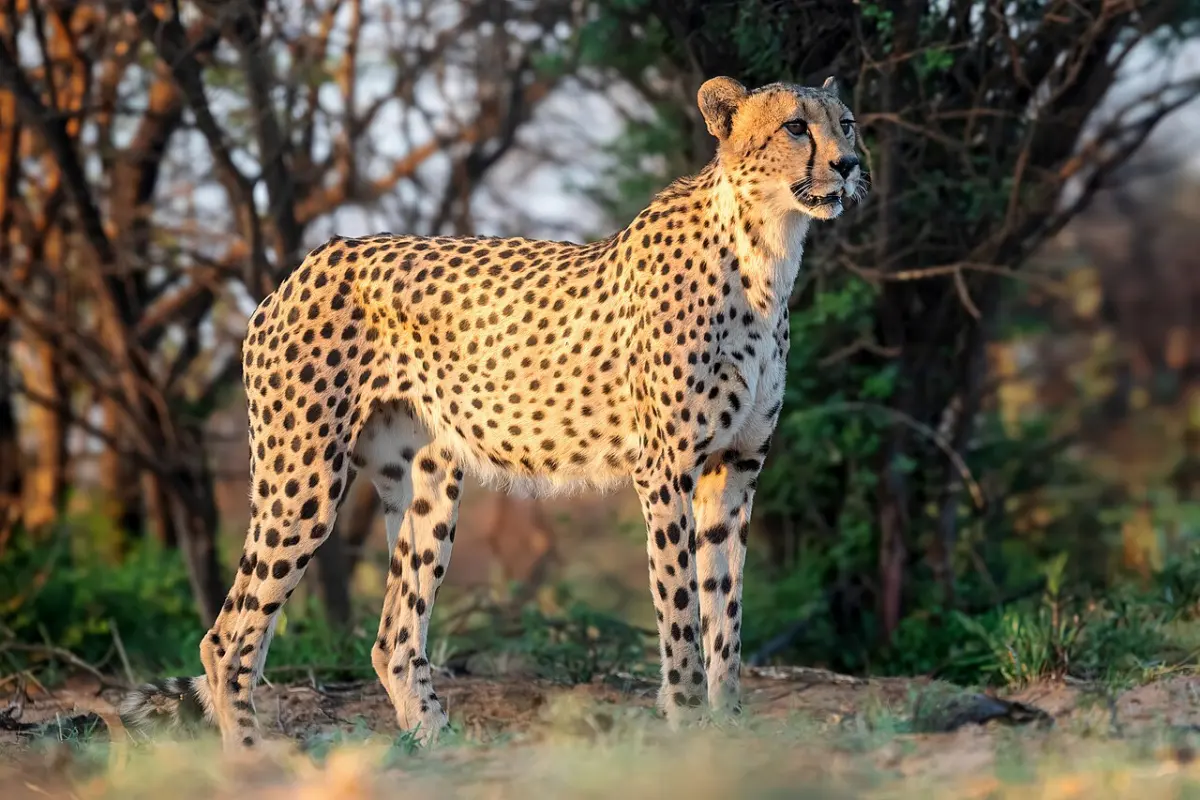
A frequent error when evaluating the health of a cheetah is assuming that physical appearance alone indicates longevity. Cheetahs are naturally lean and muscular, but their thin frame can sometimes be misinterpreted as malnutrition by untrained observers. It is essential to understand that their morphology is optimized for aerodynamics rather than bulk. Relying on visual assessments without considering the animal's activity levels or age can lead to inaccurate conclusions about their overall condition.
Another mistake is ignoring the impact of human-wildlife conflict on the lifespan of the species. Many people assume that wild cheetahs die primarily from old age, but the reality is that human-induced mortality is a leading cause of death. When cheetahs wander into farmland, they are often targeted by farmers protecting their livestock. To accurately gauge the health of a population, one must look at the intersection of ecological data and human socio-economic factors in the region.
How to support cheetah conservation efforts
Supporting the longevity of wild cheetahs requires a multi-faceted approach that focuses on habitat preservation and community engagement. Conservationists emphasize that protecting the land is just as important as protecting the individual animal. By maintaining large, interconnected corridors of wilderness, cheetahs can avoid high-density areas of human activity and find sufficient prey. If you are interested in contributing to the survival of the species, consider these practical steps:
- Support organizations that work directly with local farmers to implement non-lethal predator deterrents.
- Advocate for policies that protect large swaths of savanna from industrial development.
- Donate to reputable research programs that monitor cheetah health and population trends.
- Educate others about the importance of genetic diversity and the threats posed by habitat fragmentation.
By focusing on these areas, we can help ensure that wild cheetah populations remain stable and that individuals have the best possible chance of reaching their full natural lifespan. Consistent support for these initiatives is the most effective way to address the systemic challenges that limit the longevity of these magnificent cats in the wild.
Key facts
- Wild cheetahs typically live between 8 and 12 years in their natural habitat.
- Cheetahs in human care, such as zoos or sanctuaries, often live up to 15 or 20 years.
- High cub mortality rates in the wild mean that fewer than 10 percent of cubs survive to adulthood.
- Competition from larger predators like lions and hyenas is a leading cause of death for wild cheetahs.
- To support conservation, avoid visiting facilities that allow direct physical contact with cheetahs or cub petting.
- Genetic diversity is low in cheetah populations, which makes them more susceptible to diseases and environmental changes.
The bottom line
The lifespan of a cheetah is heavily influenced by its environment, with wild individuals facing significant risks from predators and habitat loss. While wild cheetahs rarely survive past 12 years, those in protected environments live significantly longer. Protecting natural corridors and reducing human-wildlife conflict are essential steps to ensure these swift predators continue to thrive in the wild for generations to come.
People also ask
Why do cheetahs live longer in captivity?
In human care, cheetahs receive consistent veterinary medical attention, a balanced diet, and protection from predators. This eliminates the physical toll of hunting and the constant threat of territorial conflict found in the wild.
What is the biggest threat to cheetah longevity?
Habitat loss and fragmentation are the primary threats, as they force cheetahs into smaller areas. This leads to increased conflict with humans and livestock farmers, often resulting in retaliatory killings.
Do male cheetahs live longer than females?
There is no significant difference in lifespan between the sexes, though their survival challenges differ. Females must raise cubs alone, which is energy-intensive, while males often form coalitions to defend territories.
How do cheetahs die in the wild?
Most wild cheetahs die from starvation, injuries sustained during hunts, or predation by larger carnivores. Many cubs also succumb to exposure or are killed by other predators while their mothers are away hunting.
Are cheetahs currently an endangered species?
Yes, the International Union for Conservation of Nature (IUCN) classifies the cheetah as vulnerable. Their numbers are declining rapidly due to human-wildlife conflict and the illegal pet trade.
Can cheetahs be kept as pets to help them live longer?
No, keeping cheetahs as pets is illegal in most countries and highly detrimental to their well-being. They have complex social and physical needs that cannot be met in a domestic setting, leading to poor health and early death.
This answer was created with the help of AI research tools and reference sources. Spotted an error? Let us know — we correct mistakes quickly. See our editorial policy.