Who was Robin Hood?
Short answer
Robin Hood is a legendary heroic outlaw from English folklore, traditionally depicted as a highly skilled archer who lived in Sherwood Forest. While popular stories place him in the 12th or 13th century, there is no historical evidence identifying a single real person behind the character, who likely represents a composite figure.
On this page
Who was the real Robin Hood?
Historians have spent centuries attempting to link the legend of Robin Hood to actual individuals recorded in medieval legal documents. The name "Robin Hood" or "Robert Hood" was a common alias used by criminals in the 13th and 14th centuries, appearing in court rolls from York to Berkshire. Because the name was so generic, researchers often find records that seem to fit the description of a forest-dwelling outlaw, but none align perfectly with the romanticized hero of the ballads.
Most scholars agree that the character is a literary creation rather than a historical figure. The legend likely evolved from a combination of oral traditions, folk plays, and the exploits of various real-life outlaws who were mythologized over time. By the late 14th century, the name had become a shorthand for any rebellious forest dweller, effectively erasing the line between historical reality and cultural fiction.
When did the legend of Robin Hood begin?
The earliest written references to Robin Hood appear in the late 14th century, most notably in William Langland’s poem Piers Plowman, written around 1377. In this text, a character mentions "rhymes of Robin Hood," suggesting that stories about the outlaw were already circulating widely among the common people of England. The earliest surviving complete ballad, Robin Hood and the Monk, dates to the mid-15th century and presents a much grittier, more violent figure than the benevolent hero seen in modern films.
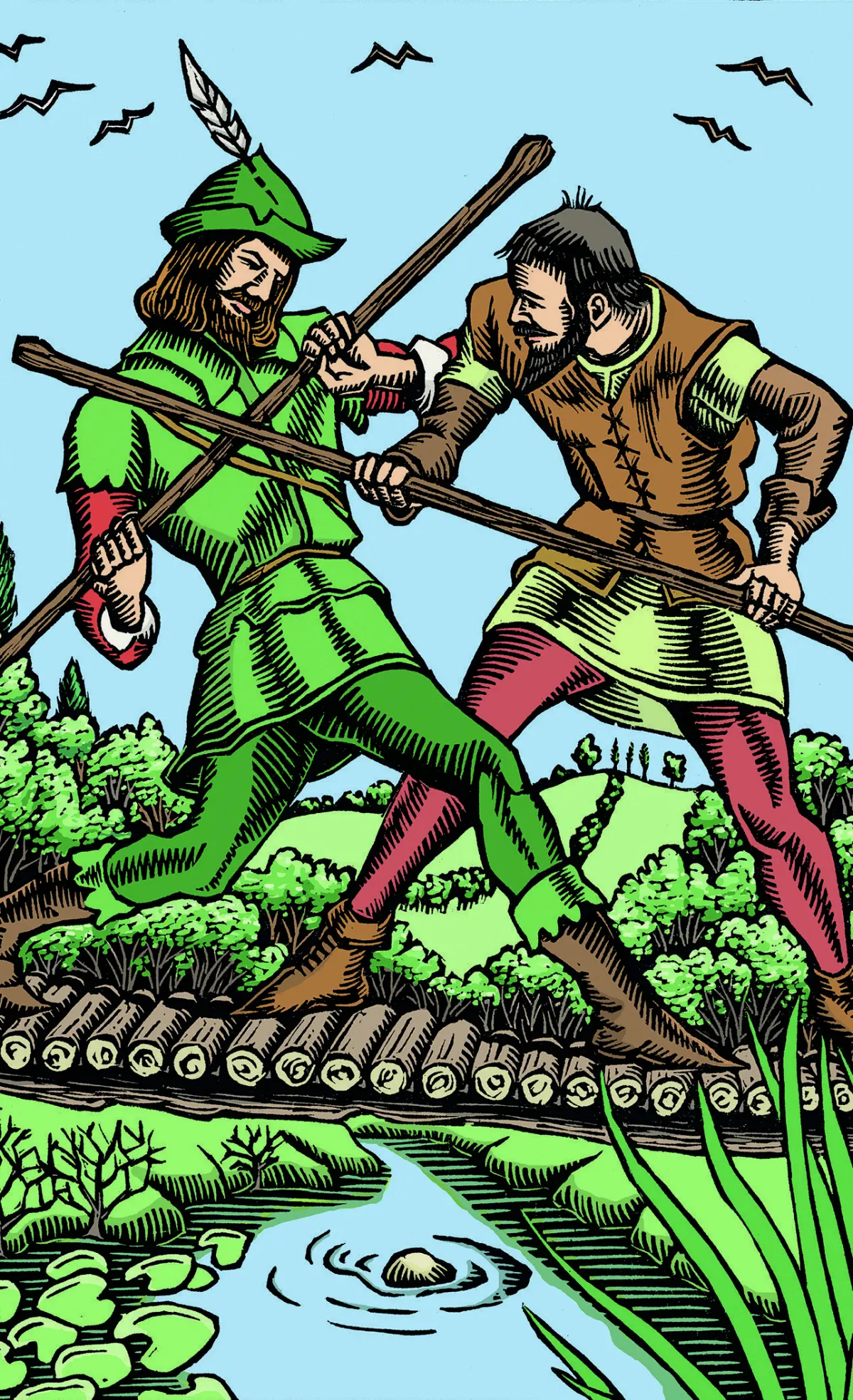
Over the following centuries, the character underwent significant evolution to suit the changing values of society. Early versions depicted him as a yeoman who fought against corrupt officials and church figures, rather than a dispossessed nobleman. The classic trope of "robbing from the rich and giving to the poor" was a much later addition, appearing in literature during the 16th century to solidify his role as a champion of social justice.
How did the Robin Hood myth evolve?
The character of Robin Hood has been continuously reshaped by authors and playwrights to reflect the political and social anxieties of their respective eras. During the Elizabethan period, writers began adding aristocratic elements to his backstory, transforming him into the Earl of Huntingdon to make him more palatable to noble audiences. This shift helped move the character away from his origins as a common criminal and toward the archetype of the righteous rebel.
Key elements were added to the legend during different historical periods:
- 15th Century: Robin is established as a skilled archer and a devotee of the Virgin Mary.
- 16th Century: The character of Maid Marian is introduced as his romantic interest.
- 17th Century: Friar Tuck joins the band, bringing a comedic and religious dimension to the group.
- 19th Century: The conflict with the Sheriff of Nottingham becomes a central, defining narrative arc.
Where can you visit Robin Hood sites?
While Robin Hood is a fictional character, the English landscape is filled with locations that claim a connection to his legend. Nottinghamshire remains the primary hub for this tourism, focusing heavily on the history of Sherwood Forest and the surrounding region. Visitors often seek out sites that provide a tangible sense of the medieval outlaw’s alleged stomping grounds, though these locations are often based on later folklore rather than archaeological evidence.
If you are planning a trip to explore these legendary sites, follow these steps to manage your expectations:
- Research the historical validity of the site before visiting, as many locations were branded as "Robin Hood" sites in the Victorian era to boost tourism.
- Visit the Major Oak in Sherwood Forest, which is famously associated with the outlaw, though it is likely too young to have sheltered a 13th-century figure.
- Explore the Nottingham Castle grounds, which offer a historical look at the Sheriff’s seat of power, even if the current structure is largely post-medieval.
- Check local museum schedules for exhibits on medieval legal history to understand the actual conditions of outlaws in the Middle Ages.
Common mistakes when researching Robin Hood
One of the most frequent errors researchers make is assuming that the earliest ballads represent the "true" version of the story. Because the legend was transmitted orally for generations, there is no original text to serve as a definitive source. Treating any single ballad as a factual biography ignores the reality that the character was designed to be fluid and adaptable. Another common mistake is attempting to force a specific historical date onto the legend, such as the reign of Richard the Lionheart.
Avoid these pitfalls to maintain historical accuracy:
- Do not assume that the presence of a "Robert Hood" in a 1225 court document proves the existence of the legendary hero.
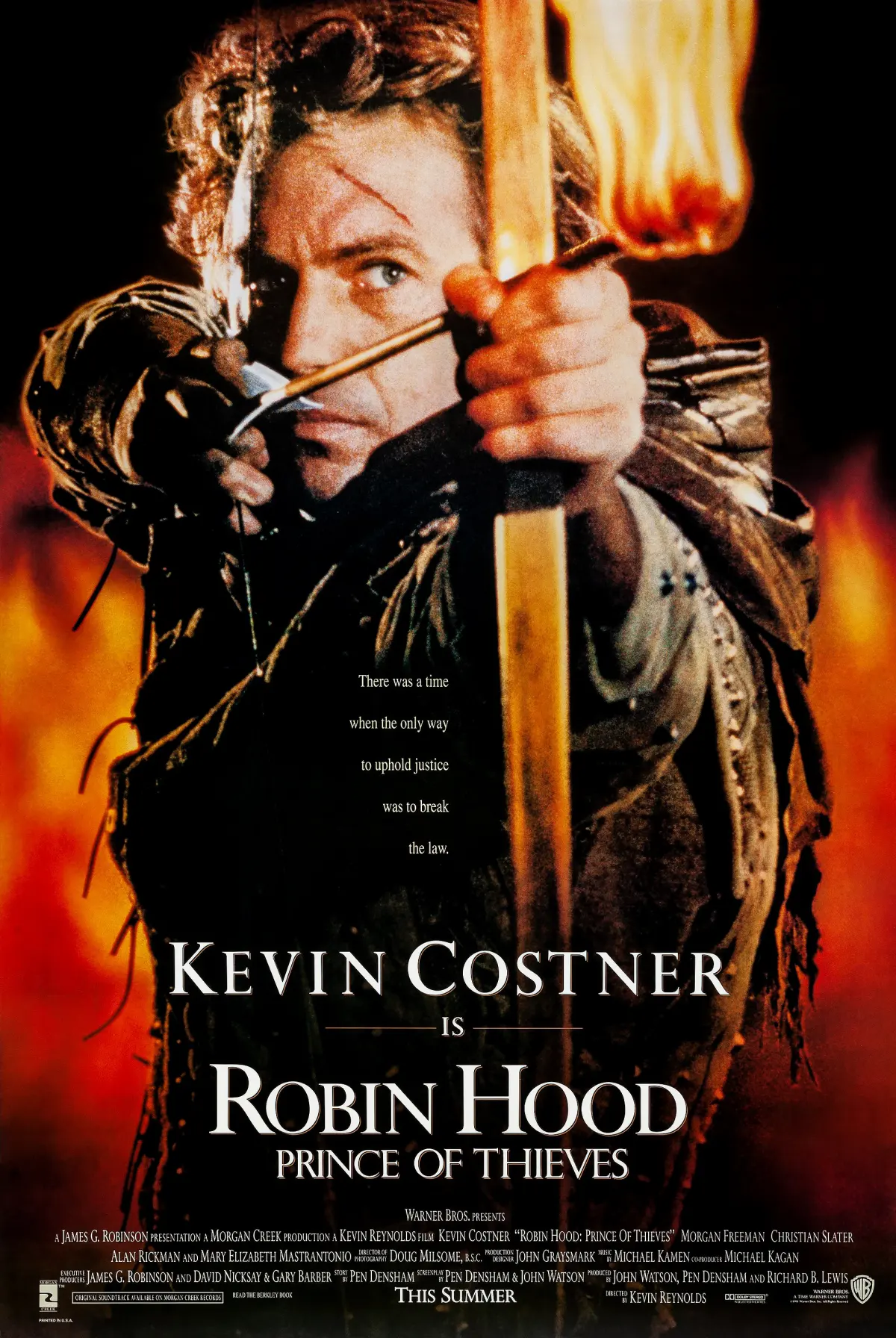
- Avoid conflating the romanticized, chivalrous Robin Hood of cinema with the brutal, pragmatic outlaw found in the earliest surviving manuscripts.
- Refrain from using 19th-century literature as a primary source for medieval social structures, as these works often project modern Victorian values onto the past.
- Remember that the "Merry Men" were not a static group, but rather a collection of archetypes that shifted in number and identity depending on the specific ballad or play being performed.
Key facts
- Robin Hood is a legendary English folk hero, traditionally depicted as a highly skilled archer and swordsman.
- The earliest surviving ballads featuring the character, such as "Robin Hood and the Monk," date back to the 15th century.
- Folklore places his base of operations in Sherwood Forest, located in Nottinghamshire, England.
- He is famously characterized as an outlaw who "robs from the rich and gives to the poor" to combat systemic corruption.
- Historical records from the 13th and 14th centuries contain several men named "Robin Hood" or "Robert Hood," though none definitively match the legendary figure.
- Modern interpretations often include his loyal band of "Merry Men," such as Little John, Friar Tuck, and Maid Marian.
The bottom line
Robin Hood remains one of history’s most enduring cultural icons, representing the universal human desire for justice against institutional tyranny. While he likely originated as a composite of various medieval outlaws rather than a single historical figure, his legend has evolved over centuries to reflect changing social ideals. Ultimately, he serves as a powerful symbol of resistance, embodying the archetypal hero who champions the marginalized against oppression.
People also ask
Did Robin Hood actually exist as a real person?
Historians have not found conclusive evidence of a single individual who inspired the legend. It is likely that the character is a composite figure based on various real-life outlaws, folk heroes, and medieval ballads.
Who is Maid Marian in the Robin Hood stories?
Maid Marian is the romantic interest of Robin Hood and a staple of the legend since the 16th century. She is often portrayed as a noblewoman who defies social expectations to join Robin in the forest.
Why was Robin Hood considered an outlaw?
In the ballads, Robin Hood is an outlaw because he lived outside the protection of the law and defied the corrupt Sheriff of Nottingham. This status was a common literary trope used to explore themes of justice and social inequality.
What is the significance of the Sheriff of Nottingham?
The Sheriff serves as the primary antagonist who represents the oppressive power of the state and the crown. His conflict with Robin Hood highlights the struggle between local authority and the common people.
Are there specific locations associated with Robin Hood today?
Nottinghamshire remains the center of the legend, with Sherwood Forest being the most famous site. Visitors can explore the Major Oak, a massive tree traditionally linked to Robin’s hideout, and various statues in Nottingham city center.
How has the character changed over time?
Early ballads depicted Robin as a violent, pragmatic outlaw, while later Victorian and modern versions transformed him into a romantic, altruistic hero. These shifts reflect the evolving moral values and storytelling preferences of different historical eras.
This answer was created with the help of AI research tools and reference sources. Spotted an error? Let us know — we correct mistakes quickly. See our editorial policy.