How long do robins live?
Short answer
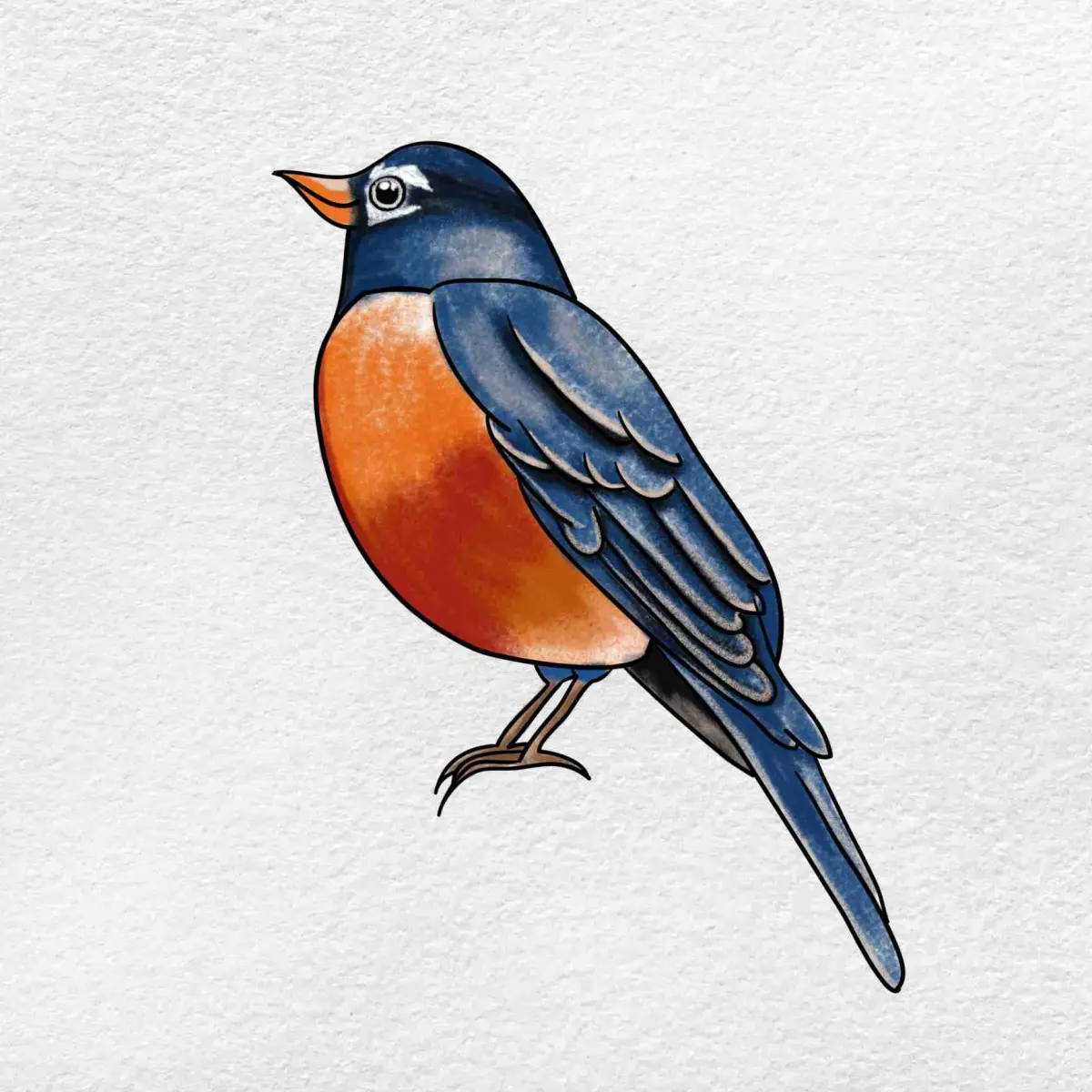
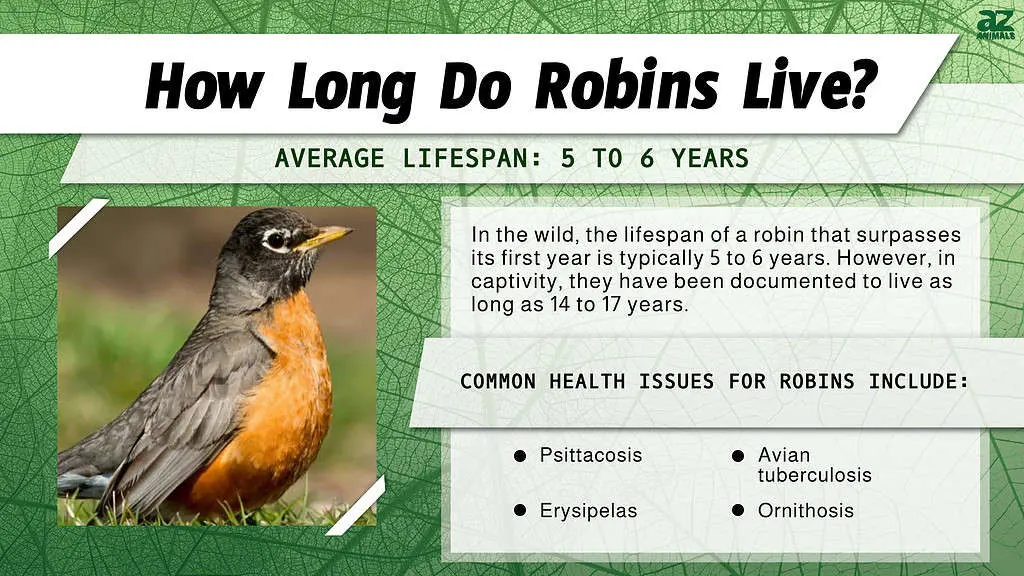
American robins typically live about two years in the wild. While many fledglings do not survive their first winter, adults that reach maturity can live significantly longer. The oldest recorded American robin lived to be nearly 14 years old, though such longevity is rare due to environmental hazards and natural predators.
On this page
How long do robins live in the wild?
The average lifespan of an American robin is significantly shorter than many people assume. Because of high mortality rates during the first year of life, most robins do not survive past their second year. Factors such as severe weather, limited food availability, and the constant threat of predators keep the average age low. However, if a robin successfully navigates its first year, its chances of surviving subsequent years increase as it gains experience in foraging and territory defense.
While two years is the statistical average, many individual birds live much longer. In protected environments or areas with abundant resources, robins can reach five or six years of age. The maximum lifespan recorded by ornithologists is 13 years and 11 months, proving that these birds are biologically capable of living over a decade under ideal conditions. Most birds, however, succumb to environmental stressors long before reaching their physiological limit.
What causes robin mortality?
Robins face a variety of threats that prevent them from reaching old age. Predation is the most immediate danger, as eggs and nestlings are vulnerable to snakes, squirrels, and blue jays. Adult robins must contend with hawks, owls, and domestic cats, which are responsible for a significant number of bird deaths annually. Additionally, exposure to harsh winter conditions can deplete a bird's energy reserves, leading to starvation when food sources like berries and insects become scarce.
Human-related factors also play a major role in reducing the lifespan of these birds. Collisions with windows and vehicles are common causes of accidental death. Furthermore, the use of pesticides in residential gardens can poison robins indirectly when they consume contaminated earthworms or insects. To help protect local robin populations, consider the following environmental safety measures:
- Keep domestic cats indoors, especially during the spring nesting season.
- Place decals or screens on large windows to prevent fatal bird strikes.
- Avoid using chemical pesticides and herbicides in your backyard to keep the food chain clean.
- Provide a reliable source of fresh water, such as a birdbath, to help birds stay hydrated.
How can you help robins survive longer?
Providing a supportive habitat is the most effective way to improve the survival rate of robins in your neighborhood. Robins are primarily ground feeders, so maintaining a healthy lawn that is free of toxic chemicals ensures they have access to a steady supply of earthworms and grubs. During the winter, when the ground is frozen, they shift their diet to fruit. Planting native berry-producing shrubs and trees can provide a life-saving food source during the leanest months of the year.
Beyond food, robins require safe nesting sites to raise their young successfully. They prefer dense shrubs or the sturdy branches of trees that offer concealment from predators. You can encourage nesting by keeping your yard relatively wild and undisturbed during the spring months. If you want to assist them further, follow these steps to create a bird-friendly environment:
- Plant native species like holly, serviceberry, or dogwood to provide winter food.
- Leave a portion of your yard un-mowed to encourage natural insect populations.
- Clean your birdbaths weekly to prevent the spread of avian diseases.
- Provide nesting materials like dried grass or twigs in a small basket during early spring.
Common mistakes when attracting robins
Many well-intentioned bird enthusiasts inadvertently create hazards for robins while trying to help. One common mistake is placing bird feeders or baths in locations that are too close to dense bushes where cats might hide. If you notice a cat in the area, move your feeding stations to an open space where the robins have a clear line of sight to detect approaching predators. Another error is offering the wrong type of food; robins rarely visit standard seed feeders because they are insectivores and frugivores.
Over-cleaning the yard is another frequent mistake that harms local bird populations. By removing all fallen leaves and dead wood, you eliminate the habitat for the insects and larvae that robins rely on for protein. Furthermore, using bird netting to protect fruit trees can be dangerous, as robins can easily become entangled and die. If you must protect your fruit, opt for physical barriers that are highly visible or use specialized, bird-safe mesh that prevents entrapment.
Why do robins migrate?
Migration is a survival strategy that significantly influences the lifespan of robins. While many people think of robins as harbingers of spring, they are actually partial migrants. Some populations stay in their breeding grounds year-round if food is available, while others travel south to avoid the worst of the winter weather. This journey is perilous, as it requires immense physical exertion and exposes the birds to unfamiliar environments, storms, and exhaustion.
The decision to migrate is driven by the need to find food rather than the cold itself. If a robin can find enough fruit and thawed ground to hunt for worms, it will often choose to stay put. This adaptability is one of the reasons robins are so successful across North America. By understanding that these birds are constantly balancing the risks of migration against the scarcity of winter food, you can better appreciate the resilience required for them to reach their full potential lifespan.
Key facts
- The average American robin lives about two years in the wild.
- Many robins die during their first year due to predation and harsh weather.
- A small percentage of robins can reach 10 to 14 years of age.
- Banding records show the oldest known wild robin lived to be nearly 14 years old.
- Providing a clean, shallow birdbath helps robins stay hydrated and maintain healthy feathers.
- Avoid using chemical pesticides in your yard to ensure robins have a safe, toxin-free food supply.
The bottom line
While the iconic American robin is a common sight in gardens, its life is often short and perilous. Most individuals survive only a couple of years due to environmental pressures, though some hardy birds can live over a decade. By maintaining a bird-friendly yard free of pesticides and providing fresh water, you can help support the health and longevity of these familiar songbirds in your neighborhood.
People also ask
Do robins migrate?
Many robins migrate south for the winter, though some remain in their breeding range if food is available. They often gather in large flocks during the winter months to forage for berries.
What do robins eat?
Robins primarily consume earthworms, insects, and various types of fruit. In the spring, they focus on protein-rich worms, while winter diets shift heavily toward berries and holly.
How can I tell if a robin is a juvenile?
Juvenile robins have speckled, spotted breasts rather than the solid, rust-colored chests seen in adults. These spots help camouflage the young birds as they learn to forage on the ground.
Why do robins pull worms from the ground?
Robins use their keen eyesight and hearing to locate worms moving near the surface of the soil. They grip the prey with their beaks and pull steadily until the worm is extracted.
Are robins aggressive toward other birds?
Yes, robins are highly territorial during the breeding season. They will often attack their own reflection in windows or chase away other birds that enter their nesting area.
How many eggs do robins lay?
A typical robin clutch consists of three to five light blue eggs. The female usually incubates the eggs for about two weeks before they hatch.
This answer was created with the help of AI research tools and reference sources. Spotted an error? Let us know — we correct mistakes quickly. See our editorial policy.