What do tortoises eat?
Short answer
Tortoises are primarily herbivores that require a high-fiber, low-protein, and calcium-rich diet to maintain healthy shell growth and digestive function. Their nutritional needs vary significantly by species, ranging from grazing on grasses and weeds to consuming leafy greens, flowers, and occasional succulents. Proper hydration and mineral supplementation are also essential components.
On this page
What do tortoises eat in the wild?
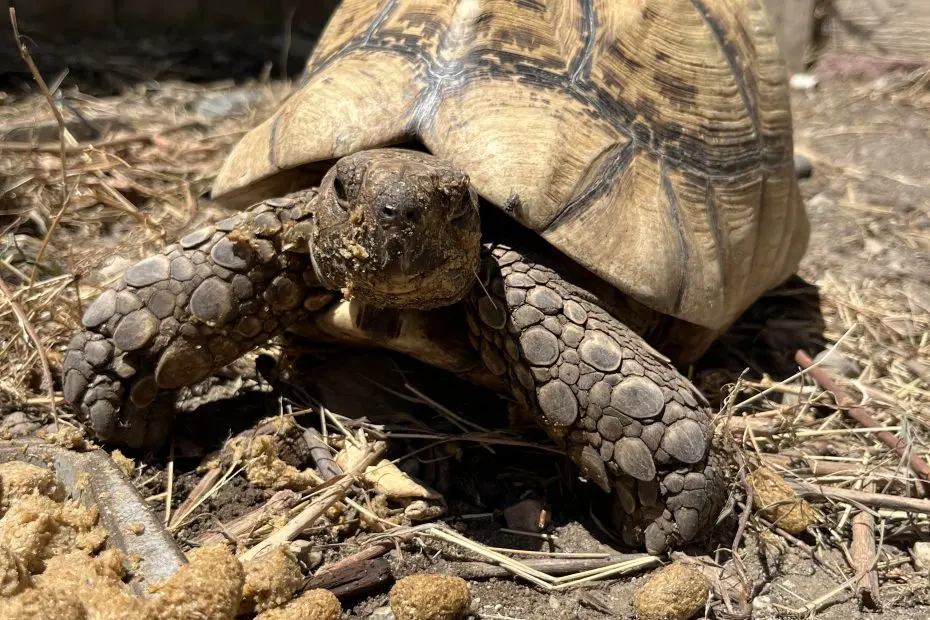
In their natural habitats, tortoises are opportunistic foragers that spend much of their day grazing on a wide variety of vegetation. Most species are strictly herbivorous, consuming grasses, clover, dandelion greens, plantain, and various succulents. These wild plants are typically high in fiber and low in sugar, which helps maintain a healthy gut microbiome and prevents rapid, unhealthy growth spurts.
The specific diet of a wild tortoise is dictated by its native environment. Desert species, such as the Sulcata tortoise, rely heavily on tough, dry grasses and hay. In contrast, forest-dwelling species might consume more fallen fruits, mushrooms, and leafy broadleaf plants. Because wild tortoises roam large territories, they encounter a diverse range of nutrients that are difficult to replicate in captivity. This natural variety ensures they receive the necessary trace minerals and vitamins required for longevity and reproductive success.
How to create a balanced tortoise diet
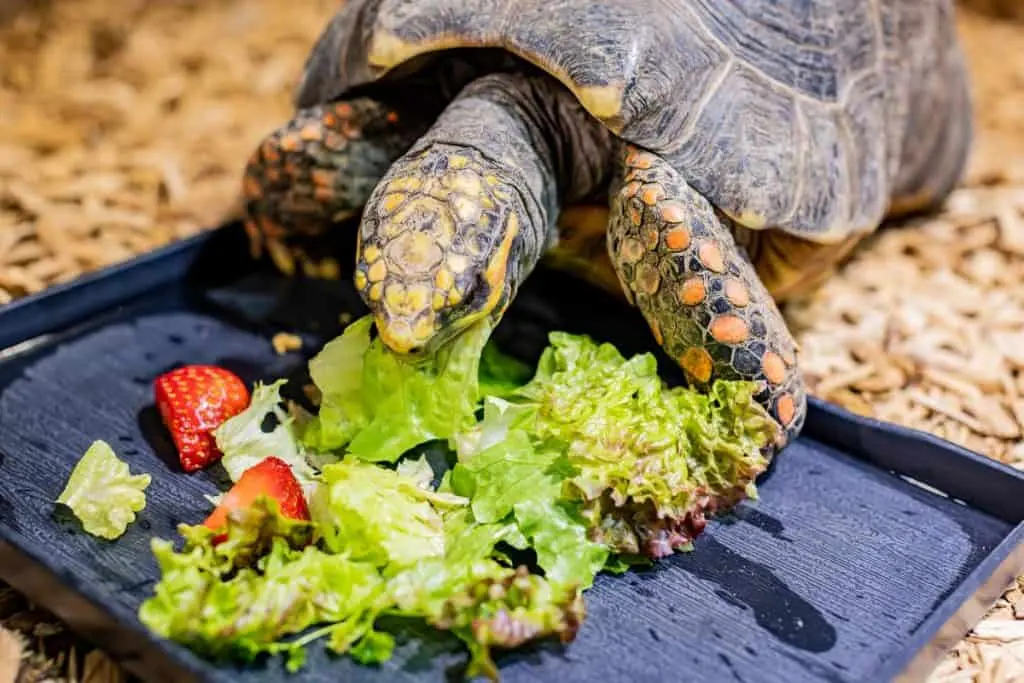
Feeding a captive tortoise requires mimicking the nutritional profile of their wild counterparts. A healthy diet should consist of approximately 80% leafy greens and 20% other vegetation, such as flowers or cactus pads. It is vital to prioritize dark, leafy greens over iceberg lettuce, which lacks nutritional value and consists mostly of water.
To ensure your tortoise remains healthy, follow these dietary guidelines:
- Use a base of endive, escarole, dandelion greens, and radicchio.
- Provide calcium supplements in powder form 2-3 times per week.
- Offer edible flowers like hibiscus, nasturtiums, and pansies as treats.
- Ensure constant access to fresh, clean water in a shallow dish.
- Avoid feeding commercial pellets as a primary food source, as they are often too high in protein.
Which foods should be avoided?
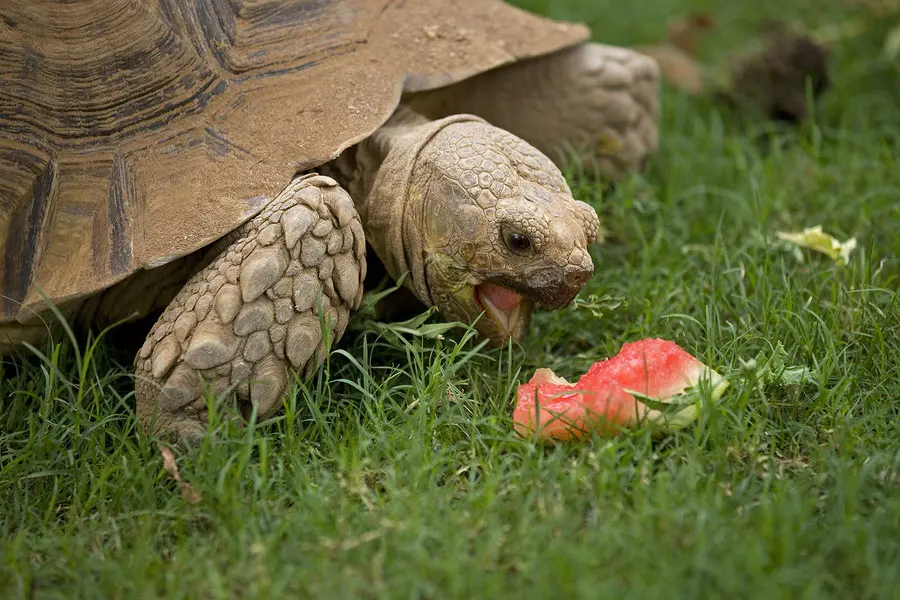
Many common human foods are toxic or nutritionally inappropriate for tortoises. High-sugar fruits, such as bananas or apples, should be avoided entirely, as they can cause severe digestive upset and promote the growth of harmful bacteria. Similarly, high-protein foods like dog food, cat food, or excessive legumes can lead to organ failure and shell deformities like pyramiding.
You should also be cautious of plants containing high levels of oxalates, such as spinach or beet greens, as these bind to calcium and prevent the tortoise from absorbing it properly. Furthermore, avoid any plants treated with pesticides or fertilizers, as these chemicals can be fatal. Always research specific plant species before introducing them to your tortoise’s enclosure to ensure they are non-toxic and safe for consumption.
Common mistakes when feeding tortoises
The most frequent error owners make is overfeeding or providing an unbalanced ratio of nutrients. Many beginners assume that because a tortoise is large, it requires large amounts of protein, but this is a dangerous misconception. Excessive protein intake causes the shell to grow too rapidly, leading to a permanent condition called pyramiding, where the scutes become lumpy and misshapen.
To correct or prevent these common feeding mistakes, follow these steps:
- Weigh your tortoise regularly to monitor for rapid, unhealthy weight gain.
- Limit fruit intake to rare, small treats, or eliminate it from the diet entirely.
- Replace food daily and remove any uneaten items to prevent mold growth.
- Provide a cuttlebone in the enclosure to allow the tortoise to self-regulate calcium intake.
- Avoid feeding "human" vegetables like broccoli or cauliflower, which can interfere with thyroid function.
How to manage hydration and supplements
Hydration is just as important as nutrition for a tortoise. While they obtain much of their water from fresh vegetation, they also require a shallow soaking dish that is easy to enter and exit. Many owners also perform "soaks"—placing the tortoise in lukewarm water for 15 minutes once or twice a week—to encourage hydration and bowel movements.
Supplementation is the final pillar of a healthy diet. Because indoor lighting often lacks the full spectrum of ultraviolet radiation found in the sun, tortoises cannot synthesize vitamin D3 efficiently. This makes calcium and D3 supplementation critical for preventing metabolic bone disease. Always use a high-quality reptile calcium powder and consult with an exotic animal veterinarian to tailor the dosage to your specific tortoise species and age. By maintaining a consistent schedule of hydration and supplementation, you will ensure your tortoise thrives for many decades to come.
Key facts
- Most tortoises are herbivores, meaning they require a diet consisting primarily of leafy greens, grasses, and flowers.
- Avoid feeding tortoises fruit, as the high sugar content can cause severe digestive issues and metabolic bone disease.
- Calcium supplementation is essential for shell health; provide a cuttlebone or calcium powder dusted on food twice weekly.
- Hydration is vital, so always provide a shallow dish of fresh water that the tortoise can easily climb into.
- Never feed tortoises iceberg lettuce, as it lacks nutritional value and consists mostly of water, which can lead to diarrhea.
- A varied diet is key; aim to provide a mix of weeds like dandelion, clover, and plantain rather than just grocery store greens.
The bottom line
Providing a healthy diet for a tortoise requires mimicking their natural grazing habits. Focus on a high-fiber, calcium-rich menu of weeds, grasses, and leafy greens while strictly avoiding sugary fruits and low-nutrient lettuces. By maintaining proper hydration, using necessary supplements, and ensuring a diverse range of plant matter, you will support your tortoise’s long-term health, shell integrity, and overall vitality throughout its long life.
People also ask
Can tortoises eat protein like meat or insects?
Most common pet tortoises, such as the Russian or Sulcata, are strict herbivores and should not eat meat or insects. Feeding protein to these species can cause kidney damage and shell deformities. Only specific tropical species, like the Red-footed tortoise, require small amounts of animal protein in their diet.
How often should I feed my tortoise?
Adult tortoises should be fed once a day, or even every other day depending on their species and activity level. Juveniles require daily feedings to support their rapid growth. Always remove any uneaten food after a few hours to prevent spoilage and bacterial growth.
Is it safe to feed tortoises store-bought vegetables?
While vegetables like kale, collard greens, and mustard greens are acceptable, they should be rotated frequently. Avoid feeding only one type of vegetable to prevent nutritional imbalances. Always wash produce thoroughly to remove pesticides before serving.
Why is my tortoise refusing to eat?
A loss of appetite is often linked to improper environmental temperatures, as tortoises need heat to digest food. Ensure your enclosure has a proper basking spot between 90 and 95 degrees Fahrenheit. If the temperature is correct and the tortoise still refuses food for several days, consult a veterinarian.
Should I use vitamin supplements for my tortoise?
Yes, a multivitamin supplement specifically formulated for reptiles should be used once a week. This ensures the tortoise receives necessary vitamins like A, D3, and E that might be missing from captive diets. Follow the dosage instructions on the product label carefully to avoid toxicity.
Can tortoises eat flowers from my garden?
Many flowers are excellent food sources, including hibiscus, nasturtiums, and rose petals. However, you must ensure the plants have not been treated with fertilizers, herbicides, or pesticides. Only feed flowers that you are certain are non-toxic and organic.
This answer was created with the help of AI research tools and reference sources. Spotted an error? Let us know — we correct mistakes quickly. See our editorial policy.