How long do tulips bloom?
Short answer
Tulips typically bloom for one to three weeks, depending on the variety and local weather conditions. Early-season tulips often last longer in cooler temperatures, while late-season varieties may fade faster if exposed to sudden heat. Proper site selection and consistent moisture help ensure you enjoy the full duration of their display.
On this page
How long do tulip varieties bloom?
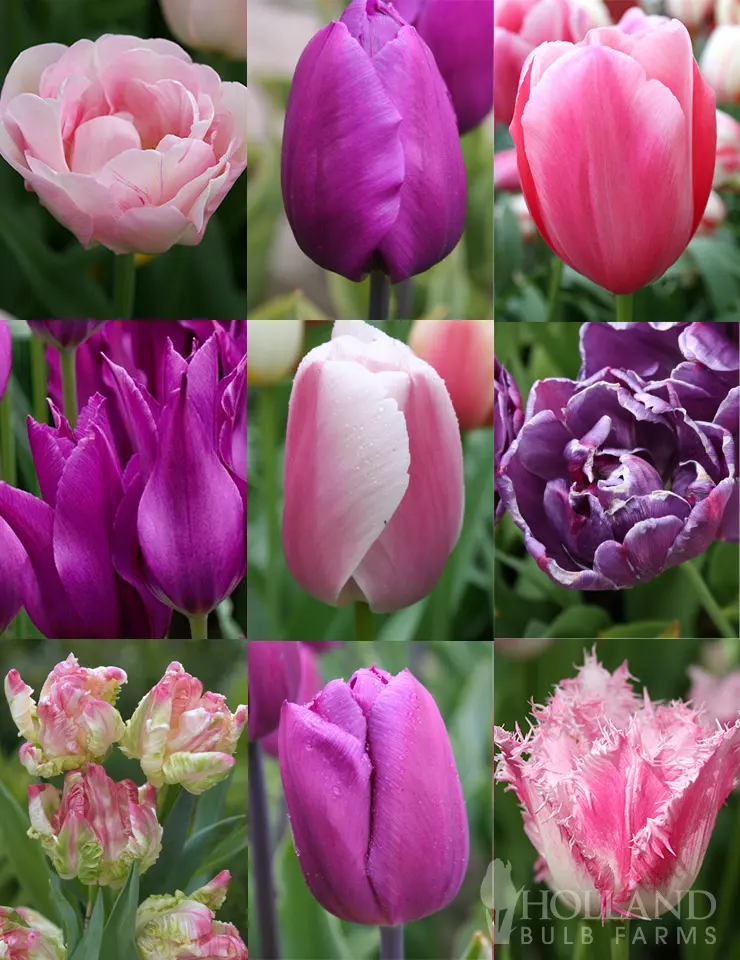
The duration of a tulip’s bloom is heavily influenced by its classification. Early-season tulips, such as Single Early or Fosteriana varieties, often emerge in late March or early April when temperatures remain cool. Because the air is crisp, these blooms can persist for up to three weeks. In contrast, late-season tulips like Darwin Hybrids or Parrot tulips arrive when the sun is stronger, often resulting in a shorter, more intense display that may last only seven to ten days.
Gardeners often group tulips by their bloom time to extend the spring season. By planting a mixture of early, mid-season, and late-season bulbs, you can enjoy continuous color for over a month. Keep in mind that extreme weather, such as a late frost or an unseasonable heatwave, can drastically shorten the lifespan of any tulip regardless of its classification.
How to make tulips last longer
Managing the environment around your tulips is the most effective way to prolong their bloom time. Tulips thrive in temperatures between 50°F and 65°F. If you anticipate a warm spell, providing partial shade during the afternoon can prevent the petals from opening too quickly or wilting under the heat. Additionally, keeping the soil consistently moist—but not waterlogged—supports the plant’s structural integrity.
To maximize the longevity of your display, follow these simple maintenance steps:
- Monitor soil moisture levels, ensuring the ground stays damp but well-drained.
- Apply a layer of mulch around the base of the stems to keep the root zone cool.
- Provide temporary shade using garden fabric or umbrellas during periods of intense, direct afternoon sunlight.
- Avoid fertilizing once the buds begin to show color, as this can encourage rapid, unsustainable growth.
Why do tulips bloom for such a short time?
Tulips are geophytes, meaning they store energy in their bulbs to survive dormant periods. Their primary biological goal is to produce flowers and seeds to ensure the next generation. Once the tulip has been pollinated, the plant naturally shifts its energy away from the showy petals toward the development of the seed pod and the replenishment of the bulb for the following year. This biological transition is why petals often drop shortly after the flower reaches its peak.
Environmental stressors also play a significant role in the brevity of the bloom. Tulips are native to mountainous regions with distinct seasonal shifts. When planted in gardens with high humidity, heavy rainfall, or fluctuating temperatures, the plant may experience stress that triggers an earlier senescence. If a tulip is forced to expend too much energy fighting off pests or disease, it will often sacrifice its floral display to preserve the bulb’s long-term health.
Common mistakes when growing tulips
Many gardeners inadvertently shorten the bloom time through improper planting or care. One frequent error is planting bulbs too shallowly, which exposes them to heat fluctuations that can cause the plant to bloom prematurely. Another common issue is removing the foliage too soon after the flowers fade. The leaves must remain intact to photosynthesize and store energy for the next season; cutting them back while they are still green will weaken the bulb and result in smaller, shorter-lived flowers in the future.
To avoid these common pitfalls, adhere to these professional recommendations:
- Plant bulbs at a depth of at least three times the height of the bulb to provide insulation.
- Ensure the site has excellent drainage, as standing water leads to bulb rot and poor flower quality.
- Wait until the foliage has turned completely yellow or brown before trimming it back to the ground.
- Avoid planting tulips in areas with high foot traffic, as the stems are brittle and easily damaged.
Best tips for tulip care after blooming
Once the petals fall, the work is not finished. The post-bloom phase is critical for ensuring that your tulips return with equal vigor the following spring. Deadheading—the process of removing the spent flower head—is highly recommended. By cutting off the flower stalk just below the bloom, you prevent the plant from wasting energy on seed production. This allows the plant to redirect all its remaining resources into the bulb, which is essential for successful perennializing.
After deadheading, continue to water the plants as long as the foliage remains green. This period of active growth is when the bulb builds up its reserves for the next year. If you live in a region with very wet summers, some gardeners choose to lift the bulbs after the foliage yellows, storing them in a cool, dry place until autumn. However, if your soil is well-drained, leaving them in the ground is usually perfectly fine for most modern hybrid varieties.
Key facts
- Most tulip varieties bloom for a period of one to three weeks during the spring season.
- Early-season tulips typically begin flowering in late March or early April, depending on the local climate.
- Late-season tulips often bloom in May, extending the garden's color display well into the spring.
- Cooler temperatures prolong the life of tulip blossoms, while intense heat can cause petals to drop prematurely.
- Deadheading, or removing faded flowers, prevents the plant from wasting energy on seed production.
- Planting a mix of early, mid, and late-season varieties can provide a continuous bloom cycle for up to six weeks.
The bottom line
The duration of a tulip’s bloom is relatively short, typically lasting between one and three weeks. By strategically selecting a combination of early, mid, and late-season varieties, gardeners can enjoy a vibrant display that spans nearly two months. Proper care, such as allowing foliage to die back naturally and ensuring adequate sunlight, is essential for maintaining bulb health and ensuring your garden thrives year after year.
People also ask
Why do my tulips only bloom for one year?
Many modern hybrid tulips are bred for maximum impact in their first year but lack the vigor to return. To ensure perennial performance, look for Darwin Hybrid or species tulip varieties that are specifically labeled for multi-year blooming.
Should I cut back the foliage after the flowers fade?
You must leave the leaves intact until they turn yellow and wither naturally. The foliage collects sunlight to store energy in the bulb for next year’s growth, so cutting it early will weaken or kill the plant.
Do tulips need full sun to bloom properly?
Tulips require at least six to eight hours of direct sunlight each day to produce strong stems and vibrant flowers. Planting them in deep shade often results in weak, leggy growth and a failure to bloom.
How deep should I plant tulip bulbs?
Plant bulbs at a depth of six to eight inches, measured from the base of the bulb to the soil surface. Proper depth protects the bulb from temperature fluctuations and helps prevent animals from digging them up.
Can I force tulips to bloom indoors?
Yes, you can force tulips by chilling bulbs in a refrigerator for 10 to 14 weeks to simulate winter. After this period, plant them in pots and move them to a cool, bright area to trigger growth.
Why are my tulip stems drooping?
Drooping is often caused by insufficient water or extreme heat during the blooming phase. Ensure the soil remains consistently moist but well-drained, and provide temporary shade if a sudden heat wave hits during the flowering period.
This answer was created with the help of AI research tools and reference sources. Spotted an error? Let us know — we correct mistakes quickly. See our editorial policy.