Are wasps dangerous to humans?
Short answer
Wasps are generally not dangerous to humans unless they feel threatened or their nests are disturbed. While most species are solitary and docile, social wasps like yellowjackets and hornets can deliver painful stings if provoked. For the vast majority of people, a sting causes localized pain, swelling, and itching rather than life-threatening reactions.
On this page
Are wasps aggressive toward humans?
Wasps are often misunderstood as inherently aggressive predators, but most species are simply focused on foraging for nectar or hunting insects to feed their larvae. Solitary wasps, such as mud daubers or cicada killers, rarely sting unless handled directly, as they lack a colony to defend. Their primary goal is survival, not conflict with humans.
Social wasps, including yellowjackets, paper wasps, and hornets, act differently because they have a nest to protect. These insects will aggressively defend their territory if they perceive a threat, such as a lawnmower vibration or a person standing too close to an entrance. When a social wasp stings, it releases alarm pheromones that signal other colony members to join the defense, which can lead to multiple stings.
Understanding the difference between these types is key to coexistence. If you see a wasp flying near a flower, it is likely uninterested in you. However, if you notice a high volume of traffic entering a hole in the ground or a wall void, you are likely near a colony that requires caution.
How to identify dangerous wasp species
Not all wasps pose the same level of risk. Identifying the species can help you determine the appropriate level of caution to exercise when working or relaxing outdoors.
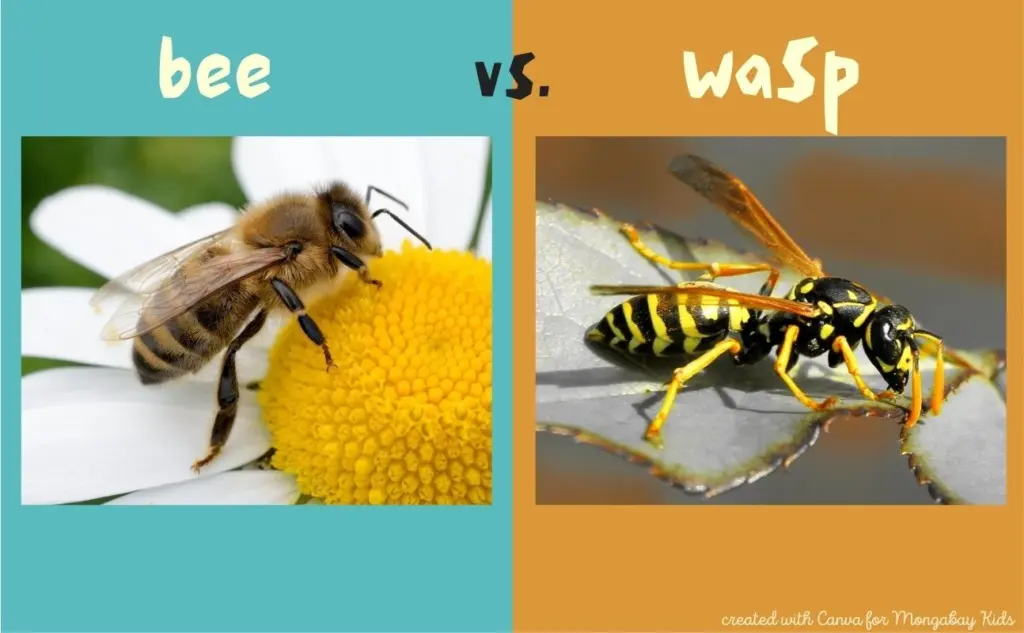
- Yellowjackets: Small, black-and-yellow wasps that often build nests in the ground or wall voids. They are scavengers and are frequently attracted to human food and sugary drinks.
- Hornets: Larger than yellowjackets, these wasps build papery, football-shaped nests in trees or under eaves. The bald-faced hornet is particularly defensive of its nest.
- Paper Wasps: These insects build open, umbrella-shaped nests under eaves or porch ceilings. They are generally less aggressive than yellowjackets but will sting if the nest is touched.
- Mud Daubers: These are solitary, thread-waisted wasps that build mud tubes. They are very docile and rarely sting humans.
Because yellowjackets are scavengers, they are the most common culprits for stings during outdoor picnics and barbecues. Their persistence in seeking out soda, fruit, and meat often brings them into direct contact with people, increasing the chance of an accidental sting.
What to do if you get stung
If you are stung by a wasp, the immediate priority is to move away from the area to avoid further stings. Once you are in a safe location, follow these steps to manage the reaction:
- Wash the sting site thoroughly with soap and water to prevent infection.
- Apply a cold pack or ice wrapped in a cloth to the area for 10 minutes at a time to reduce swelling and pain.
- Use an over-the-counter antihistamine or hydrocortisone cream to alleviate itching and localized inflammation.
- Elevate the affected limb if the sting occurred on an arm or leg to minimize throbbing.
Most stings resolve within a few days. However, seek emergency medical attention if you experience signs of a severe allergic reaction, known as anaphylaxis. Symptoms include difficulty breathing, swelling of the throat or tongue, dizziness, or hives spreading away from the sting site. If you have a known allergy, always carry an epinephrine auto-injector.
Common mistakes when dealing with wasps
Many people inadvertently provoke wasps by acting out of fear rather than logic. One of the most common mistakes is swatting at a wasp that is flying nearby. Rapid movement is interpreted by the insect as an attack, which triggers a defensive response. Instead of swatting, move slowly and calmly away from the area.
Another frequent error is attempting to remove a nest without proper protective gear or experience. Using a ladder to reach a high nest or spraying a colony with a standard aerosol can often leads to being swarmed. If a nest is in a high-traffic area, it is safer to hire a professional pest control service.
- Do not use bright, floral-patterned clothing, which can attract wasps.
- Avoid wearing strong perfumes or colognes, as these scents can mimic floral cues.
- Never block the entrance to a wasp nest, as the insects will simply find a new way out, potentially inside your home.
- Do not leave sugary drinks or food scraps uncovered during outdoor meals.
Why wasp stings happen in summer
Wasp activity peaks in late summer and early autumn, which is when most human-wasp encounters occur. During this time, the colony population is at its largest, and the workers are frantically searching for food to support the developing brood. As natural insect populations dwindle, wasps become increasingly desperate and turn to human food sources to satisfy their nutritional needs.
This seasonal shift explains why wasps seem more "interested" in humans during August and September than they do in May or June. While they are a nuisance, they also provide ecological benefits by controlling populations of garden pests like caterpillars and aphids. By keeping food covered and maintaining a respectful distance from identified nests, you can minimize the risk of stings while allowing these insects to continue their beneficial work in the ecosystem.
Key facts
- Most wasp species are solitary and non-aggressive, focusing on hunting pests rather than humans.
- Social wasps, such as yellowjackets and hornets, become defensive only when they perceive a threat to their nest.
- Unlike honeybees, wasps possess smooth stingers that allow them to sting multiple times without dying.
- Wasps release alarm pheromones when they sting, which can signal other members of the colony to attack.
- Avoid swatting or flailing your arms, as rapid movement is interpreted by wasps as an act of aggression.
- If you encounter a nest, keep a distance of at least 10 to 20 feet to avoid triggering a defensive response.
The bottom line
While wasps are often perceived as dangerous, they are vital components of the ecosystem that provide natural pest control. Most encounters are harmless if you remain calm and avoid disturbing nests. By understanding their defensive behaviors and keeping food sources secure, you can coexist safely. If you suspect an allergy or encounter a large nest near your home, prioritize professional assistance over risky DIY removal methods.
People also ask
What should I do if I am stung by a wasp?
Wash the area with soap and water, then apply a cold pack to reduce swelling. If you experience difficulty breathing, dizziness, or facial swelling, seek emergency medical attention immediately as these are signs of an allergic reaction.
Are all wasps aggressive toward humans?
No, the majority of the world's 30,000 wasp species are solitary and rarely interact with humans. Aggression is primarily a trait of social wasps, such as the Vespula genus, which defend their nests vigorously.
How can I keep wasps away from my picnic?
Keep food covered and dispose of trash in sealed containers to prevent attracting foraging wasps. Avoid wearing bright colors or strong floral perfumes, as these can mistakenly attract insects looking for nectar.
Is it safe to remove a wasp nest myself?
It is generally unsafe to remove a nest without professional equipment, especially if it is large or located in a difficult area. Attempting removal often leads to multiple stings, particularly if you use DIY methods like spraying water or fire.
Why do wasps seem more aggressive in late summer?
As summer ends, food sources like nectar become scarce, and the colony's focus shifts from raising young to foraging for sugar. This increased competition for food makes them more persistent and bold around human meals.
Can wasp stings be fatal?
While a single sting is usually just painful for most people, it can be fatal for those with severe venom allergies. Anaphylaxis can occur within minutes, making it critical for allergic individuals to carry an epinephrine auto-injector.
This answer was created with the help of AI research tools and reference sources. Spotted an error? Let us know — we correct mistakes quickly. See our editorial policy.