What is Kelowna known for?
Short answer
Kelowna is the largest city in British Columbia’s Okanagan Valley, celebrated for its temperate climate, expansive lakefront, and thriving viticulture. It serves as a premier destination for outdoor recreation, including boating, hiking, and skiing. The region is internationally recognized for its award-winning wineries, lush orchards, and a vibrant, growing urban culture.
On this page
Why is Kelowna famous for wine?
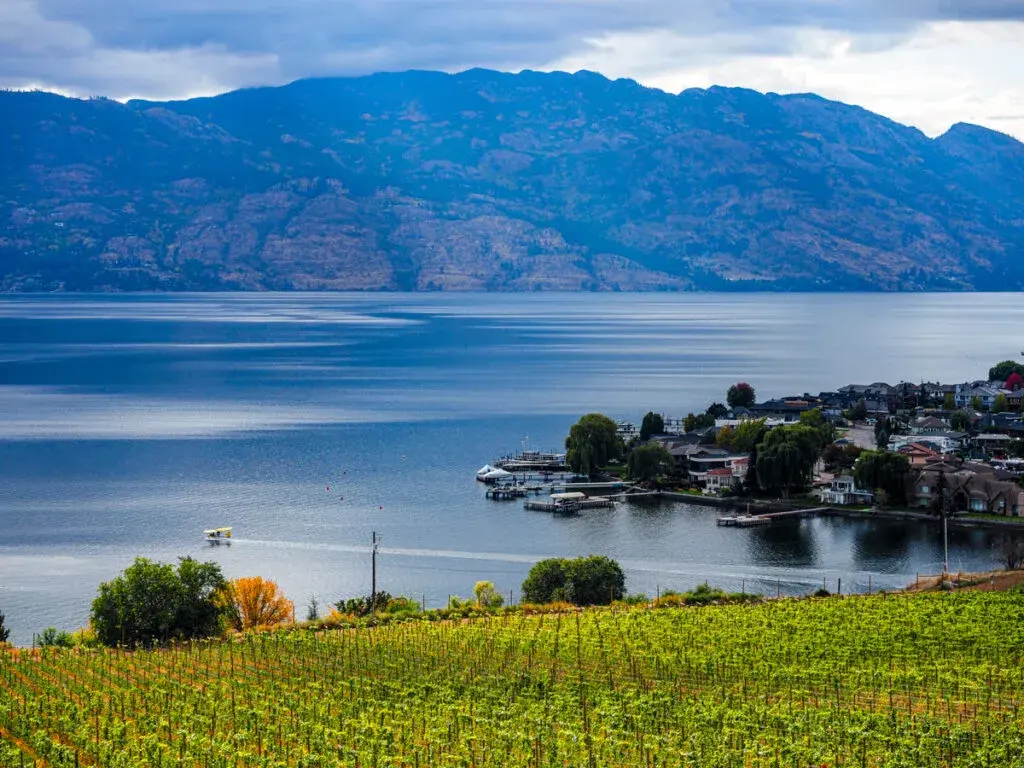
The Okanagan Valley is Canada’s premier wine-growing region, and Kelowna sits at its heart. The unique combination of a semi-arid climate, long daylight hours, and the moderating influence of Okanagan Lake creates ideal conditions for cool-climate viticulture. This geography allows vintners to produce high-quality Pinot Noir, Chardonnay, and Riesling that compete on a global stage. The region is home to over 40 wineries within a short drive of the city center, ranging from historic estates to modern, architectural marvels.
Visitors often participate in self-guided tours or organized excursions that highlight the diversity of the local terroir. The wine industry here is not just about production; it is a lifestyle that emphasizes farm-to-table dining and scenic vineyard views. To make the most of a wine tour, consider these tips:
- Book tastings in advance, especially during the peak summer months of July and August.
- Focus on a specific sub-region, such as the East Kelowna Bench or the Lakeshore Wine Route, to minimize travel time.
- Hire a professional tour operator if you plan on visiting more than three wineries to ensure safety and convenience.
What are the best outdoor activities in Kelowna?
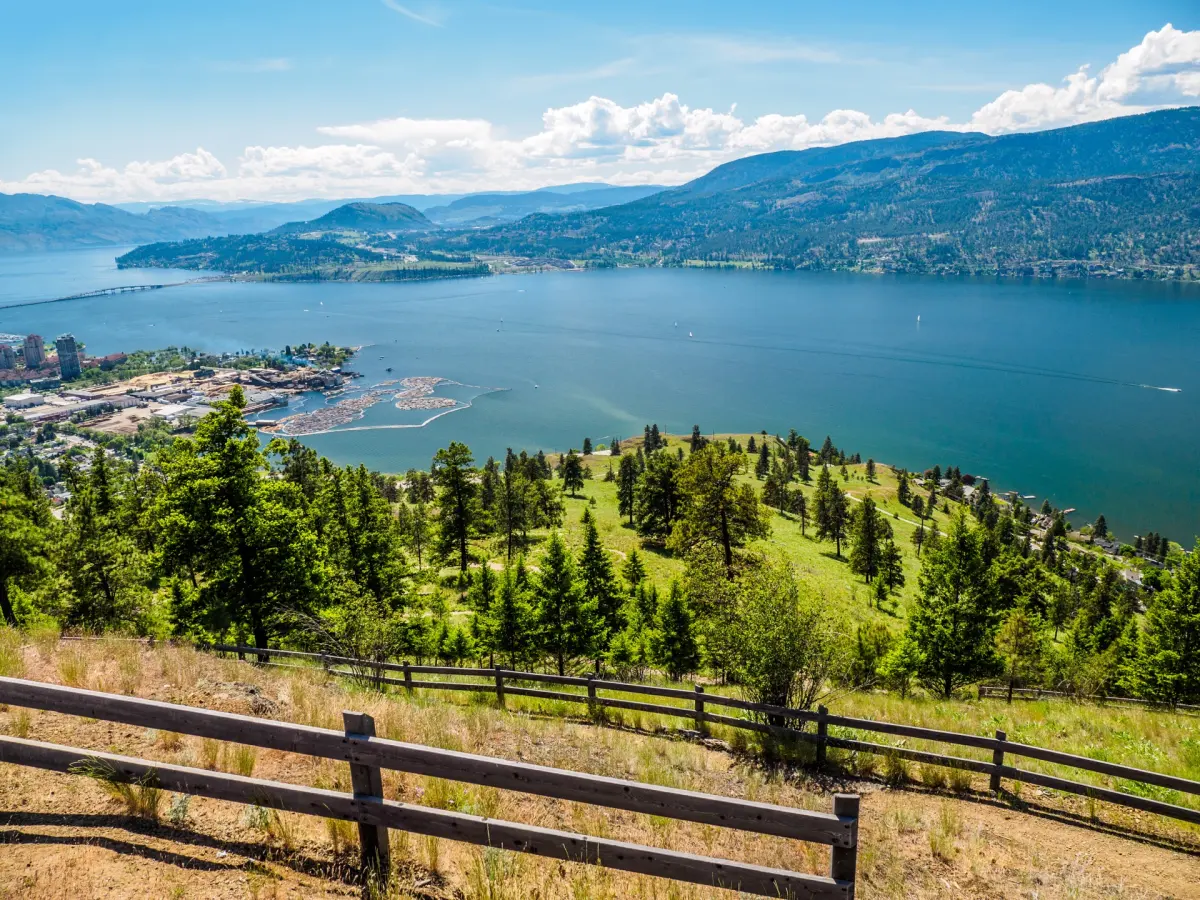
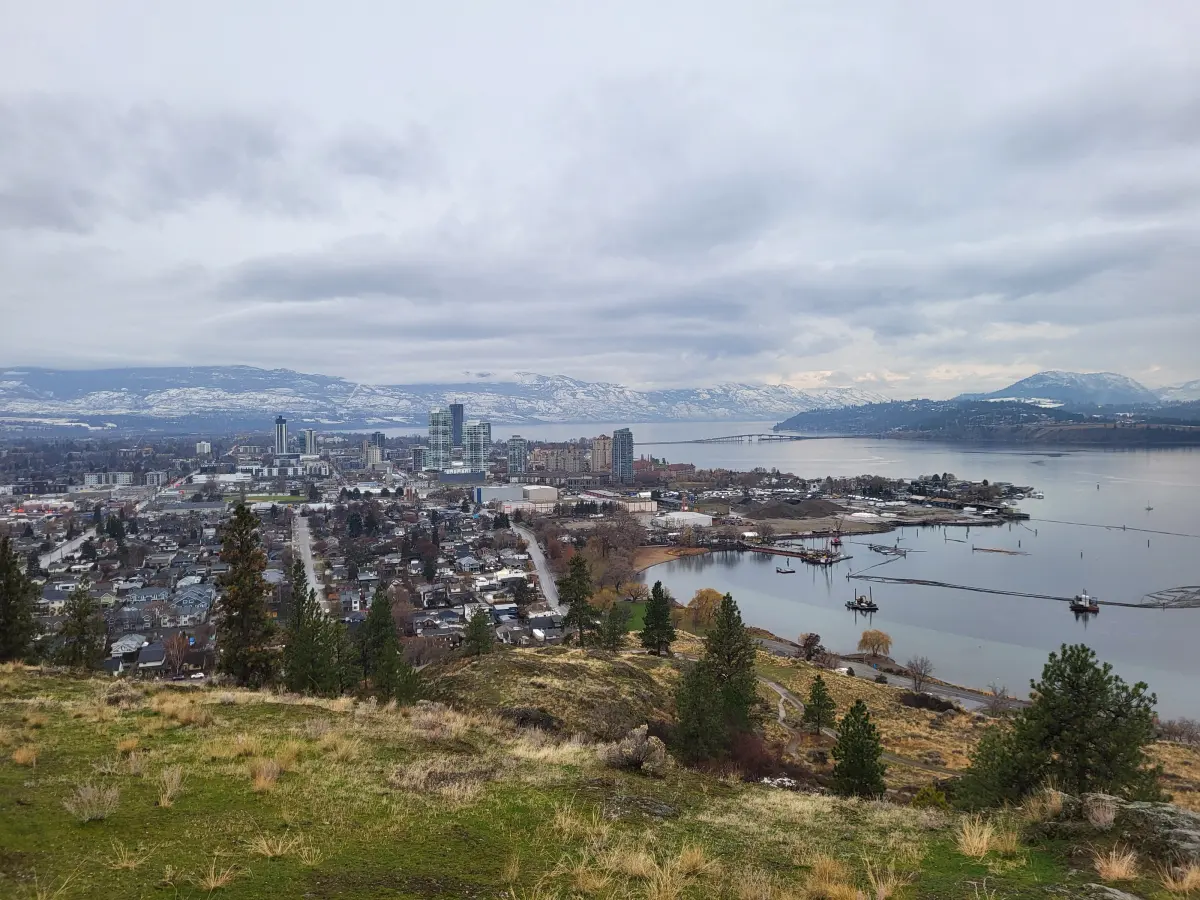
Kelowna’s landscape is defined by the massive, 135-kilometer-long Okanagan Lake, which serves as the primary hub for summer recreation. Residents and tourists alike flock to the water for boating, paddleboarding, and swimming at popular spots like Hot Sands Beach in City Park. Beyond the lake, the city is surrounded by rolling hills and mountains that offer an extensive network of trails for hikers and mountain bikers. Knox Mountain Park, located just north of the downtown core, provides panoramic views of the city and the lake, making it a must-visit for photographers and nature enthusiasts.
For those seeking more structured outdoor experiences, the region offers several accessible options:
- Rent a bicycle and ride a section of the Myra Canyon Trestles, part of the historic Kettle Valley Railway.
- Hike the Apex Trail in Knox Mountain Park for a moderate challenge with rewarding vistas.
- Visit the Okanagan Lavender & Herb Farm in the summer to walk through aromatic, blooming fields.
- Spend an afternoon at Waterfront Park, which features a boardwalk, gardens, and public art installations.
How do you plan a trip to Kelowna?
Planning a trip to Kelowna requires consideration of the seasonal shifts, as the city offers vastly different experiences depending on the time of year. Summer is the most popular season, characterized by hot, dry weather perfect for beach days and patio dining. However, this popularity leads to higher prices and increased traffic. Spring and autumn are often considered the "hidden gems" of the travel calendar, offering mild temperatures, fewer crowds, and the opportunity to witness the vibrant fruit blossoms or the changing colors of the vineyards.
When organizing your itinerary, avoid the common mistake of trying to see too much in a single day. The city and its surrounding areas are spread out, and traffic can become congested on the William R. Bennett Bridge during peak hours. Instead, group your activities by geographic location. For example, dedicate one day to the wineries of East Kelowna and another to the beaches and downtown culture. Always check the local weather forecast before heading into the mountains, as conditions can change rapidly even in the shoulder seasons.
Why is Kelowna a top destination for families?
Kelowna is widely considered one of the most family-friendly cities in Western Canada due to its blend of safe urban spaces and accessible nature. The city’s infrastructure is designed with families in mind, featuring numerous public parks, splash pads, and community centers. The Kangaroo Creek Farm is a perennial favorite for children, offering the unique chance to interact with wallabies, capybaras, and parrots in a controlled environment. Additionally, the region’s agricultural heritage means that families can enjoy U-pick orchards, where they can harvest fresh cherries, peaches, or apples depending on the season.
During the winter months, the focus shifts to Big White Ski Resort, located about an hour’s drive from the city. It is one of Canada’s most popular family ski destinations, known for its "champagne powder" and extensive ski school programs. To ensure a smooth family trip, keep these points in mind:
- Look for accommodation with kitchen facilities to manage meal times and dietary needs easily.
- Research local events, as the city hosts numerous festivals throughout the year that often include dedicated children's zones.
- Pack layers, regardless of the season, to accommodate the temperature fluctuations between the valley floor and the higher elevations.
What are the common mistakes when visiting Kelowna?
One of the most frequent errors visitors make is underestimating the distance between the city’s various attractions. While the downtown core is walkable, the best wineries, hiking trails, and orchards are often located in rural or suburban pockets that require a vehicle. Relying solely on ride-sharing services can become expensive and unreliable during busy weekends. Another mistake is ignoring the importance of hydration and sun protection. The Okanagan Valley experiences intense sun exposure, especially near the reflective surface of the lake, which can lead to rapid dehydration or sunburn if not properly managed.
Finally, travelers often overlook the importance of local etiquette regarding the environment. Kelowna prides itself on its natural beauty, and visitors are expected to practice "Leave No Trace" principles while hiking or boating. Do not feed wildlife, stay on marked trails to protect sensitive vegetation, and always dispose of waste in designated bins. By respecting the local ecosystem and planning your logistics with care, you can ensure a seamless and enjoyable experience in British Columbia’s premier lakeside city.
Key facts
- Kelowna is the largest city in the Okanagan Valley, located on the shores of Okanagan Lake in British Columbia, Canada.
- The region is home to over 40 wineries, with the Okanagan wine industry contributing significantly to the local economy.
- Summer temperatures frequently exceed 30°C (86°F), making the lakefront a primary destination for boating and water sports.
- Big White Ski Resort, located 56 kilometers from the city, is one of Canada’s largest ski areas and receives an average of 7.5 meters of snow annually.
- The city hosts the annual Kelowna Wine Country Half Marathon, which draws thousands of runners to the scenic vineyard routes.
- Visitors should avoid traveling during peak wildfire season in late summer, as smoke can occasionally impact air quality and outdoor visibility.
The bottom line
Kelowna serves as the vibrant heart of British Columbia’s interior, balancing high-end viticulture with rugged outdoor adventure. Whether you are touring world-class vineyards, skiing at Big White, or relaxing on the shores of Okanagan Lake, the city offers a diverse four-season experience. By planning your trip around the seasonal harvests and snow conditions, you can fully enjoy the unique climate and culture of this lakeside destination.
People also ask
What is the best time of year to visit Kelowna?
The ideal time to visit is between June and September for warm weather and lake activities. If you prefer winter sports, January and February offer the best snow conditions at nearby resorts.
Is Kelowna considered a desert climate?
Kelowna features a semi-arid climate characterized by hot, dry summers and cool winters. While it is not a true desert, the region receives significantly less precipitation than the coastal areas of British Columbia.
How do I get around Kelowna without a car?
The city operates a public transit system called Kelowna Regional Transit, which connects major hubs and neighborhoods. For tourist areas, cycling along the Okanagan Rail Trail is a highly efficient and popular alternative.
What is the legend of the Ogopogo?
The Ogopogo is a mythical lake monster said to inhabit Okanagan Lake, similar to the Loch Ness Monster. While there is no scientific evidence for its existence, it remains a famous piece of local folklore.
Can you swim in Okanagan Lake?
Yes, the lake is the primary recreational hub for the city and features numerous public beaches like Hot Sands Beach. Water temperatures are typically comfortable for swimming from late June through August.
What are the must-try local foods in Kelowna?
The region is famous for its fresh orchard fruit, particularly cherries, peaches, and apples. Additionally, the farm-to-table dining scene emphasizes locally sourced ingredients paired with regional wines.
This answer was created with the help of AI research tools and reference sources. Spotted an error? Let us know — we correct mistakes quickly. See our editorial policy.