What is Hanoi known for?
Short answer
Hanoi is the historic capital of Vietnam, celebrated for its thousand-year-old architecture, vibrant street food culture, and the chaotic charm of its Old Quarter. It serves as a cultural bridge between ancient traditions and modern development, offering visitors a unique blend of French colonial influence, Buddhist temples, and bustling urban life.
On this page
Why is Hanoi famous for its food?
Hanoi is widely considered the culinary heart of Vietnam, famous for dishes that balance fresh herbs, savory broths, and delicate textures. The city’s street food culture is deeply ingrained in daily life, with vendors specializing in a single dish perfected over generations. Visitors often find that the most authentic experiences occur on low plastic stools placed directly on the sidewalk.
The city is the birthplace of several iconic Vietnamese staples that have gained international acclaim. When exploring the local palate, keep these essential dishes in mind:
- Phở Bò: A fragrant beef noodle soup that is traditionally eaten for breakfast.
- Bún Chả: Grilled pork served with cold vermicelli noodles and a side of dipping sauce.
- Chả Cá Lã Vọng: Turmeric-marinated fish fried with dill and green onions.
- Egg Coffee: A rich, creamy concoction made with whisked egg yolk and condensed milk.
To enjoy the food scene like a local, prioritize stalls that focus on one specific item rather than those with extensive, multi-page menus. High turnover at a stall is a reliable indicator of freshness and quality. Avoid eating raw vegetables or ice if you have a sensitive stomach, though most established street vendors in central districts maintain high standards.
What is the history of the Old Quarter?
The Old Quarter is the soul of Hanoi, characterized by its narrow, winding streets that date back to the 13th century. Each street was historically named after the specific craft or guild that operated there, such as Hàng Bạc for silversmiths or Hàng Gai for silk traders. Today, many of these streets still retain their traditional focus, creating a living museum of artisan history.
Navigating this district requires patience, as the area is a dense labyrinth of colonial-era architecture, tube houses, and hidden temples. The preservation of these structures provides a rare glimpse into the city's pre-colonial and French-influenced past. Key sites to visit include:
- Bach Ma Temple: The oldest temple in the city, dating back to the 11th century.
- Dong Xuan Market: A massive, historic indoor market perfect for observing local commerce.
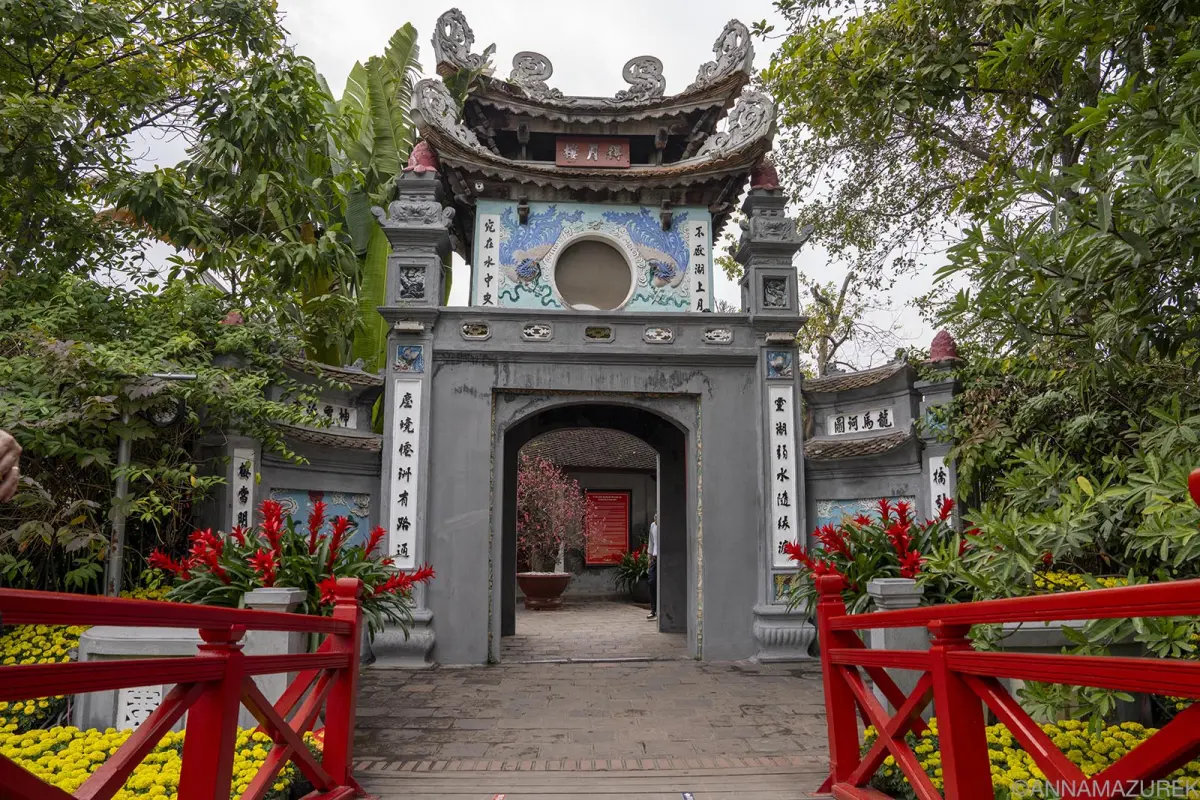
- Hoan Kiem Lake: The tranquil center of the city, featuring the iconic red Huc Bridge.
A common mistake is attempting to walk through the Old Quarter without a map or digital navigation. The layout is intentionally confusing to outsiders, and it is very easy to lose one's sense of direction. Always carry a hotel card or a screenshot of your destination to show to taxi drivers if you become overwhelmed by the narrow, crowded alleys.
How to get around Hanoi safely?
Transportation in Hanoi is an experience in itself, dominated by a seemingly endless flow of motorbikes. For a first-time visitor, the sheer volume of traffic can be intimidating, but there is a rhythmic flow to the chaos. Crossing the street is a skill that requires confidence; the most important rule is to maintain a steady, predictable pace so that drivers can maneuver around you.
If you prefer not to navigate the traffic on foot, consider these practical options:
- Ride-hailing apps: Use apps like Grab to book motorbikes or cars at transparent, pre-negotiated prices.
- Cyclos: These traditional three-wheeled bicycle taxis are excellent for slow-paced sightseeing in the Old Quarter.
- Walking tours: Guided walking tours are the best way to learn the history of specific neighborhoods without the stress of navigation.
Avoid taking unmetered taxis waiting outside major tourist attractions, as these are frequently associated with overcharging. Always insist on using the meter or agree on a firm price before entering the vehicle. If you choose to rent a motorbike, ensure you have a valid international driving permit, as local police frequently conduct spot checks on foreigners.
When is the best time to visit?
Hanoi experiences a distinct four-season climate, which significantly impacts the travel experience. The most comfortable time to visit is during the autumn months of September through November, or the spring months of March and April. During these periods, the temperatures are moderate, and the humidity levels are lower, making it ideal for walking through the city's many parks and outdoor markets.
Summer, from June to August, is characterized by intense heat and frequent, heavy tropical downpours. While the city remains vibrant, the high humidity can make outdoor exploration exhausting. Conversely, the winter months of December and January can be surprisingly chilly and damp, with persistent gray skies. If you visit in winter, pack layers, as indoor heating is not as common as it is in Western countries.
To maximize your trip, try to align your visit with the Lunar New Year, known as Tet, if you want to witness the city’s most important cultural festival. However, be aware that many businesses and restaurants close for several days during this time. For a more standard travel experience, avoid the peak of the summer heat to ensure you have the energy to explore the city's many walking districts.
Common mistakes when planning a trip?
Many travelers underestimate the time required to truly appreciate Hanoi, often treating it as a mere transit point for Ha Long Bay or Sapa. This is a significant mistake, as the city’s depth is found in its quiet corners, local coffee shops, and historical museums. Dedicating at least three full days to the city allows you to move beyond the surface-level tourist sites.
Another frequent error is failing to respect local customs, particularly when visiting religious sites. When entering temples or pagodas, ensure your shoulders and knees are covered as a sign of respect. Additionally, always ask for permission before taking photographs of locals, especially those working in traditional trades.
- Do not dress provocatively when visiting sacred spaces.
- Avoid loud or aggressive behavior in public, as the local culture values modesty and harmony.
- Do not rely solely on credit cards, as many smaller vendors and markets operate exclusively on cash.
By observing these simple social etiquettes, you will find that the people of Hanoi are incredibly welcoming and proud to share their heritage with visitors. Taking the time to learn a few basic phrases in Vietnamese, such as "xin chào" for hello and "cảm ơn" for thank you, will go a long way in building rapport with the locals you meet.
Key facts
- Hanoi is the capital of Vietnam and the country's second-largest city, with a history spanning over 1,000 years.
- The Old Quarter is the city's historic heart, famous for its narrow streets, colonial architecture, and bustling trade since the 13th century.
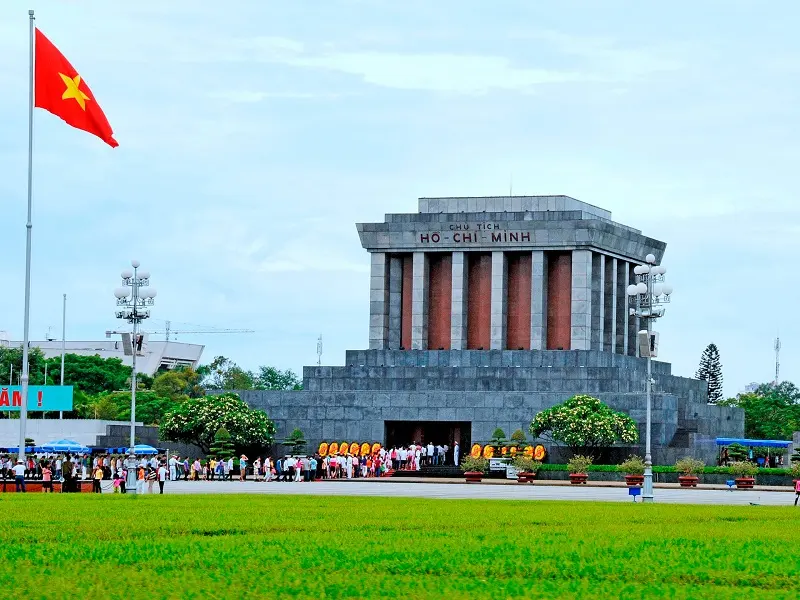
- Ho Chi Minh’s Mausoleum, located in Ba Dinh Square, serves as the final resting place of the revolutionary leader and is a major site of national pilgrimage.
- Crossing the street in Hanoi requires a steady, predictable pace; do not stop or move backward, as drivers will navigate around you.
- Street food is a cultural staple, with pho (noodle soup) and bun cha (grilled pork with noodles) being the most iconic local dishes.
- The Temple of Literature, built in 1070, is Vietnam’s oldest university and a prime example of well-preserved traditional Vietnamese architecture.
The bottom line
Hanoi is a vibrant blend of ancient traditions and colonial history, defined by its chaotic energy and culinary excellence. Visitors should prioritize exploring the Old Quarter’s architecture, sampling authentic street food, and respecting local customs at historic sites. By staying alert in traffic and carrying local currency, travelers can fully immerse themselves in the unique atmosphere of this resilient and culturally rich Southeast Asian capital.
People also ask
Is it safe to drink tap water in Hanoi?
No, tap water in Hanoi is not considered safe for drinking. You should always stick to bottled water or use a high-quality water purifier to avoid gastrointestinal issues.
What is the best time of year to visit Hanoi?
The best time to visit is during the autumn months of September to November or the spring months of March and April. During these periods, the weather is mild and dry, avoiding the intense heat of summer and the damp chill of winter.
How do I get around the city efficiently?
Using ride-hailing apps like Grab is the most efficient and transparent way to travel by car or motorbike taxi. Public buses are available but can be difficult to navigate for visitors without local language skills.
What should I wear when visiting religious sites?
You must dress modestly by covering your shoulders and knees when entering temples or the mausoleum. Carrying a light scarf or sarong is a practical way to ensure you are always prepared for these requirements.
Is it customary to tip in Hanoi?
Tipping is not mandatory or expected in Vietnam, though it is appreciated in high-end restaurants or for exceptional service. Simply rounding up your bill is a polite and sufficient gesture.
What is the primary currency used in Hanoi?
The Vietnamese Dong (VND) is the official currency. While some hotels and upscale shops accept credit cards, cash is essential for street vendors, local markets, and small cafes.
This answer was created with the help of AI research tools and reference sources. Spotted an error? Let us know — we correct mistakes quickly. See our editorial policy.